Guangzhou Huite Sealing Machinery Co., Ltd.



0%
Look, I've spent the last fifteen years crawling around construction sites, getting my hands dirty, and seeing what actually works. Forget the fancy brochures and lab tests – out in the field, a reliable Flange insulation gasket kit can save you headaches, time, and a whole lot of money. We’re talking about preventing corrosion, maintaining structural integrity, and ensuring safe, efficient operation of critical piping systems. It's not glamorous, but it's essential. These kits aren't just about gaskets; they're about long-term reliability in harsh environments, minimizing downtime, and keeping projects on schedule.
You see a lot of shortcuts taken on sites, believe me. But skimping on something like a quality Flange insulation gasket kit is a false economy. The cost of a failure – the leak, the corrosion, the potential shutdown – far outweighs the initial savings on a cheaper product. I've seen entire projects delayed for weeks because of a poorly chosen gasket. It impacts everything from budget to safety, and nobody wants that. It is about proactively preventing problems rather than reactively fixing them later.
Honestly, a good kit is peace of mind. It’s knowing that the connection between your flanges is secure, insulated, and built to last. It's about having the right materials, the right dimensions, and the right expertise bundled together so the guys in the field can do their job without constantly running back to the supply house for missing parts. That's the kind of efficiency that keeps a project moving.
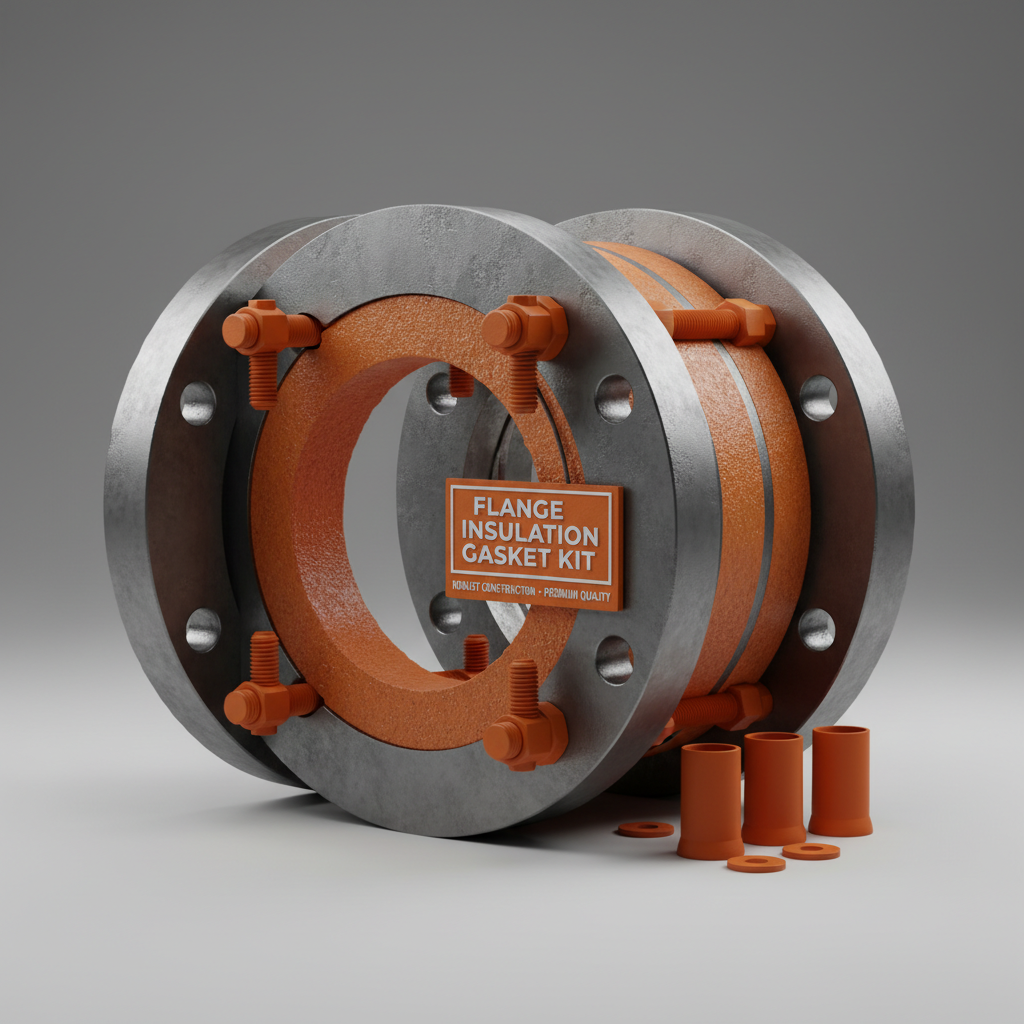
Table of Contents [Hide]
The Importance of Flange Insulation Gasket Kits
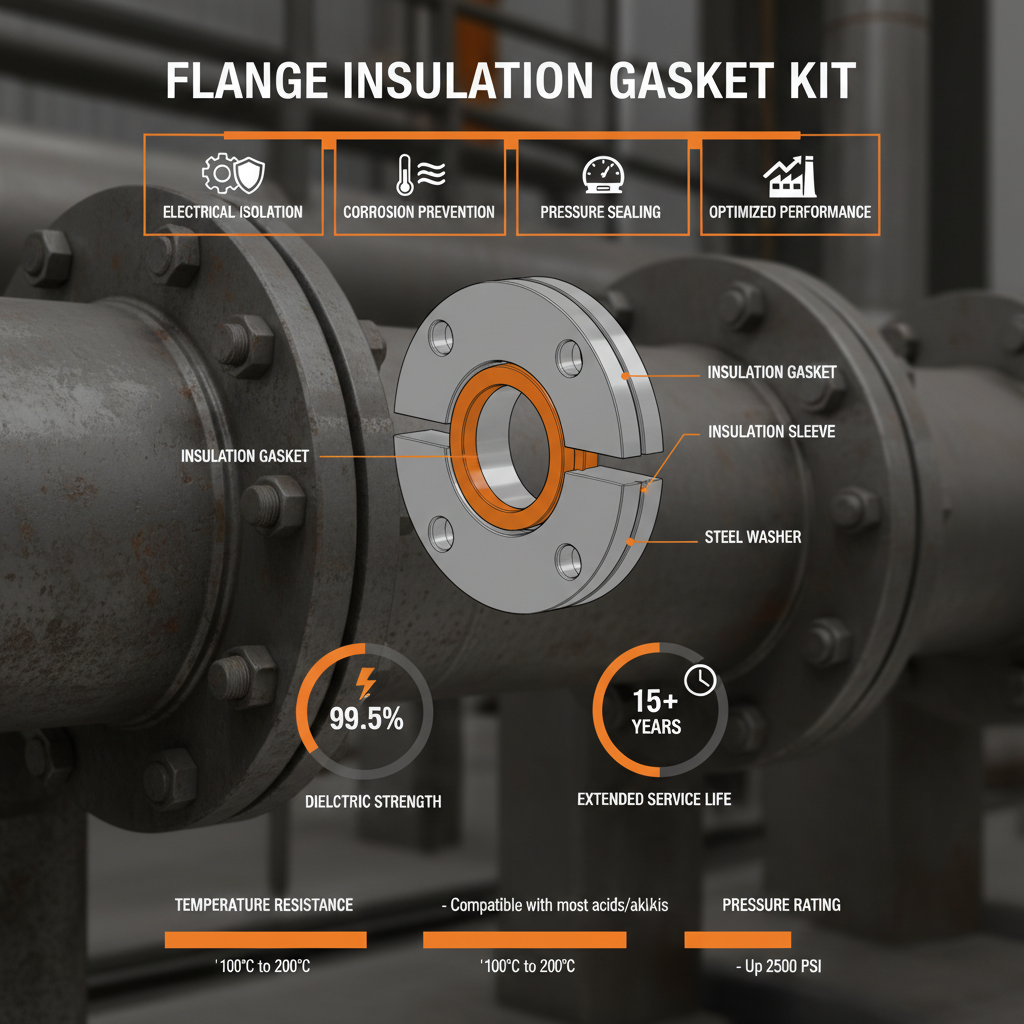
Look, I’ve seen enough corrosion to last a lifetime. A Flange insulation gasket kit isn't just an accessory; it's a critical defense against it. Especially in industries like oil & gas, chemical processing, and power generation, where systems are exposed to extreme temperatures, pressures, and corrosive substances. These kits prevent galvanic corrosion, thermal expansion issues, and maintain the integrity of the entire piping system.
And it’s not just about the big failures, either. Constant leaks, even small ones, can lead to environmental concerns, safety hazards, and costly maintenance downtime. A properly installed Flange insulation gasket kit helps prevent all of that, ensuring a safer and more efficient operation.
FAQS
What is the typical lifespan of a Flange insulation gasket kit?
The lifespan of a Flange insulation gasket kit depends heavily on the application environment. In mild conditions, they can last 10-20 years. However, in harsh environments with high temperatures, pressures, or corrosive substances, they may need to be replaced every 5-7 years. Regular inspections are crucial to determine when replacement is necessary.
How do I determine the correct size Flange insulation gasket kit for my application?
Accurate measurements are key. You'll need to know the flange diameter, bolt circle diameter, and bolt hole size. Consult the manufacturer's specifications and ensure the kit matches your exact flange configuration. It's also important to consider the operating temperature and pressure when selecting the appropriate materials.
What materials are commonly used in Flange insulation gasket kits and what are their benefits?
Common materials include G10/FR4 (excellent electrical insulation), phenolic resins (high temperature resistance), PTFE (superior chemical resistance), and EPDM (good all-around performance). The best material depends on the specific application and the corrosive or thermal stresses involved.
How important is proper installation of a Flange insulation gasket kit?
Proper installation is critical. Incorrect torque settings, gaps, or misalignment can compromise the kit’s effectiveness and lead to corrosion. Follow the manufacturer’s instructions carefully and, if necessary, consult with a qualified technician. Using a calibrated torque wrench is essential.
Can I reuse a Flange insulation gasket kit after disassembly?
Generally, no. Once a Flange insulation gasket kit has been compressed and used, it loses its resilience and sealing properties. Reusing it can lead to leaks and corrosion. It’s best to replace the kit with a new one each time the flange is disassembled.
What are the signs that a Flange insulation gasket kit needs to be replaced?
Look for visible signs of degradation, such as cracking, swelling, or compression set. Also, monitor for leaks, increased corrosion rates, or unusual vibrations. Regular inspections using non-destructive testing methods can help identify potential issues before they become serious problems.
Conclusion
In the end, a Flange insulation gasket kit isn’t just about hardware. It's about preventing headaches, ensuring safety, and protecting your investment. It's about choosing a reliable solution and understanding its critical role in the long-term performance of your piping systems. It’s a small component that makes a huge difference.
Don’t skimp on this essential component. Invest in quality, proper installation, and regular inspections. A proactive approach to flange insulation will pay dividends in reduced maintenance costs, increased uptime, and a safer, more efficient operation. For reliable solutions and expert advice, visit our website at www.gzhtmf.com.


Updated:

David Miller
David Miller is a Senior Application Engineer at HUITE Sealing, bringing over 15 years of experience in industrial sealing solutions. He specializes in gasket selection and implementation for the Oil & Gas and Power Generation sectors. David holds a Bachelor’s degree in Mechanical Engineering and is a certified KLINGER specialist. He’s been instrumental in adapting our spiral wound gaskets for demanding high-pressure applications, contributing significantly to projects involving critical infrastructure. He frequently authors technical articles for industry publications and enjoys collaborating with clients to optimize their sealing performance. David is a key point of contact for complex sealing challenges.


