Guangzhou Huite Sealing Machinery Co., Ltd.
HighPerformance Spiral wound gasket Solutions for Libya’s Industrial Sector
  • Home
  • Global Service
  • HighPerformance Spiral wound gasket Solutions for Libya’s Industrial Sector

High-Performance Spiral wound gasket Solutions for Libya’s Industrial Sector

Expertly engineered gaskets for oil & gas, petrochemical, and power generation applications in Africa.

High-Performance Spiral wound gasket Solutions

Providing reliable sealing solutions for challenging industrial environments in Libya.

Current Landscape of Rubber Parts Manufacturing in Libya

Understanding the challenges and opportunities in the Libyan market.

Libya's industrial sector, particularly its oil and gas industry, presents a substantial demand for high-quality reinforced graphite gasket and sealing solutions. However, the country faces unique challenges, including political instability, infrastructure limitations, and a reliance on imports. These factors contribute to supply chain disruptions and increased costs for manufacturers.

The climate of Libya, characterized by extreme temperatures and sandstorms, also poses significant operational challenges for rubber and plastic components. Seals and gaskets must withstand harsh conditions, demanding materials with superior resistance to degradation and abrasion. Local manufacturing capabilities are still developing, resulting in a significant dependence on international suppliers.

The ongoing recovery and reconstruction efforts in Libya are creating a growing need for robust sealing solutions in infrastructure projects, including power plants, desalination facilities, and oil refineries. This presents an opportunity for manufacturers specializing in PTFE gasket and other high-performance gaskets.
Evolution of Gasket Technology and its Adoption in Libya

Tracing the advancements in gasket technology and their relevance to the Libyan market.

Market Development History

Historically, Libya’s industrial sealing needs were met with basic asbestos-based gaskets. From the 1970s onwards, with increasing awareness of asbestos’s health risks, a shift began towards non-asbestos gasket materials like rubber and graphite. This transition was slow due to limited access to advanced technologies and materials.

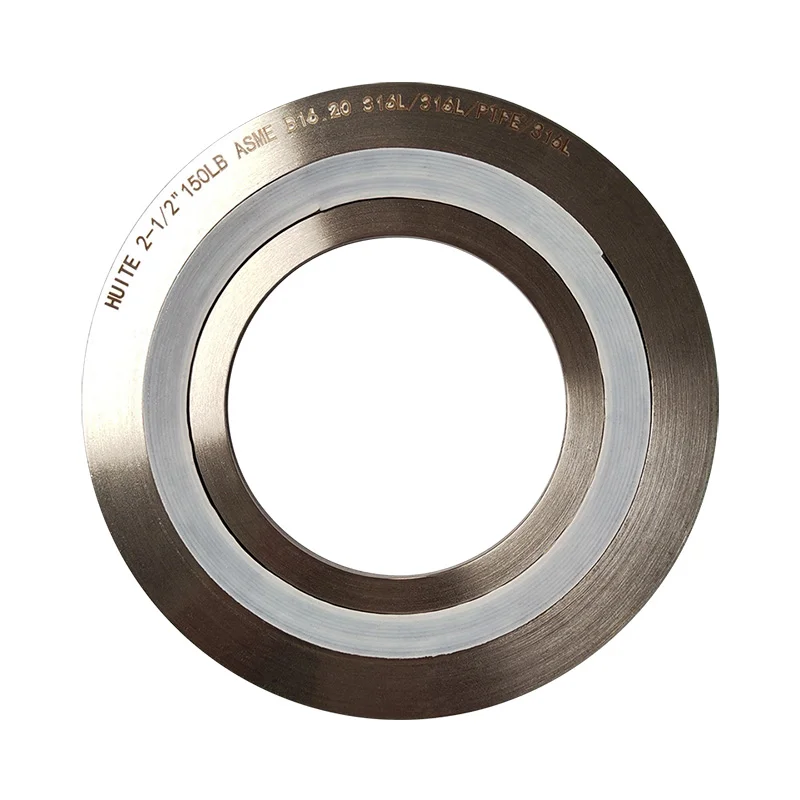
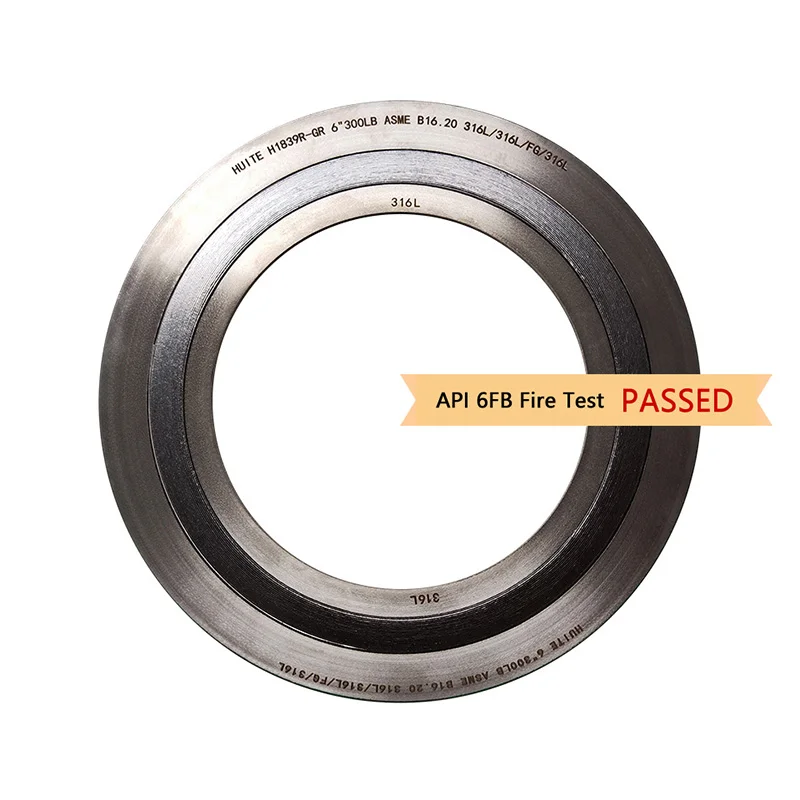
The 1990s and early 2000s saw the introduction of spiral wound gaskets, initially imported from Europe and the US, primarily for the oil and gas sector. These gaskets offered superior performance compared to traditional options, addressing the demands of high-pressure, high-temperature applications. Local expertise in gasket installation and maintenance began to develop during this period.

In recent years, advancements in PTFE and composite materials have gained traction, driven by the need for even greater chemical resistance and durability. The implementation of API 6FB standards has further spurred the demand for API 6FB Spiral wound gasket that meet international quality benchmarks.

Future Development Trends

Enhanced Material Science

Research into new materials like advanced polymers and modified graphite compounds is expected to yield gaskets with improved thermal stability, chemical resistance, and sealing performance.

Digitalization and Predictive Maintenance

Integration of sensors and data analytics will enable predictive maintenance of gaskets, reducing downtime and optimizing operational efficiency. This trend is driven by Industry 4.0 initiatives.

Sustainable Sealing Solutions

Increasing focus on environmental sustainability will lead to the development of eco-friendly gasket materials and manufacturing processes.

Industry Trends and Future Outlook for Gaskets in Libya

Exploring the emerging trends and future prospects for gasket manufacturers in Libya.

Increasing Demand for Specialized Gaskets
The oil & gas sector's focus on enhanced safety and efficiency drives the need for gaskets designed for specific applications and extreme conditions.
Adoption of International Standards
Growing emphasis on adhering to API, ASME, and other global standards to ensure quality and compatibility.
Growing Focus on Cost Optimization
Clients are increasingly seeking cost-effective sealing solutions without compromising on quality or reliability.
Increased Demand for Local Expertise
A need for local suppliers who can provide timely support, customized solutions, and efficient delivery.

Industry Outlook

The Libyan gasket market is poised for moderate growth in the coming years, driven by ongoing reconstruction projects and investments in the oil and gas sector. Manufacturers who can offer high-quality products, competitive pricing, and reliable service are well-positioned to capitalize on this opportunity. The demand for Spiral wound gasket will continue to be significant.

However, navigating the political and economic challenges in Libya will be crucial for success. Building strong relationships with local partners and adapting to changing market conditions will be essential for long-term sustainability.

Localized Application Scenarios in Libya

Real-world applications of gaskets in key Libyan industries.

1. Oil Refineries - High-Temperature Sealing

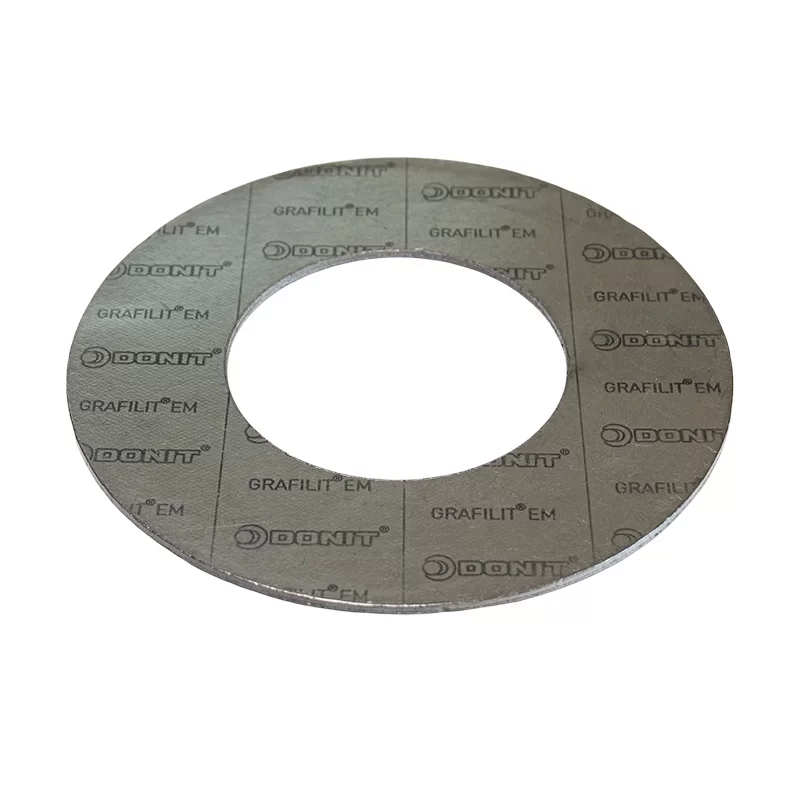
Libya's oil refineries require robust gaskets to withstand extreme temperatures and pressures in critical processes like crude oil distillation and catalytic cracking. Reinforced graphite gasket are commonly used in these applications due to their superior thermal stability and chemical resistance.

2. Power Generation Plants - Flange Connections

Power plants utilize gaskets in various flange connections, including steam pipelines and cooling water systems. Spiral wound gasket offer reliable sealing performance and can handle high pressures and temperatures generated in these systems.

3. Desalination Facilities - Seawater Handling

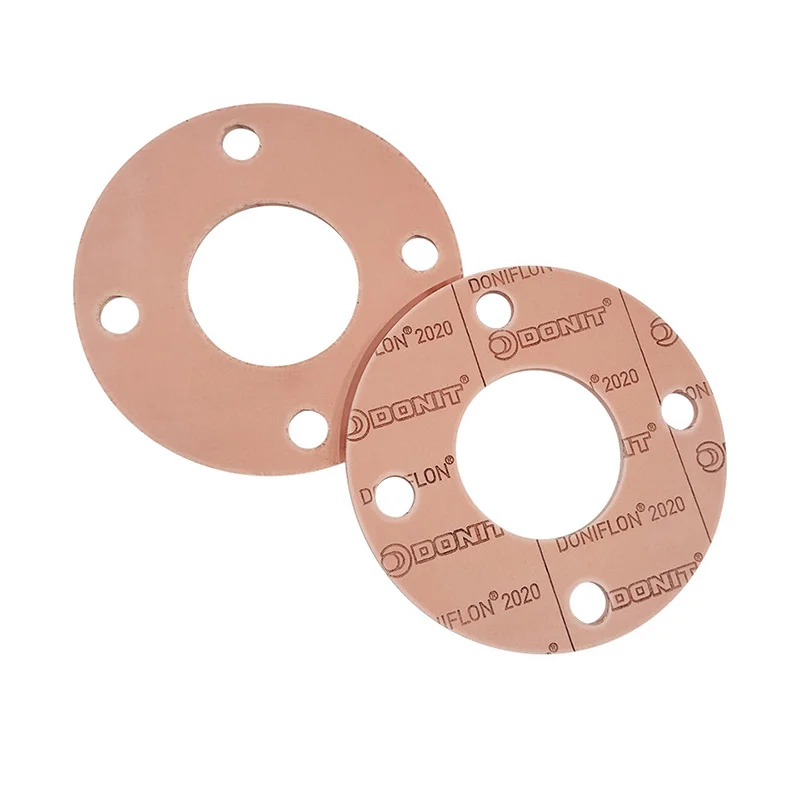
Desalination plants require gaskets that can withstand the corrosive effects of seawater. PTFE gasket are ideal for these applications due to their excellent chemical resistance and low friction properties.

4. Petrochemical Plants – Chemical Processing

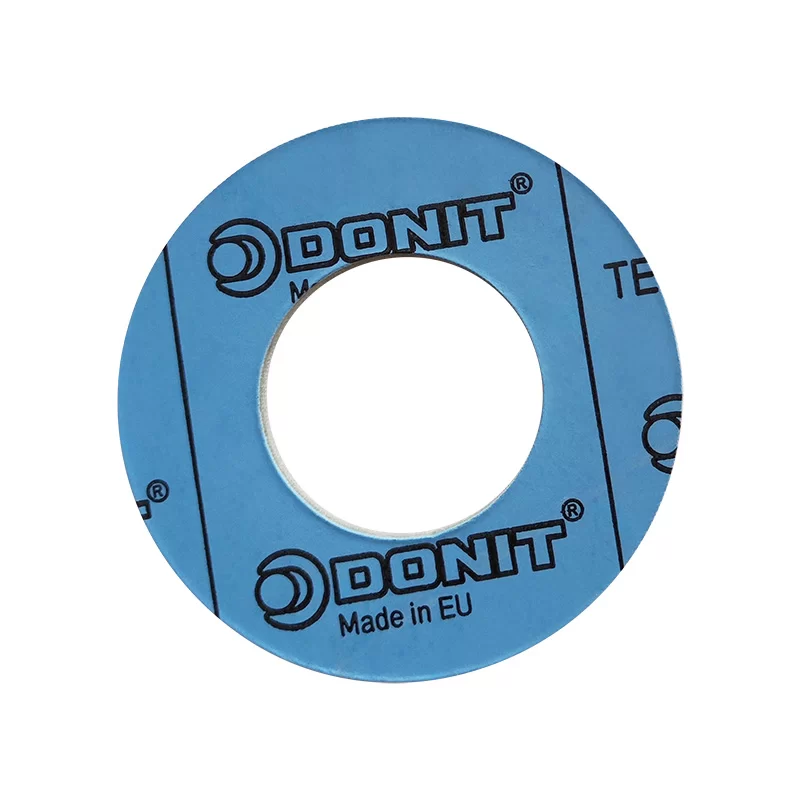
Petrochemical facilities demand gaskets capable of handling a wide range of aggressive chemicals. Non-asbestos gasket engineered with specialized materials ensure leak-free performance and maintain process integrity.

Brand Story

Guangzhou Huite Sealing Mechanical Co., Ltd.'s global development process

Commitment to Quality and Reliability

Established in 2008, Guangzhou Huite Sealing Mechanical Co., Ltd. has consistently strived to deliver premium sealing solutions to a diverse range of industries worldwide.

Innovation and Technological Advancement

We continuously invest in research and development to incorporate the latest advancements in materials and manufacturing processes.

Customer-Centric Approach

We prioritize understanding our clients' specific needs and providing tailored solutions that meet their unique challenges.

Global Reach and Local Support

With a growing network of distributors and partners, we deliver our products and services to customers across the globe.

Our Mission

To provide reliable, high-performance sealing solutions that enhance the efficiency and safety of our customers’ operations, particularly in challenging environments like those found in Libya.

Complete Product Portfolio for the Libyan Region

A comprehensive range of gaskets tailored for Libyan industrial needs.

Frequently Asked Questions - Libya

Addressing common inquiries about gaskets in the Libyan market.

What is the optimal gasket material for high-temperature steam applications in Libyan power plants?

For high-temperature steam applications, a reinforced graphite gasket is generally recommended due to its excellent thermal stability and resistance to oxidation.

How do spiral wound gaskets perform in corrosive seawater environments common in Libyan desalination facilities?

While spiral wound gasket offer good overall performance, a PTFE-filled gasket provides superior resistance to seawater corrosion.

What are the key considerations when selecting gaskets for handling various chemicals in Libyan petrochemical plants?

Chemical compatibility is paramount. PTFE, Viton, and other specialized elastomers are often used depending on the specific chemical being handled. Refer to chemical resistance charts.

Are non-asbestos gaskets compliant with international safety standards for use in Libyan oil refineries?

Yes, non-asbestos gasket are the industry standard and comply with all relevant safety regulations, including those required for oil refinery applications.

What is the expected lifespan of a spiral wound gasket in a typical oil pipeline application in Libya?

The lifespan varies depending on operating conditions, but a well-maintained spiral wound gasket can typically last 3-5 years in an oil pipeline application.

How does temperature fluctuation affect the performance of PTFE gaskets in the Libyan climate?

PTFE exhibits a relatively low coefficient of thermal expansion, making it less susceptible to performance variations due to temperature fluctuations compared to other materials.

Get in Touch

We are your trusted partner for high-performance sealing solutions in Libya.

Contact Us Now

If you are interested in our products, you can choose to leave your information here, and we will be in touch with you shortly.