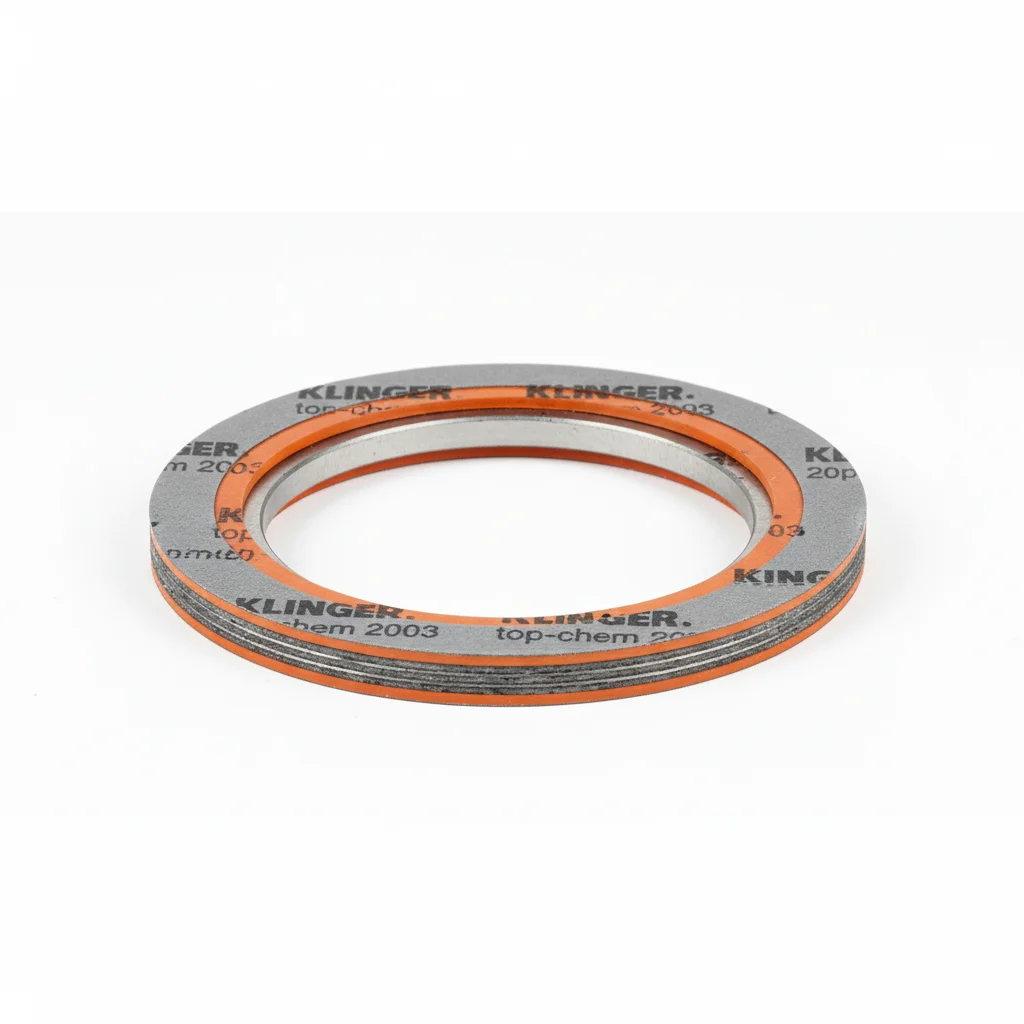
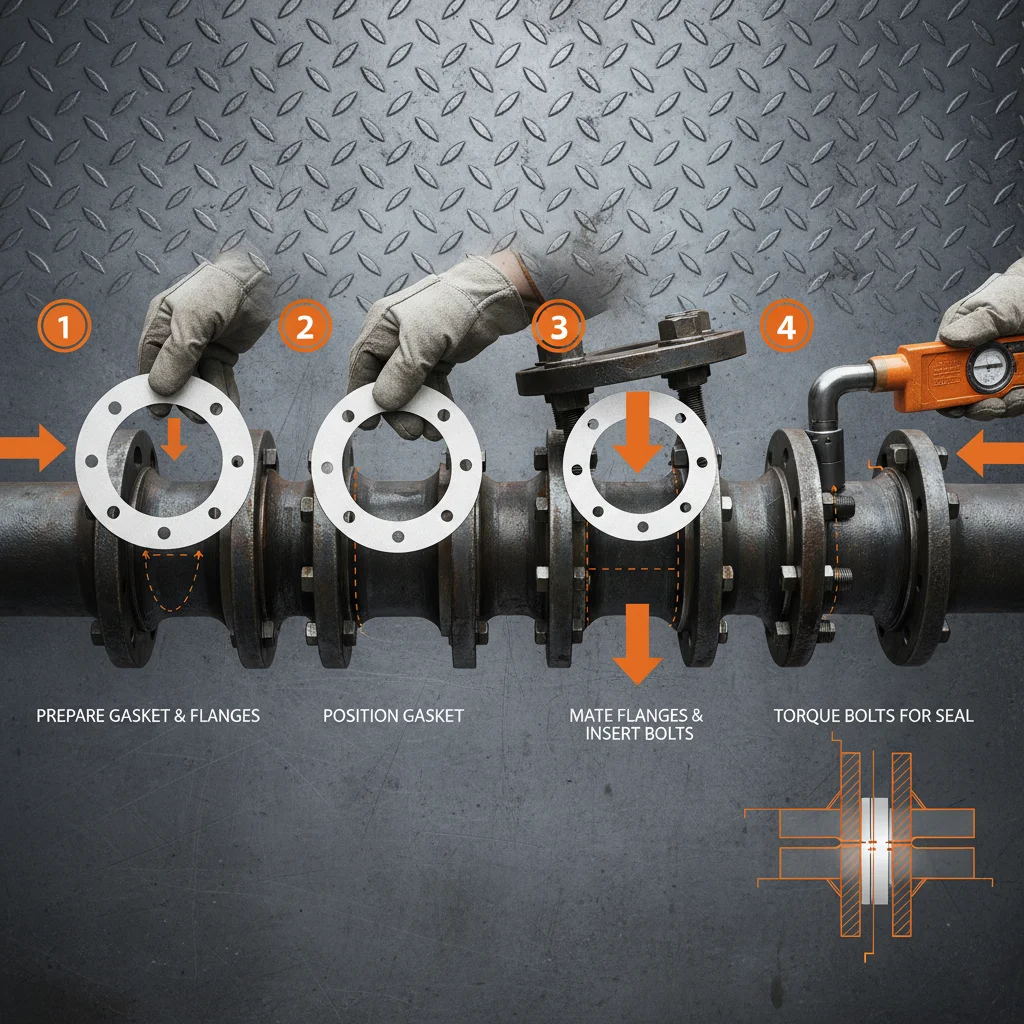
Guangzhou Huite Sealing Machinery Co., Ltd.
Reliable Spiral Wound Gasket Solutions for LNG and Industrial Applications
  • Home
  • News
  • Top Blog
  • Reliable Spiral Wound Gasket Solutions for LNG and Industrial Applications
0%

Table of Contents

Look, I’ve been running around construction sites for fifteen years, and let me tell you, the whole LNG thing... it’s blowing up. Not literally, hopefully, but demand is way up. Everyone's scrambling for reliable stuff. And that means spiral wound gaskets. Seems simple, right? A coil of metal and a filler. But man, it gets complicated fast.

To be honest, it's not always about the highest-tech materials. Sometimes it’s about what’s actually available when you need it, and what the guys on the ground can work with. I've seen projects delayed weeks just waiting on a custom gasket. That’s why having a supplier you trust, who understands the realities of the jobsite, is key.

And it's not just LNG anymore. It’s chemical plants, refineries, even some of the big data centers are getting into it. They need that seal, that reliability. Because a leak? That’s not just a headache, that’s a potential disaster. I was down in Houston last year, and…well, let’s just say I saw the aftermath of a compromised gasket. Not pretty.
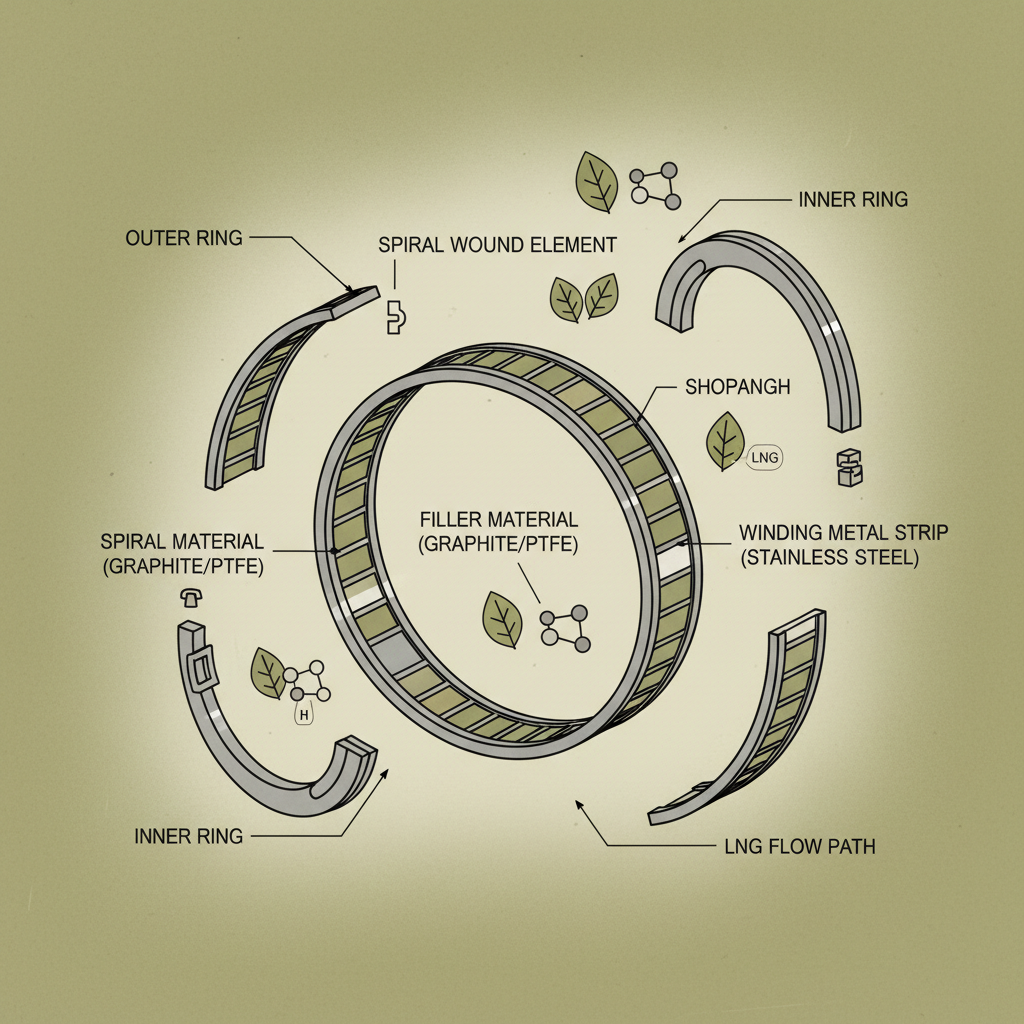
spiral wound gasket for LNG

The Rising Tide of LNG and Gasket Demand
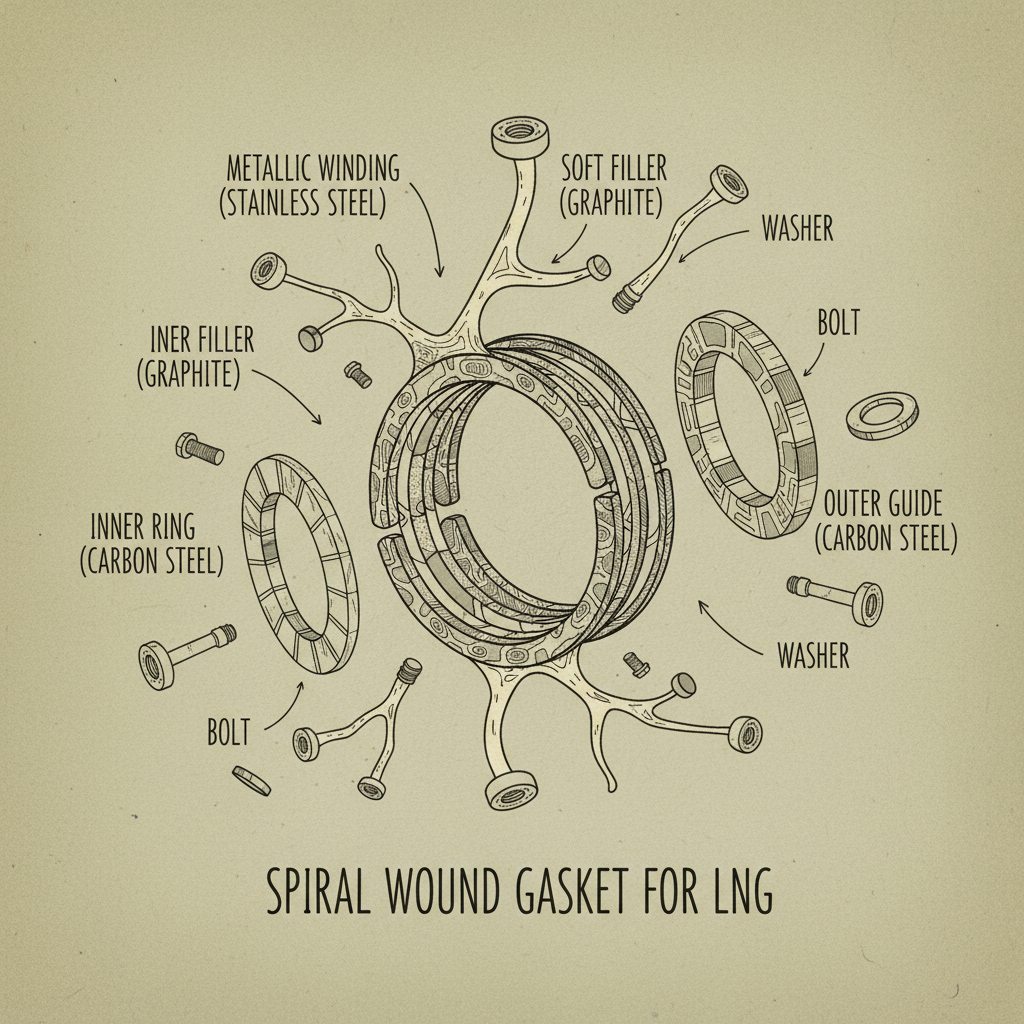
spiral wound gasket for LNG

Have you noticed how much LNG infrastructure is being built? It's insane. Globally, the demand's through the roof. The UN reports show a massive increase in projected LNG exports, and it's not slowing down. That means a lot of pipelines, a lot of storage tanks, and a lot of… you guessed it, spiral wound gaskets. The ISO standards are getting stricter too, which adds another layer of complexity.

The problem is, a lot of guys are still treating gaskets as an afterthought. They think, "It's just a gasket, it's cheap." But a failure there can shut down an entire operation, lead to environmental damage, and cost millions. It's a critical component, and it needs to be treated as such.

Decoding Spiral Wound Gasket Design: Avoiding Common Pitfalls

Now, design. That’s where things get tricky. Strangely, a lot of engineers get hung up on trying to over-engineer these things. They want the thickest winding, the most exotic materials… but sometimes, simpler is better. I encountered this at a refinery in Louisiana last time – they’d spec’d a gasket that was way overkill for the application. It was a nightmare to install, and it actually leaked more than the standard version.

The winding profile is key. You need the right amount of crush to get a good seal, but too much and you’ll deform the gasket. The filler material has to be compatible with the process fluid, obviously, but also with the flange material. Galvanic corrosion is a real concern. And don't even get me started on the centering ring… that little thing is surprisingly important.

A lot of times, guys don't fully consider the thermal expansion and contraction of the flanges. The gasket has to be able to accommodate that movement without losing its seal. That’s where proper bolt loading is critical. Too tight, and you’ll crush the gasket. Too loose, and you’ll get a leak. It’s a delicate balance.

Materials Matter: From Graphite to PTFE and Beyond

Okay, materials. This is where it gets really interesting. Graphite is still the workhorse. Smells like… well, graphite. That metallic smell. Feels kinda gritty. You can tell a good graphite gasket by how easily it compresses and how well it holds its shape. It's forgiving, you know? But it can be brittle, especially in high-temperature applications.

Then you’ve got PTFE – Teflon. Slippery stuff. Feels almost…waxy. Great chemical resistance, but it’s prone to creep. That means it’ll slowly deform under pressure, and eventually, you’ll get a leak. It needs a reinforcing ring, almost always. And the higher the pressure, the more reinforcement you need.

We're seeing more exotic alloys being used lately – Inconel, Hastelloy. Expensive, but necessary for highly corrosive environments. They feel… solid. Heavy. They just feel like they'll last. But they’re also harder to machine, which drives up the cost. Anyway, I think the best approach is to understand the application and choose the material that’s best suited for the job, not just the most expensive one.

Real-World Testing: Beyond the Lab

Look, lab tests are fine, but they don't tell the whole story. I’ve seen gaskets pass all the certifications, look perfect on paper, and then fail miserably on the jobsite. What matters is how it performs in real-world conditions. Temperature swings, vibration, fluctuating pressures… that’s what kills gaskets.

We do a lot of hydrostatic testing, obviously. That’s where you pressurize the system with water and look for leaks. But we also do thermal cycling tests, where we repeatedly heat and cool the gasket to simulate real-world operating conditions. And we’ve even started doing vibration tests, using a shaker table to simulate the vibrations of a running pump or compressor.

Spiral Wound Gasket Performance Metrics

How Users Actually Employ Spiral Wound Gaskets

You know, it’s funny. Engineers design these systems, and they have a specific idea of how the gaskets are supposed to be installed. But then you get out on the jobsite, and things are…different. I’ve seen guys use a hammer to get a gasket seated. A hammer. I nearly had a heart attack.

A lot of times, they don't follow the torque specifications. Too tight, too loose… it's always something. And the cleanliness of the flange surfaces? Forget about it. Dirt, grime, rust… it all affects the seal. It’s all about proper training and supervision.

The Upsides and Downsides: A Pragmatic Assessment

Alright, let’s be real. Spiral wound gaskets are awesome. They’re versatile, they can handle high pressures and temperatures, and they’re relatively easy to install. But they’re not perfect. They’re more expensive than some other types of gaskets, and they can be susceptible to creep, especially at high temperatures. They require careful handling and storage.

They can also be difficult to inspect once they’re installed. You can’t just look at it and tell if it’s still good. You need to do a leak test. And if you have a leak, you have to shut down the system and replace the gasket. It’s a pain. But overall, the benefits outweigh the drawbacks, especially in critical applications.

Customization and Application Specific Solutions

Now, customization. That’s where we can really add value. Last month, this small boss in Shenzhen who makes smart home devices insisted on changing the interface to , and the result was he needed a completely custom gasket because the flange dimensions changed. He thought it was a brilliant idea…until he realized the cost and lead time. He learned a lesson that day.

We can modify the winding material, the filler material, the centering ring, even the gasket dimensions to meet specific application requirements. We can add coatings for corrosion resistance. We can even design gaskets for unusual flange configurations. The key is to understand the customer’s needs and work with them to develop a solution that works.

We did one job for a geothermal plant in Iceland, and they needed a gasket that could withstand extremely high temperatures and corrosive fluids. We ended up using a combination of Inconel winding and a special ceramic filler. It wasn’t cheap, but it solved their problem.

Table Summarizing Spiral Wound Gasket Material Properties

Material Temperature Resistance (°C) Chemical Compatibility Cost (Relative)
Graphite 600 Good Low
PTFE 260 Excellent Medium
Inconel 800 Excellent High
Hastelloy 900 Excellent Very High
Flex Graphite 650 Very Good Medium
Ceramic Filled PTFE 300 Excellent Medium-High

FAQs

What’s the biggest mistake people make when selecting a spiral wound gasket?

Honestly? Ignoring the process fluid. They get focused on pressure and temperature, but forget what the gasket is actually coming into contact with. You need to make sure the filler material is compatible. Otherwise, you’re just asking for trouble. I’ve seen gaskets dissolve in a matter of hours because of that. It’s crucial to check chemical compatibility charts and not just assume.

How do I know if a spiral wound gasket is properly compressed?

That’s a tough one. There's no magic bullet. You need to follow the manufacturer's torque specifications for the flange bolts. Too little torque, and you'll get a leak. Too much torque, and you’ll crush the gasket. Experience helps, you learn to feel when it’s right. Some guys use a leak test with water. It’s the best way to be sure. But, you also need to visually inspect for any signs of damage or deformation.

Can spiral wound gaskets be reused?

Generally, no. Once a gasket has been compressed, it loses its resilience. Trying to reuse it is a gamble, and it’s rarely worth the risk. Especially in critical applications. I’ve had guys ask me about it, and I always tell them, “Just replace it. It’s not worth the downtime and potential damage if it leaks.” There might be exceptions for very low-pressure, non-critical applications, but it’s usually best to err on the side of caution.

What’s the difference between a standard spiral wound gasket and a kammprofile gasket?

Kammprofile gaskets have a solid metal core instead of a winding. It provides much better resistance to blow-out, especially in applications with fluctuating pressures or temperatures. They are more expensive than standard spiral wound gaskets but offer improved reliability. I’ve seen them used in refineries where they had persistent problems with blow-out. It's a good choice for tough applications.

What’s the best way to store spiral wound gaskets?

Keep ‘em dry and clean. Store them flat, not stacked, to avoid compressing the winding. Protect them from dirt and grime. Don’t just toss them in a toolbox with a bunch of other stuff. And don’t store them near solvents or chemicals that could damage the filler material. A clean, dry environment is best. It’s simple stuff, but people often overlook it.

How important is the centering ring?

Very! Seriously, don’t underestimate the centering ring. It confines the winding and prevents it from being squeezed out during compression. Without it, the gasket will fail prematurely. Different materials are used for centering rings depending on the application and temperature. It's a small part, but it plays a huge role in ensuring a reliable seal. Always verify it's the correct material for the application.

Conclusion

So, there you have it. Spiral wound gaskets. They're not glamorous, but they're essential. They're the unsung heroes of the industrial world, keeping everything sealed up tight and preventing catastrophic failures. From the materials used to the design considerations and the importance of proper installation, there’s a lot to understand.

Ultimately, whether this thing works or not, the worker will know the moment he tightens the screw. And that's the truth. That's why we spend all this time sweating the details, because in the end, it's about keeping things running safely and reliably. If you need a reliable gasket, or just want to talk shop, give us a shout at gzhtmf.com.
Michael Johnson

Michael Johnson

Michael Johnson is a dedicated Sales Engineer at HUITE Sealing, focused on the Marine and Shipbuilding industries. He boasts 8 years of experience in technical sales, providing tailored gasket solutions for various vessel types and offshore platforms. Michael holds a strong understanding of marine regulations and requirements. He actively participates in industry trade shows and builds strong relationships with key clients, advocating for the benefits of our reinforced graphite and rubber gaskets. He prides himself on delivering exceptional customer service and rapid response times.
Previous Understanding LNG Spiral Wound Gasket Performance and Application Challenges
Next Understanding Fire Safe Spiral Wound Gasket Performance and Application

If you are interested in our products, you can choose to leave your information here, and we will be in touch with you shortly.