Guangzhou Huite Sealing Machinery Co., Ltd.



0%
The KLINGER top-chem 2003 gasket stands as a critical component in numerous industrial applications, ensuring leak-proof seals in demanding environments. Its specialized chemical resistance and temperature stability make it a preferred choice across diverse sectors. Understanding its properties and applications is paramount for maintaining operational efficiency and safety in industries ranging from chemical processing to power generation.
Globally, the demand for high-performance sealing solutions like the KLINGER top-chem 2003 gasket is continually rising, driven by increasing industrialization and stricter safety regulations. Industries are consistently seeking materials that can withstand corrosive chemicals, extreme temperatures, and high pressures – challenges the KLINGER top-chem 2003 gasket is specifically engineered to address. This drives innovation in gasket technology and material science.
Choosing the right gasket material, such as the KLINGER top-chem 2003 gasket, isn't simply a matter of cost; it directly impacts the reliability of entire systems and the prevention of costly downtime. Consequently, a thorough understanding of gasket properties, applications, and limitations is crucial for professionals in engineering, procurement, and maintenance roles.
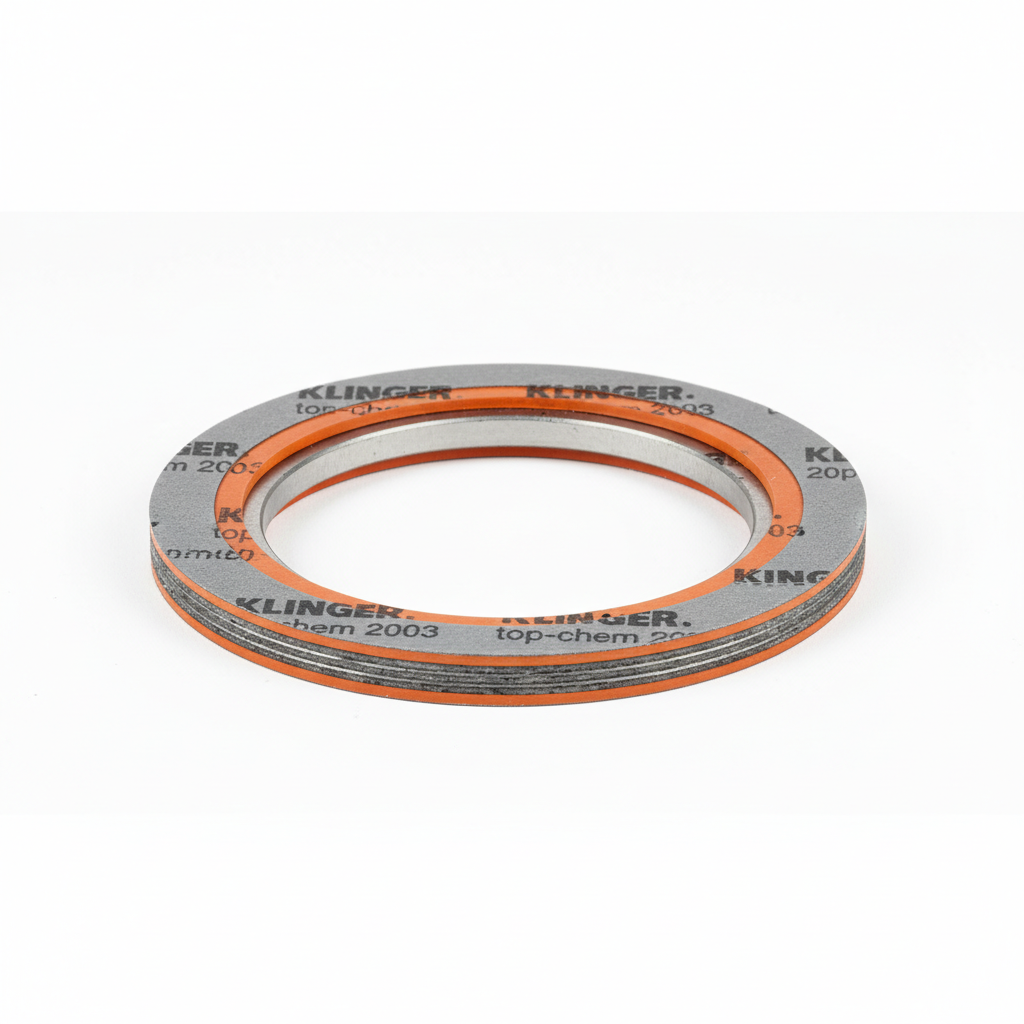
Table of Contents [Hide]
Understanding the Core Properties of KLINGER top-chem 2003 gasket
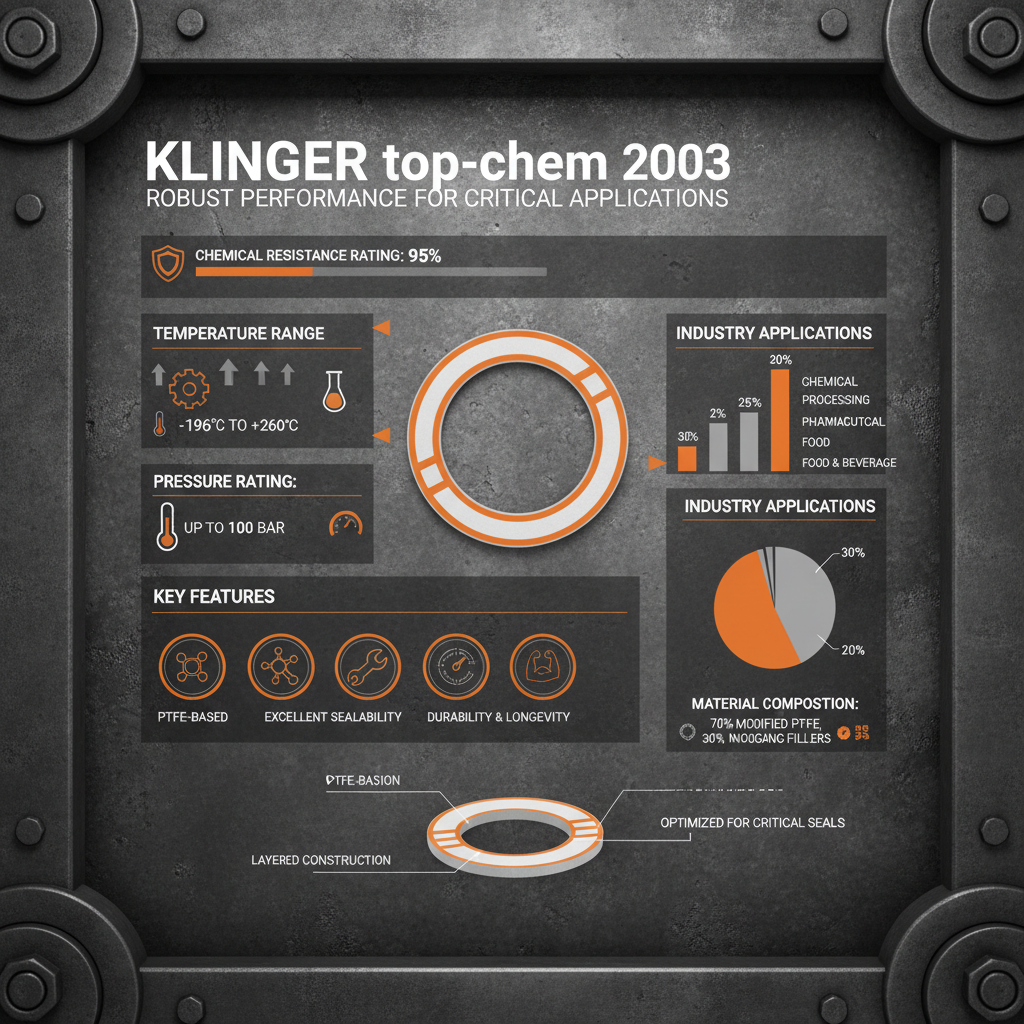
The KLINGER top-chem 2003 gasket is renowned for its exceptional chemical resistance, a crucial property stemming from its specific material composition. It’s designed to withstand a broad spectrum of aggressive media, including strong acids, alkalis, and various solvents, making it suitable for challenging applications where other gasket materials would quickly degrade.
Furthermore, the gasket exhibits excellent thermal stability, maintaining its sealing integrity across a wide temperature range. This is vital in processes involving both high and low temperatures, preventing leaks and ensuring safe operation. The material's resilience also contributes to its long service life, reducing the frequency of replacements and minimizing downtime.
FAQS
What makes the KLINGER top-chem 2003 gasket superior to other gasket materials in highly corrosive environments?
The KLINGER top-chem 2003 gasket’s unique chemical composition, specifically its proprietary blend of polymers and fillers, provides exceptional resistance to a broad spectrum of corrosive media. Unlike many alternative materials, it doesn’t readily degrade when exposed to strong acids, alkalis, or solvents, maintaining its sealing integrity for extended periods. This makes it ideal for applications where leaks could pose significant safety or environmental risks. The material’s inherent resilience also minimizes swelling and shrinkage, further enhancing its performance in harsh conditions.
What is the typical lifespan of a KLINGER top-chem 2003 gasket in a standard industrial application?
The lifespan of a KLINGER top-chem 2003 gasket varies depending on the specific application, operating conditions, and maintenance practices. However, under normal industrial conditions, it can typically last for 3-5 years, and often longer. Factors such as temperature fluctuations, pressure cycles, and the nature of the contained media can influence its longevity. Regular inspections and proper installation are crucial for maximizing its service life. In less demanding applications, it may even exceed 10 years.
Is the KLINGER top-chem 2003 gasket suitable for food-grade applications?
Yes, the KLINGER top-chem 2003 gasket is often suitable for food-grade applications, but it’s crucial to verify that the specific formulation complies with relevant food safety regulations (e.g., FDA, EU 1935/2004). KLINGER offers specific versions of the gasket designed for food contact, ensuring it doesn't leach any harmful substances into the food or beverage product. Always check the product specifications and certifications before using it in a food-related process.
What torque specifications should be followed when installing a KLINGER top-chem 2003 gasket?
Torque specifications vary depending on the flange size, bolt diameter, and gasket thickness. It's essential to consult the KLINGER installation guidelines for the specific application. Generally, a uniform torque pattern should be used to ensure even compression and prevent gasket damage. Overtightening can cause the gasket to deform or fail, while undertightening can lead to leaks. Following the recommended torque values is critical for achieving a reliable seal.
How does the KLINGER top-chem 2003 gasket perform at extreme temperatures?
The KLINGER top-chem 2003 gasket exhibits excellent thermal stability, maintaining its properties within a wide temperature range of -200°C to +260°C. Its specialized composition prevents it from becoming brittle at low temperatures or losing its sealing force at high temperatures. However, prolonged exposure to extreme temperatures may gradually affect its lifespan. It’s important to consider the specific temperature profile of the application when selecting a gasket material.
What are the advantages of using the KLINGER top-chem 2003 gasket over alternative materials like PTFE?
While PTFE (Teflon) is known for its chemical resistance, the KLINGER top-chem 2003 gasket often offers superior creep resistance and long-term sealing performance. PTFE gaskets are prone to creep relaxation, which means they can lose their compressive stress over time, leading to leaks. The KLINGER top-chem 2003 gasket’s formulation minimizes this effect, resulting in a more reliable and durable seal. Additionally, KLINGER top-chem 2003 generally exhibits better resilience and recovery after compression.
Conclusion
In summary, the KLINGER top-chem 2003 gasket stands as a premier sealing solution, characterized by its exceptional chemical resistance, thermal stability, and long-term reliability. Its versatile application across diverse industries underscores its importance in maintaining operational safety and efficiency. By understanding its core properties and adhering to proper installation and maintenance practices, users can maximize its lifespan and minimize the risk of costly leaks and downtime.
Looking ahead, continuous innovation in gasket technology, coupled with a growing emphasis on sustainability, will likely lead to further enhancements in the KLINGER top-chem 2003 gasket’s performance and environmental footprint. Investing in high-quality sealing solutions like this is not merely a cost-saving measure but a strategic imperative for ensuring long-term operational success and environmental responsibility. Visit our website: www.gzhtmf.com
Related Posts
-
Choosing the Right PTFE Gasket Manufacturer for Optimal Performance
-
DONIT Gasket Manufacturer Delivering Sealing Solutions for Global Industries
-
Understanding API 6FB Spiral Wound Gasket Design and Practical Applications
-

TESNIT BAGL Revolutionizing Modular Construction and Sustainable Infrastructure
Updated:

David Miller
David Miller is a Senior Application Engineer at HUITE Sealing, bringing over 15 years of experience in industrial sealing solutions. He specializes in gasket selection and implementation for the Oil & Gas and Power Generation sectors. David holds a Bachelor’s degree in Mechanical Engineering and is a certified KLINGER specialist. He’s been instrumental in adapting our spiral wound gaskets for demanding high-pressure applications, contributing significantly to projects involving critical infrastructure. He frequently authors technical articles for industry publications and enjoys collaborating with clients to optimize their sealing performance. David is a key point of contact for complex sealing challenges.


