Guangzhou Huite Sealing Machinery Co., Ltd.



0%
Grafilit EM gasket represents a crucial component in modern sealing technology, impacting a wide array of industries from automotive and aerospace to chemical processing and power generation. Its ability to reliably contain fluids and gases under extreme conditions – high temperatures, pressures, and corrosive environments – makes it indispensable for ensuring operational efficiency and safety. Understanding the nuances of Grafilit EM gasket design, material composition, and application is vital for engineers, maintenance professionals, and anyone involved in processes where leak-free performance is paramount.
The global demand for effective sealing solutions is constantly increasing, driven by stricter environmental regulations, the pursuit of greater energy efficiency, and the ever-growing complexity of industrial equipment. According to industry reports, the global gasket and sealing market is projected to reach \$XX billion by 2028, with specialized gaskets like Grafilit EM gasket experiencing significant growth. This growth underscores the critical role these components play in preventing costly leaks, reducing environmental impact, and maintaining the integrity of critical infrastructure.
Beyond purely industrial applications, the principles behind high-performance sealing solutions like the Grafilit EM gasket are also relevant in emerging fields like hydrogen energy storage and carbon capture technologies, highlighting its importance in addressing global challenges.
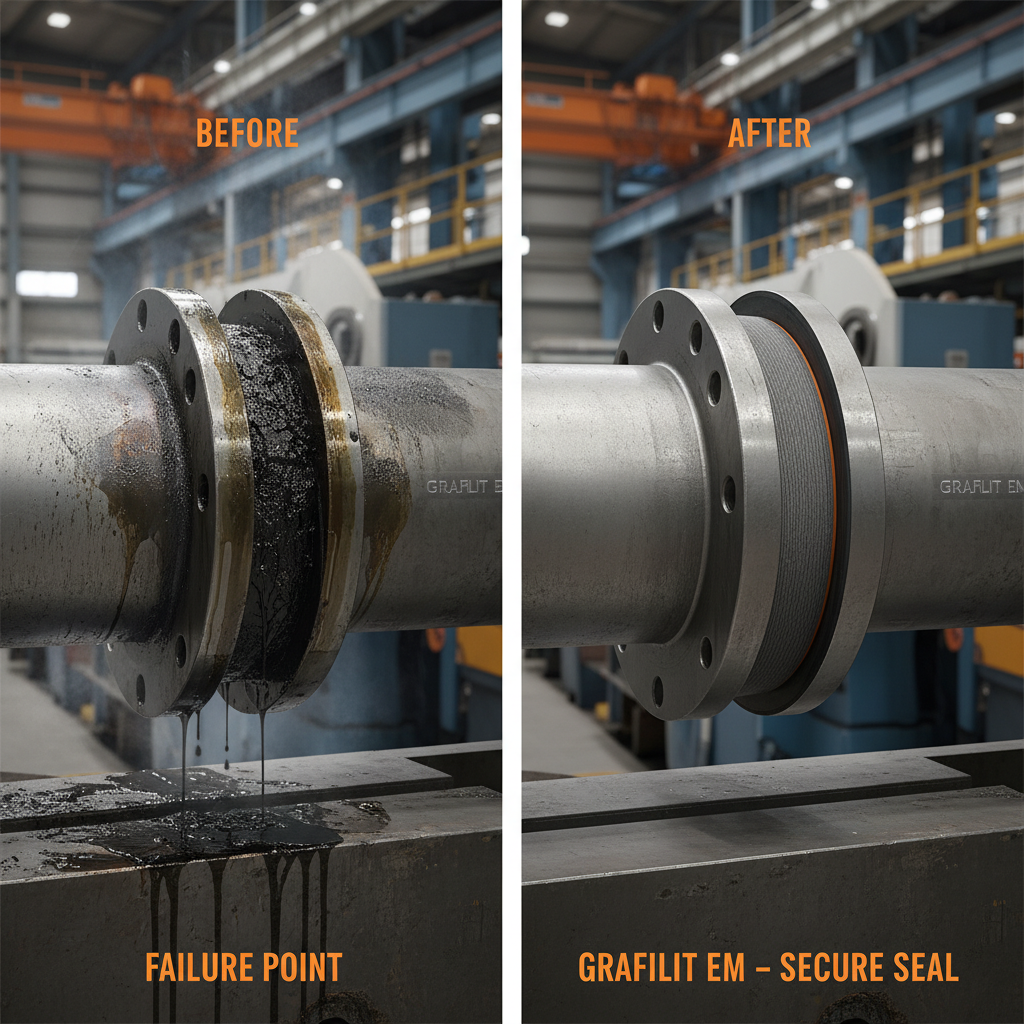
Table of Contents [Hide]
The Core Principles of Grafilit EM Gasket
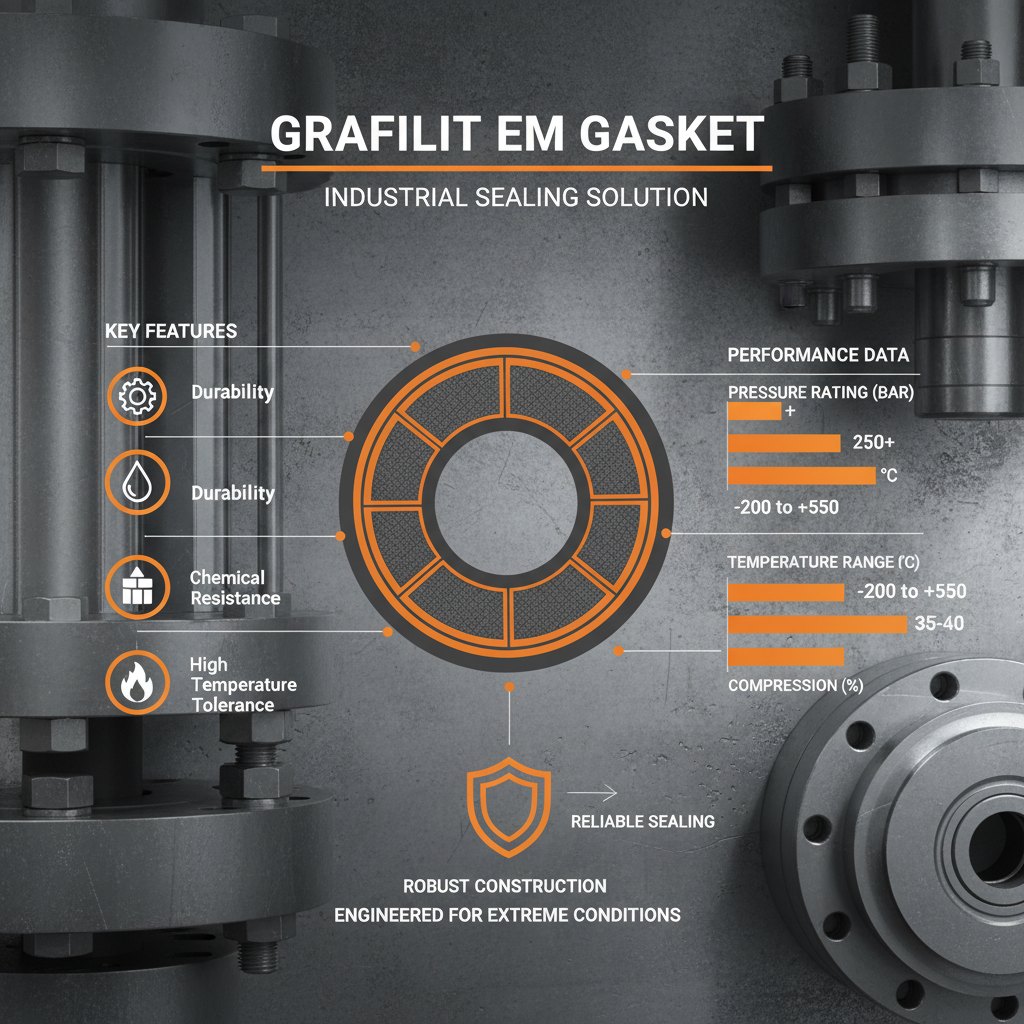
At its core, the Grafilit EM gasket utilizes the unique properties of expanded graphite to create a highly effective sealing barrier. The process of expansion creates a flexible, conformable material that can readily adapt to irregular flange surfaces, ensuring a tight seal even under varying load conditions. This is crucial in applications where flange imperfections are common or where thermal expansion and contraction can occur.
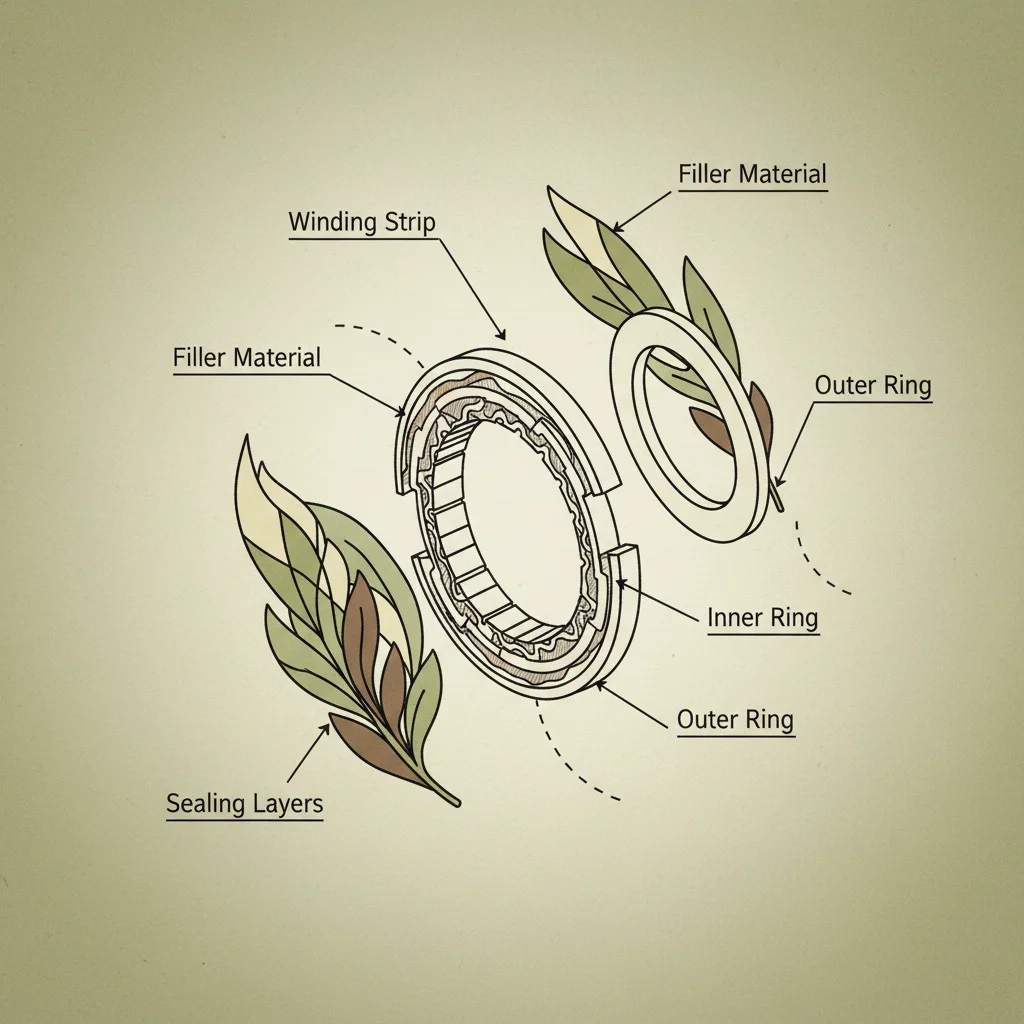
The effectiveness of a Grafilit EM gasket isn’t solely reliant on the graphite itself. The precise formulation – including the type of graphite, binders, and additives – significantly impacts its performance characteristics. Factors such as temperature resistance, chemical compatibility, and compressibility are all carefully controlled during the manufacturing process to meet the demands of specific applications. Grafilit EM gasket provides a customized solution for a wide array of industries.
FAQS
What is the typical lifespan of a Grafilit EM gasket in a chemical processing application?
The lifespan of a Grafilit EM gasket in a chemical processing environment varies considerably based on the specific chemicals involved, temperature, pressure, and the frequency of thermal cycling. However, with proper material selection and installation, a well-maintained Grafilit EM gasket can typically last between 2 to 5 years, often exceeding the service life of conventional gaskets. Regular inspection and replacement as needed are crucial to prevent unexpected failures and maintain process safety.
How does temperature affect the performance of a Grafilit EM gasket?
Grafilit EM gaskets exhibit excellent thermal stability, maintaining their sealing properties over a wide temperature range, generally from -200°C to 450°C (and higher with specialized formulations). However, extreme temperatures can impact performance. High temperatures can lead to oxidation and reduced compressibility, while very low temperatures may increase brittleness. Proper gasket selection for the operating temperature is critical. Thermal cycling can also induce stress and potential leakage if the gasket isn't properly designed for the application.
Are Grafilit EM gaskets suitable for use with food-grade applications?
Certain formulations of Grafilit EM gaskets are suitable for food-grade applications, but it's essential to verify compliance with relevant regulations such as FDA standards. The binder used in the gasket must be non-toxic and approved for food contact. Always check the manufacturer's specifications and certifications to ensure the gasket meets the required safety standards for food processing equipment.
What are the best practices for installing a Grafilit EM gasket to ensure a leak-free seal?
Proper installation is crucial for optimal performance. Ensure flange surfaces are clean, smooth, and free of debris. Use a new gasket for each application. Avoid excessive compression, which can damage the gasket. Follow the manufacturer's recommended torque specifications for bolting flanges. Using a torque wrench is highly recommended. A thin film of compatible lubricant can aid installation, but avoid excessive amounts that could compromise the seal.
How does a Grafilit EM gasket compare in cost to other gasket materials like spiral wound gaskets?
The initial cost of a Grafilit EM gasket can be higher than some common gasket materials like rubber or fiber gaskets. However, it is often comparable to, or even lower than, spiral wound gaskets, depending on the size and specifications. When considering the total cost of ownership, Grafilit EM gaskets frequently offer a more economical solution due to their longer service life, reduced maintenance requirements, and minimized downtime. Their ability to perform reliably in demanding conditions reduces the frequency of replacements, leading to significant cost savings over time.
Can Grafilit EM gaskets be reused after disassembly?
Generally, it's not recommended to reuse Grafilit EM gaskets. While they may appear undamaged, the compression and thermal cycling during use can alter their structural properties, potentially compromising their sealing performance. Reusing a gasket increases the risk of leakage and should be avoided whenever possible. For critical applications, a new gasket should always be installed to ensure a reliable seal and prevent costly downtime.
Conclusion
In conclusion, Grafilit EM gasket stands as a highly effective and versatile sealing solution for a broad range of industrial applications. Its exceptional temperature resistance, chemical compatibility, and conformability make it a superior choice compared to many conventional gasket materials. By understanding its core principles, performance characteristics, and proper installation techniques, engineers and maintenance professionals can maximize its benefits and ensure long-term operational reliability.
Looking ahead, continued innovation in materials science and manufacturing processes will further enhance the performance and sustainability of Grafilit EM gasket technology. As industries strive for greater efficiency, safety, and environmental responsibility, the demand for reliable sealing solutions like this will only continue to grow. For expert guidance and high-quality Grafilit EM gasket products, visit our website today.
Updated:

Daniel Garcia
Daniel Garcia is the Logistics and Supply Chain Manager at HUITE Sealing. He ensures timely and efficient delivery of our gaskets to clients worldwide. With 12 years of experience in international logistics, Daniel manages all aspects of our supply chain, from raw material sourcing to final product delivery. He is adept at navigating complex import/export regulations and optimizing transportation costs. Daniel is critical in guaranteeing consistent availability of genuine KLINGER and DONIT sheets for our gasket production.


