Guangzhou Huite Sealing Machinery Co., Ltd.
Critical Analysis of EN 15142 Spiral Wound Gaskets for Industrial Applications
  • Home
  • News
  • Top Blog
  • Critical Analysis of EN 15142 Spiral Wound Gaskets for Industrial Applications
0%

Table of Contents

You know, I've been running around construction sites all year, getting my hands dirty. And honestly, the demand for reliable gaskets – especially EN 1514-2 Spiral wound gaskets – has been going through the roof. Seems like everyone's realizing how critical these little things are for preventing leaks and downtime. It’s not glamorous work, but essential.

Have you noticed how everyone's pushing for higher pressures and temperatures? It’s a constant battle against creep and corrosion. And with all these new regulations popping up… it's getting harder to just slap something together and hope for the best. It's pushing the boundaries of material science, honestly.

The whole industry is obsessed with modular builds now, pre-fab sections shipped and assembled on-site. It’s faster, supposedly, but it means even less room for error. That EN 1514-2 Spiral wound gasket needs to perform flawlessly, or the whole thing comes crashing down. Not literally, hopefully… but you get the idea.
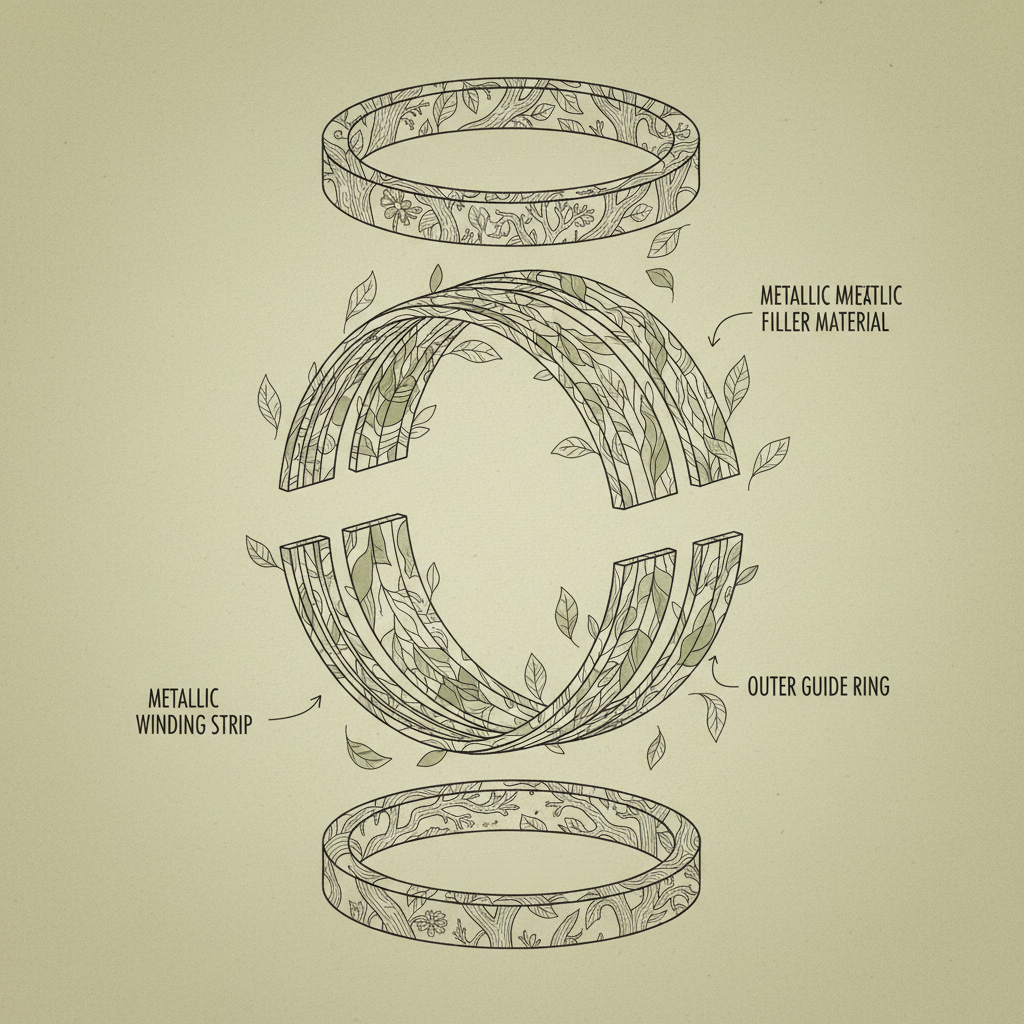
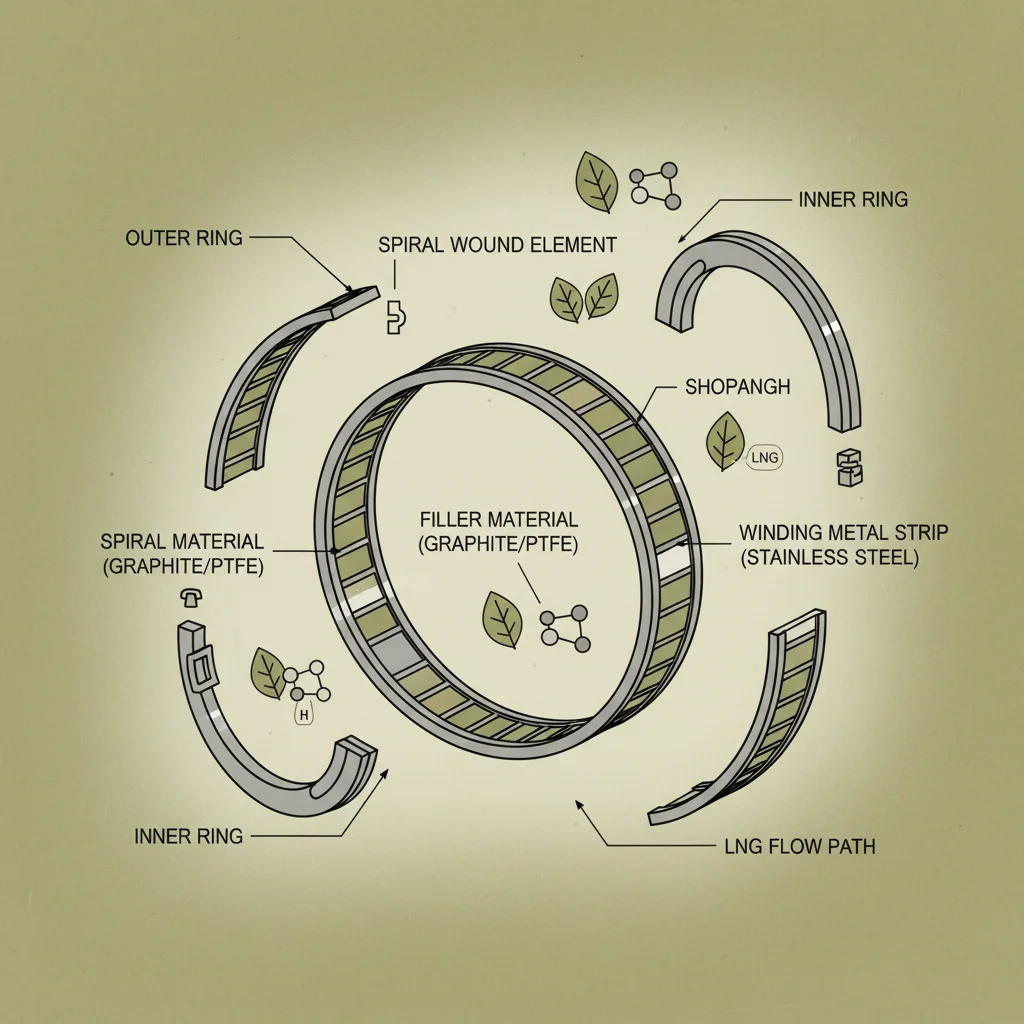
EN 1514-2 Spiral wound gasket

The Rising Demand and Industry Trends

EN 1514-2 Spiral wound gasket

Honestly, it's all about reliability now. Everyone's chasing efficiency, and any shutdown costs a fortune. That’s where the EN 1514-2 Spiral wound gasket comes in. I encountered this at a petrochemical plant in Tianjin last time - they were using cheaper gaskets and had constant flanging issues. It was a mess.

There's a big push for sustainable materials too, which is good, but often comes with a price increase. Everyone wants "green," but they still need it to work. The price of carbon steel is creeping up, so people are looking at stainless and even specialty alloys. It’s a balancing act, you know?

Design Pitfalls and Common Mistakes

Strangely enough, the biggest problem isn't the gasket itself; it's the flange design. People underestimate the importance of surface finish. Rough surfaces mean uneven compression, and that means leaks. I've seen flanges that were practically hand-welded… no wonder they failed!

Another common mistake is over-tightening. You crush the gasket, it loses its resilience, and it doesn't seal properly. It seems counterintuitive, right? But too much force is just as bad as not enough. Proper torque control is essential.

And don't even get me started on incorrect gasket selection for the application. Using a gasket rated for 100 PSI on a 500 PSI system… well, that’s just asking for trouble. It’s basic stuff, but people cut corners.

Materials: Beyond the Datasheet

Okay, so you've got your 304 and 316 stainless steel, obviously. But it’s not just about the grade. The feel of the material matters. Good stainless has a certain weight to it, a smooth finish. Cheap stuff feels… flimsy. And the smell when you machine it? You can tell a lot just from the smell.

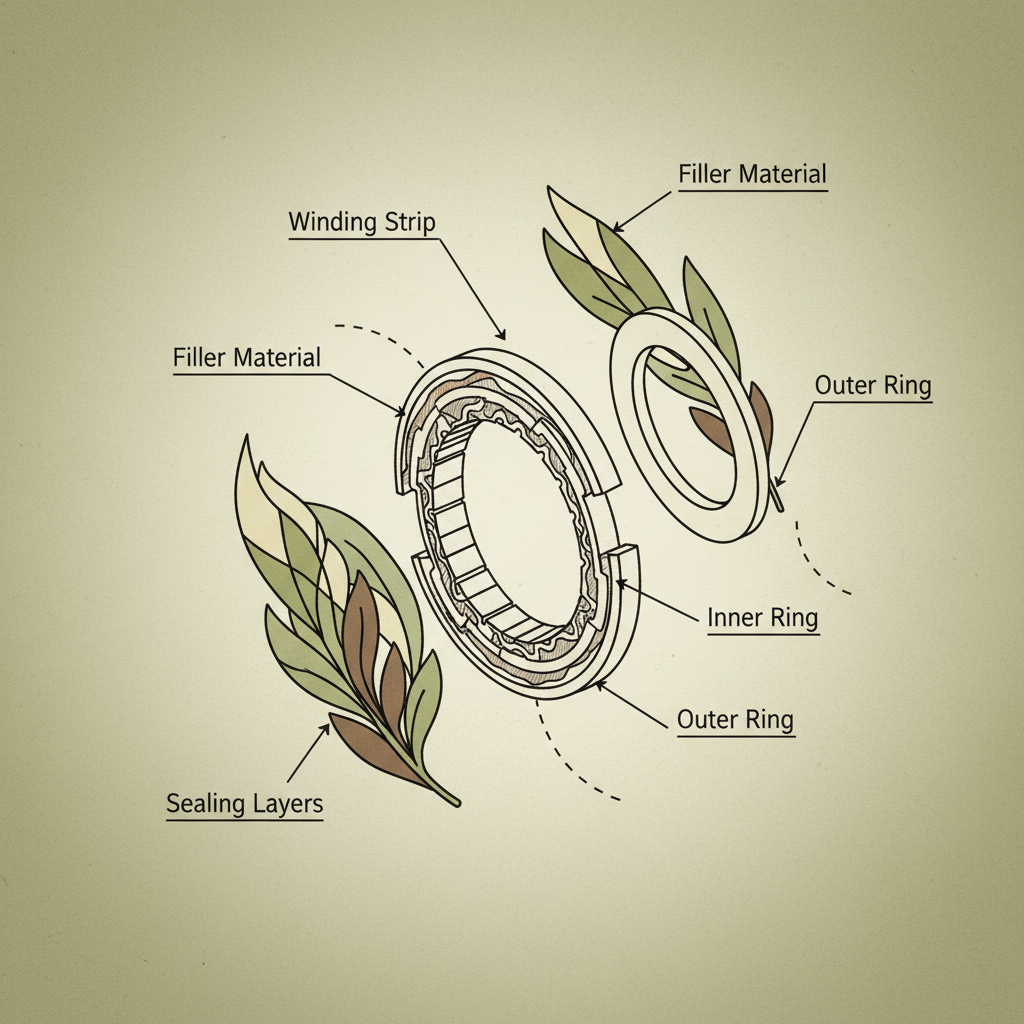
Then you get into the filler materials – graphite, PTFE, ceramic. Each has its own quirks. Graphite is great for high temperatures, but it can be messy. PTFE is chemically inert, but it creeps under pressure. You really need to understand the application to choose the right combo.

I’ve noticed a lot of people switching to CAM profile gaskets lately, especially for critical applications. They're a bit more expensive, but the sealing performance is significantly better. You get a solid metal-to-metal seal, which is really important when dealing with hazardous fluids.

Real-World Testing and Performance

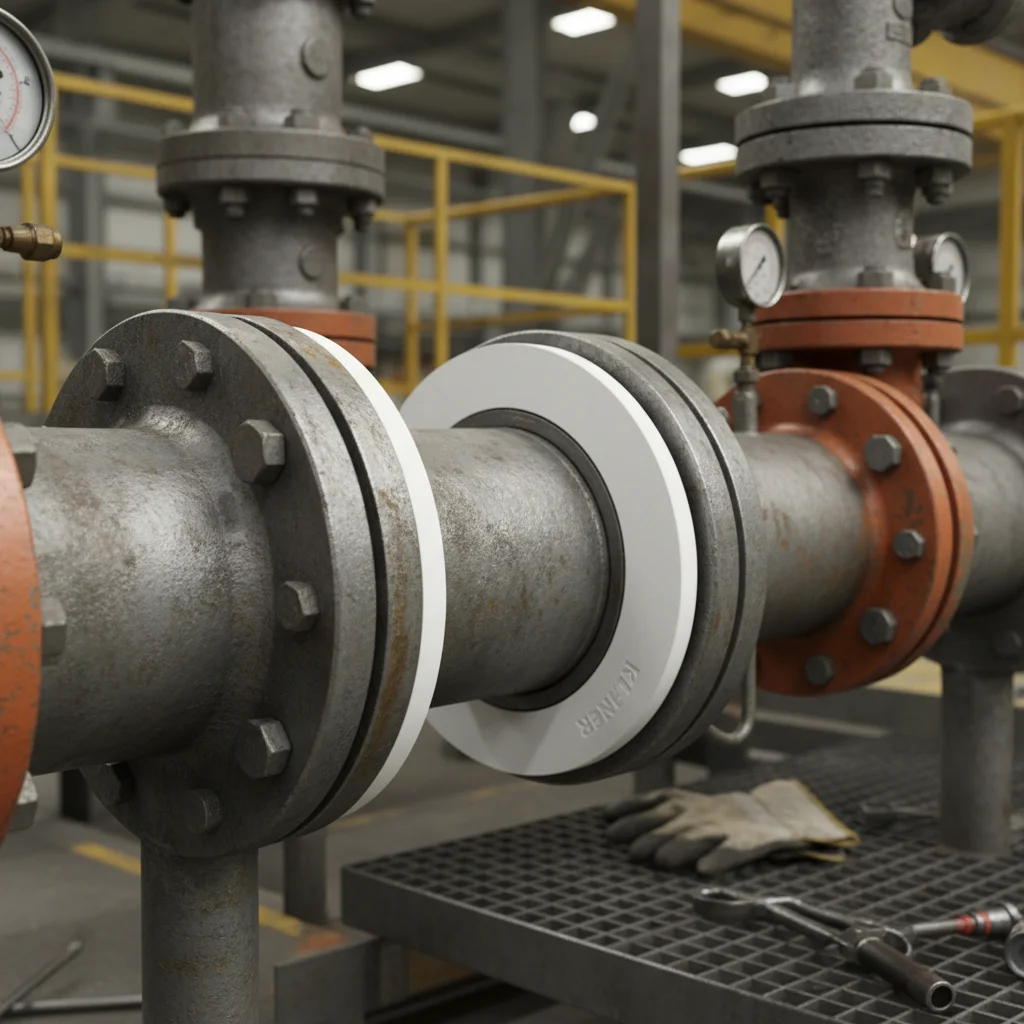
Forget the lab tests. The real test is on-site, under actual operating conditions. We’ve started doing hydro testing on assembled flanges with the EN 1514-2 Spiral wound gasket installed. Pressure test for 24 hours, look for any signs of leakage. It's a pain, takes time, but it's the only way to be sure.

EN 1514-2 Spiral wound gasket Performance Indicators

How They're Actually Used on Site

You wouldn't believe how often guys just grab the first gasket they see and slap it on. No checking the specs, no torque wrench… just brute force. It drives me crazy! They don't realize that a tiny bit of care upfront can save them hours of troubleshooting later.

And the conditions! Mud, grease, extreme temperatures… these gaskets are getting abused. They’re not sitting in a climate-controlled lab. They’re out in the real world, taking a beating. That's why you need something robust, something that can handle the abuse.

Advantages, Disadvantages, and Customization

The EN 1514-2 Spiral wound gasket’s biggest advantage? It can handle a wide range of pressures and temperatures. It’s also relatively forgiving to flange imperfections. But they're not perfect. They can be expensive, especially for larger sizes. And if the filler material gets contaminated, it can fail.

Customization is key. Last month, that small boss in Shenzhen who makes smart home devices insisted on changing the interface to , and the result was needing a bespoke gasket with a very tight tolerance to fit the new flange design. It caused a two-week delay, but he was adamant. People always want something different. Anyway, I think it’s worth it to get the specifications perfect.

A Customer Story and Lessons Learned

I was at a refinery in Saudi Arabia a few years back, and they were having serious leakage problems with their heat exchangers. They were using standard gaskets, and they kept failing. We switched them to a custom-designed EN 1514-2 Spiral wound gasket with a special alloy and a tighter winding, and the leaks stopped. Completely stopped.

But the real lesson was communication. The engineers hadn't properly communicated the operating conditions to the gasket supplier. They were underestimating the temperature and pressure fluctuations. It was a simple mistake, but it cost them a lot of money and downtime.

So, the biggest takeaway is: talk to your supplier. Tell them everything. Don’t assume they know what you need. And for goodness sake, use a torque wrench!

Summary of Key Factors Affecting EN 1514-2 Spiral Wound Gasket Performance

Gasket Material Flange Surface Finish Tightening Torque Operating Temperature/Pressure
Graphite/SS316 125 µin Ra 80 Nm 200°C / 100 bar
PTFE/SS304 63 µin Ra 60 Nm 100°C / 50 bar
Ceramic/Alloy20 32 µin Ra 100 Nm 400°C / 200 bar
Graphite/Inconel 125 µin Ra 120 Nm 600°C / 300 bar
PTFE/Hastelloy 63 µin Ra 50 Nm 150°C / 75 bar
CAM Profile/SS316 32 µin Ra 90 Nm 250°C / 150 bar

FAQS

What is the typical lifespan of an EN 1514-2 Spiral wound gasket in a standard pipe flange application?

It really depends on the service conditions - temperature, pressure, media, etc. But generally, you're looking at anywhere from 2-5 years, potentially longer with proper maintenance. If it’s a corrosive environment or subject to high thermal cycling, you'll likely see a shorter lifespan. Don't expect miracles. Regular inspection is key.

Can EN 1514-2 Spiral wound gaskets be reused after dismantling a flange?

Honestly, I wouldn’t recommend it. While technically possible, the gasket will likely be compressed and deformed. You risk losing the seal and causing a leak. It’s a false economy. Just replace it. A new gasket is cheap insurance against a major shutdown.

What’s the biggest mistake people make when installing these gaskets?

Over-tightening! Seriously. People think more force equals a better seal, but it actually crushes the gasket. You need to follow the manufacturer’s torque specifications to the letter. And make sure the flange surfaces are clean and free of debris. It’s the little things that matter.

How do EN 1514-2 Spiral wound gaskets perform with fluctuating temperatures?

They’re pretty good, actually. The spiral wound construction allows for some expansion and contraction without losing the seal. But extreme and rapid temperature swings can still cause issues. Choose the right filler material for the temperature range – graphite is a good option for high temps.

Are there any specific tools required for the proper installation of an EN 1514-2 Spiral wound gasket?

Definitely a calibrated torque wrench. You need to be precise. Also, a feeler gauge can be helpful to check the flange surface finish. And a good flashlight to inspect the gasket before installation. Don’t skimp on tools; they pay for themselves in the long run.

Can you customize the outer ring material of an EN 1514-2 Spiral wound gasket for specific applications?

Absolutely. We can use different materials for the centering ring and outer ring depending on the media and temperature. Stainless steel is common, but we also use carbon steel, PTFE, and other materials. It’s all about tailoring the gasket to the specific application.

Conclusion

Ultimately, the EN 1514-2 Spiral wound gasket is a deceptively simple component with a huge impact on the reliability of industrial systems. It’s about more than just materials and dimensions; it’s about understanding the application, proper installation, and regular maintenance. If any of those elements are missing, you’re asking for trouble.

And look, at the end of the day, whether this thing works or not, the worker will know the moment he tightens the screw. He'll feel the compression, see the alignment, and hopefully, not see any leaks. That’s the real test.
Daniel Garcia

Daniel Garcia

Daniel Garcia is the Logistics and Supply Chain Manager at HUITE Sealing. He ensures timely and efficient delivery of our gaskets to clients worldwide. With 12 years of experience in international logistics, Daniel manages all aspects of our supply chain, from raw material sourcing to final product delivery. He is adept at navigating complex import/export regulations and optimizing transportation costs. Daniel is critical in guaranteeing consistent availability of genuine KLINGER and DONIT sheets for our gasket production.
Previous Expert Spiral Wound Gasket Manufacturer Insights for High Performance Sealing
Next Understanding the Increasing Importance of ASME B16.20 Spiral Wound Gaskets

If you are interested in our products, you can choose to leave your information here, and we will be in touch with you shortly.