Guangzhou Huite Sealing Machinery Co., Ltd.



0%
Look, I’ve spent the last twenty years breathing concrete dust and wrestling with pipe fittings. I’ve seen gaskets fail in the field, and when they do, it's a mess – downtime, rework, frustrated crews. That’s why the advancements in Modified PTFE gasket technology aren't just lab improvements to me; they’re solutions to real-world headaches. These aren't your grandfather's gaskets. We're talking about materials engineered to handle extreme temperatures, aggressive chemicals, and sustained pressure – all while minimizing the risk of leaks and failures. It's about keeping projects on schedule and budgets intact.
For too long, we’ve settled for ‘good enough’ when it comes to sealing solutions. Standard PTFE has its place, but it can creep and cold flow under load, leading to eventual failure. Modified PTFE gaskets address these weaknesses directly, offering superior resilience and long-term performance. I’ve personally seen a shift in project timelines and cost savings once teams started consistently opting for these upgraded gaskets. It's about moving beyond reactive maintenance to proactive prevention.
The core of this isn't just about the gasket itself, it's the confidence it gives the whole team. Knowing you’ve got a reliable seal in a critical system allows engineers and operators to focus on what they do best, and it gives project managers a little more peace of mind. It translates to less unexpected downtime, fewer emergency repairs, and ultimately, a more successful project. It's about trust, built from reliable materials.
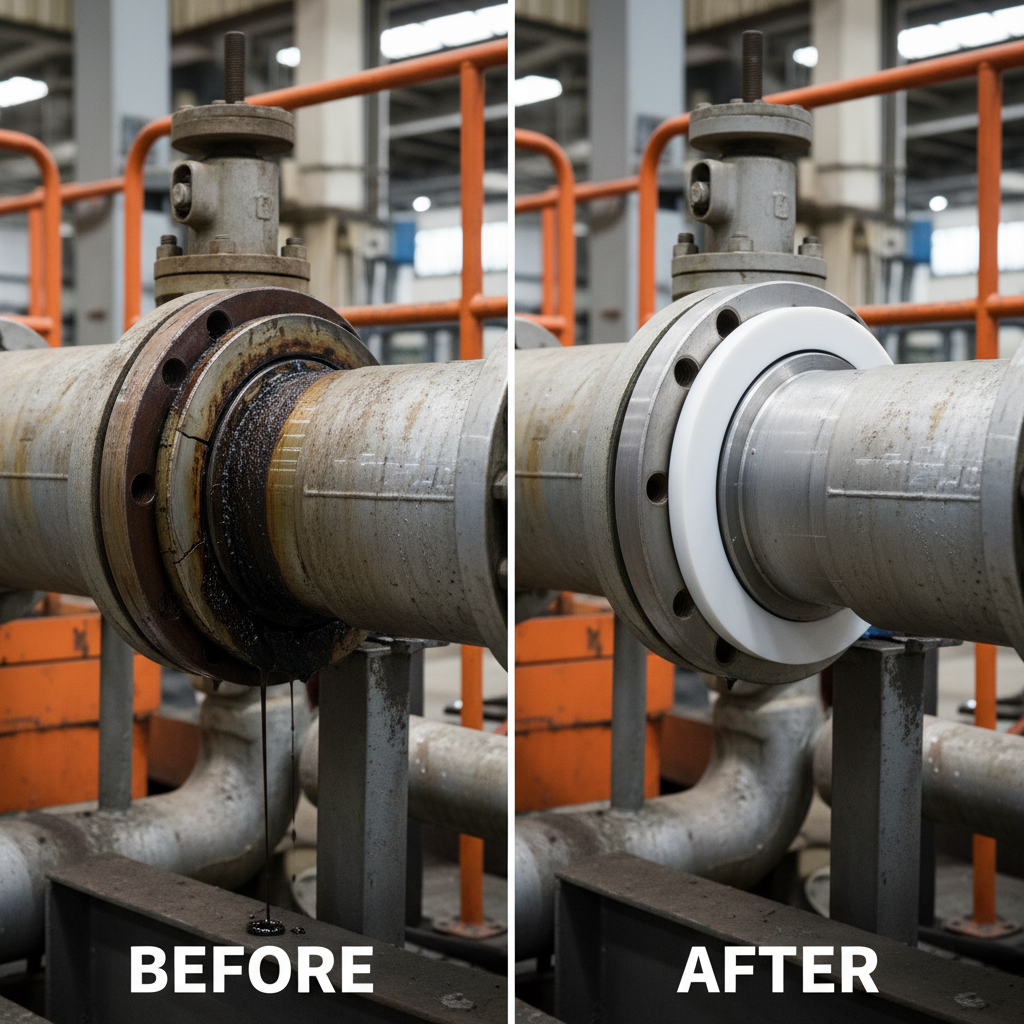
Table of Contents [Hide]
The Practical Advantages of Modified PTFE Gaskets
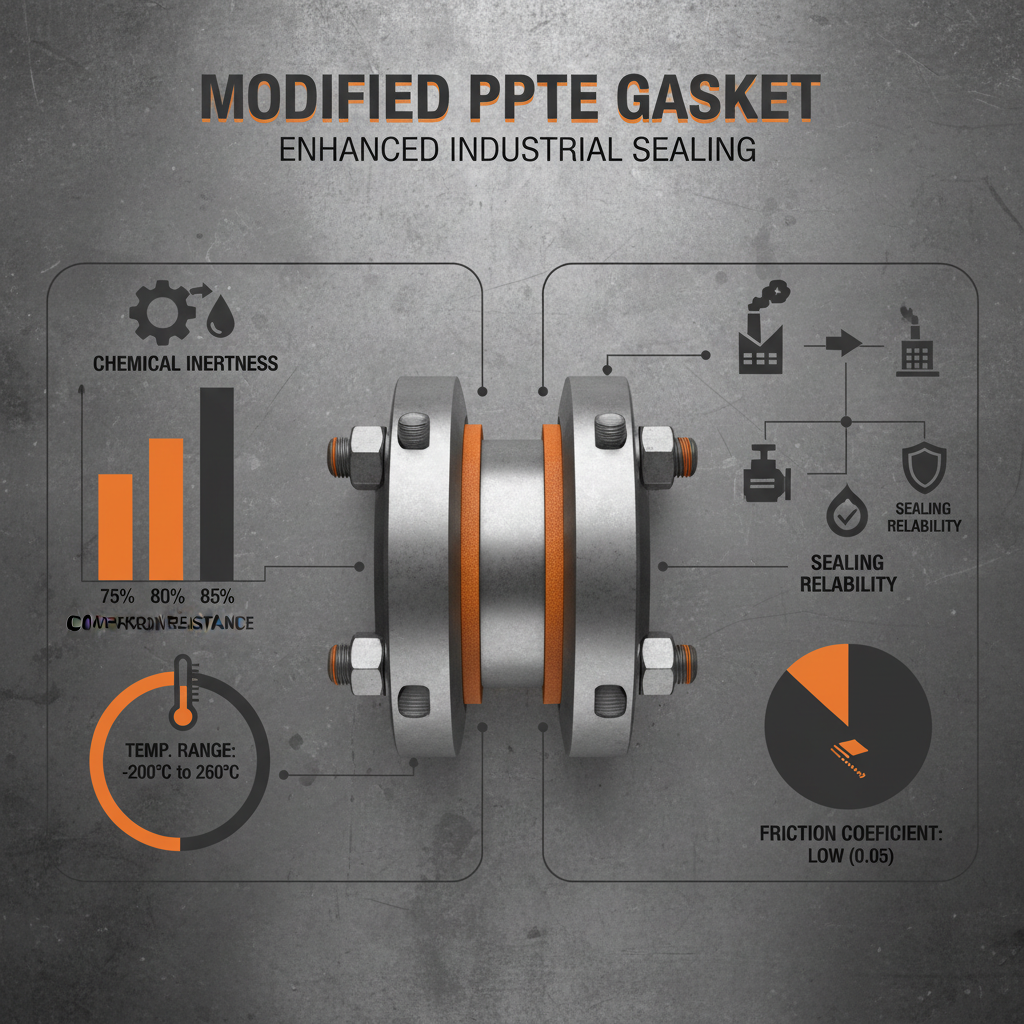
From what I’ve seen on the ground, the biggest advantage is reliability. We’re not chasing leaks and constantly replacing gaskets. Modified PTFE gaskets hold their shape and seal better under pressure and fluctuating temperatures. This means less maintenance, fewer shutdowns, and less wasted material – all things that directly impact the bottom line. You’re saving on labor costs too, because you aren’t constantly sending guys back to address seal failures.
Beyond that, the extended lifespan really sets them apart. I've pulled gaskets after years of continuous service that still looked practically new. That kind of durability just isn’t achievable with standard materials, especially in harsh environments. Think about the long-term cost savings – it's a significant investment that pays for itself quickly.
FAQS
What are the key differences between modified and standard PTFE gaskets?
Modified PTFE gaskets incorporate fillers like glass, carbon, or bronze to improve properties such as creep resistance, temperature stability, and chemical compatibility. Standard PTFE is more susceptible to creep and has a lower operating temperature range. The fillers add strength and rigidity, making them more reliable in demanding applications. It's not just about the material, it's about the performance you gain.
How do I select the right filler for my specific application?
The best filler depends on your specific needs. Glass-filled PTFE offers excellent chemical resistance, carbon-filled provides good thermal conductivity, and bronze-filled enhances wear resistance. Consider the operating temperature, the chemicals involved, and the pressure requirements. If you're dealing with highly corrosive chemicals, glass is a good choice. For high-temperature applications, carbon might be better. When in doubt, consult with a materials specialist.
Are modified PTFE gaskets suitable for food and pharmaceutical applications?
Yes, certain formulations of modified PTFE gaskets are FDA-compliant and suitable for use in food and pharmaceutical processing. These formulations are manufactured using materials that meet strict purity standards and are non-toxic. Always verify that the gasket you choose has the appropriate certifications and approvals for your specific application. It’s critical to have traceability.
How does temperature affect the performance of modified PTFE gaskets?
Modified PTFE gaskets generally perform well across a wide temperature range, typically from -200°C to 260°C or higher depending on the filler material. However, extreme temperatures can still affect their properties. High temperatures can lead to creep, while low temperatures can make the material more brittle. Choose a formulation that's specifically designed for your operating temperature range.
What is the expected lifespan of a modified PTFE gasket?
The lifespan of a modified PTFE gasket varies depending on the application, operating conditions, and the quality of the gasket. However, they typically last significantly longer than standard PTFE gaskets. With proper installation and maintenance, a modified PTFE gasket can provide reliable service for several years, reducing downtime and maintenance costs. Regular inspections are still recommended.
Are these gaskets compatible with different flange materials?
Generally yes. Modified PTFE is chemically inert and compatible with a wide range of flange materials including stainless steel, carbon steel, and various alloys. However, it’s always best practice to verify compatibility based on the specific flange material and operating conditions, especially when dealing with unusual alloys or extreme temperatures. Proper flange surface finish is also crucial for a good seal.
Conclusion
In short, Modified PTFE gaskets represent a significant advancement in sealing technology. They offer superior performance, durability, and reliability compared to standard PTFE gaskets, leading to reduced maintenance costs, increased uptime, and improved safety. It’s a simple upgrade that can have a huge impact on project success, especially in demanding applications.
Looking ahead, continued innovation in filler materials and smart gasket technology will further enhance the capabilities of modified PTFE. Investing in these advanced sealing solutions isn’t just about solving today’s problems; it's about building a more reliable and sustainable future for industries worldwide. Don't settle for "good enough" – choose a gasket that's engineered to perform.
Related Posts
-
KLINGER softchem Revolutionizing Flexible Infrastructure and Rapid Deployment Solutions
-
Understanding API 6FB Spiral Wound Gasket Design and Practical Applications
-
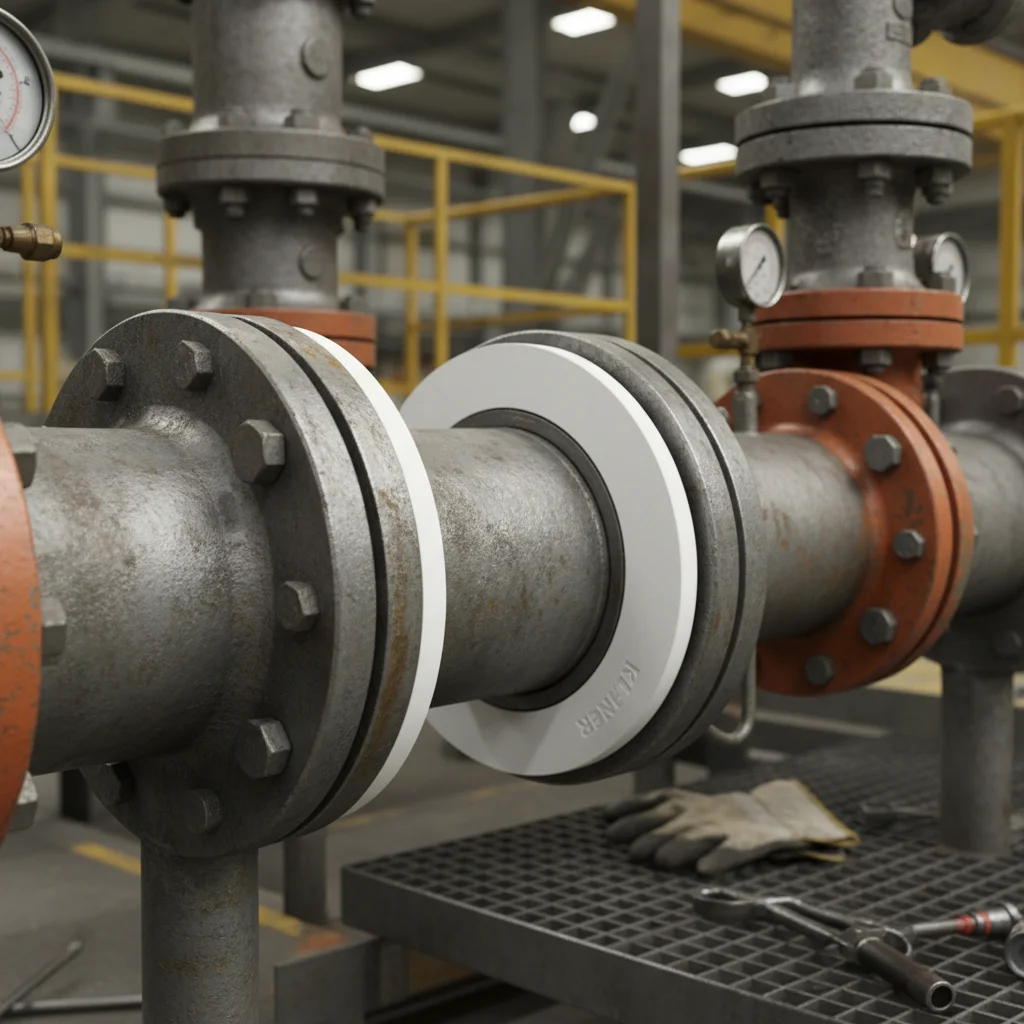
KLINGER PTFE Gasket Solutions for Reliable Industrial Sealing
-
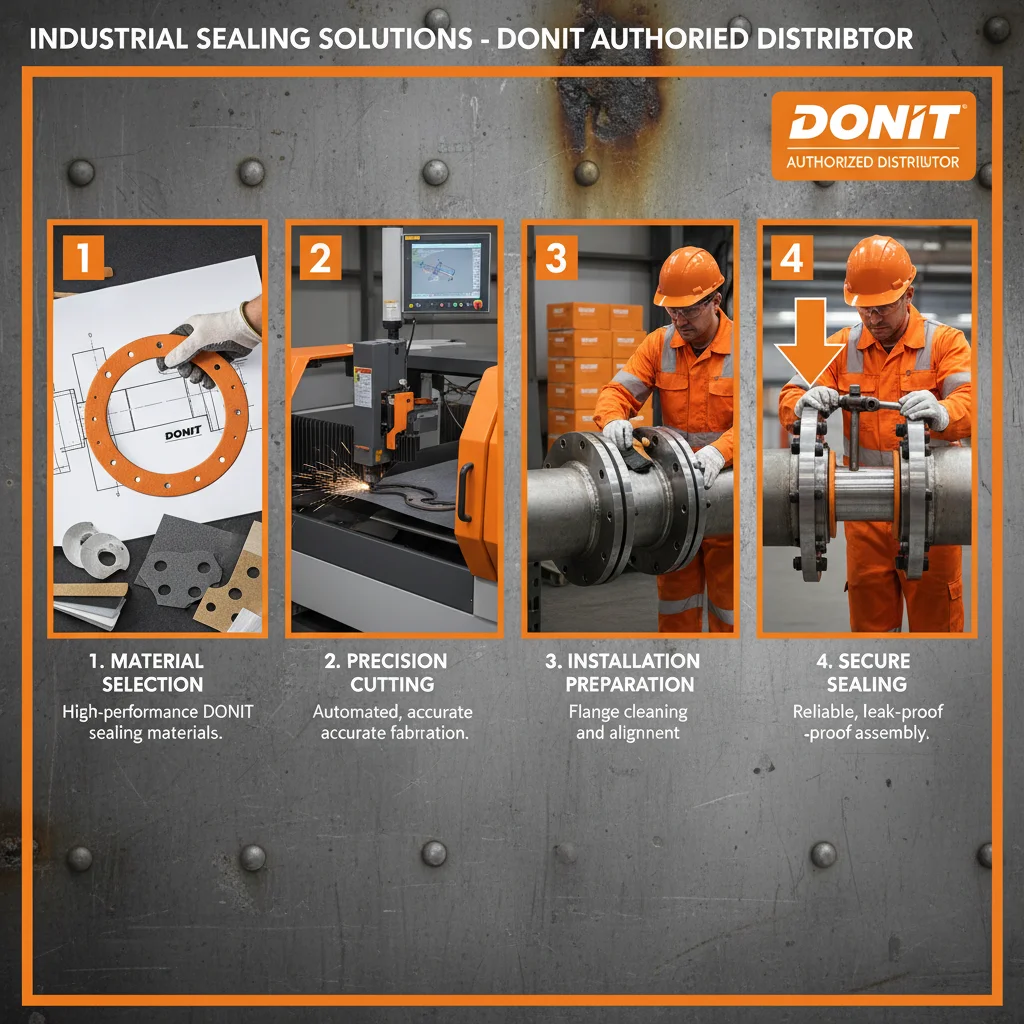
DONIT authorized distributor in china Powers Industrial Growth and Reliability
Updated:

David Miller
David Miller is a Senior Application Engineer at HUITE Sealing, bringing over 15 years of experience in industrial sealing solutions. He specializes in gasket selection and implementation for the Oil & Gas and Power Generation sectors. David holds a Bachelor’s degree in Mechanical Engineering and is a certified KLINGER specialist. He’s been instrumental in adapting our spiral wound gaskets for demanding high-pressure applications, contributing significantly to projects involving critical infrastructure. He frequently authors technical articles for industry publications and enjoys collaborating with clients to optimize their sealing performance. David is a key point of contact for complex sealing challenges.


