Guangzhou Huite Sealing Machinery Co., Ltd.


0%
Look, I've been running around construction sites all year, dealing with this stuff firsthand. Honestly, everyone’s talking about digital twins now, and how everything’s gotta be “smart.” But let me tell ya, a smart gasket doesn’t mean a thing if it leaks. We’re seeing a real push for longer service intervals, less maintenance... which sounds great on paper. But it puts even more pressure on the initial quality, you know?
You wouldn't believe the number of times I’ve seen engineers overthink the flange design. They get so caught up in the calculations, they forget about the realities of a shop floor. You need something robust, something a wrench monkey can actually work with. It's all about practicality. I swear, sometimes they design these things to be theoretically perfect but totally impossible to install without a crane.
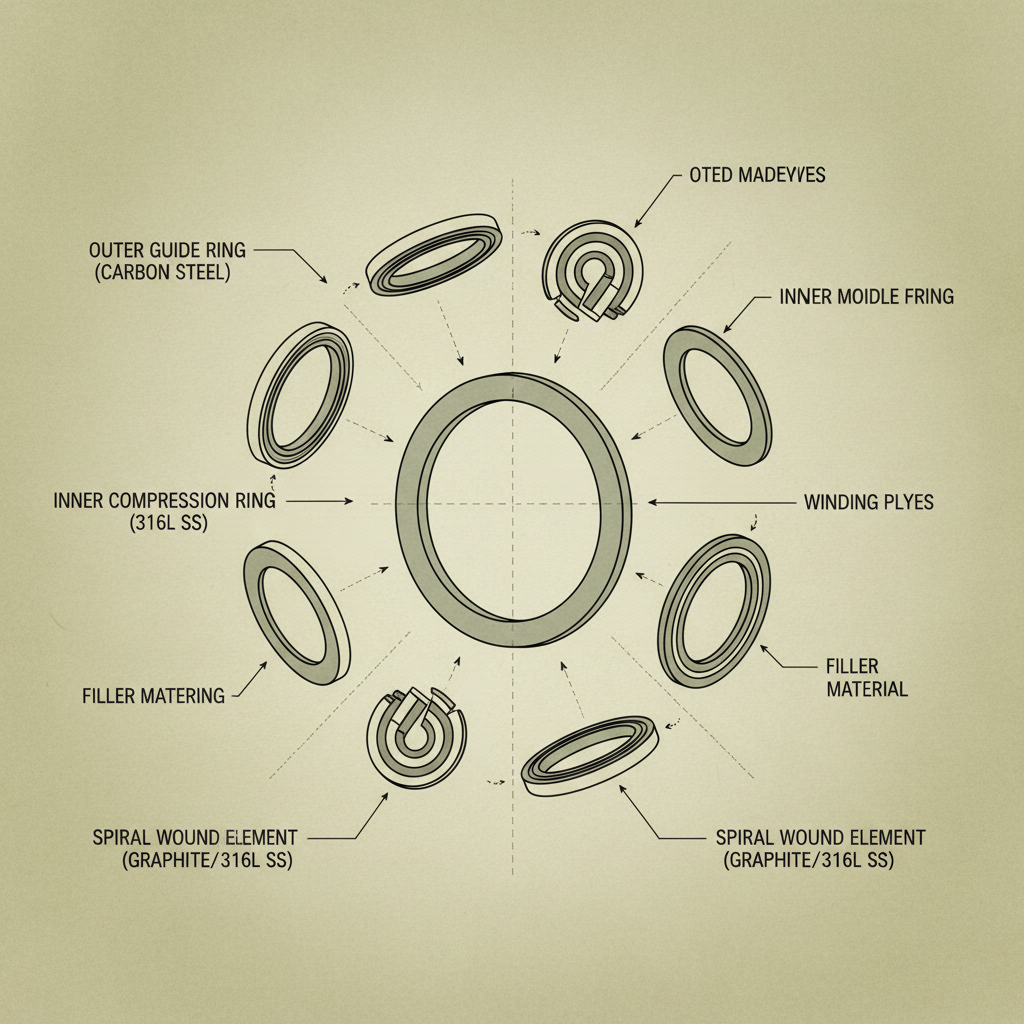
Table of Contents [Hide]
The Latest Trends and Common Pitfalls in API 6FB Spiral wound gasket Design
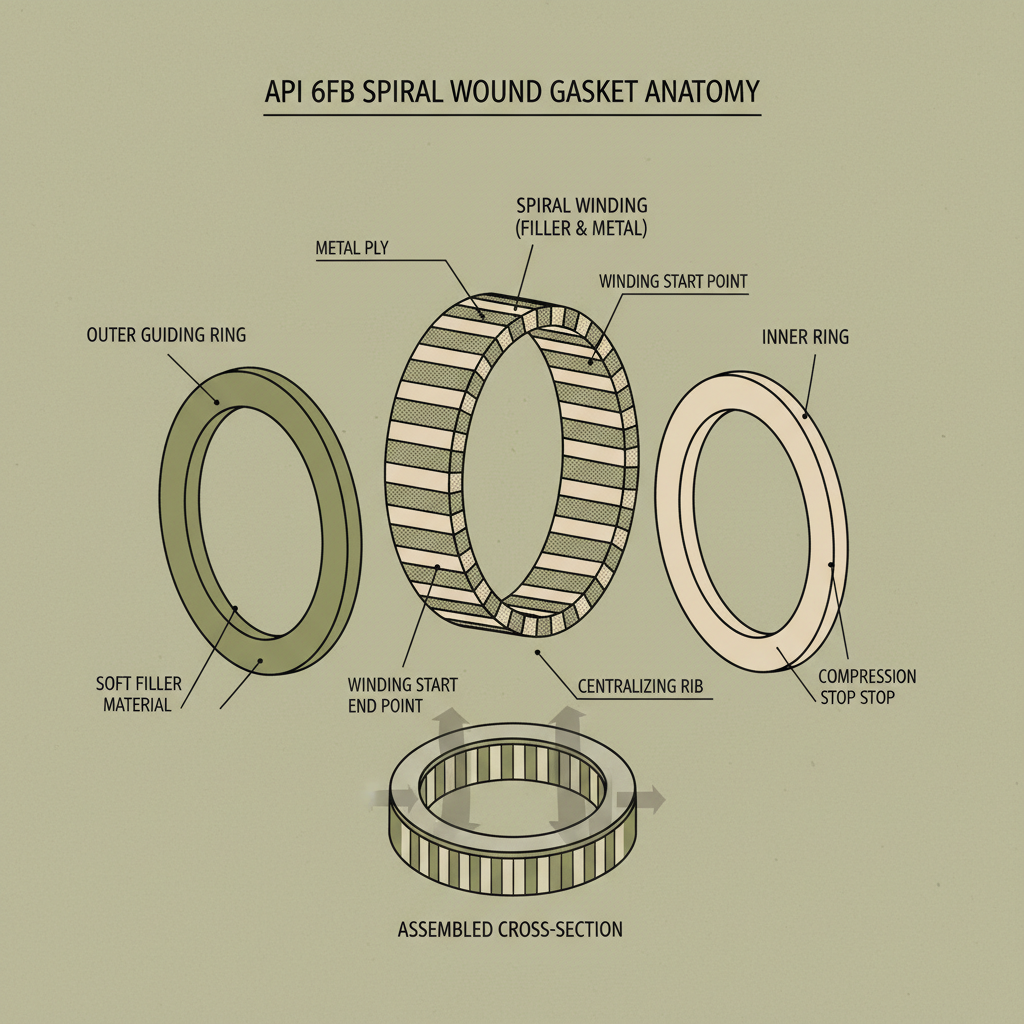
Have you noticed? Everyone wants high-performance polymers these days. It's good stuff, don’t get me wrong, but it's also more expensive. And frankly, sometimes the old stuff just works. I saw a job last year where they tried to go super-high-tech with a new composite material, and it just delaminated after six months. Six months! Went back to good ol’ graphite and stainless steel, and everything was fine.
The biggest pitfall? Trying to save a few pennies on the winding ring material. It seems like a small thing, but it’s where everything starts to go wrong. You get cheap metal, it corrodes, you get leaks. It's a false economy, trust me. We’ve been dealing with API 6FB Spiral wound gasket for years.
FAQS
What's the most common mistake people make when installing an API 6FB Spiral wound gasket?
Honestly, it's over-tightening. They think they’re making it more secure, but they’re actually crushing the gasket and reducing its effectiveness. You need to follow the manufacturer’s torque specifications. A little snug is good, but don’t go crazy. It’s like tightening a bolt on your car – too much and you strip the threads.
How do I choose the right filler material for my application?
It depends on the fluid you’re sealing and the temperature. PTFE is good for most chemicals, but it’s not ideal for high temperatures. Graphite is better for high temperatures, but it can be more susceptible to oxidation. Mica is good for extreme temperatures and pressures, but it’s also more fragile. It's best to consult the manufacturer's data sheet. Don’t just guess.
Can I reuse an API 6FB Spiral wound gasket?
I strongly advise against it. Unless it’s a very low-pressure application and the gasket is in perfect condition, you’re just asking for trouble. The gasket compresses during installation, and it won’t seal as effectively the second time around. It's just not worth the risk. A new gasket is cheap insurance.
What’s the difference between a standard and a camprofile gasket?
A camprofile gasket has a solid metal core that provides extra strength and resilience. It’s designed for applications with high pressures and temperatures, or for flanges that are prone to distortion. It’s more expensive than a standard spiral wound gasket, but it can last much longer. Think of it like the heavy-duty version.
How important is the outer ring material?
Very important. The outer ring centers the gasket and provides compression. A weak outer ring can lead to uneven pressure distribution and leaks. Stainless steel is the most common material, but carbon steel is also used in some applications. It really depends on the flange material and the operating conditions.
What should I do if I suspect a spiral wound gasket is leaking?
First, check the flange bolts to make sure they’re properly tightened. Then, visually inspect the gasket for any signs of damage or corrosion. If you can’t identify the source of the leak, you’ll need to replace the gasket. Don’t try to patch it up – it’s just a temporary fix.
Conclusion
So, to wrap it up, API 6FB Spiral wound gasket are workhorses. They’re not glamorous, they’re not high-tech, but they get the job done. Choosing the right material, installing it correctly, and maintaining it properly are all crucial. Don’t skimp on quality, don’t cut corners, and always prioritize safety.
Ultimately, whether this thing works or not, the worker will know the moment he tightens the screw. And that's all that really matters. If you’re looking for reliable API 6FB Spiral wound gasket, or have questions about your specific application, visit our website – we’ve seen it all, and we're happy to help.
Related Posts
-
KLINGER softchem gasket Advanced Sealing Solutions for Diverse Industries
-
DONIFLON 2020 gasket Revolutionizing Sealing Performance Across Industries
-
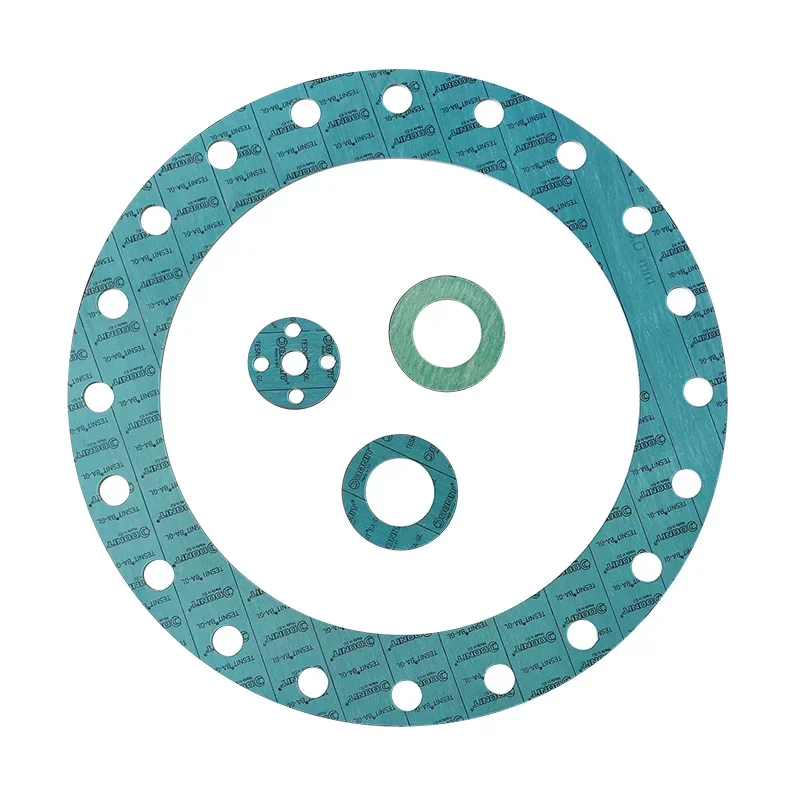
DONIT Authorized Distributor from China Supplying Marine and Offshore Gasket Solutions
-

Comprehensive Guide to API 6FB Spiral Wound Gasket Applications and Selection
Updated:

David Miller
David Miller is a Senior Application Engineer at HUITE Sealing, bringing over 15 years of experience in industrial sealing solutions. He specializes in gasket selection and implementation for the Oil & Gas and Power Generation sectors. David holds a Bachelor’s degree in Mechanical Engineering and is a certified KLINGER specialist. He’s been instrumental in adapting our spiral wound gaskets for demanding high-pressure applications, contributing significantly to projects involving critical infrastructure. He frequently authors technical articles for industry publications and enjoys collaborating with clients to optimize their sealing performance. David is a key point of contact for complex sealing challenges.


