Guangzhou Huite Sealing Machinery Co., Ltd.



0%
Look, I’ve spent the last fifteen years crawling around construction sites, getting my hands dirty with everything from concrete mixes to high-tech polymers. And let me tell you, a reliable seal is everything. You can have the best design, the best materials, but if your gaskets fail, you’re looking at costly downtime, environmental headaches, and a whole lot of rework. That's where a good Low temperature Modified PTFE gasket comes in. It’s not glamorous, but it’s the backbone of keeping things running smoothly, especially in demanding environments.
We’re talking about situations where temperature swings are brutal, chemical exposure is constant, and the consequences of failure are significant. I've seen projects stalled for weeks over gasket issues. It’s not just about preventing leaks; it’s about maintaining system integrity and ensuring long-term operational efficiency. And frankly, a lot of standard PTFE just doesn't cut it when you're dealing with really cold temperatures or aggressive media.
What I appreciate, and what I've seen consistently deliver on-site, is the performance boost you get from a modified PTFE formulation. It's a subtle difference in the material science, but a massive difference in real-world reliability. You need something that can maintain its seal under stress, and that's what these gaskets are designed to do.
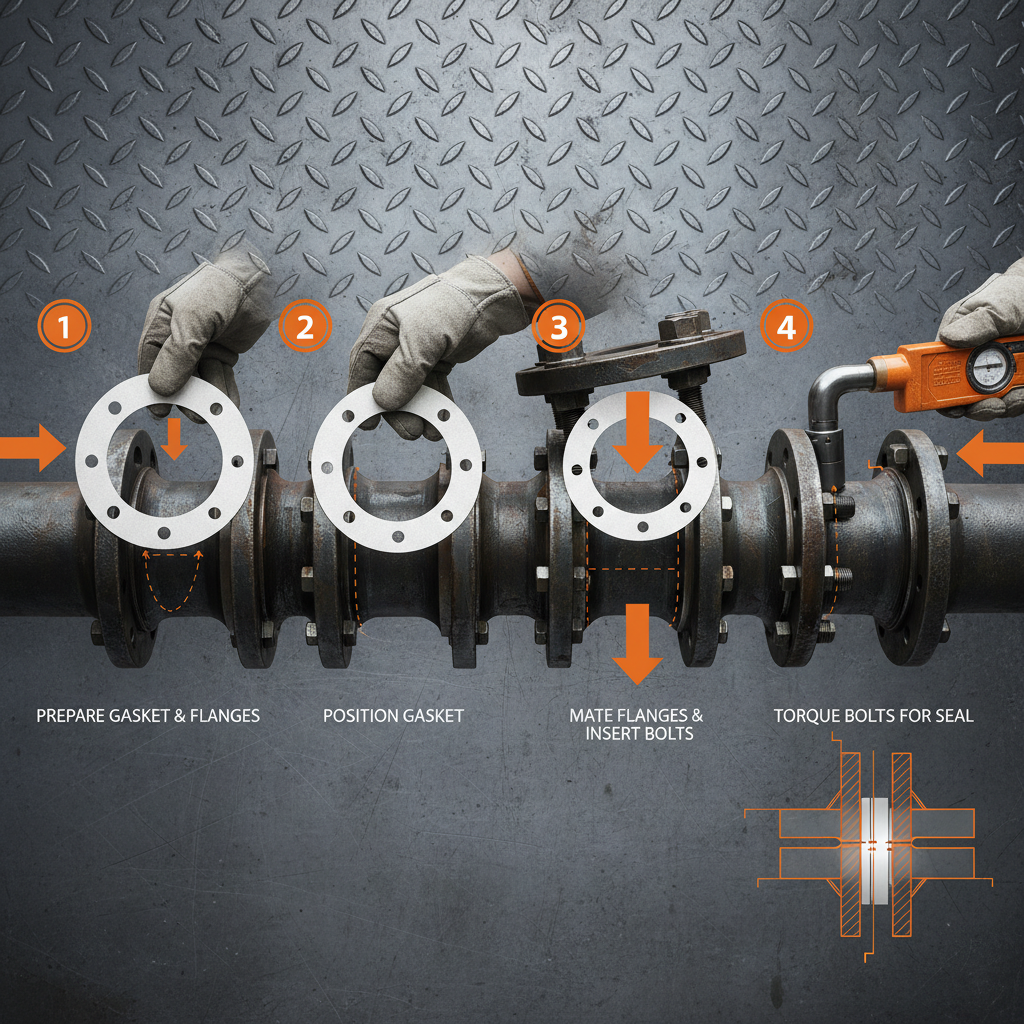
Table of Contents [Hide]
The Importance of Low temperature Modified PTFE gasket
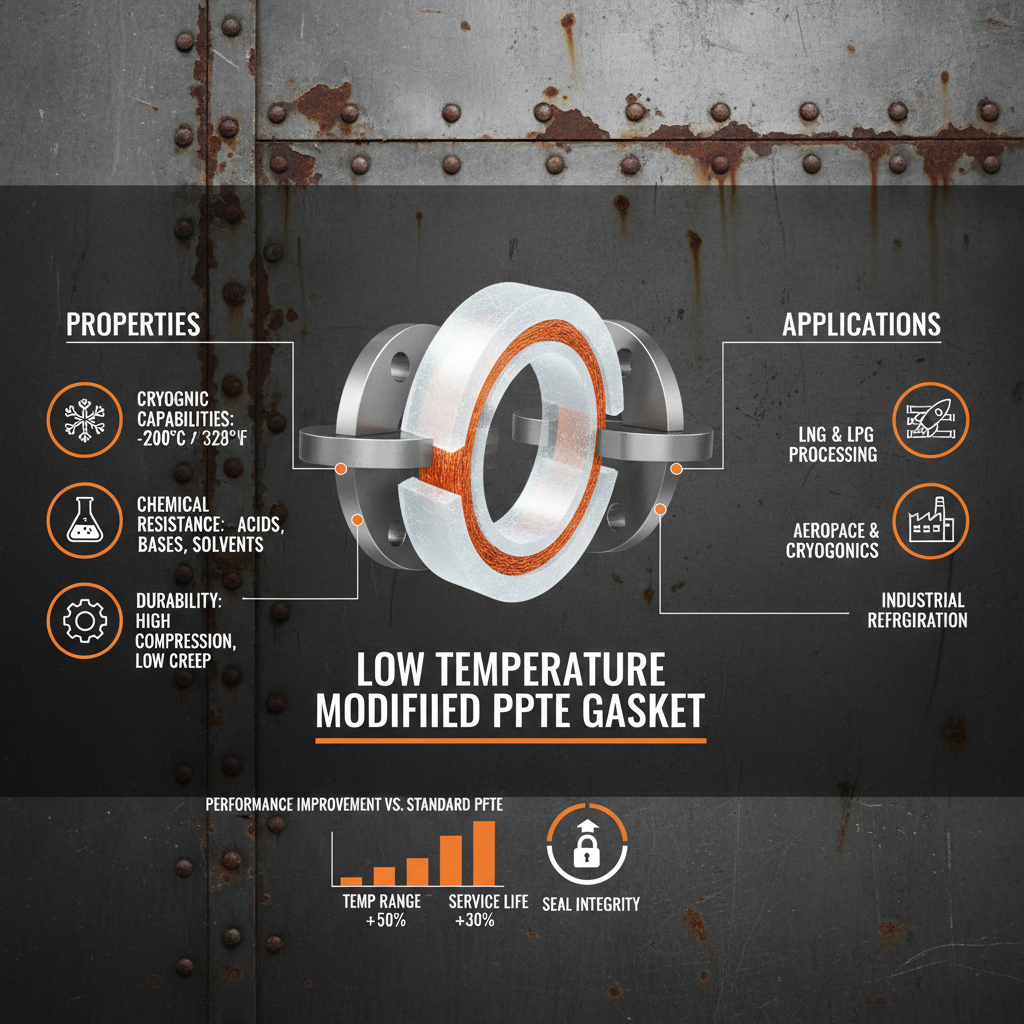
From oil refineries to chemical processing plants, the reliability of sealing components isn’t just a detail—it's a fundamental requirement for safe and efficient operations. The global cost of leaks and failures in these systems runs into billions annually. According to ISO standards, proper sealing is crucial for minimizing environmental impact and ensuring worker safety. A Low temperature Modified PTFE gasket addresses a critical need in environments where standard materials simply don't hold up.
We're seeing more demanding applications all the time, particularly in industries pushing the boundaries of process temperatures and chemical compatibility. This demands gasket materials capable of enduring extreme conditions, and that’s where the advancements in modified PTFE really shine. It's no longer about just preventing leaks; it’s about extending service life and reducing the frequency of costly replacements.
FAQS
What are the key advantages of Low temperature Modified PTFE gaskets over standard PTFE gaskets in cold environments?
Standard PTFE gets brittle and loses its sealing ability at lower temperatures. Modified PTFE incorporates fillers that maintain its flexibility and resilience, ensuring a reliable seal even in extremely cold conditions. This prevents leaks and downtime, especially important in cryogenic applications or outdoor installations. We've seen a significant improvement in long-term performance in these situations.
How do I determine the correct Low temperature Modified PTFE gasket for my specific application?
It's crucial to consider the process fluid, temperature range, pressure, and flange surface finish. We recommend consulting with a materials engineer or gasket specialist to analyze your specific requirements. Providing detailed information about your operating conditions will ensure you select a gasket that's chemically compatible and can withstand the stresses it will encounter. We offer guidance and assistance to help you make the right choice.
Are Low temperature Modified PTFE gaskets suitable for food and pharmaceutical applications?
Yes, certain formulations of Low temperature Modified PTFE gaskets are FDA-compliant and meet the stringent hygiene standards required for food and pharmaceutical processing. These gaskets are chemically inert, non-toxic, and easy to clean, preventing contamination and ensuring product purity. Always verify the specific gasket material meets the necessary regulatory requirements.
What is the typical lifespan of a Low temperature Modified PTFE gasket?
The lifespan varies significantly depending on the application and operating conditions. However, modified PTFE gaskets generally last much longer than standard PTFE gaskets, especially in demanding environments. Regular inspections and preventative maintenance can further extend their service life. Typically, you can expect several years of reliable performance before replacement is necessary.
How do Low temperature Modified PTFE gaskets compare in cost to other high-performance gasket materials?
While the initial cost of a modified PTFE gasket may be higher than some alternatives, the long-term benefits often outweigh the upfront investment. The reduced risk of failure, extended service life, and minimized downtime translate into significant cost savings. When you factor in the cost of lost production and environmental remediation, modified PTFE becomes a very cost-effective solution.
What maintenance procedures are recommended for Low temperature Modified PTFE gaskets?
Regular visual inspections are key. Look for any signs of cracking, swelling, or deformation. Ensure the flange surfaces are clean and free of debris. Follow proper tightening procedures to avoid over-compression, which can damage the gasket. Implementing a preventative maintenance schedule will help you identify and address potential issues before they lead to failure.
Conclusion
In short, Low temperature Modified PTFE gasket aren't just a component, they’re an investment in reliability, safety, and long-term operational efficiency. They address a critical need in challenging environments where standard materials simply fall short. From preventing costly downtime to ensuring environmental protection, these gaskets play a vital role in keeping industries running smoothly.
The future of sealing technology is focused on smarter materials and proactive maintenance. By embracing innovation and choosing the right materials for the job, we can build more resilient and sustainable industrial systems. If you're facing sealing challenges in demanding conditions, don't hesitate to explore the benefits of modified PTFE. It could be the difference between a smooth operation and a costly breakdown. Visit our website at www.gzhtmf.com to learn more.
Related Posts
-
Critical Analysis of EN 15142 Spiral Wound Gaskets for Industrial Applications
-
Global Leading Marine Gasket Manufacturer from China Supporting LNG Carriers and Offshore Platforms
-
Sealing Solutions for Critical Applications Ensuring Reliability
-
Fire Safe Spiral Wound Gaskets from a China Top Manufacturer for Offshore and LNG Applications
Updated:

Robert Chen
Robert Chen serves as the Quality Control Manager at HUITE Sealing, ensuring all products meet stringent ISO 9001, ISO 45001 and ISO 14001 standards. With a background in materials science and over 10 years in quality assurance, Robert oversees the testing and certification of our gaskets, including KLINGER and DONIT products. He's dedicated to maintaining the highest levels of product reliability and consistency. Robert led the implementation of our API 6FB fire testing program, demonstrating our commitment to safety. He focuses on continuous improvement of our quality control processes.


