Guangzhou Huite Sealing Machinery Co., Ltd.



0%
Look, I’ve spent the last twenty years knee-deep in dust and concrete, watching things get built – and sometimes, fail. And if there’s one thing I’ve learned, it’s that the small stuff makes or breaks a project. We’re talking about gaskets, seals, the things you don’t see but without which everything falls apart. That's why understanding the role of a reliable PTFE gasket manufacturer is absolutely critical, not just for engineers, but for anyone serious about long-term durability and avoiding costly downtime. It’s not glamorous, but it's foundational.
Globally, the demand for high-performance sealing solutions is soaring, driven by infrastructure projects, industrial expansion, and increasingly stringent safety regulations. The UN estimates that global infrastructure investment will reach $79 trillion by 2040. ISO standards are consistently raising the bar on material quality and reliability. This isn't just about building more, it's about building better – and that means choosing materials that can withstand harsh environments and prolonged use. A faulty gasket isn’t just a leak; it's a potential safety hazard and a massive expense.
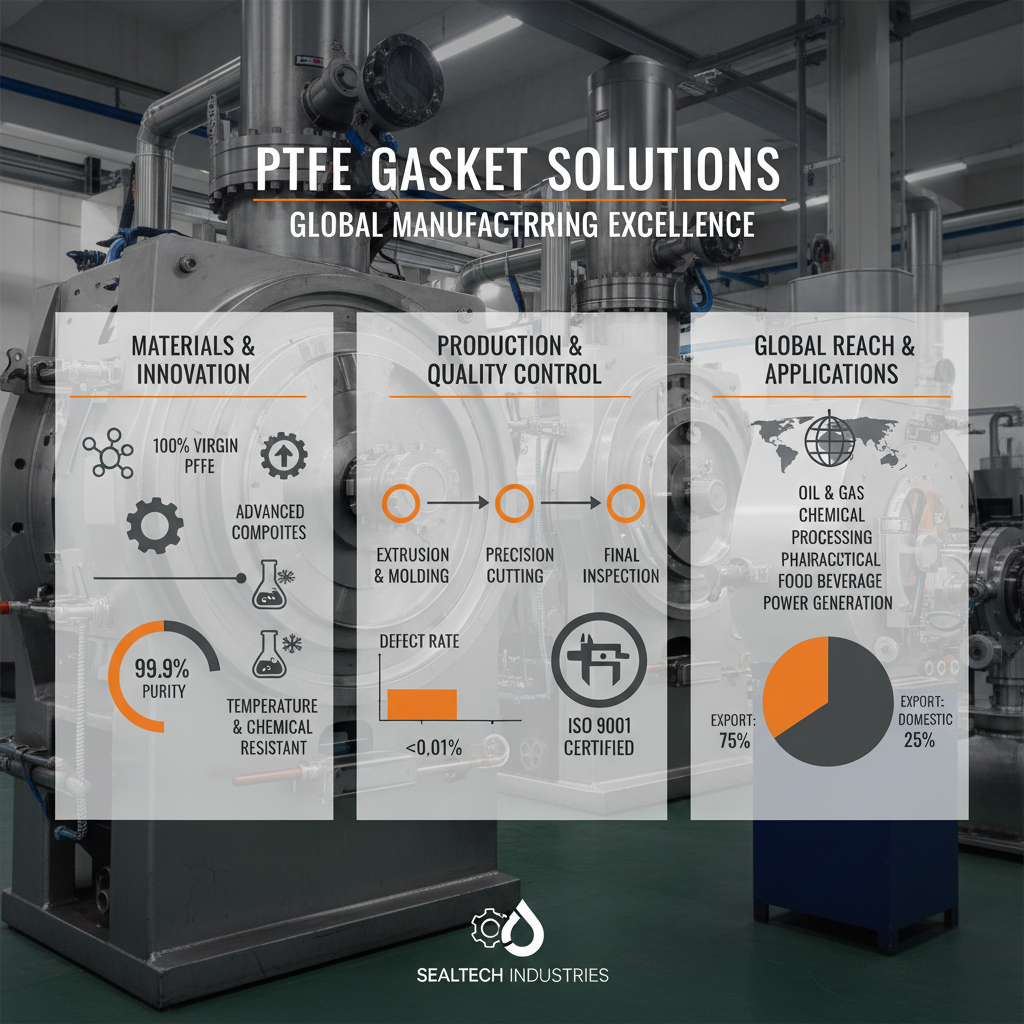
Simply put, a PTFE gasket manufacturer is a company specializing in the design and production of gaskets made from polytetrafluoroethylene (PTFE). PTFE, commonly known as Teflon, is a synthetic fluoropolymer known for its exceptional chemical resistance, high-temperature tolerance, and low friction coefficient. These gaskets are used to create a seal between mating surfaces, preventing leakage of fluids or gases. They’re vital in everything from pipelines and chemical processing plants to automotive engines and aerospace applications, and frankly, they’re becoming essential to our ability to manage resources effectively and operate safely.
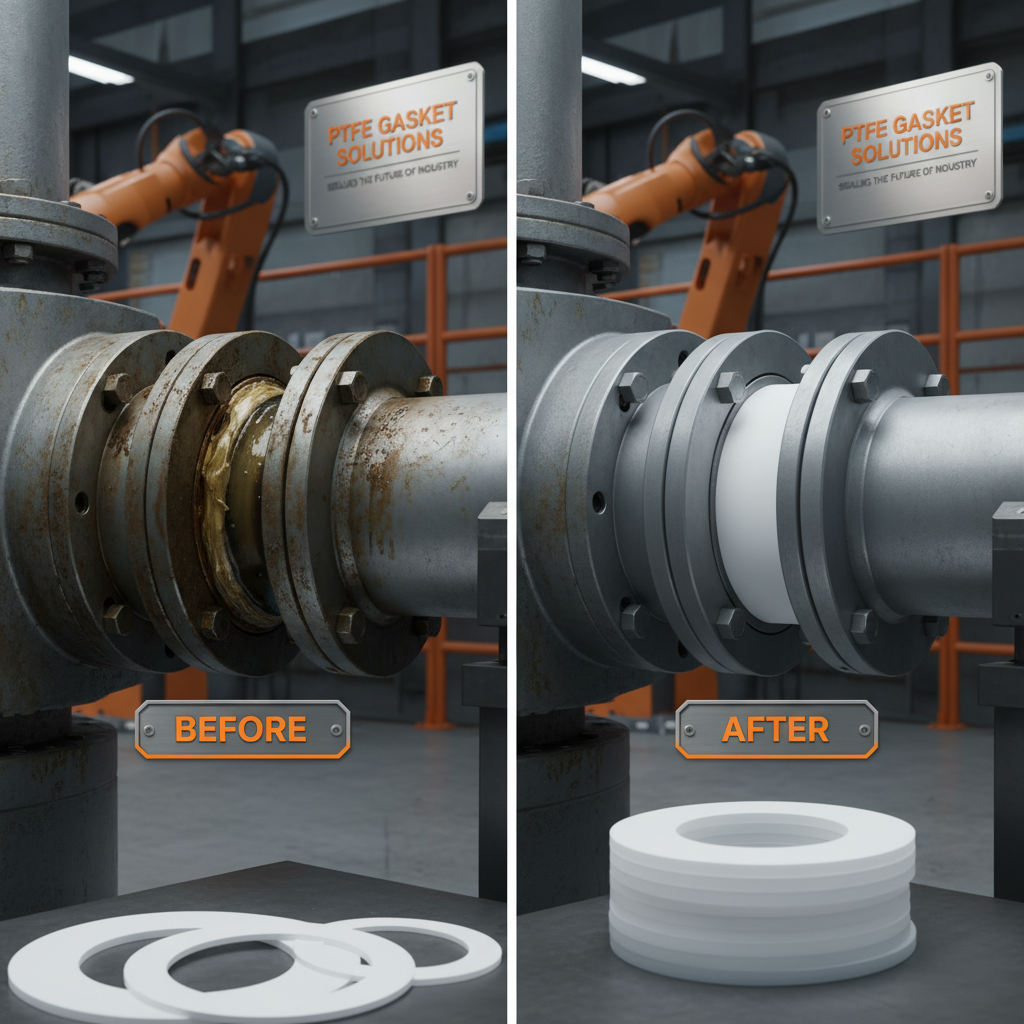
Table of Contents [Hide]
The Importance of PTFE Gaskets in Modern Engineering
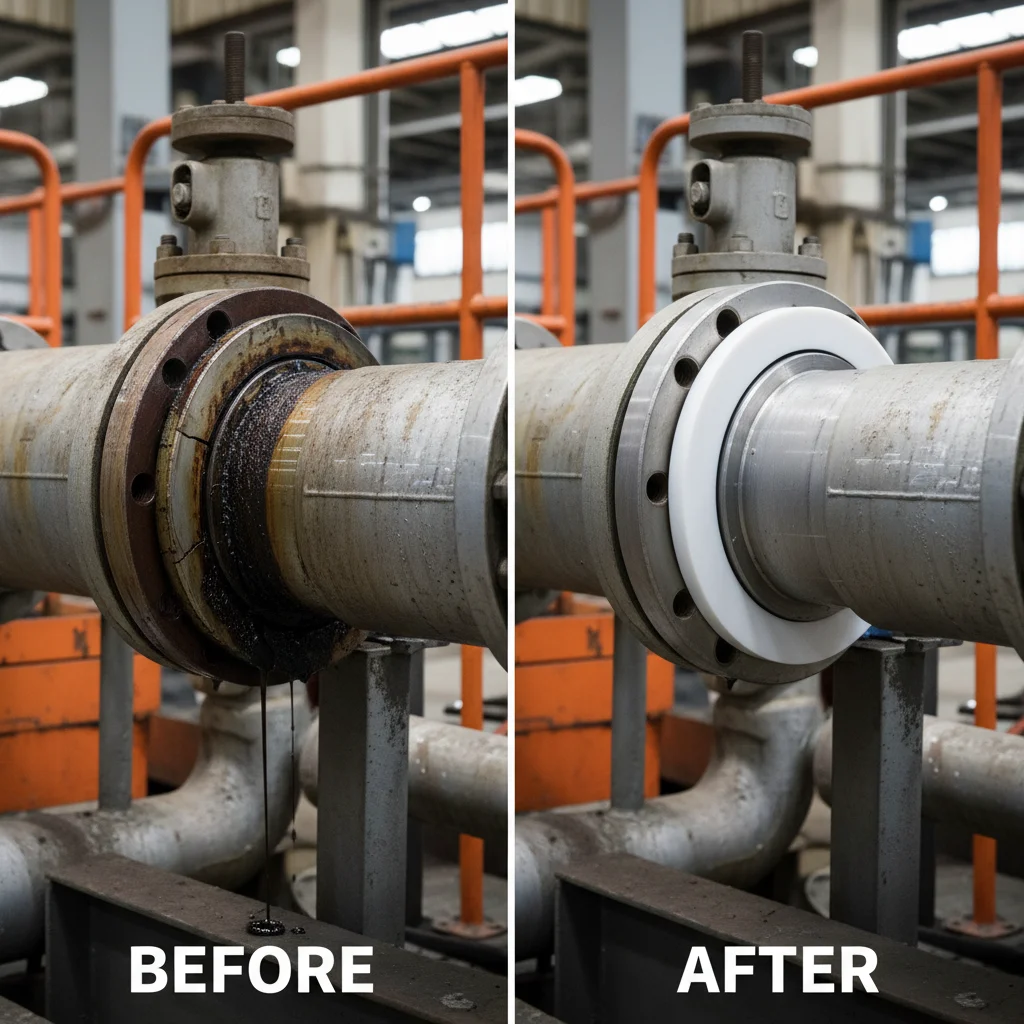
Look, I’ve seen projects delayed for weeks because of a simple gasket failure. The truth is, PTFE gaskets aren’t just about preventing leaks; they’re about ensuring the integrity of entire systems. Their ability to maintain a seal under extreme conditions – temperature fluctuations, corrosive chemicals, high pressure – is paramount in industries where failure isn’t an option. A good PTFE gasket manufacturer understands this and builds that reliability into every layer of their production process.
What separates PTFE from other gasket materials is its inherent stability. Rubber gaskets degrade, metal gaskets corrode. PTFE? It just… lasts. That translates to reduced maintenance, fewer replacements, and ultimately, significant cost savings over the lifecycle of a project. That's why you see them everywhere, even in applications where the initial cost is higher – because the long-term return on investment is undeniable.
FAQS
What's the typical lead time for custom PTFE gasket orders?
Lead times for custom PTFE gaskets depend on complexity, quantity, and current workload. Generally, simpler designs in smaller quantities can be delivered within 2-3 weeks. More complex or larger orders may require 4-6 weeks. A reputable PTFE gasket manufacturer will provide a precise timeline upon receiving your specifications. We always recommend planning ahead to avoid delays, especially for critical applications.
What industries commonly require custom PTFE gaskets?
A vast range of industries benefit from custom PTFE gaskets, including chemical processing, pharmaceuticals, food and beverage, oil and gas, aerospace, automotive, and semiconductor manufacturing. Any application involving harsh chemicals, extreme temperatures, or high pressures often necessitates the superior sealing performance of custom-designed PTFE gaskets. Essentially, anyplace where a failure is costly and unacceptable.
What’s the difference between virgin and filled PTFE?
Virgin PTFE is 100% PTFE, offering exceptional chemical resistance but can be prone to creep. Filled PTFE incorporates additives like glass fibers, carbon, or bronze to enhance properties like strength, wear resistance, and dimensional stability. The best choice depends on the specific application requirements; filled PTFE often outperforms virgin PTFE in demanding environments.
How do I specify the correct PTFE gasket for my application?
Provide the PTFE gasket manufacturer with detailed specifications including the flange dimensions, fluid type, operating temperature, pressure, and any applicable industry standards. Accurate data ensures the gasket is properly designed and manufactured for optimal performance and reliability. Include any special requirements, like food-grade certification, if applicable.
What certifications should a PTFE gasket manufacturer have?
Look for certifications like ISO 9001 (quality management), FDA compliance (for food and beverage applications), and material traceability documentation. These certifications demonstrate the manufacturer's commitment to quality and adherence to industry standards. It's about proving they're doing things right, consistently.
Can PTFE gaskets be used in vacuum applications?
Yes, PTFE gaskets are commonly used in vacuum applications due to their low permeability and excellent sealing properties. However, the design and material selection need to be carefully considered to ensure a reliable seal. Often, a filled PTFE with low outgassing characteristics is preferred for these applications.
Conclusion
In the end, understanding the nuances of PTFE gasket manufacturer isn't just about selecting a component; it's about investing in the long-term reliability and safety of your operations. From the chemical resistance and temperature stability to the cost-effectiveness and sustainability benefits, a well-chosen PTFE gasket can make all the difference.
Don't underestimate the power of these small, often-unseen components. By partnering with a reputable manufacturer, prioritizing quality, and staying informed about the latest innovations, you can ensure your projects are built to last. For reliable, high-performance PTFE gaskets, visit our website today.
Updated:

Robert Chen
Robert Chen serves as the Quality Control Manager at HUITE Sealing, ensuring all products meet stringent ISO 9001, ISO 45001 and ISO 14001 standards. With a background in materials science and over 10 years in quality assurance, Robert oversees the testing and certification of our gaskets, including KLINGER and DONIT products. He's dedicated to maintaining the highest levels of product reliability and consistency. Robert led the implementation of our API 6FB fire testing program, demonstrating our commitment to safety. He focuses on continuous improvement of our quality control processes.


