Guangzhou Huite Sealing Machinery Co., Ltd.



0%
In the demanding world of industrial sealing, the DONIT PTFE gasket stands as a cornerstone of reliability, providing an unmatched barrier against corrosive chemicals and extreme temperatures. As global manufacturing pivots toward higher safety standards and zero-leakage tolerances, the role of high-performance Polytetrafluoroethylene (PTFE) solutions has become critical for maintaining operational integrity in hazardous environments.
Understanding the technical nuances of the DONIT PTFE gasket is not merely about choosing a part; it is about optimizing the lifecycle of entire piping systems. From reducing unplanned downtime to ensuring compliance with strict environmental regulations, these gaskets offer a blend of chemical inertness and mechanical resilience that traditional materials simply cannot match.
Whether you are managing a chemical processing plant, a pharmaceutical lab, or a food-grade production line, the implementation of a DONIT PTFE gasket ensures that your seals remain intact under the most aggressive conditions. This guide explores the global significance, technical specifications, and future trajectories of these essential industrial components.
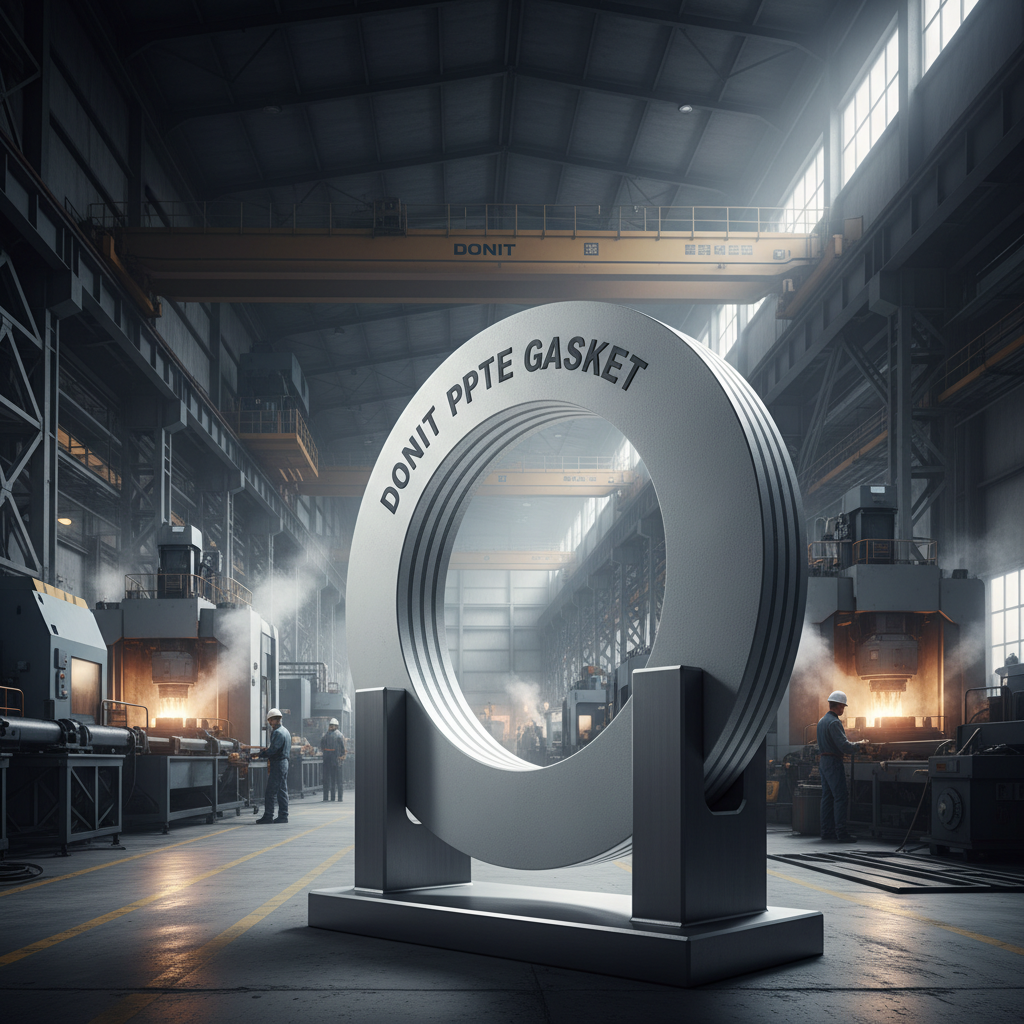
Table of Contents [Hide]
Global Significance of DONIT PTFE gasket
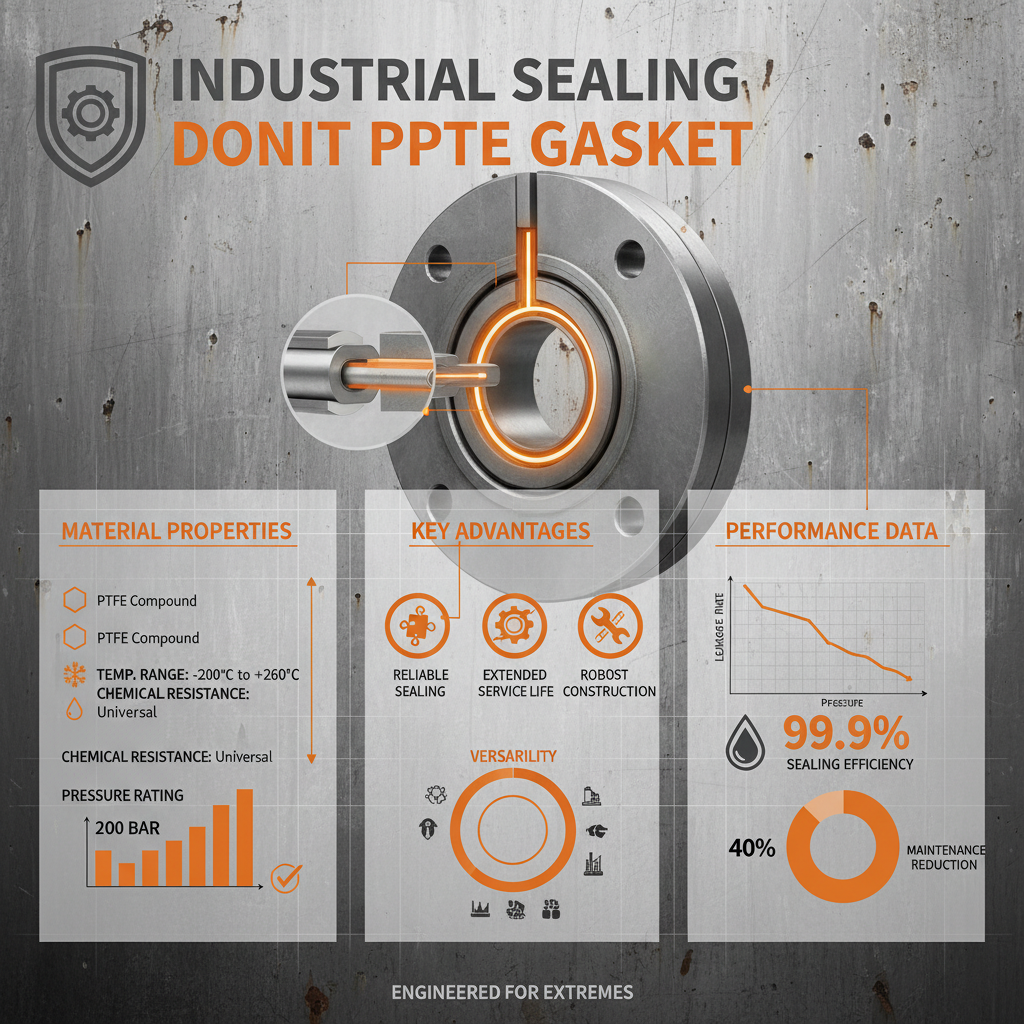
The global industrial landscape is currently facing a dual challenge: the need for increased production capacity and the imperative for stricter environmental safety. According to ISO standards for sealing technology, leakages in chemical transport are a primary cause of industrial accidents and environmental contamination. The DONIT PTFE gasket addresses these challenges by providing a virtually universal chemical resistance, ensuring that hazardous fluids are contained even under volatile pressure shifts.
Across Europe, Asia, and North America, the adoption of advanced PTFE materials has reduced the frequency of seal failures by an estimated 30% in high-corrosion sectors. By mitigating the risk of fugitive emissions, the DONIT PTFE gasket not only protects the workforce but also helps companies avoid massive regulatory fines and operational shutdowns, making it a critical asset in the global supply chain of industrial safety.
FAQS
What makes the DONIT PTFE gasket better than standard rubber seals?
The primary advantage lies in chemical resistance and thermal stability. While rubber seals degrade when exposed to aggressive solvents or high temperatures, the DONIT PTFE gasket remains inert and maintains its shape, preventing leaks in environments where rubber would melt or crack.
How long can a DONIT PTFE gasket last in a high-pressure environment?
Depending on the specific grade (e.g., reinforced vs. pure), these gaskets can last for several years. Their low creep and high resistance to compression set mean they maintain the seal longer than most materials, although regular inspections are always recommended for high-pressure systems.
Is the DONIT PTFE gasket safe for food and pharmaceutical use?
Yes, PTFE is widely recognized for its biocompatibility and non-reactivity. The DONIT PTFE gasket is often manufactured to meet FDA and other food-grade certifications, ensuring that no contaminants are introduced into the product stream during processing.
Can I use a DONIT PTFE gasket for cryogenic applications?
Absolutely. One of the standout features of PTFE is its ability to remain flexible and functional at extremely low temperatures where other polymers become brittle. This makes it an ideal choice for liquid nitrogen or LNG transport systems.
How do I prevent "cold flow" or creep in my PTFE seals?
To overcome the natural tendency of pure PTFE to flow under pressure (creep), we recommend using reinforced variants of the DONIT PTFE gasket, such as those filled with glass or carbon, which provide significantly higher mechanical strength.
Where can I source certified DONIT PTFE gaskets for international projects?
Certified high-performance gaskets can be sourced directly from specialized manufacturers who adhere to ISO and ASME standards. For a reliable supply of high-quality sealing solutions, you can visit our official platform at www.gzhtmf.com.
Conclusion
The DONIT PTFE gasket represents the pinnacle of sealing technology, combining extreme chemical inertness, thermal versatility, and long-term mechanical reliability. By addressing the critical vulnerabilities of industrial piping systems—namely corrosion and thermal failure—these gaskets protect not only the assets of a company but also the safety of the environment and the people operating within it.
As we look toward a future defined by green energy and digital industrialization, the continued innovation of PTFE materials will be essential. We suggest that engineers and procurement officers transition from "commodity" seals to high-performance solutions like the DONIT PTFE gasket to ensure sustainable, leak-free operations for decades to come. Visit our website: www.gzhtmf.com
Related Posts
Updated:

Christopher Lee
Christopher Lee is a Product Development Engineer at HUITE Sealing, specializing in innovative sealing technologies. He has 5 years’ experience in designing and testing new gasket materials and configurations. Christopher is passionate about improving gasket performance for challenging applications in the Chemical and Pulp & Paper industries. He led the development of our latest flange insulation gasket kits, enhancing thermal management for critical process equipment. He holds a Master’s degree in Engineering and is actively involved in research and development.


