Guangzhou Huite Sealing Machinery Co., Ltd.



0%
KLINGER PTFE gaskets represent a critical component in modern sealing technology, ensuring the reliable performance of equipment across a vast spectrum of industries. Globally, the demand for high-performance sealing solutions is driven by increasing safety regulations, the pursuit of operational efficiency, and the challenges presented by aggressive media and extreme operating conditions. Understanding the nuances of materials like PTFE, and the engineering behind gaskets like those produced by KLINGER, is paramount for maintaining integrity in processes ranging from chemical processing to food and beverage production, and even aerospace applications. A properly selected and installed KLINGER PTFE gasket prevents leakage, reduces downtime, and ultimately safeguards both personnel and the environment.
The significance of KLINGER PTFE gaskets extends beyond simply preventing leaks. They are vital in optimizing plant performance and minimizing environmental impact. Industries handling corrosive or high-purity fluids rely heavily on the chemical inertness and exceptional sealing capabilities of PTFE. The stringent quality control processes employed by KLINGER, combined with the inherent properties of PTFE, result in gaskets that consistently meet and exceed industry standards, like those set by ASTM and DIN. The market for advanced sealing solutions continues to grow, spurred by innovations in material science and a heightened focus on sustainability.
Addressing the challenges of increasingly complex industrial processes, KLINGER PTFE gasket offers a reliable and effective sealing solution. These gaskets are designed to withstand extreme temperatures, pressures, and chemical attack, making them ideal for demanding applications where failure is not an option. Choosing the right gasket material and design directly impacts process safety, operational costs, and environmental responsibility.
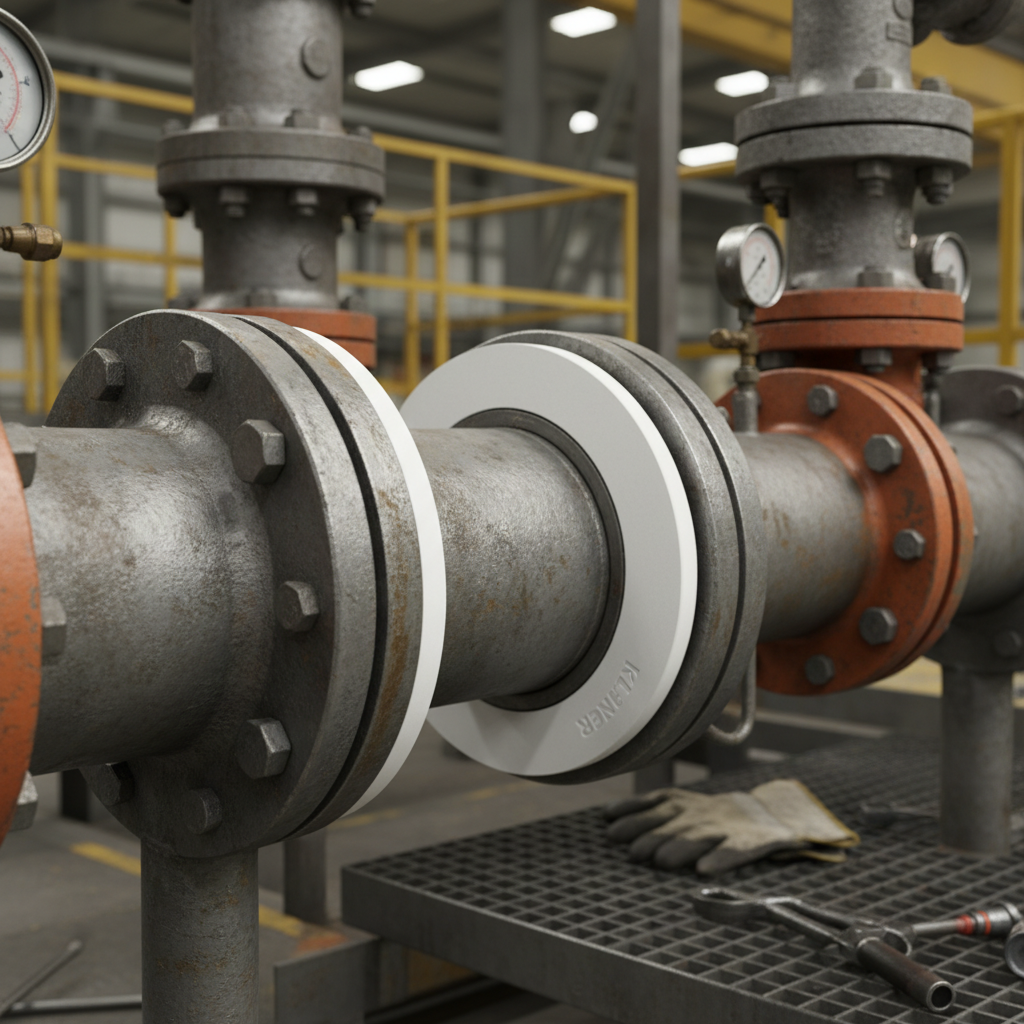
Table of Contents [Hide]
Defining KLINGER PTFE Gaskets: Properties and Applications
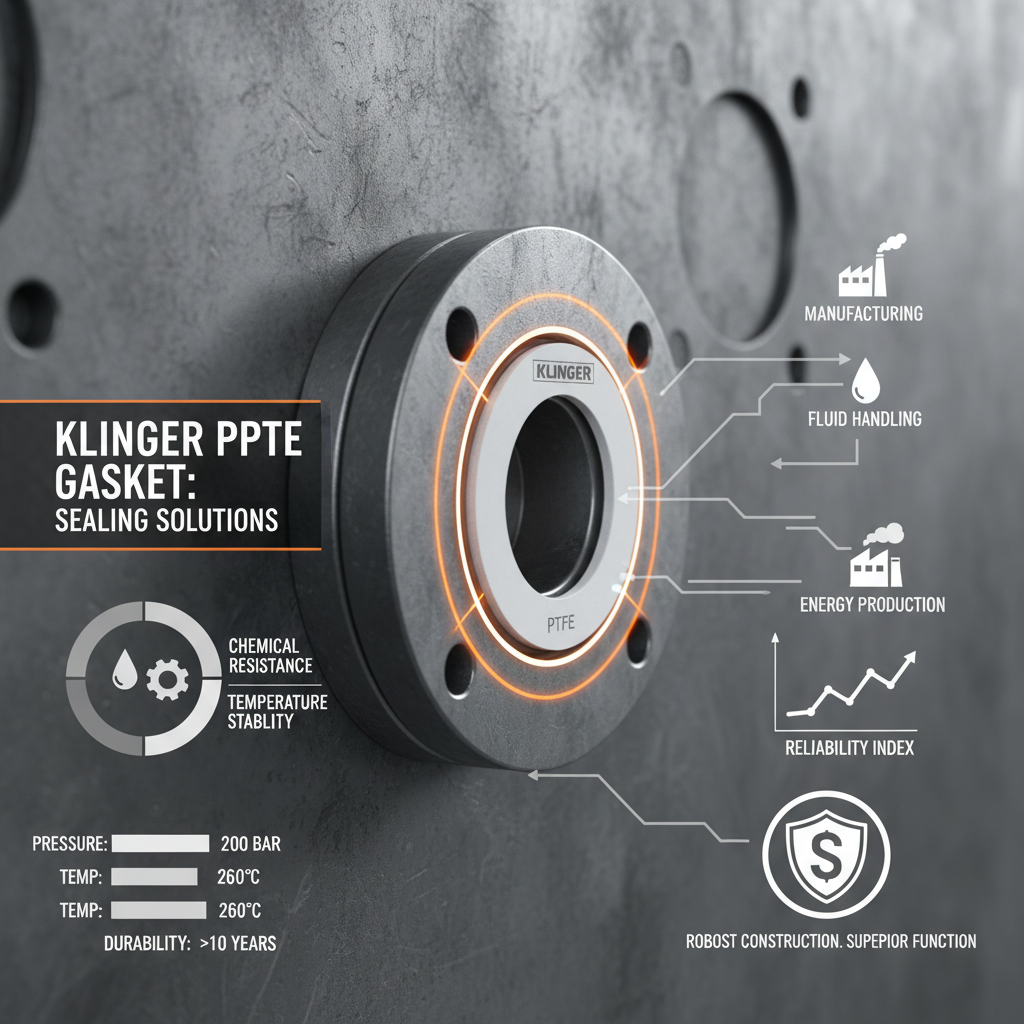
A KLINGER PTFE gasket is a sealing device crafted from Polytetrafluoroethylene (PTFE), a synthetic fluoropolymer renowned for its exceptional chemical resistance, broad temperature range, and remarkably low coefficient of friction. These gaskets are engineered to create a leak-proof barrier between mating surfaces in a variety of industrial applications. KLINGER leverages decades of experience in material science to produce PTFE gaskets that offer superior performance and longevity.
The applications of KLINGER PTFE gasket are incredibly diverse, spanning industries like chemical processing, pharmaceuticals, food and beverage, oil and gas, and power generation. They are particularly well-suited for environments where aggressive chemicals, high temperatures, or extreme pressures are present. From sealing flanges in pipelines to providing a barrier in heat exchangers, KLINGER PTFE gaskets ensure process integrity and reliability.
FAQS
What makes KLINGER PTFE gaskets superior to rubber gaskets in corrosive environments?
KLINGER PTFE gaskets excel in corrosive environments due to PTFE’s inherent chemical inertness. Unlike rubber, which can degrade and swell when exposed to harsh chemicals, PTFE remains unaffected by virtually all known chemical substances. This ensures long-term sealing performance, prevents contamination, and minimizes the risk of leaks, making KLINGER PTFE gaskets the preferred choice for demanding applications involving aggressive media.
What is the typical lifespan of a KLINGER PTFE gasket?
The lifespan of a KLINGER PTFE gasket varies depending on the application and operating conditions. However, due to the material’s excellent chemical resistance and low friction properties, these gaskets typically offer a significantly longer lifespan than traditional gasket materials. Under normal operating conditions, a KLINGER PTFE gasket can reliably perform for several years, reducing the need for frequent replacements and minimizing downtime.
How do KLINGER PTFE gaskets handle extreme temperature fluctuations?
KLINGER PTFE gaskets are specifically designed to withstand extreme temperature fluctuations. PTFE boasts a wide operating temperature range, from -200°C to +260°C. This allows the gasket to maintain its sealing properties even when subjected to rapid temperature changes or prolonged exposure to high or low temperatures. The gaskets’ inherent stability and resistance to thermal degradation ensure reliable performance in challenging environments.
Are KLINGER PTFE gaskets suitable for food and beverage processing?
Yes, KLINGER PTFE gaskets are ideally suited for food and beverage processing applications. PTFE is an FDA-compliant material, meaning it is safe for contact with food products. It's non-toxic, odorless, and doesn't leach any harmful substances into the processed materials. This ensures product purity and maintains the highest standards of hygiene.
What is the impact of pressure on the performance of KLINGER PTFE gaskets?
KLINGER PTFE gaskets are designed to withstand high pressures. The material’s inherent resilience and ability to conform to flange surfaces create a tight seal, preventing leakage even under significant pressure differentials. However, proper gasket selection and installation are crucial for optimal performance. KLINGER offers a range of PTFE gasket designs tailored to specific pressure requirements, ensuring reliable sealing in demanding applications.
How does KLINGER ensure the quality of their PTFE gaskets?
KLINGER employs rigorous quality control processes throughout the entire manufacturing process. This includes careful selection of raw materials, precise machining and molding techniques, and thorough inspection of finished products. KLINGER gaskets are tested to meet or exceed industry standards, ensuring consistent performance and reliability. Their commitment to quality provides customers with peace of mind.
Conclusion
In conclusion, KLINGER PTFE gaskets represent a vital component in a wide range of industrial applications, providing unparalleled chemical resistance, temperature stability, and sealing performance. Their ability to maintain integrity in demanding environments translates into reduced downtime, improved process safety, and long-term cost savings. The ongoing commitment to innovation and quality ensures that KLINGER PTFE gaskets will continue to be a preferred choice for engineers and operators worldwide.
Looking ahead, the demand for high-performance sealing solutions will only increase as industries face new challenges related to sustainability, efficiency, and safety. By embracing advancements in materials science and manufacturing technologies, KLINGER is well-positioned to continue delivering cutting-edge PTFE gasket solutions that meet the evolving needs of its customers. Visit our website at KLINGER PTFE gasket to learn more and discuss your specific sealing requirements.
Related Posts
-

TESNIT BAGL Revolutionizing Modular Construction and Sustainable Infrastructure
-
DONIT authorized distributor in china Powers Industrial Growth and Reliability
-

Understanding Fire Safe Spiral Wound Gasket Performance and Application
-
KLINGER authorized distributor Ensuring Reliable Sealing Solutions Globally
Updated:

Michael Johnson
Michael Johnson is a dedicated Sales Engineer at HUITE Sealing, focused on the Marine and Shipbuilding industries. He boasts 8 years of experience in technical sales, providing tailored gasket solutions for various vessel types and offshore platforms. Michael holds a strong understanding of marine regulations and requirements. He actively participates in industry trade shows and builds strong relationships with key clients, advocating for the benefits of our reinforced graphite and rubber gaskets. He prides himself on delivering exceptional customer service and rapid response times.


