Guangzhou Huite Sealing Machinery Co., Ltd.
Reliable PTFE Gasket Solutions for the Democratic Republic of the Congo
  • Home
  • Global Service
  • Reliable PTFE Gasket Solutions for the Democratic Republic of the Congo

Reliable PTFE Gasket Solutions for the Democratic Republic of the Congo

Expertly engineered gaskets for demanding industrial applications across the DRC, ensuring leak-proof performance and operational efficiency.

Reliable PTFE Gasket Solutions for the Democratic Republic of the Congo

Providing high-performance sealing solutions tailored to the specific needs of industries operating in the Democratic Republic of the Congo.

Current State of the Rubber Gasket Industry in the DRC

An overview of the challenges and opportunities facing gasket manufacturers and users in the Democratic Republic of the Congo.

The Democratic Republic of the Congo presents a unique landscape for the spiral wound gasket industry. While rich in natural resources, the DRC faces infrastructural challenges and a developing industrial sector. This creates a demand for reliable sealing solutions, particularly in mining, oil & gas, and power generation, but also introduces logistical hurdles for supply and maintenance.

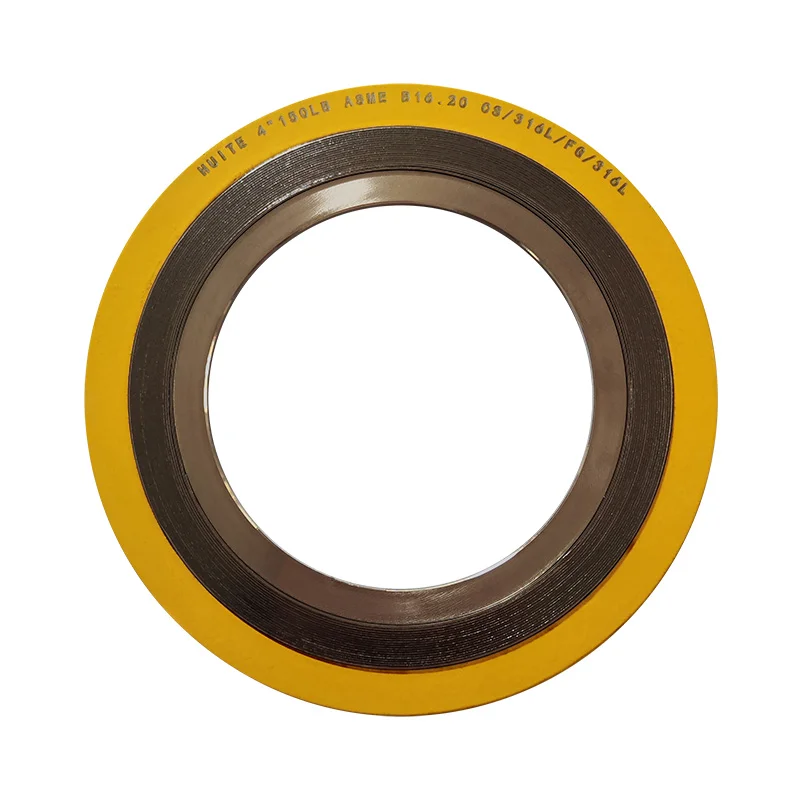
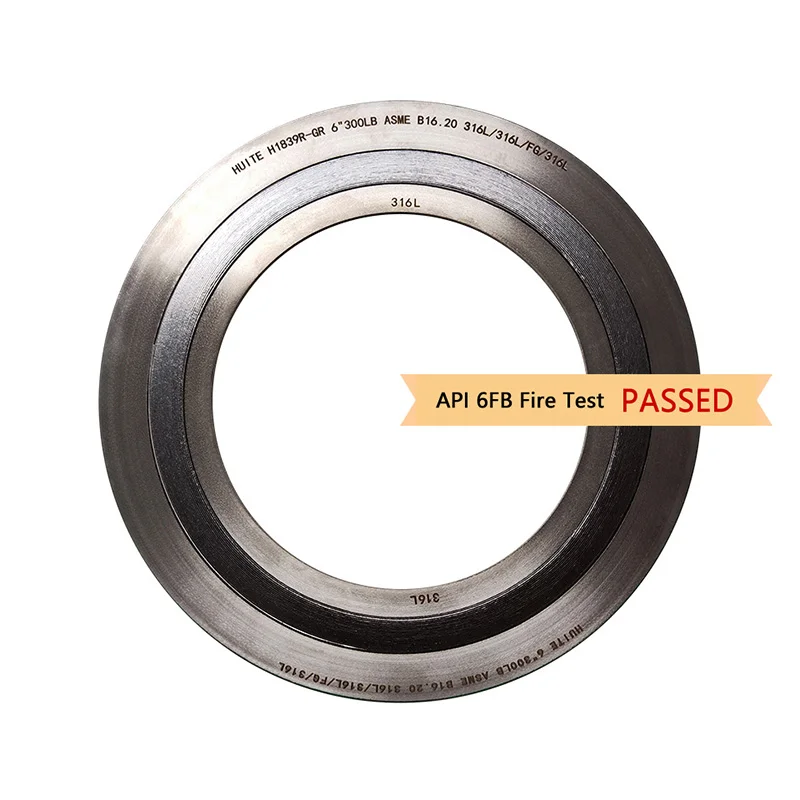
The climate of the DRC, ranging from tropical rainforests to savannas, poses specific challenges for gasket materials. High humidity, temperature fluctuations, and exposure to corrosive substances require gaskets engineered for durability and resistance. API 6FB Spiral wound gasket are critical for ensuring long-term performance in these harsh conditions.

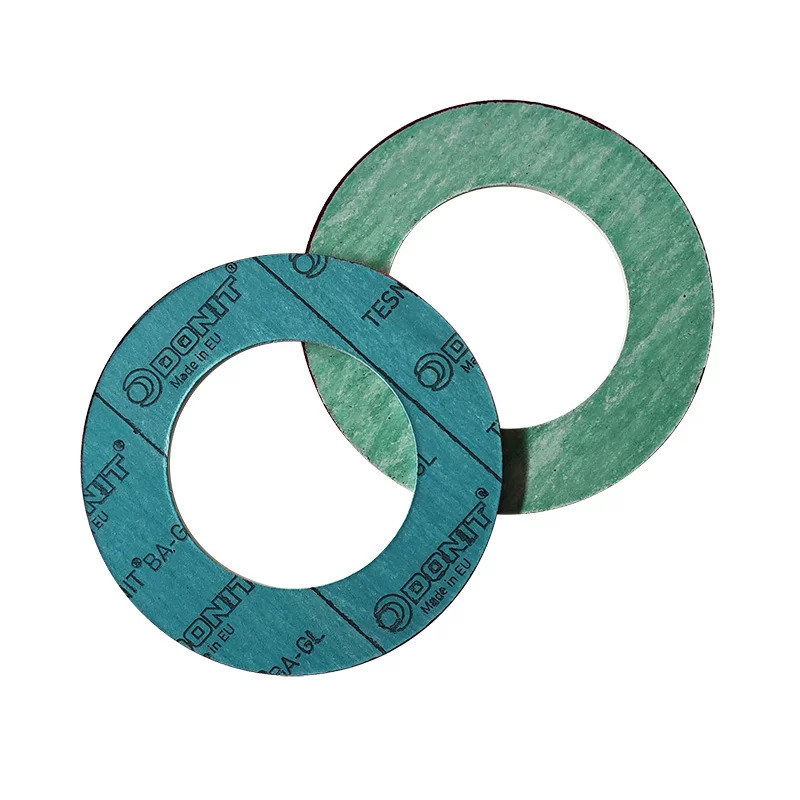
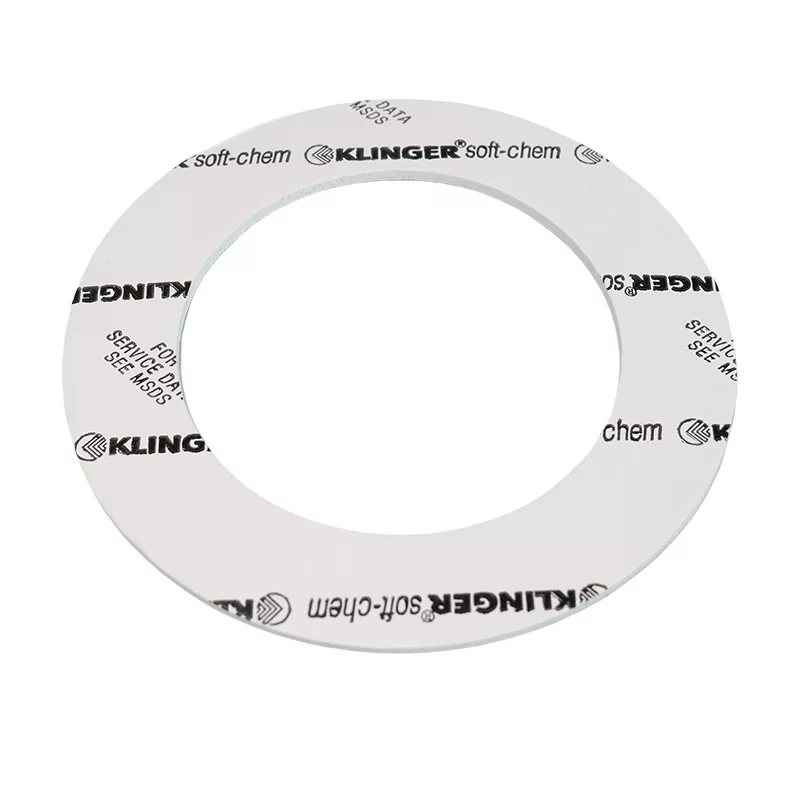
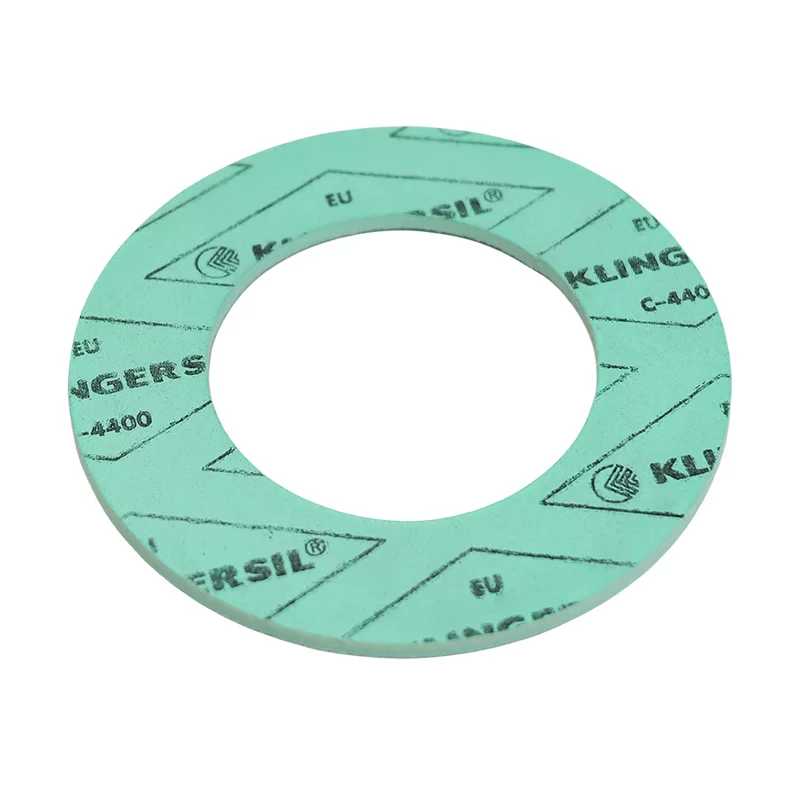
Currently, a significant portion of gaskets used in the DRC are imported. Local manufacturing capacity is growing, but often relies on foreign technology and materials. The demand for reinforced graphite gasket, known for its high-temperature and pressure resistance, is increasing alongside the expansion of the country's energy infrastructure.
Evolution and Development of the Gasket Industry in the DRC

Tracing the technological advancements and market shifts shaping the gasket landscape in the Democratic Republic of the Congo.

Market Development History

Prior to the 2000s, gasket usage in the DRC was largely limited to basic rubber and asbestos-based materials, primarily serving rudimentary industrial needs. Maintenance was reactive, and product lifecycles were short. The reliance on imported materials was almost total.

From the early 2000s, with increased foreign investment in the mining sector, demand for higher-performance gaskets began to rise. PTFE gasket started to gain traction due to their chemical resistance, and spiral wound gaskets became essential for high-pressure applications. This period saw the emergence of small-scale gasket distributors.

The last decade has witnessed a growing focus on safety and environmental regulations, driving the adoption of non-asbestos gasket materials. Local manufacturing initiatives, supported by technical partnerships, are slowly expanding capacity and improving quality.

Future Development Trends

Increased Demand for Specialized Gaskets

The expansion of the DRC’s industrial base will necessitate specialized gaskets tailored to specific applications, such as high-temperature gaskets for power plants and chemically resistant gaskets for mining processes.

Adoption of Digital Technologies

Predictive maintenance and remote monitoring technologies will drive demand for gaskets with embedded sensors, allowing for real-time performance tracking and proactive replacement.

Sustainability and Eco-Friendly Materials

Growing environmental awareness will fuel the demand for gaskets made from sustainable and recyclable materials, reducing the environmental impact of industrial operations.

Industry Trends and Future Outlook for Gaskets in the DRC

Exploring the evolving landscape and anticipated developments in the gasket market within the Democratic Republic of the Congo.

Growth in the Mining Sector
The DRC’s abundant mineral resources will continue to drive demand for gaskets in mining operations, particularly for equipment handling corrosive materials.
Power Generation Expansion
Increased investment in power generation infrastructure will create demand for high-temperature and high-pressure gaskets used in power plants.
Growing Infrastructure Projects
Ongoing infrastructure development projects, including road construction and water treatment facilities, will require a steady supply of gaskets for various applications.
Focus on Local Manufacturing
Government initiatives promoting local manufacturing will encourage the growth of domestic gasket production, reducing reliance on imports.

Industry Outlook

The gasket market in the DRC is poised for significant growth over the next 3-5 years. Increased industrial activity, coupled with a rising awareness of the importance of reliable sealing solutions, will drive demand. Companies offering high-quality products, technical support, and efficient logistics will be best positioned to succeed.

Google Trends data indicates a growing search volume for terms related to industrial gaskets in the DRC, confirming the increasing demand. Focusing on SEO optimization for keywords such as spiral wound gasket, API 6FB Spiral wound gasket, and reinforced graphite gasket will be crucial for reaching potential customers.

Local Application Scenarios for Gaskets in the DRC

Illustrating the diverse applications of gaskets within key industries in the Democratic Republic of the Congo.

1. Copper Mining Operations

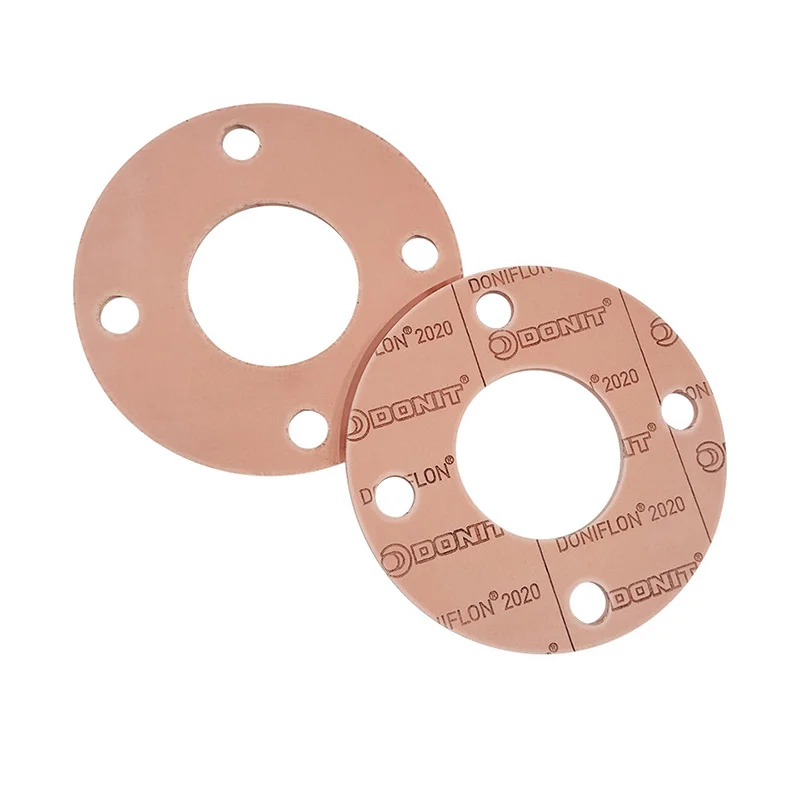
In the Katanga province, copper mining relies heavily on gaskets to seal pumps, valves, and pipelines handling corrosive leach solutions. PTFE gaskets are crucial due to their exceptional chemical resistance, preventing leaks and ensuring process integrity.

2. Hydroelectric Power Plants

The DRC’s abundant water resources support several hydroelectric power plants. These plants utilize gaskets in turbines, generators, and water control systems. spiral wound gaskets are essential for handling high pressures and temperatures.

3. Oil and Gas Processing Facilities

Exploration and processing of oil and gas resources require gaskets for sealing wellheads, pipelines, and storage tanks. reinforced graphite gaskets offer the high-temperature and pressure resistance needed in these demanding environments.

4. Water Treatment Plants

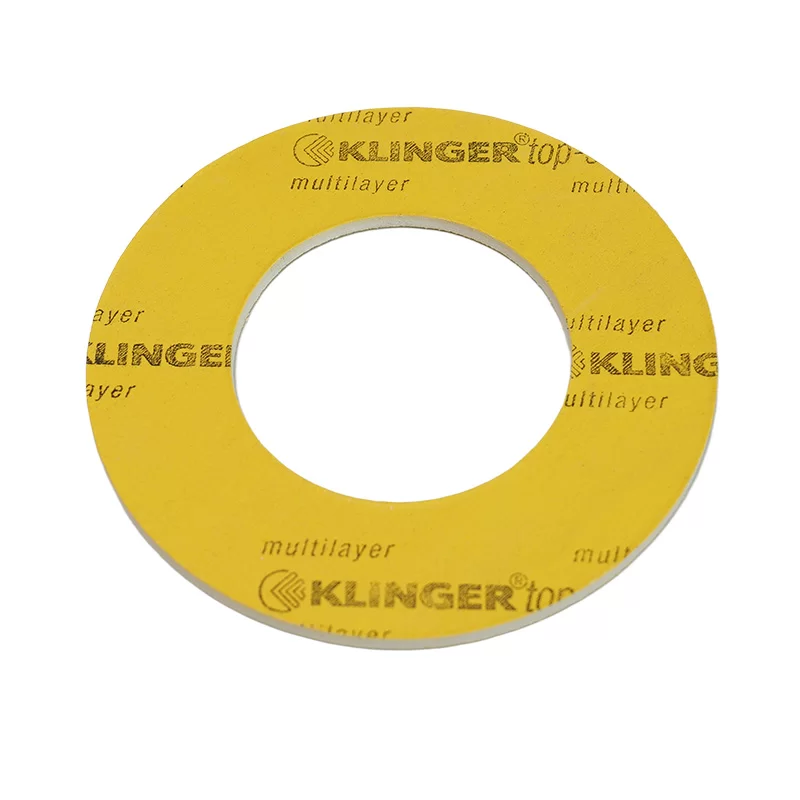
With increasing urbanization, water treatment plants are becoming increasingly important. Gaskets are used to seal pumps, filters, and pipelines in these facilities. non-asbestos gasket materials are preferred for their safety and compliance with environmental regulations.

Brand Story

Guangzhou Huite Sealing Mechanical Co., Ltd.’s global development journey

Commitment to Quality

Established in 2008, Guangzhou Huite Sealing has consistently prioritized quality control, ensuring every gasket meets international standards.

Technological Innovation

We continuously invest in research and development, adopting cutting-edge technologies to improve gasket performance and durability.

Global Reach

Expanding our presence globally, we provide sealing solutions to diverse industries across multiple continents, including Africa.

Customer-Centric Approach

We prioritize building strong relationships with our clients, offering customized solutions and responsive technical support.

Reliable Partnerships

We partner with leading material suppliers to guarantee the highest quality components in our gaskets.

Complete Product Portfolio for the Region

A comprehensive range of gaskets designed to meet the diverse needs of industries in the Democratic Republic of the Congo.

Frequently Asked Questions – Gaskets in the DRC

Addressing common inquiries regarding gasket selection, installation, and maintenance in the Democratic Republic of the Congo.

What is the best gasket material for handling highly corrosive chemicals in DRC mining operations?

For highly corrosive chemicals, PTFE gaskets are typically the most suitable choice due to their exceptional chemical resistance and wide temperature range.

How do high temperatures affect the performance of spiral wound gaskets in DRC power plants?

High temperatures can reduce the clamping force of spiral wound gasket, leading to leaks. Selecting gaskets with appropriate filler materials and bolt load calculations is crucial.

What are the key considerations when selecting gaskets for potable water applications in DRC water treatment plants?

For potable water, select non-asbestos gasket materials that are NSF/ANSI 61 certified to ensure they do not leach harmful substances into the water.

What is the lifespan of a reinforced graphite gasket in a typical DRC oil and gas application?

The lifespan of a reinforced graphite gasket can vary significantly depending on process conditions. However, with proper installation and maintenance, it can typically last 3-5 years.

How can I ensure proper installation of spiral wound gaskets to prevent leaks in DRC industrial settings?

Follow the manufacturer's installation instructions carefully, ensuring correct bolt load, gasket orientation, and flange surface finish. Periodic inspections and re-tightening of bolts are also essential.

What are the benefits of using PTFE-coated gaskets in the DRC's humid climate?

The PTFE coating provides excellent resistance to corrosion and humidity, extending the lifespan of the gasket and reducing the risk of failure in the DRC's challenging climate.

Get in Touch with Our Experts

For reliable gasket solutions tailored to your industrial needs in the Democratic Republic of the Congo, contact Guangzhou Huite Sealing today.

Contact Us Now

If you are interested in our products, you can choose to leave your information here, and we will be in touch with you shortly.