Guangzhou Huite Sealing Machinery Co., Ltd.



0%
In the complex world of industrial sealing, the Huite gasket stands as a critical component ensuring the integrity of piping systems and pressure vessels across the globe. From oil and gas refineries to chemical processing plants, the ability to maintain a leak-proof seal under extreme temperature and pressure is not just a matter of efficiency, but a fundamental requirement for operational safety and environmental protection.
The global demand for high-performance sealing solutions has surged as industries push the boundaries of heat and pressure. The Huite gasket addresses these challenges by blending advanced material science with precision engineering, reducing the risk of hazardous blowouts and unplanned downtime that can cost corporations millions of dollars in lost productivity.
Understanding the nuances of gasket selection—ranging from Spiral Wound to PTFE and Non-Asbestos variants—is essential for any procurement manager or engineer. By implementing a high-quality Huite gasket, companies can significantly extend the mean time between failures (MTBF) of their equipment, ensuring a sustainable and reliable industrial infrastructure.
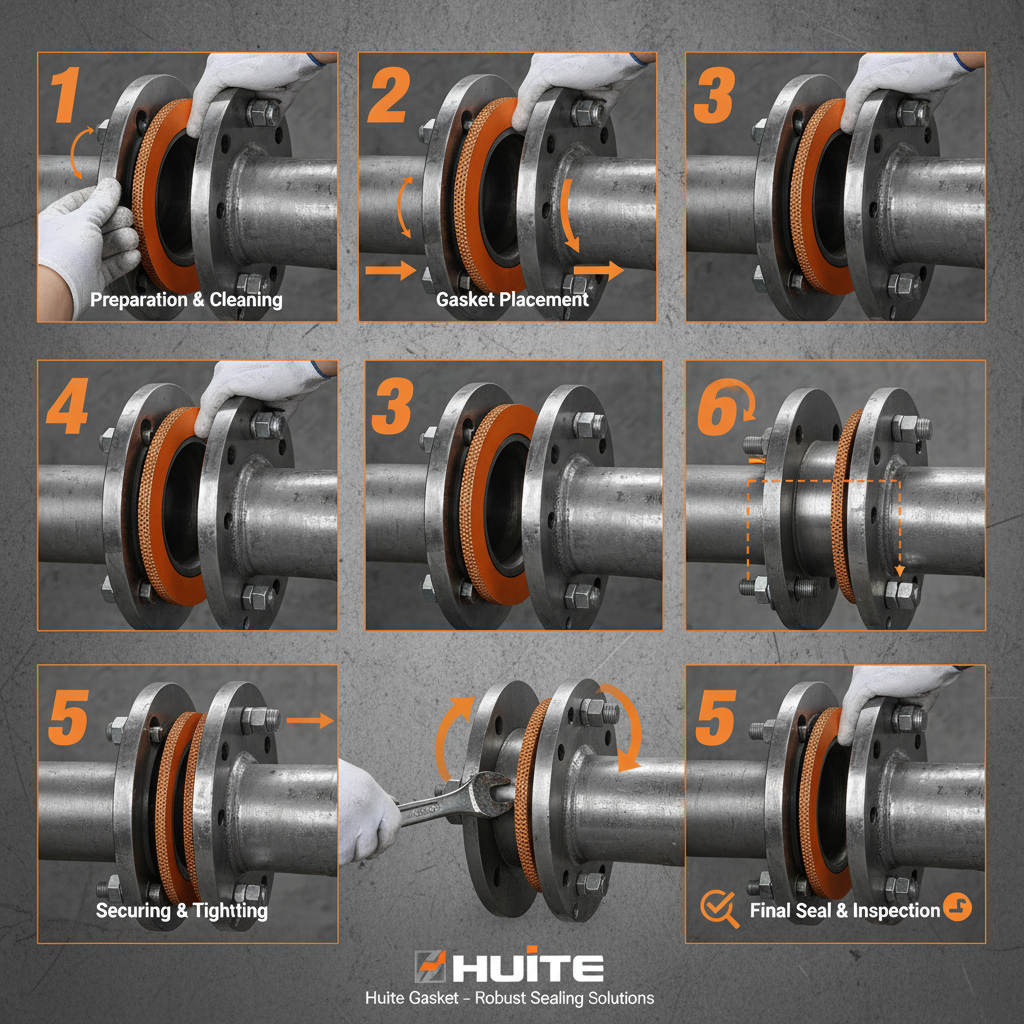
Table of Contents [Hide]
Global Significance of Huite gasket Sealing Technology
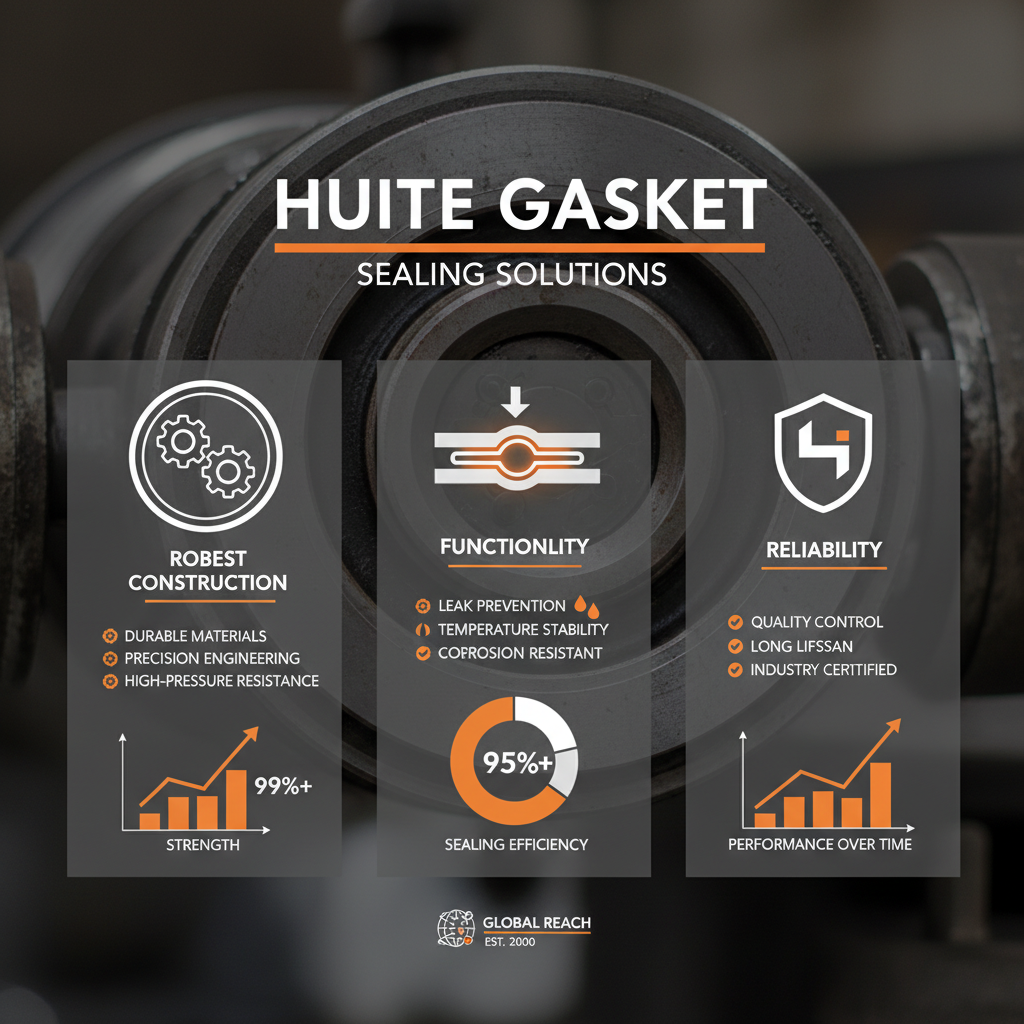
The industrial landscape today is governed by strict ISO and ASME standards, where the failure of a single seal can lead to catastrophic environmental leaks. The Huite gasket plays a pivotal role in this ecosystem, providing the necessary compression and resilience to prevent the escape of volatile organic compounds (VOCs) and hazardous steam.
Across North America, Europe, and Asia, the adoption of specialized sealing solutions has reduced industrial accidents by an estimated 15% over the last decade. By utilizing a Huite gasket, operators can ensure that their flanges are sealed against the harshest chemical reagents, thereby meeting international safety regulations and protecting the surrounding workforce.
FAQS
How do I choose the right Huite gasket for high-pressure steam?
For high-pressure steam, a Spiral Wound Huite gasket is highly recommended. Its metallic winding provides the necessary structural strength to resist blowout, while the filler material ensures a tight seal during the thermal expansion and contraction cycles typical of steam systems. Always verify the pressure rating against your flange specifications.
Are Huite gaskets resistant to aggressive chemical solvents?
Yes, specifically our PTFE-based Huite gasket variants. PTFE is chemically inert to almost all industrial solvents and acids. If your application involves extreme corrosives, we suggest a reinforced PTFE or a composite gasket to combine chemical resistance with mechanical stability.
What is the typical lifespan of a Huite gasket in a refinery?
The lifespan varies by environment, but a high-quality Huite gasket is designed to last through multiple operational cycles. In stable conditions, they can last several years; however, in high-vibration zones, we recommend scheduled inspections every 12-24 months to ensure the seal remains intact.
Can I reuse a Huite gasket after dismantling a flange?
Generally, no. A Huite gasket is designed to deform slightly to fill the gaps between flanges. Once compressed, the material undergoes permanent set. Reusing a gasket significantly increases the risk of leaks, so we strongly advise replacing it with a new one during every maintenance cycle.
How does Huite gasket comply with environmental safety standards?
Our Huite gasket range is strictly Non-Asbestos, adhering to global health and safety regulations. We use advanced synthetic fibers and graphite that offer the same thermal properties as asbestos without the carcinogenic risks, ensuring a safe environment for installers and operators.
What shipping options are available for international bulk orders?
We support global logistics for all Huite gasket orders, including sea freight for bulk shipments and air express for urgent replacements. We handle all necessary export documentation to ensure a smooth customs process for our international clients in Europe, Asia, and the Americas.
Conclusion
In summary, the Huite gasket is more than just a piece of sealing material; it is a fundamental safety component that ensures the stability and efficiency of modern industrial infrastructure. By balancing material science—such as the use of PTFE, Graphite, and Spiral Wound designs—with rigorous manufacturing standards, these gaskets provide a reliable barrier against leaks, protecting both the environment and the bottom line of industrial enterprises.
Looking forward, the evolution of sealing technology toward "smart" and nano-composite materials will further enhance the reliability of the Huite gasket. We encourage plant managers and engineers to transition from generic seals to application-specific solutions to maximize equipment uptime and safety. For professional guidance and a full catalog of our sealing solutions, visit our website: www.gzhtmf.com
Related Posts
-
KLINGER Gasket Manufacturer Leading Industrial Sealing Solutions Globally
-
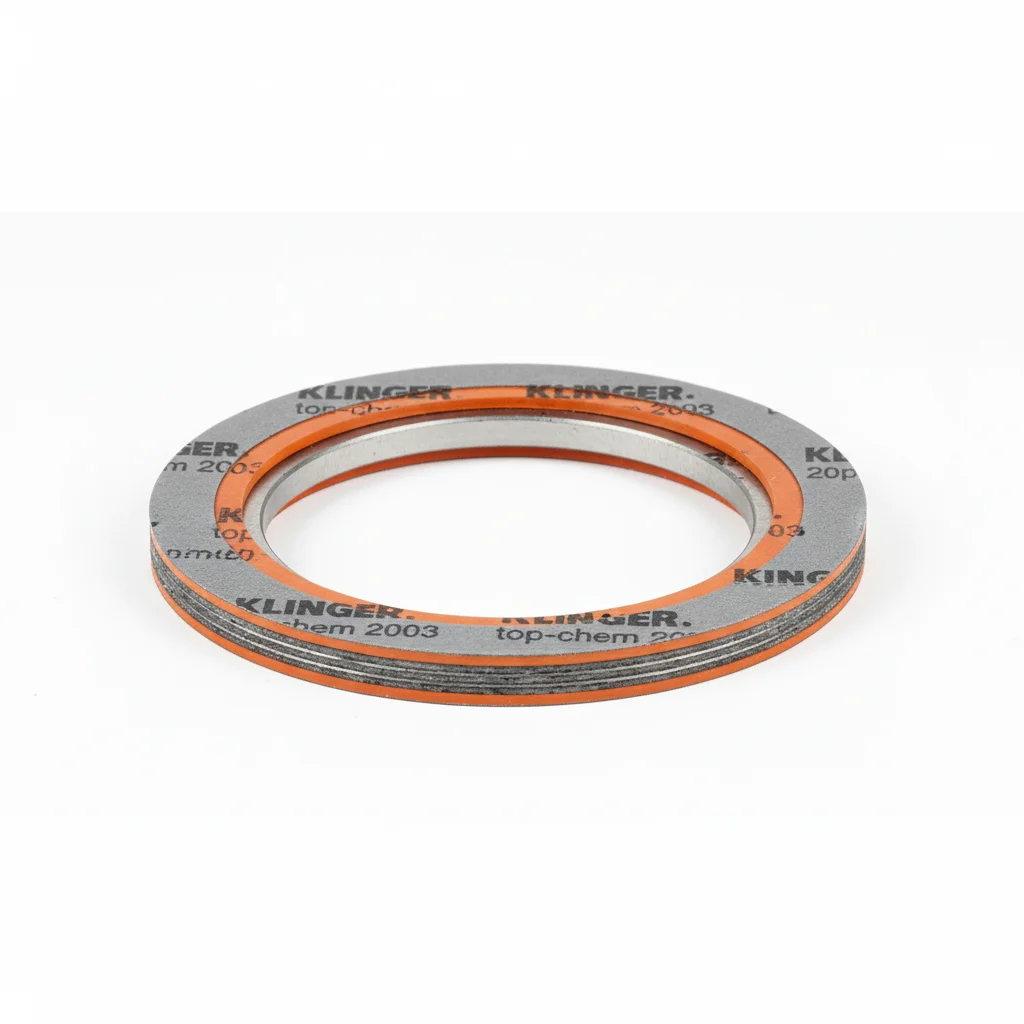
KLINGER topchem 2003 gasket Performance Applications and Industrial Sealing Solutions
-

Comprehensive Guide to API 6FB Spiral Wound Gasket Applications and Selection
-
KLINGER Soft-Chem and Top-Chem 2003 Gaskets for LNG and Chemical Processing Industries
Updated:

Robert Chen
Robert Chen serves as the Quality Control Manager at HUITE Sealing, ensuring all products meet stringent ISO 9001, ISO 45001 and ISO 14001 standards. With a background in materials science and over 10 years in quality assurance, Robert oversees the testing and certification of our gaskets, including KLINGER and DONIT products. He's dedicated to maintaining the highest levels of product reliability and consistency. Robert led the implementation of our API 6FB fire testing program, demonstrating our commitment to safety. He focuses on continuous improvement of our quality control processes.


