Guangzhou Huite Sealing Machinery Co., Ltd.



0%
In the high-stakes environment of oil and gas refineries and petrochemical plants, the integrity of flange connections is non-negotiable. The API 6FB gasket stands as a critical engineered component designed to prevent hazardous leaks and maintain pressure containment under extreme operational stress. By adhering to strict American Petroleum Institute standards, these gaskets ensure that the intersection of piping and equipment remains airtight, protecting both personnel and the surrounding environment.
Globally, the demand for high-performance sealing solutions has surged as industries push the boundaries of temperature and pressure. Whether dealing with corrosive hydrocarbons or high-pressure steam, the implementation of an API 6FB gasket provides the reliability needed to avoid catastrophic blowouts and costly unplanned shutdowns. Understanding the nuances of this specification is essential for procurement managers and engineers aiming to optimize plant uptime and safety.
Beyond simple leakage prevention, the adoption of standardized gaskets like the API 6FB series streamlines maintenance cycles and ensures interchangeability across global projects. By integrating these components with other specialized solutions such as Spiral Wound Gaskets or Non Asbestos Gaskets, operators can build a comprehensive sealing strategy that balances cost-efficiency with uncompromising safety standards in the most demanding industrial landscapes.
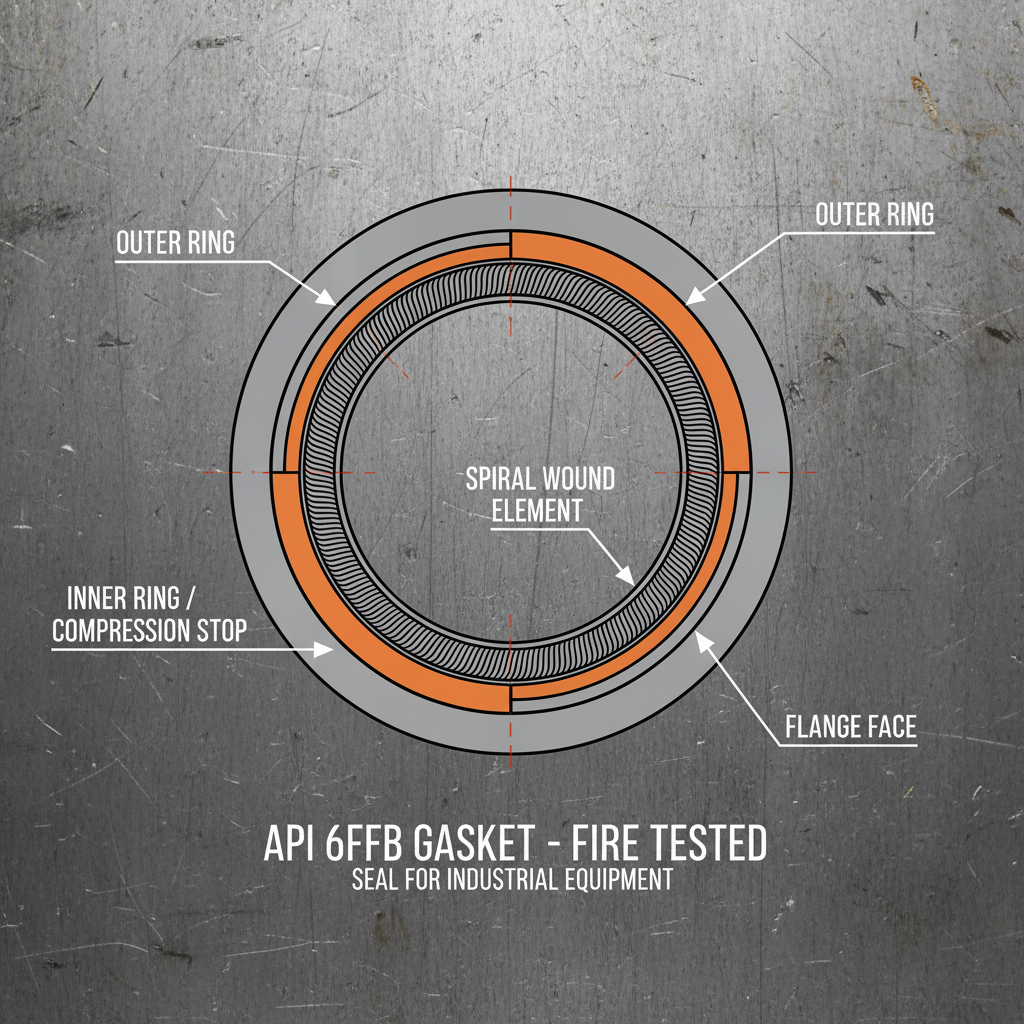
Table of Contents [Hide]
Global Industrial Context of API 6FB Gaskets
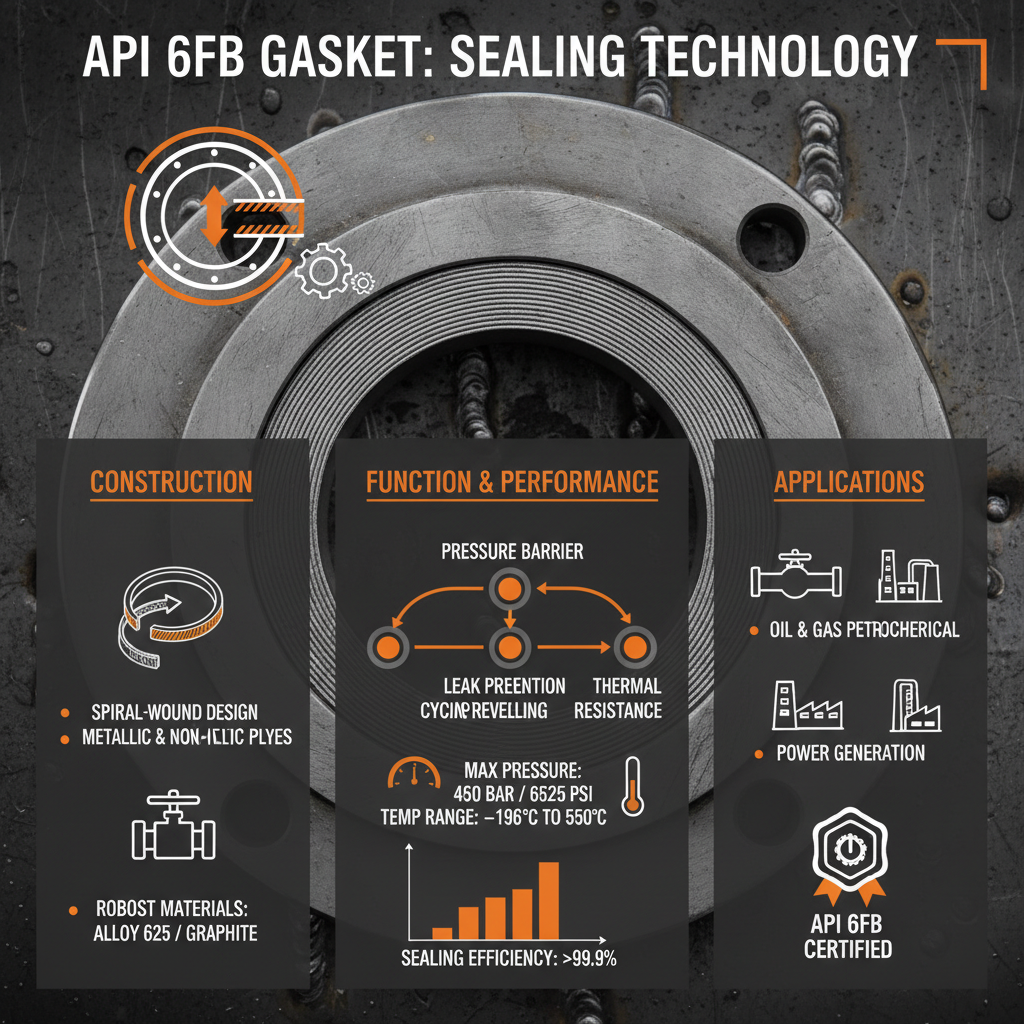
The global energy landscape is currently undergoing a transition toward higher efficiency and more stringent environmental regulations. According to ISO standards and various industrial safety reports, fugitive emissions from flange leaks account for a significant percentage of greenhouse gas losses in refineries. The API 6FB gasket has emerged as a pivotal solution to this problem, providing a standardized approach to sealing that reduces the risk of VOC (Volatile Organic Compound) leaks globally.
In regions like the Middle East, North America, and Southeast Asia, where petrochemical hubs are concentrated, the reliance on API-compliant components is absolute. The challenge lies in the volatility of the fluids being transported; without a precision-engineered API 6FB gasket, the combination of thermal cycling and chemical aggression can lead to rapid seal degradation, risking both environmental contamination and worker safety.
FAQS
What exactly makes an API 6FB gasket different from a standard flange gasket?
The API 6FB gasket is manufactured to strict American Petroleum Institute standards, focusing on higher pressure containment and specific material compatibility for the oil and gas industry. Unlike standard gaskets, it undergoes more rigorous testing for compressibility, recovery, and chemical resistance to ensure it can handle the volatile environments of refineries and petrochemical plants without leaking.
How often should API 6FB gaskets be replaced in a typical refinery setting?
Replacement intervals vary based on the medium and temperature. However, most facilities replace them during scheduled plant turnarounds (typically every 3-5 years). In critical service areas with high thermal cycling or extremely corrosive fluids, more frequent inspections via leak detection systems are recommended to determine if an earlier replacement is necessary for safety.
Can I use a PTFE gasket as a direct substitute for an API 6FB gasket?
While PTFE offers superior chemical resistance, it has different compressibility and creep characteristics compared to a full API 6FB specification gasket. A direct substitution should only be done after reviewing the pressure rating and temperature limits. In many "critical" applications, a reinforced PTFE or a hybrid 6FB gasket is preferred over pure PTFE to prevent seal "cold flow."
What is the most common cause of failure for these gaskets?
The most common cause is improper installation, specifically uneven bolt torqueing. This creates "gaps" in the seal where the gasket is not sufficiently compressed. Other factors include flange face corrosion and the use of incorrect materials for the specific chemical being transported, which leads to premature degradation of the gasket matrix.
Are API 6FB gaskets environmentally friendly?
Yes, in two ways. First, they are designed to eliminate fugitive emissions, which directly reduces the release of harmful greenhouse gases into the atmosphere. Second, the industry is moving toward non-asbestos and bio-based materials for the 6FB line, reducing the hazardous waste associated with both the manufacturing and disposal of the gaskets.
How do I verify the authenticity and compliance of my API 6FB gaskets?
Always request a Material Test Report (MTR) and a Certificate of Compliance from the manufacturer. These documents should specify the material grade, the dimensions, and the testing standards used to verify that the gasket meets the API 6FB requirements. Buying from seasoned manufacturers with ISO certifications is the best way to ensure quality.
Conclusion
The API 6FB gasket is far more than a simple piece of industrial rubber or graphite; it is a precision-engineered safeguard that ensures the stability of the global energy infrastructure. By balancing durability, compressibility, and chemical resistance, these gaskets mitigate the risks of hazardous leaks and maximize the operational efficiency of refineries and petrochemical plants. From the technical rigor of API standards to the long-term safety benefits for workers and the environment, the implementation of high-quality sealing solutions is an investment in sustainability and risk management.
Looking forward, the integration of smart materials and digital monitoring will further elevate the role of sealing technology. We encourage plant managers and procurement specialists to prioritize certified API components over generic alternatives to ensure the highest levels of plant integrity. For those seeking reliable, high-performance sealing solutions tailored to the most demanding industrial specifications, we invite you to explore our comprehensive range of products. Visit our website: www.gzhtmf.com
Related Posts
-
Understanding LNG Spiral Wound Gasket Performance and Application Challenges
-
Advanced DONIT gasket Solutions for Industrial Sealing and Performance Optimization
-
TESNIT BAU gasket Solutions for HighPressure Industrial Sealing
-
Comprehensive Guide to Chemical Resistant PTFE Gaskets and Their Applications
Updated:

Christopher Lee
Christopher Lee is a Product Development Engineer at HUITE Sealing, specializing in innovative sealing technologies. He has 5 years’ experience in designing and testing new gasket materials and configurations. Christopher is passionate about improving gasket performance for challenging applications in the Chemical and Pulp & Paper industries. He led the development of our latest flange insulation gasket kits, enhancing thermal management for critical process equipment. He holds a Master’s degree in Engineering and is actively involved in research and development.


