Guangzhou Huite Sealing Machinery Co., Ltd.




0%
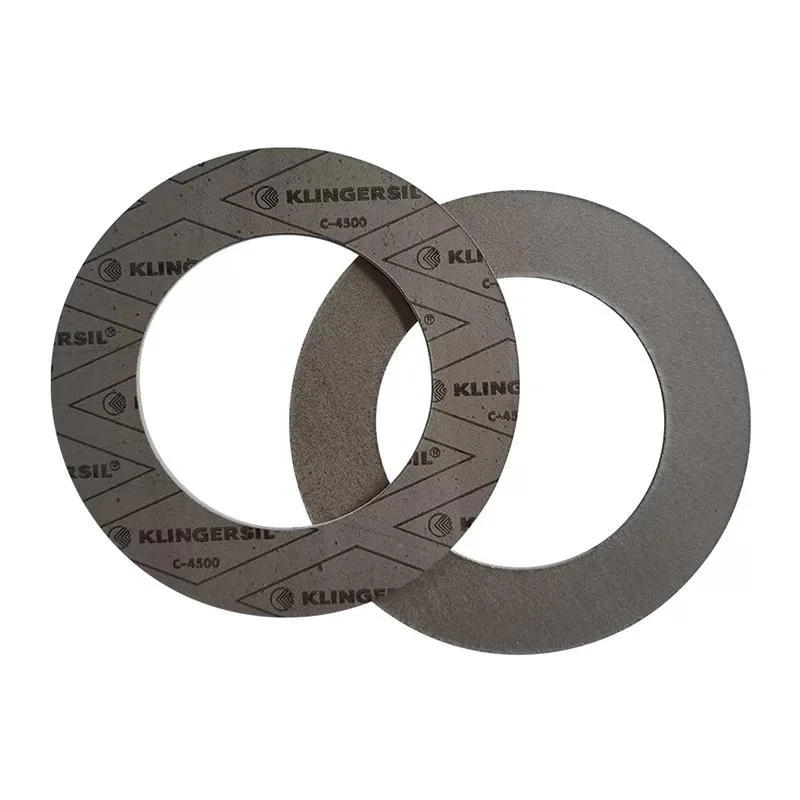
In the demanding landscape of industrial sealing, the quest for materials that combine chemical resilience with mechanical stability is ongoing. The emergence of specialized sealing solutions like the KLINGER top-sil-ML1 has redefined how engineers approach leak prevention in hazardous environments, ensuring that critical junctions remain secure under extreme pressure and temperature fluctuations.
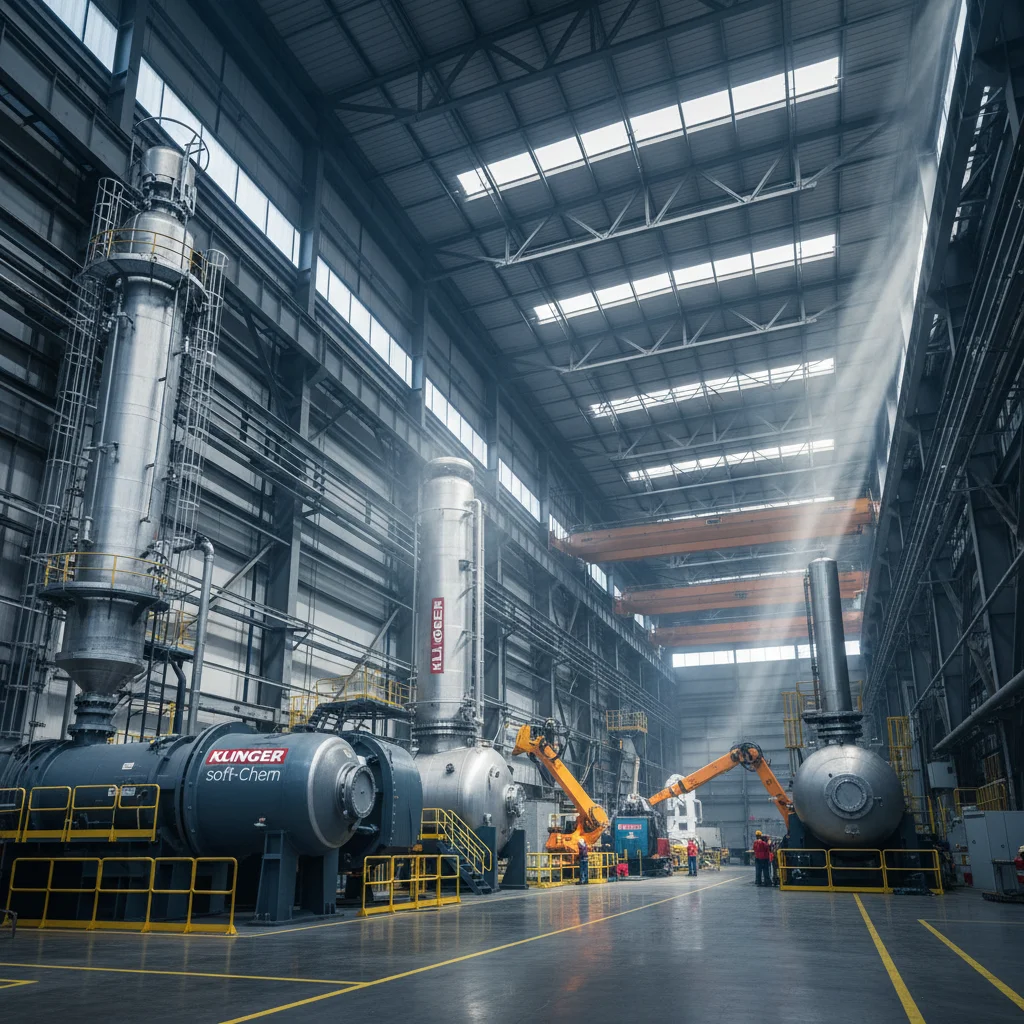
Globally, the rubber and plastics manufacturing sector faces increasing pressure to adhere to stricter environmental and safety standards. Implementing high-performance components such as the KLINGER top-sil-ML1 allows facilities to reduce downtime and prevent hazardous leaks, which is essential for maintaining operational continuity in petrochemical, pharmaceutical, and energy plants.
Understanding the technical nuances of KLINGER top-sil-ML1 is not merely about selecting a part, but about optimizing the entire lifecycle of industrial equipment. By integrating this advanced material, companies can achieve a superior balance between longevity and cost-efficiency, effectively mitigating the risks associated with traditional sealing failures.

Table of Contents [Hide]
The Industrial Significance of KLINGER top-sil-ML1

The industrial significance of KLINGER top-sil-ML1 lies in its ability to bridge the gap between standard rubber gaskets and high-end synthetic seals. In an era where ISO standards demand zero-leakage policies for volatile organic compounds (VOCs), having a reliable sealing medium is critical for both environmental compliance and worker safety.
By utilizing a specialized molecular structure, the KLINGER top-sil-ML1 ensures a tight seal even in the presence of aggressive chemical agents. This reduces the frequency of emergency shutdowns, thereby increasing the overall equipment effectiveness (OEE) of the manufacturing line.
FAQS
What makes KLINGER top-sil-ML1 superior to standard rubber gaskets?
The KLINGER top-sil-ML1 is superior due to its advanced polymer composition, which provides significantly higher resistance to chemical degradation and thermal cycling. While standard gaskets often fail under extreme temperature swings or when exposed to aggressive solvents, the top-sil-ML1 maintains its structural integrity and sealing force, reducing the risk of unplanned downtime and leaks.
How long can KLINGER top-sil-ML1 last in high-pressure environments?
Depending on the specific media and temperature, KLINGER top-sil-ML1 can last significantly longer than conventional seals. Its low creep properties and high recovery rate mean it can maintain a seal for thousands of hours without needing retightening. In typical high-pressure industrial applications, it often extends the maintenance interval by 30% to 50%.
Is the KLINGER top-sil-ML1 compatible with all types of industrial chemicals?
While the KLINGER top-sil-ML1 is designed for a vast range of chemicals, including many acids and alkalis, it is always recommended to check the specific compatibility chart for your process fluid. Most common industrial solvents and hydrocarbons are well-handled, but extremely aggressive oxidizing agents should be verified against the technical datasheet to ensure maximum longevity.
Can KLINGER top-sil-ML1 be used in food or pharmaceutical applications?
Yes, the KLINGER top-sil-ML1 is often engineered to meet the strict purity requirements of the pharmaceutical and food industries. Its low-leachable profile ensures that no harmful particles migrate into the product stream, making it compliant with international safety standards for clean-room and sterile environments.
How do I install KLINGER top-sil-ML1 to ensure a perfect seal?
Proper installation involves ensuring that the flange faces are clean and free of old gasket debris. The KLINGER top-sil-ML1 should be centered precisely, and bolts should be tightened in a cross-pattern sequence to a specific torque value. This ensures uniform compression across the seal surface, which is critical for achieving the designed leak-proof performance.
Is KLINGER top-sil-ML1 an eco-friendly choice for modern plants?
Absolutely. By preventing fugitive emissions and reducing the frequency of gasket replacements, the KLINGER top-sil-ML1 contributes to a smaller environmental footprint. Less waste is generated over the equipment's lifetime, and the prevention of hazardous leaks protects the surrounding ecosystem, aligning with corporate sustainability and ESG goals.
Conclusion
The integration of KLINGER top-sil-ML1 into industrial sealing systems represents a strategic move toward higher safety, improved reliability, and reduced operational costs. By combining superior chemical resistance with exceptional mechanical stability, this component addresses the most critical challenges of modern rubber part manufacturing, ensuring that industrial processes remain efficient and leak-free.
As the industry evolves toward smarter and more sustainable materials, the foundation laid by the KLINGER top-sil-ML1 will be essential for the next generation of engineering breakthroughs. We encourage facility managers and engineers to prioritize high-performance sealing solutions to safeguard their infrastructure and the environment. Visit our website for more details: www.gzhtmf.com
Related Posts


Updated:

Daniel Garcia
Daniel Garcia is the Logistics and Supply Chain Manager at HUITE Sealing. He ensures timely and efficient delivery of our gaskets to clients worldwide. With 12 years of experience in international logistics, Daniel manages all aspects of our supply chain, from raw material sourcing to final product delivery. He is adept at navigating complex import/export regulations and optimizing transportation costs. Daniel is critical in guaranteeing consistent availability of genuine KLINGER and DONIT sheets for our gasket production.


