Guangzhou Huite Sealing Machinery Co., Ltd.




0%
In the demanding world of cryogenic transport, the LNG carrier gasket serves as a critical line of defense, ensuring that liquefied natural gas remains securely contained at temperatures as low as -162°C. These specialized sealing components are engineered to prevent hazardous leaks in an environment where standard materials would simply shatter, making them indispensable for the safety of the crew and the protection of the marine environment.
The global shift toward cleaner energy has led to a surge in LNG shipments, placing unprecedented pressure on the reliability of shipboard infrastructure. Because a single failure in a flange connection can lead to catastrophic "boil-off" or dangerous gas release, the industry has moved toward high-performance materials like reinforced graphite and PTFE to maintain airtight integrity under extreme thermal cycling.
Understanding the technical nuances of the LNG carrier gasket is not merely a matter of maintenance but a strategic necessity for operational efficiency. By selecting gaskets that balance compressive strength with low-temperature flexibility, ship operators can significantly reduce downtime and extend the service life of their cryogenic piping systems.
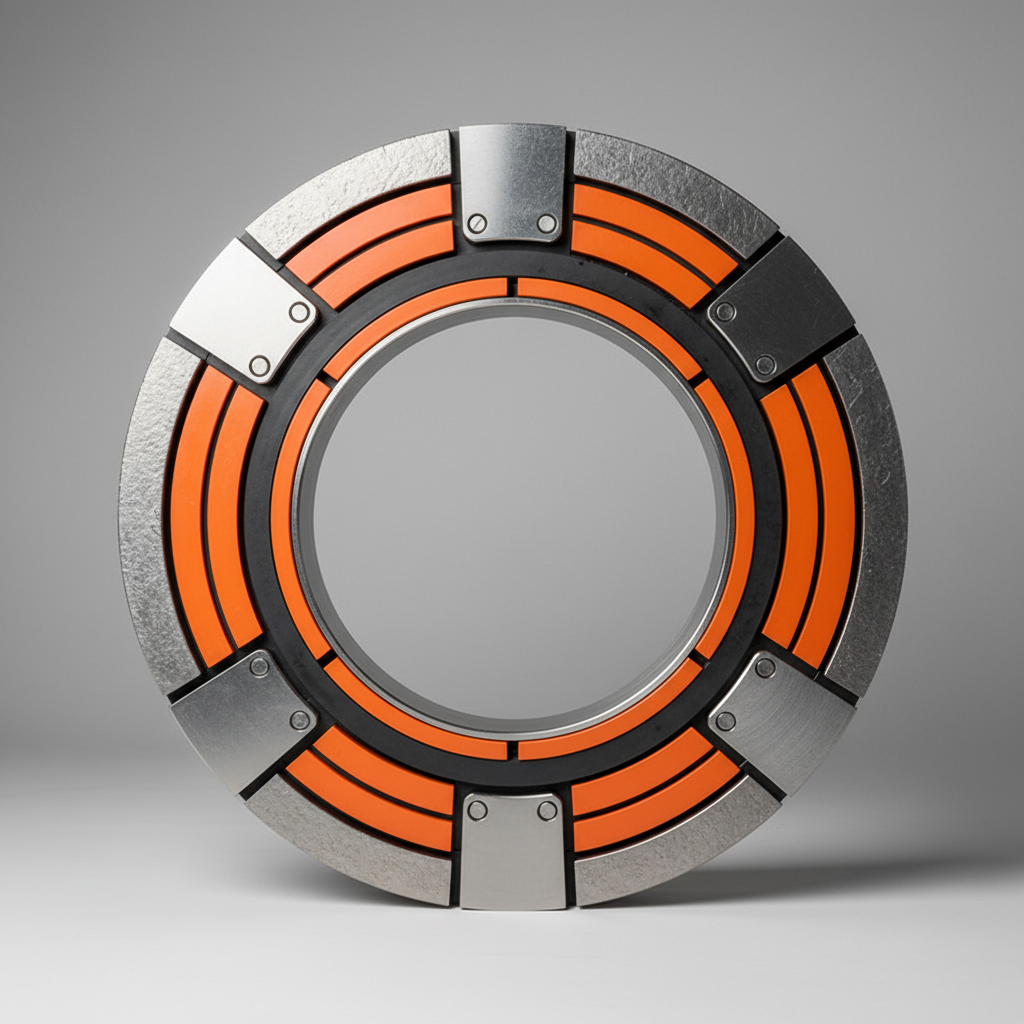
Table of Contents [Hide]
The Critical Role of LNG Carrier Gaskets in Cryogenics
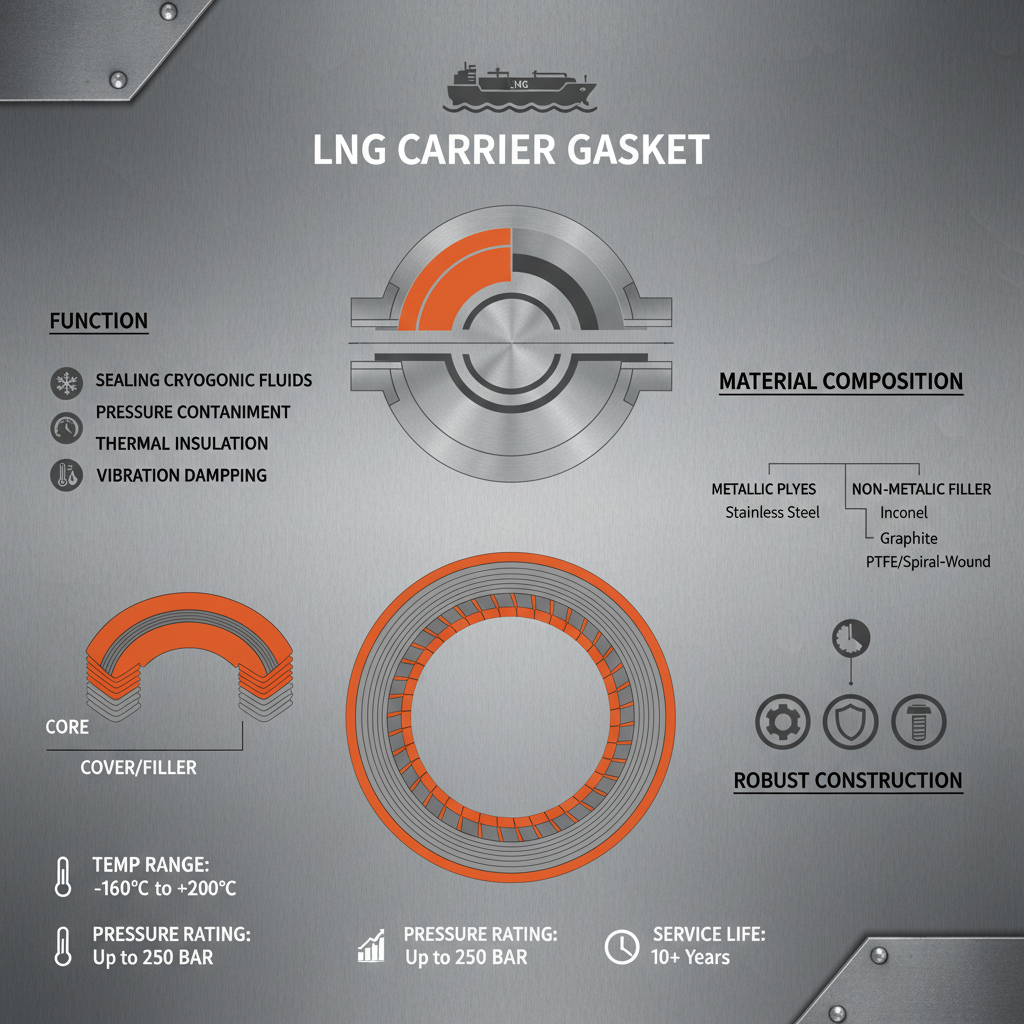
At the heart of every LNG vessel is a complex network of piping that must withstand the brutal transition from ambient temperature to deep cryogenic states. The LNG carrier gasket acts as the primary sealant between flanges, absorbing the mechanical stresses caused by the contraction of metal components. Without these high-precision seals, the risk of cryogenic burns and explosive gas leaks would make large-scale LNG transport impossible.
Beyond simple containment, these gaskets must maintain a "bubble-tight" seal despite the constant vibration of the ship's engines and the undulating movement of the sea. This requires a material that does not become brittle at -162°C, ensuring that the structural integrity of the cargo hold and the fuel gas supply system remains uncompromised throughout the voyage.
FAQS
What makes an LNG carrier gasket different from a standard industrial gasket?
The primary difference is the ability to withstand cryogenic temperatures. Standard gaskets become brittle and crack at -162°C, whereas an LNG carrier gasket is made from materials like PTFE or specialized alloys that maintain flexibility and sealing force in extreme cold, preventing dangerous gas leaks.
How often should LNG carrier gaskets be replaced?
Replacement intervals depend on the material and the frequency of thermal cycling. While some high-performance metallic gaskets can last 10 years, PTFE-based seals may need inspection every 5 years. We recommend a predictive maintenance approach based on leak detection sensors and visual inspections during scheduled dry-docking.
Can I use a non-asbestos gasket in an LNG cryogenic line?
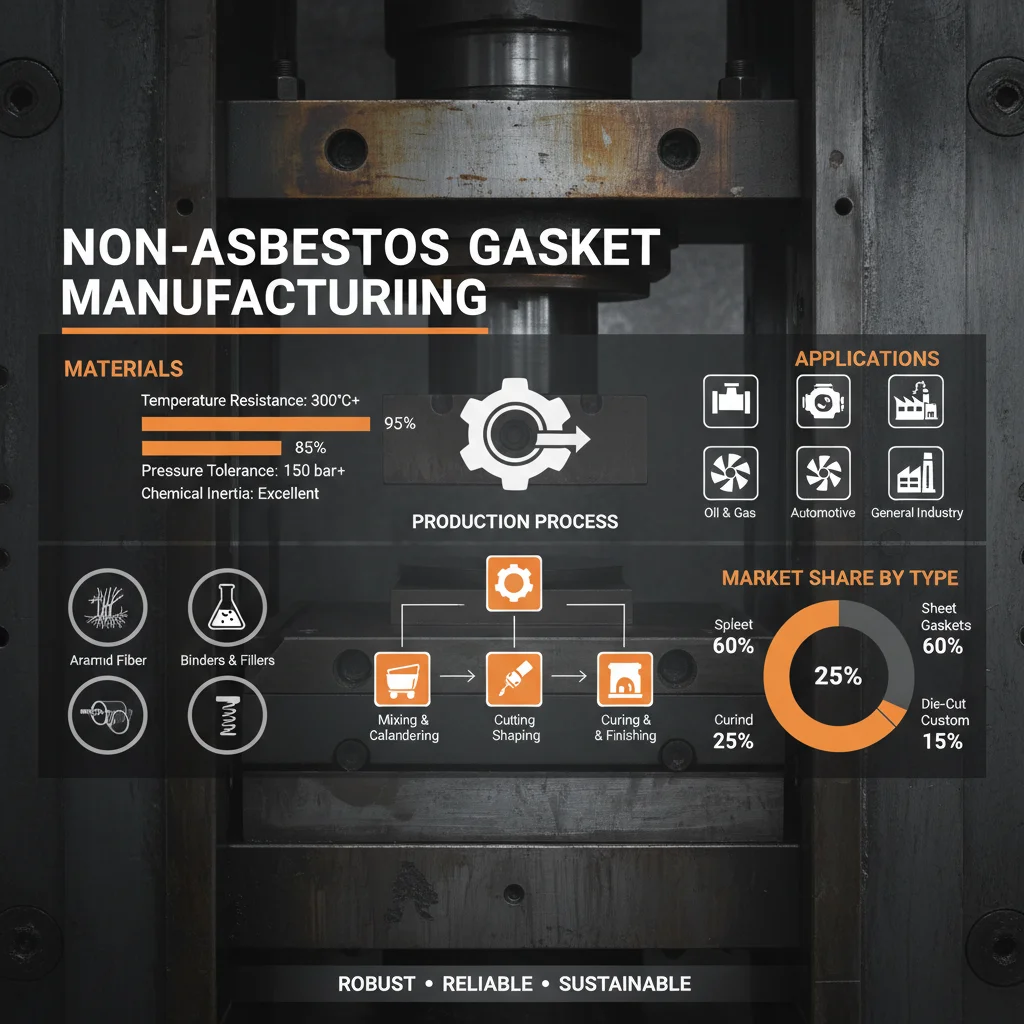
While non-asbestos gaskets are safer and eco-friendly, they may not have the required cryogenic properties for the main liquid lines. They are suitable for auxiliary, low-pressure, or ambient temperature systems, but for primary LNG containment, spiral wound or reinforced PTFE gaskets are required for safety.
What is the risk of using an incorrectly sized LNG carrier gasket?
An incorrectly sized gasket can lead to uneven compression, which causes "blow-outs" or slow leaks. In an LNG environment, even a microscopic leak can lead to the formation of ice plugs or explosive gas pockets, making precise sizing and adherence to flange standards (like ASME or DIN) absolutely critical.
Do these gaskets require special installation tools?
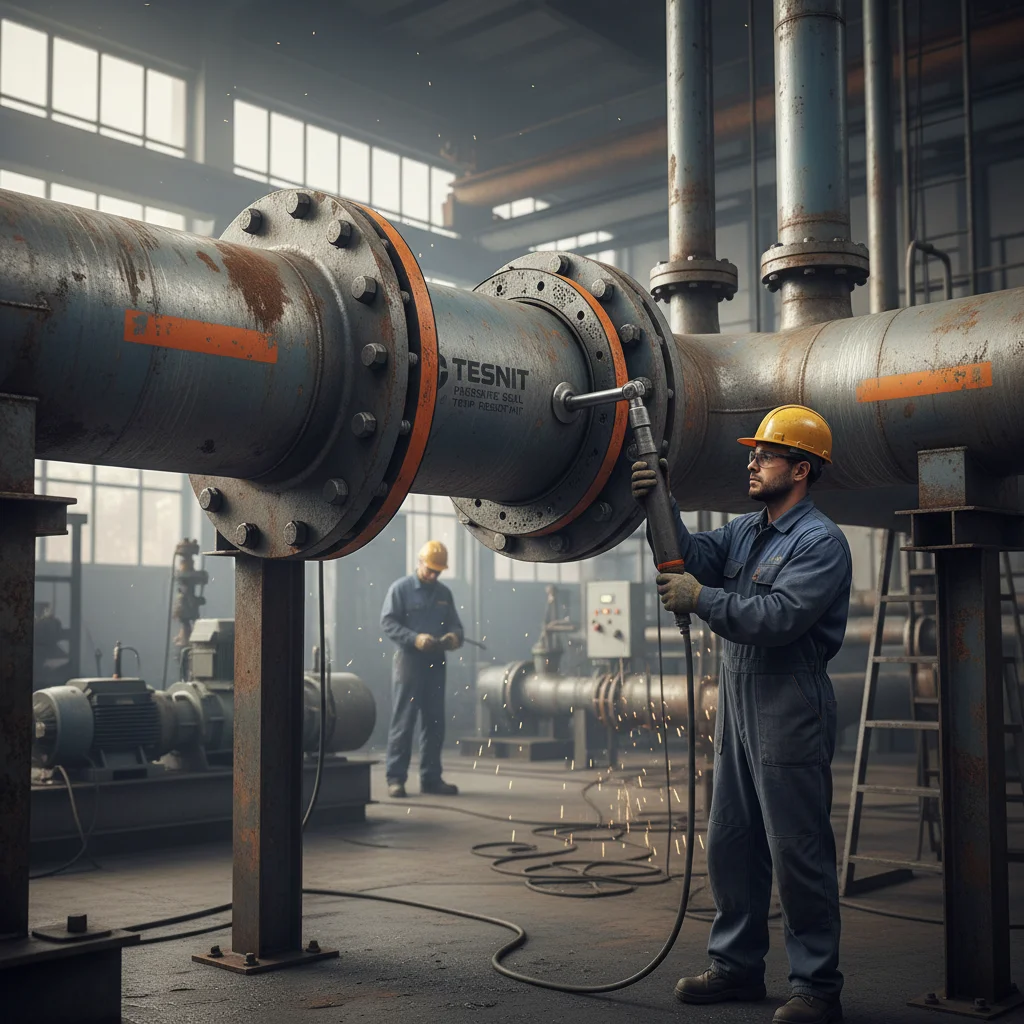
Yes, ensuring the correct torque is vital. We recommend using calibrated torque wrenches and following a specific cross-pattern tightening sequence. This ensures the LNG carrier gasket is compressed evenly, preventing flange warping and ensuring a bubble-tight seal.
Are there eco-friendly options for cryogenic sealing?
Absolutely. The industry has shifted away from asbestos to reinforced PTFE and high-purity graphite. These materials are not only safer for the technicians installing them but also more sustainable, offering longer service lives and reducing the volume of waste generated during vessel maintenance.
Conclusion
The LNG carrier gasket is far more than a simple rubber or metal ring; it is a sophisticated piece of engineering that enables the safe global transport of energy. By integrating advanced materials like reinforced PTFE and spiral wound steel, these components manage the extreme duality of cryogenic cold and high-pressure stress, ensuring that LNG logistics remain efficient and risk-free.
As we look toward a future of hydrogen-powered shipping and smarter, sensor-driven maintenance, the role of high-performance sealing will only grow in importance. We encourage ship operators and engineers to prioritize material quality over initial cost to ensure long-term operational safety and environmental stewardship. For professional consultation and high-specification sealing solutions, visit our website: www.gzhtmf.com.

Updated:

Daniel Garcia
Daniel Garcia is the Logistics and Supply Chain Manager at HUITE Sealing. He ensures timely and efficient delivery of our gaskets to clients worldwide. With 12 years of experience in international logistics, Daniel manages all aspects of our supply chain, from raw material sourcing to final product delivery. He is adept at navigating complex import/export regulations and optimizing transportation costs. Daniel is critical in guaranteeing consistent availability of genuine KLINGER and DONIT sheets for our gasket production.


