Guangzhou Huite Sealing Machinery Co., Ltd.
HighPerformance Spiral wound gasket Solutions for Switzerland

High-Performance Spiral wound gasket Solutions for Switzerland

Delivering Reliable Sealing Solutions for Critical Applications Across Europe.

The Current Landscape of Gasket Manufacturing in Switzerland

Market Analysis and Key Trends

Switzerland's robust manufacturing sector, particularly in pharmaceuticals, chemicals, and machinery, drives consistent demand for high-performance gaskets. The country's commitment to precision engineering and quality control necessitates gaskets that meet stringent standards. The geographic location, with its mountainous terrain and diverse climate, also presents unique challenges for gasket performance, demanding materials that can withstand temperature fluctuations and varying pressures.

The Swiss market is characterized by a focus on sustainability and environmental responsibility. This translates to a growing preference for Non-asbestos gasket materials and eco-friendly manufacturing processes. Competition is high, with both domestic manufacturers and international suppliers vying for market share. Reliability and adherence to industry regulations, such as API standards, are paramount.

Switzerland's strong economic stability and skilled workforce contribute to a technologically advanced manufacturing environment. This allows for the adoption of innovative gasket designs and materials, such as advanced PTFE formulations and high-performance graphite composites. Furthermore, the country's position as a major trading hub facilitates efficient supply chains and access to global markets.
Evolution of Gasket Technology and Market Trajectory

From Traditional Materials to Advanced Sealing Solutions

Market Development History

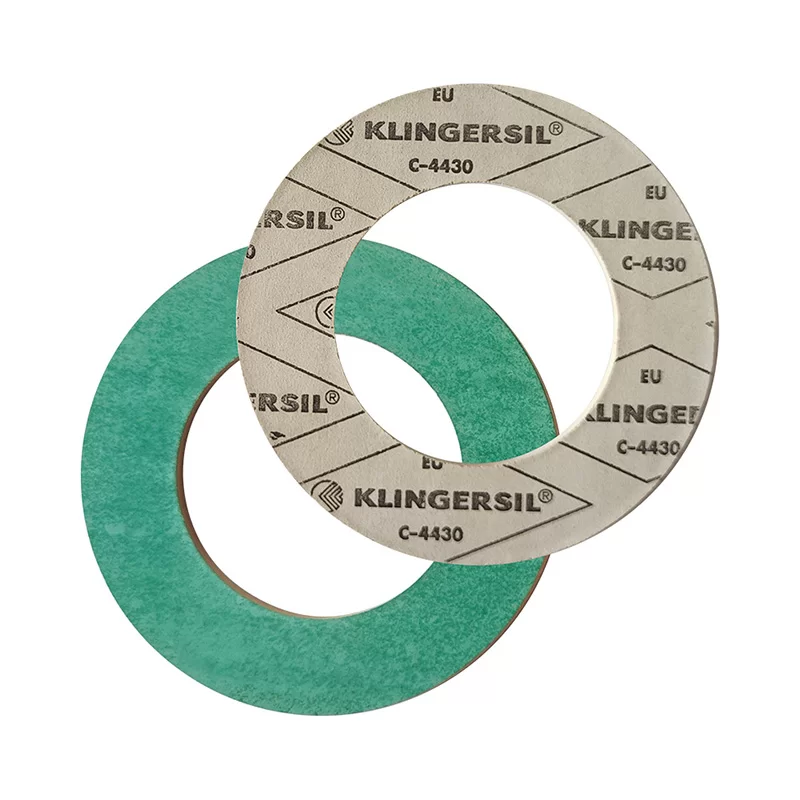
Historically, gaskets in Switzerland relied heavily on asbestos-containing materials. From the early 20th century until the 1980s, asbestos was favored for its excellent heat resistance and sealing properties. However, growing health concerns led to strict regulations and a gradual phasing out of asbestos gaskets, beginning in the 1990s.

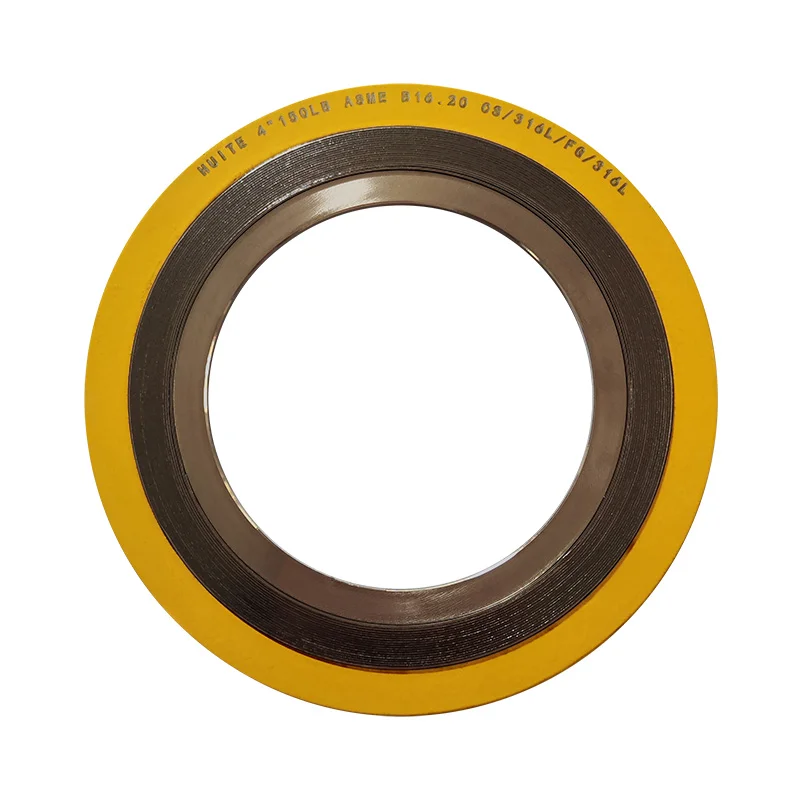
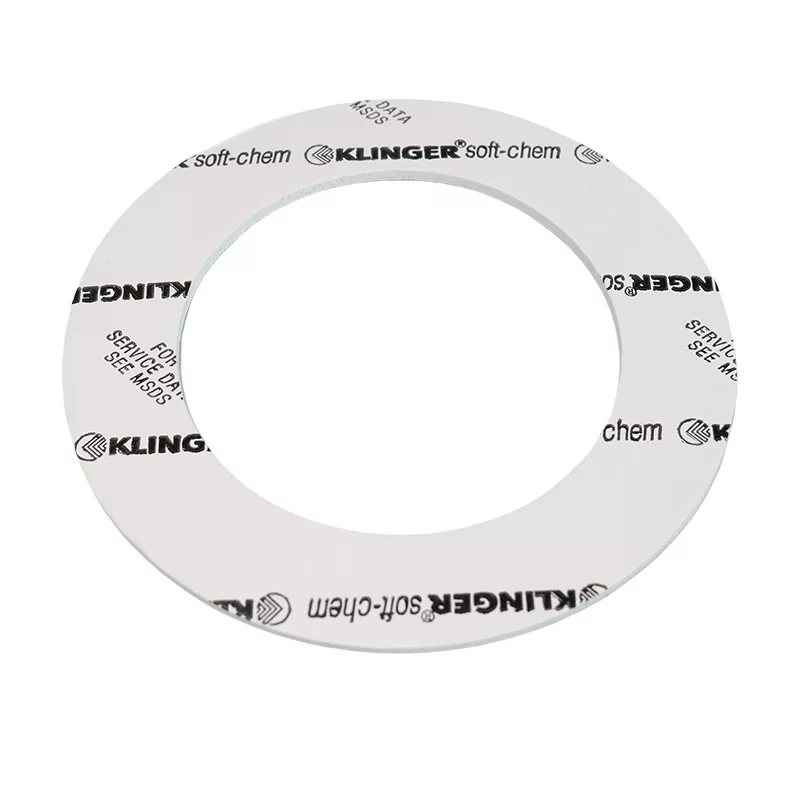
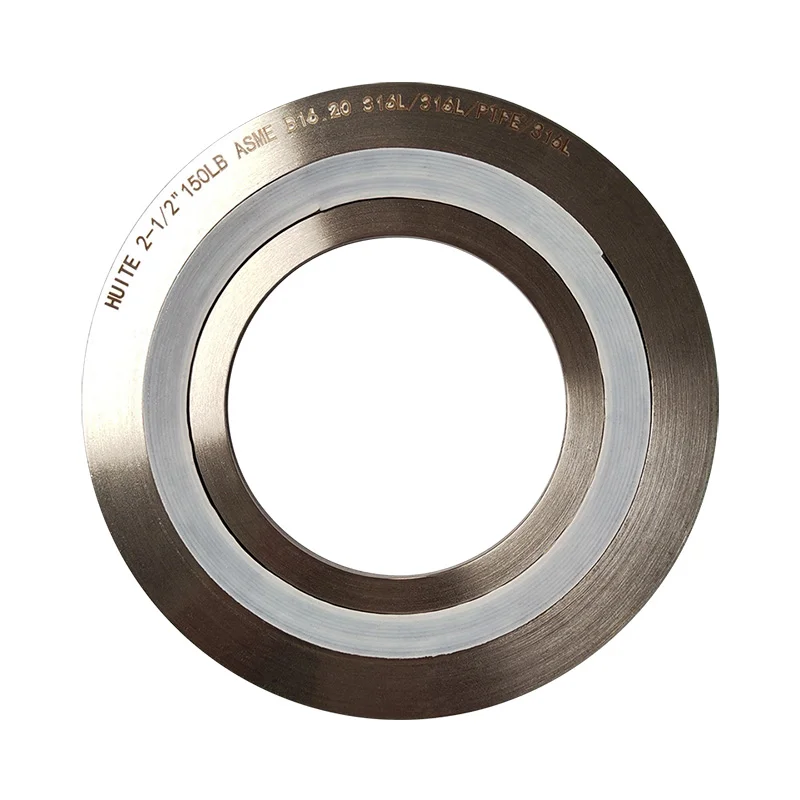
The 1990s and 2000s witnessed the rise of alternative materials, including Reinforced graphite gasket and PTFE-based gaskets. These materials offered comparable performance to asbestos without the associated health risks. Simultaneously, the adoption of Spiral wound gasket technology gained traction due to its versatility and ability to handle high pressures and temperatures.

The 21st century has seen continuous innovation in gasket materials and designs. Advanced PTFE compounds, engineered polymers, and multilayer gaskets have emerged, offering enhanced sealing performance and extended service life. The integration of digital technologies, such as FEA analysis, has also enabled manufacturers to optimize gasket designs for specific applications.

Future Development Trends

Advanced Materials Research

Ongoing research focuses on developing new gasket materials with improved chemical resistance, temperature stability, and mechanical properties. Nanomaterials and self-healing polymers are showing promising potential.

Digitalization and Smart Gaskets

The integration of sensors and data analytics into gaskets will enable real-time monitoring of sealing performance and predictive maintenance. This "smart gasket" technology will enhance operational efficiency and reduce downtime.

Sustainability and Circular Economy

There’s growing emphasis on developing gaskets from sustainable materials and implementing circular economy principles, such as recycling and reuse. Google Trends data shows increasing search interest in “eco-friendly gaskets” and “sustainable sealing solutions” in European markets.

Industry Trends and Future Outlook for Switzerland

Anticipating Future Demands and Technological Advancements

Increased Demand for High-Performance Materials
Swiss industries are increasingly requiring gaskets capable of withstanding extreme temperatures, pressures, and corrosive environments.
Growing Adoption of Digital Sealing Solutions
Smart gaskets with integrated sensors and data analytics are gaining popularity for predictive maintenance and optimized performance.
Increased Focus on Sustainability
Demand for environmentally friendly gasket materials and manufacturing processes is steadily rising.
Stringent Regulatory Compliance
Adherence to Swiss and international regulations (e.g., API standards) remains a critical factor for gasket manufacturers.

Industry Outlook

The Swiss gasket market is expected to grow steadily in the coming years, driven by the continued expansion of key industries and the increasing demand for high-performance sealing solutions. The adoption of advanced materials and digital technologies will further fuel this growth. Manufacturers that prioritize sustainability, innovation, and regulatory compliance will be best positioned to succeed.

Switzerland’s commitment to precision and quality ensures that gaskets will remain a vital component in a wide range of applications, from pharmaceutical manufacturing to power generation. The future of gasket technology in Switzerland will be shaped by the ongoing pursuit of enhanced performance, reliability, and environmental responsibility.

Local Application Scenarios in Switzerland

Real-World Examples of Gasket Usage

1. Pharmaceutical Manufacturing

Swiss pharmaceutical companies require gaskets that can withstand exposure to aggressive chemicals and maintain sterile conditions. PTFE gaskets and Reinforced graphite gasket are commonly used in bioreactors, mixers, and filling machines.

2. Chemical Processing

The Swiss chemical industry utilizes gaskets in pipelines, reactors, and storage tanks handling corrosive substances. Spiral wound gasket designed for chemical resistance are crucial for maintaining safety and preventing leaks.

3. Hydropower Plants

Switzerland’s abundant hydropower resources rely on robust sealing solutions for turbines and water control systems. API 6FB Spiral wound gasket are frequently employed in these applications due to their high pressure resistance and reliability.

4. Precision Machinery

Swiss manufacturers of precision machinery demand gaskets that can withstand high temperatures and pressures while maintaining tight tolerances. Specialized PTFE gasket and custom-designed gaskets are often used in these applications.

5. Food and Beverage Processing

The Swiss food and beverage industry needs gaskets that meet stringent hygiene standards. Non-asbestos gasket are commonly used in processing equipment and pipelines.

Brand Story

Guangzhou Huite Sealing Mechanical Co., Ltd. - Global Development Journey

Our Commitment to Excellence

Established in Guangzhou, China, Huite Sealing has rapidly become a trusted supplier of high-quality gaskets to industries worldwide.

Focus on Innovation

We invest heavily in research and development to create cutting-edge sealing solutions that meet the evolving needs of our clients.

Quality Assurance

Our rigorous quality control processes ensure that every gasket meets the highest standards of performance and reliability.

Customer-Centric Approach

We are dedicated to providing exceptional customer service and building long-term relationships with our clients.

Solving Sealing Challenges

Our mission is to eliminate sealing failures and optimize the performance of our customers’ equipment.

Frequently Asked Questions - Switzerland

Addressing Common Concerns About Gasket Selection and Performance

What is the best gasket material for applications involving highly corrosive chemicals in Swiss pharmaceutical plants?

For applications with highly corrosive chemicals, PTFE gaskets are generally the most suitable option due to their exceptional chemical resistance. However, the specific chemical composition and concentration should be considered when selecting the PTFE grade.

How do Spiral wound gasket perform in high-pressure, high-temperature applications common in Swiss hydropower facilities?

Spiral wound gasket are designed to withstand high pressures and temperatures. The specific pressure and temperature ratings depend on the gasket’s construction, including the filler material and winding configuration.

Are Non-asbestos gasket materials compliant with Swiss environmental regulations?

Yes, our Non-asbestos gasket materials are fully compliant with Swiss environmental regulations. They do not contain asbestos or other hazardous substances.

What is the typical lead time for custom-designed gaskets in Switzerland?

The lead time for custom-designed gaskets typically ranges from 2 to 4 weeks, depending on the complexity of the design and the quantity required.

Do you offer gaskets that meet API 6FB standards for flange connections in Swiss oil and gas facilities?

Yes, we manufacture API 6FB Spiral wound gasket that meet the stringent requirements of API 6FB standards for flange connections.

How can I determine the correct gasket size and type for my specific application in Switzerland?

We recommend consulting with our experienced engineers who can assist you in selecting the appropriate gasket size and type based on your application’s specific requirements.

Get in Touch with Our Experts

We are here to help you find the perfect sealing solution for your needs in Europe - Switzerland.

Contact Us Now

If you are interested in our products, you can choose to leave your information here, and we will be in touch with you shortly.