Guangzhou Huite Sealing Machinery Co., Ltd.
HighPerformance Spiral wound gasket Solutions for Yemen’s Industries
  • Home
  • Global Service
  • HighPerformance Spiral wound gasket Solutions for Yemen’s Industries

High-Performance Spiral wound gasket Solutions for Yemen's Industries

Delivering reliable sealing solutions for oil & gas, petrochemical, and power generation applications across Yemen and the wider Asian region.

Yemen's Current Market Landscape for Industrial Gaskets

Challenges and Opportunities in a Developing Industrial Sector

Yemen's industrial sector, while possessing significant potential, currently faces considerable challenges including geopolitical instability and infrastructural limitations. The demand for robust sealing solutions like Spiral wound gaskets is largely driven by the oil and gas industry, which represents a substantial portion of the nation’s economic activity. However, supply chain disruptions and import restrictions often present obstacles to obtaining high-quality components.

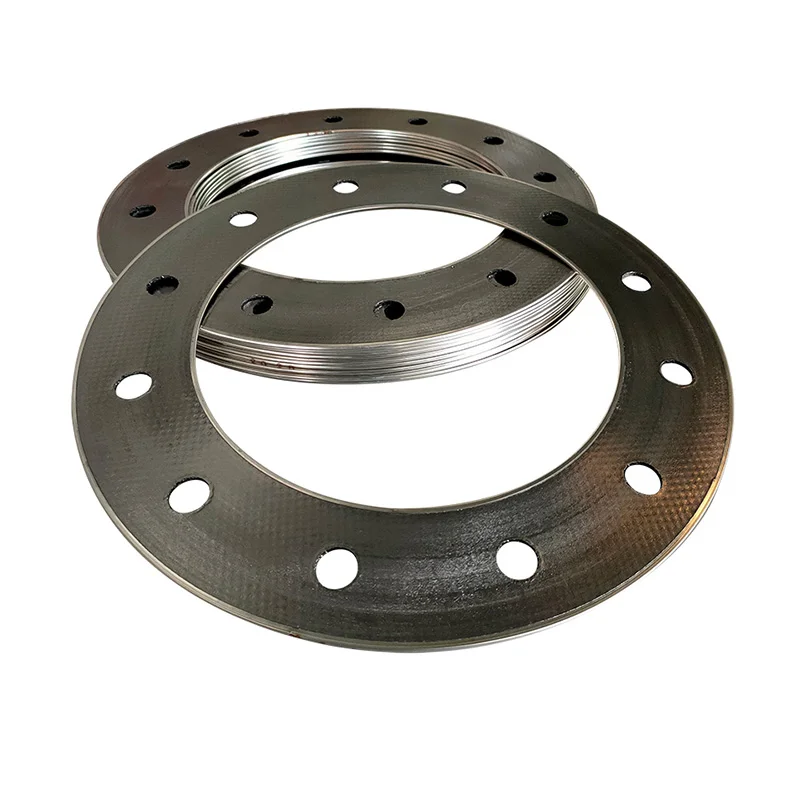
The geographical characteristics of Yemen – a largely arid climate with exposure to corrosive marine environments – demand gaskets capable of withstanding extreme temperatures and aggressive chemical exposure. This necessitates the use of materials like Reinforced graphite gasket and PTFE gasket, which offer superior resistance to degradation. Localized manufacturing capabilities are limited, leading to a dependence on imports.

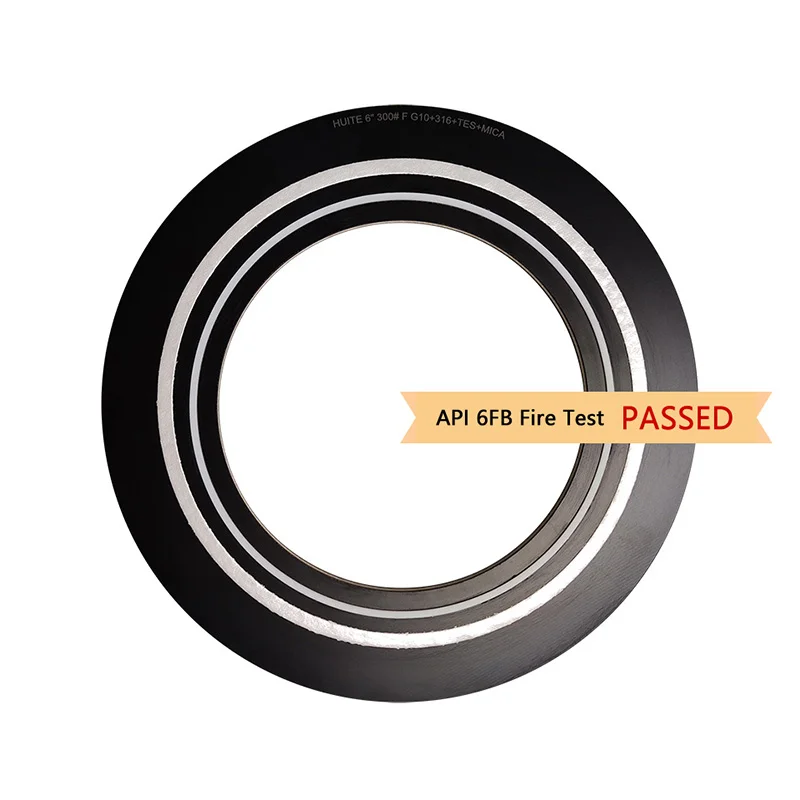
Despite the hurdles, ongoing reconstruction efforts and potential future investments in infrastructure and energy projects are expected to create a growing demand for reliable sealing solutions. The adoption of international standards, such as API 6FB Spiral wound gasket specifications, is increasing as projects prioritize safety and operational efficiency.
Evolution of Gasket Technology and Market Development

Tracing the advancements in sealing technology and their application in Yemen's industrial landscape.

Market Development History

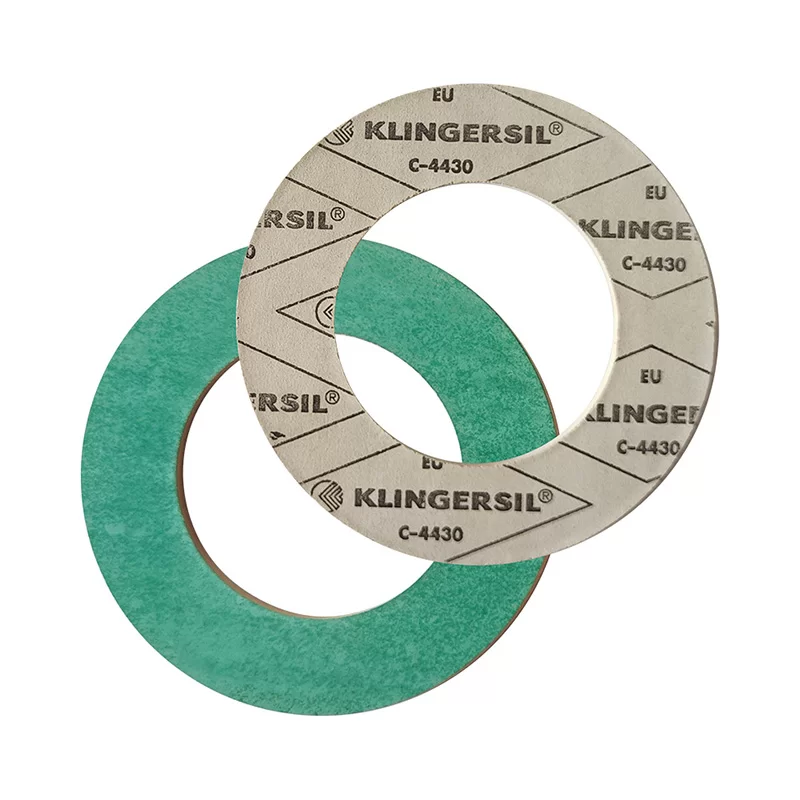
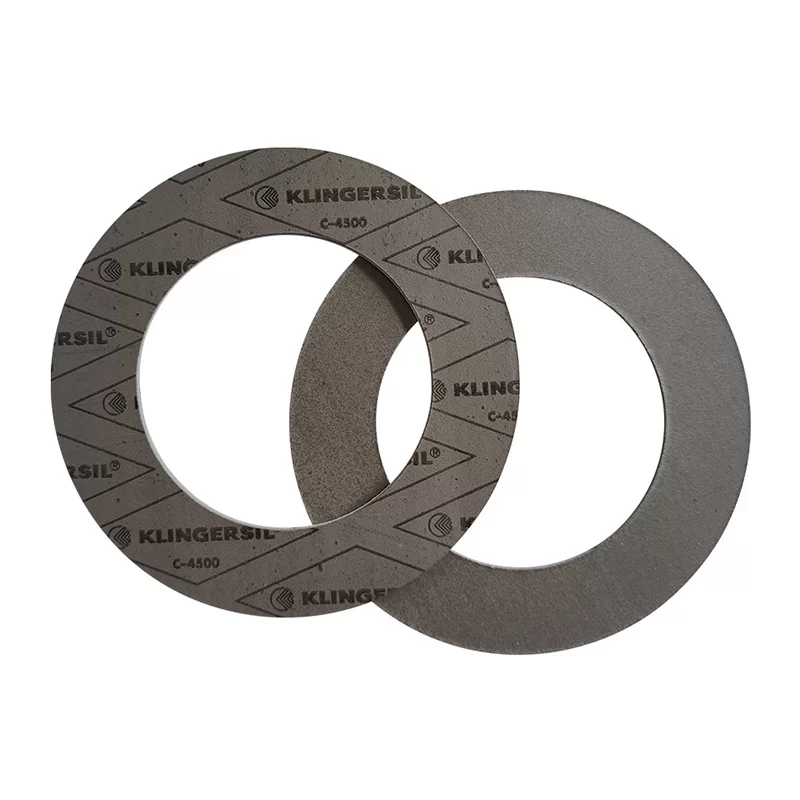
Initially, Yemen’s industrial sealing needs were met with basic, often asbestos-based, gaskets. From the 1970s onward, with the expansion of the oil & gas sector, demand shifted towards more durable and chemically resistant materials. The 1980s witnessed a gradual introduction of Non-asbestos gasket alternatives due to growing health concerns.

The 1990s and early 2000s saw the increasing adoption of spiral wound gaskets, particularly in high-pressure and high-temperature applications within the petroleum industry. Concurrently, the need for compliance with international standards – driven by multinational oil companies operating in Yemen – fostered the demand for API 6FB Spiral wound gasket certified products.

The last decade has focused on optimizing gasket performance through the implementation of advanced materials like reinforced graphite and PTFE. The drive for cost-effectiveness and extended service life has fueled innovation in gasket design and manufacturing processes.

Future Development Trends

Enhanced Material Science

Research and development are focusing on novel gasket materials with improved resistance to extreme temperatures, pressures, and aggressive chemicals. Nanotechnology is expected to play a crucial role in enhancing material properties.

Digitalization & Predictive Maintenance

Integration of sensors and data analytics to monitor gasket performance in real-time, enabling predictive maintenance and reducing downtime. This will be a key trend influenced by Industry 4.0 principles.

Sustainability & Eco-Friendly Materials

Growing demand for environmentally friendly gasket materials and manufacturing processes, aligned with global sustainability initiatives. This includes a shift away from traditional materials and towards bio-based and recyclable alternatives.

Industry Trends and Future Outlook for Yemen

Navigating the path forward for industrial sealing solutions in Yemen.

Increased Demand for High-Performance Materials
Driven by the need to withstand harsh operating conditions and reduce maintenance costs, there will be a growing preference for gaskets made from materials like PTFE and reinforced graphite.
Growing Adoption of API Standards
Increased emphasis on safety and regulatory compliance will drive the demand for API 6FB Spiral wound gasket certified products.
Focus on Cost-Effective Solutions
Clients will increasingly seek sealing solutions that offer a balance between performance and cost, prioritizing long-term value over initial price.
Increased Demand for Local Support
Local availability of gaskets and responsive technical support will be critical factors for businesses operating in Yemen.

Industry Outlook

The Yemeni gasket market is poised for gradual recovery and growth, driven by reconstruction efforts and increasing investments in key sectors. The ability to provide high-quality, reliable sealing solutions that meet international standards will be paramount for success.

Companies that can demonstrate a commitment to local support, offer competitive pricing, and adapt to the evolving needs of the market will be best positioned to capitalize on the emerging opportunities.

Localized Application Scenarios in Yemen

Real-world applications of industrial gaskets in Yemen’s key industries.

1. Oil & Gas Pipeline Sealing

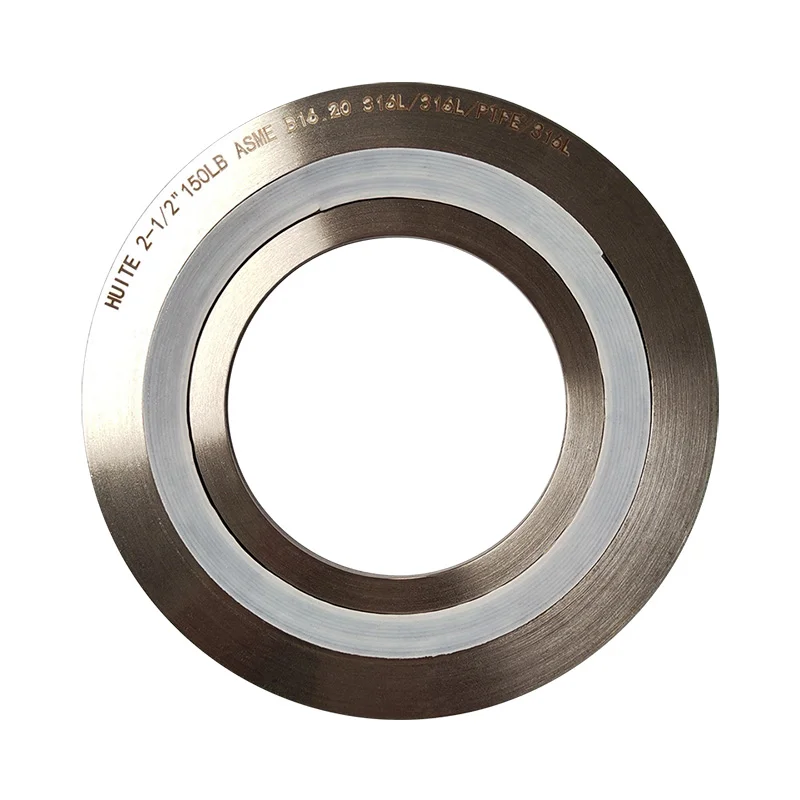
Ensuring leak-proof connections in pipelines transporting crude oil and natural gas across Yemen’s challenging terrain. Spiral wound gaskets and Reinforced graphite gasket are crucial for maintaining operational integrity and environmental protection.

2. Power Generation Plant Flange Joints

Sealing high-pressure steam and water connections in power plants, preventing costly downtime and ensuring efficient energy production. PTFE gaskets are often utilized due to their excellent chemical resistance.

3. Petrochemical Plant Equipment Sealing

Providing reliable sealing for pumps, valves, and reactors in petrochemical facilities, handling corrosive chemicals and extreme temperatures. Specialty Non-asbestos gasket materials are essential for safety and compliance.

4. Water Desalination Plant Flange Connections

Sealing seawater intake and discharge pipelines in desalination plants, combating corrosion and ensuring the reliable supply of potable water. Spiral wound gaskets with specialized coatings are commonly used.

5. Industrial Wastewater Treatment Facilities

Ensuring sealing integrity in wastewater treatment plants handling corrosive fluids and gases. Utilizing robust gasket materials like PTFE gasket to prevent leaks and maintain efficient plant operation.

Brand Story

Guangzhou Huitte Sealing Mechanical Co., Ltd.’s Global Development Journey

Commitment to Quality and Reliability

Founded in Guangzhou, Huitte Sealing has consistently prioritized delivering high-quality, reliable sealing solutions to meet the demands of diverse industries worldwide.

Innovation and Technological Advancement

We invest heavily in research and development to stay at the forefront of gasket technology, continuously improving our products and processes.

Global Reach and Local Expertise

With a global network of partners, we provide localized support and expertise to customers in key markets around the world, including Yemen.

Customer-Centric Approach

We are committed to understanding our customers' unique needs and providing tailored solutions that exceed their expectations.

Solving Sealing Challenges

Our mission is to address the critical sealing challenges faced by industries in Yemen, ensuring safe, efficient, and sustainable operations.

Comprehensive Product Portfolio for Yemen

A wide range of industrial gaskets designed to meet the diverse needs of Yemeni industries.

Frequently Asked Questions - Yemen Market

Addressing common queries about industrial gaskets in Yemen.

What are the key factors to consider when selecting a spiral wound gasket for high-temperature applications in Yemen’s oil refineries?

Temperature range, pressure rating, media compatibility, and flange surface finish are crucial. Consider using gaskets with graphite fillers and stainless steel windings for optimal performance in demanding refinery environments.

How do reinforced graphite gaskets perform in corrosive environments common in Yemen’s petrochemical plants?

Reinforced graphite gaskets offer excellent chemical resistance and can withstand a wide range of corrosive fluids and gases. Choose gaskets with appropriate graphite purity and binder content for specific applications.

What are the advantages of using PTFE gaskets in water desalination plants in Yemen?

PTFE gaskets exhibit exceptional resistance to saltwater corrosion and can maintain sealing integrity in high-humidity environments. They also offer a low coefficient of friction, reducing bolt torque requirements.

Are non-asbestos gaskets compliant with international safety standards for use in Yemeni industrial facilities?

Yes, reputable non-asbestos gaskets are designed to meet or exceed relevant international safety standards (e.g., REACH, RoHS) and are safe for use in industrial applications.

What is the typical lead time for delivering API 6FB spiral wound gaskets to Yemen?

Lead times vary depending on stock availability and shipping logistics. Generally, expect a delivery timeframe of 4-6 weeks to Yemen.

How can I ensure the correct gasket selection for a specific flange connection in my Yemeni plant?

Provide detailed information about the flange type, size, pressure, temperature, and media to our technical team. We can recommend the most appropriate gasket material and design for your application.

Get in Touch with Us

We are your trusted partner for high-performance sealing solutions in Yemen and across Asia. Contact us today to discuss your specific requirements.

Contact Us Now

If you are interested in our products, you can choose to leave your information here, and we will be in touch with you shortly.