Guangzhou Huite Sealing Machinery Co., Ltd.
Premium PTFE Gasket Solutions for Malaysian Industries

Premium PTFE Gasket Solutions for Malaysian Industries

Expertly engineered gaskets for optimal sealing performance in diverse applications across Asia - Malaysia.

Premium PTFE Gasket Solutions for Malaysian Industries

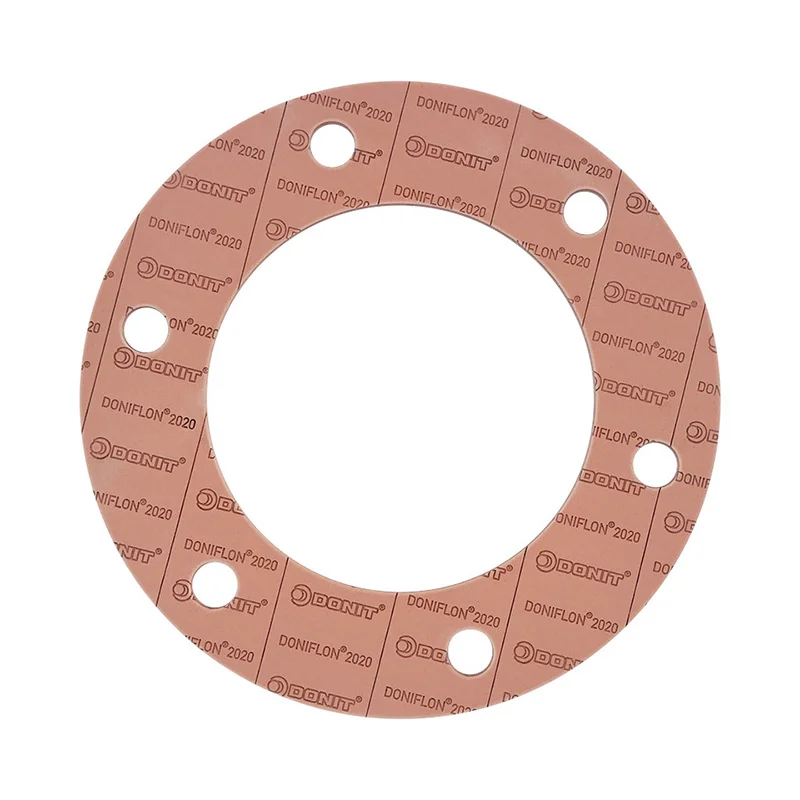
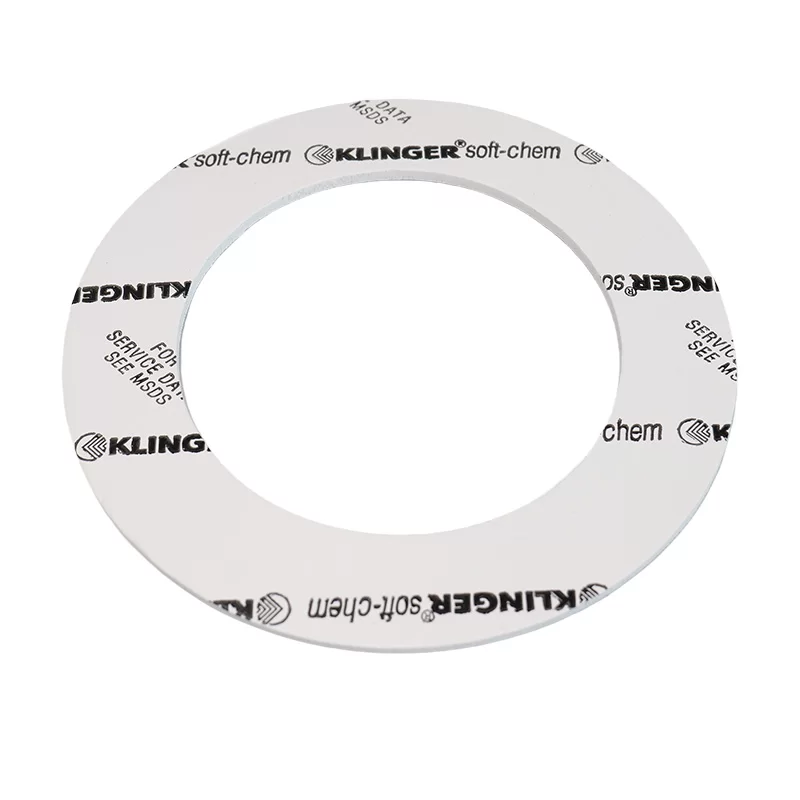
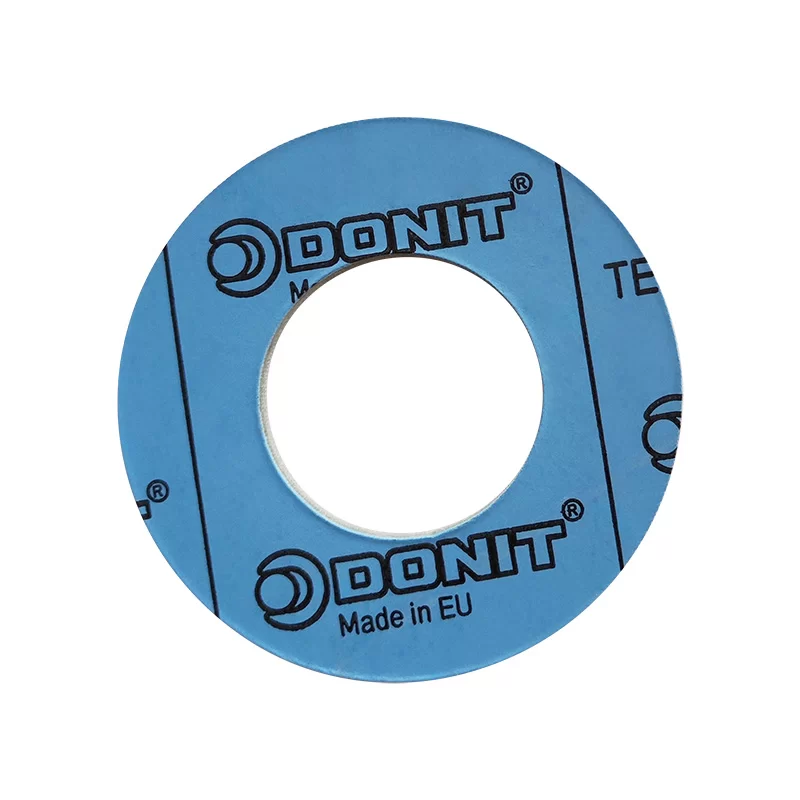
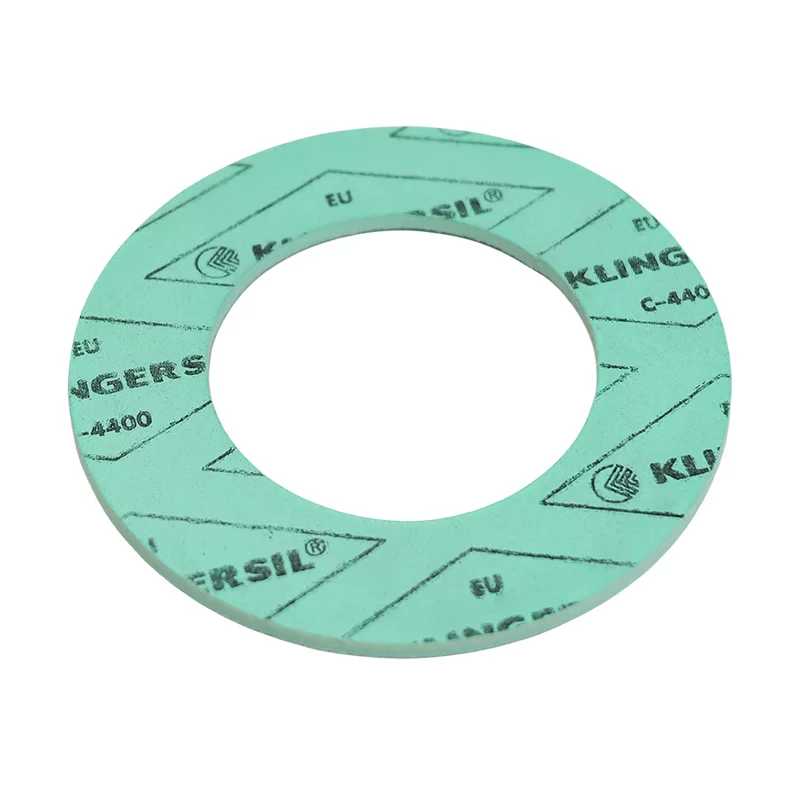
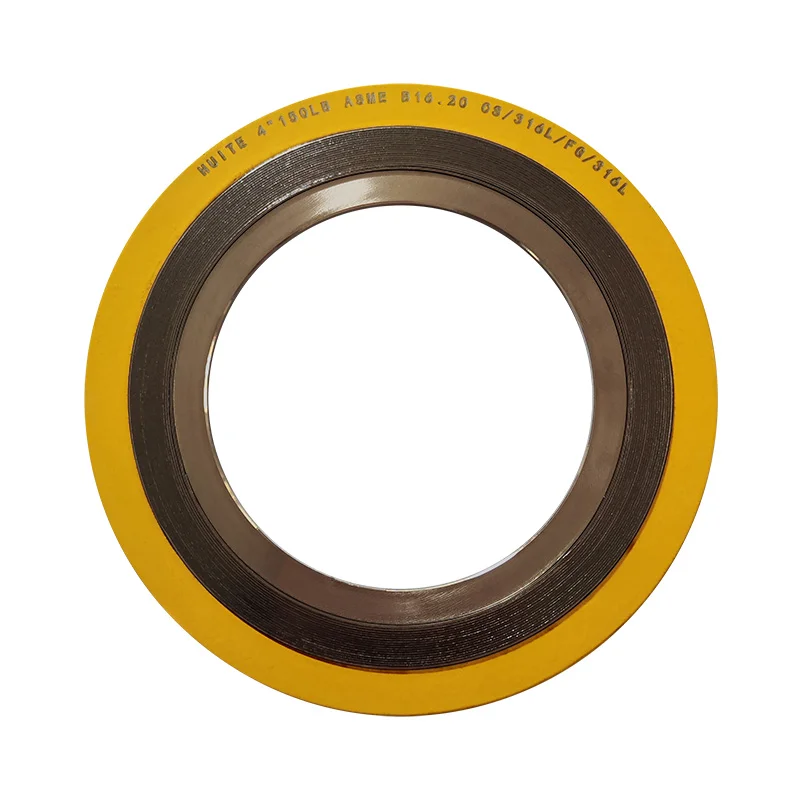
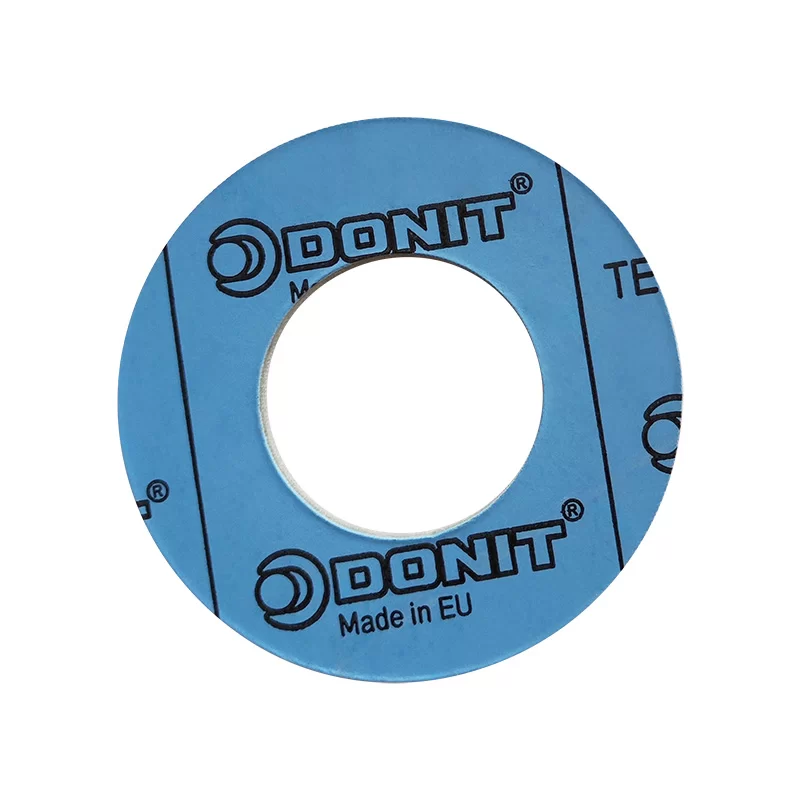
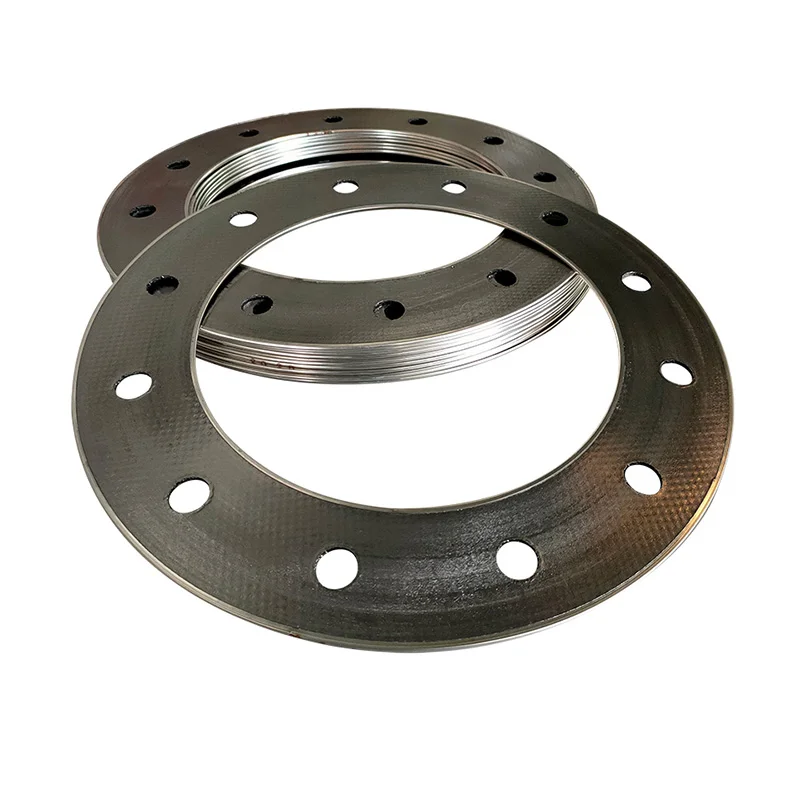
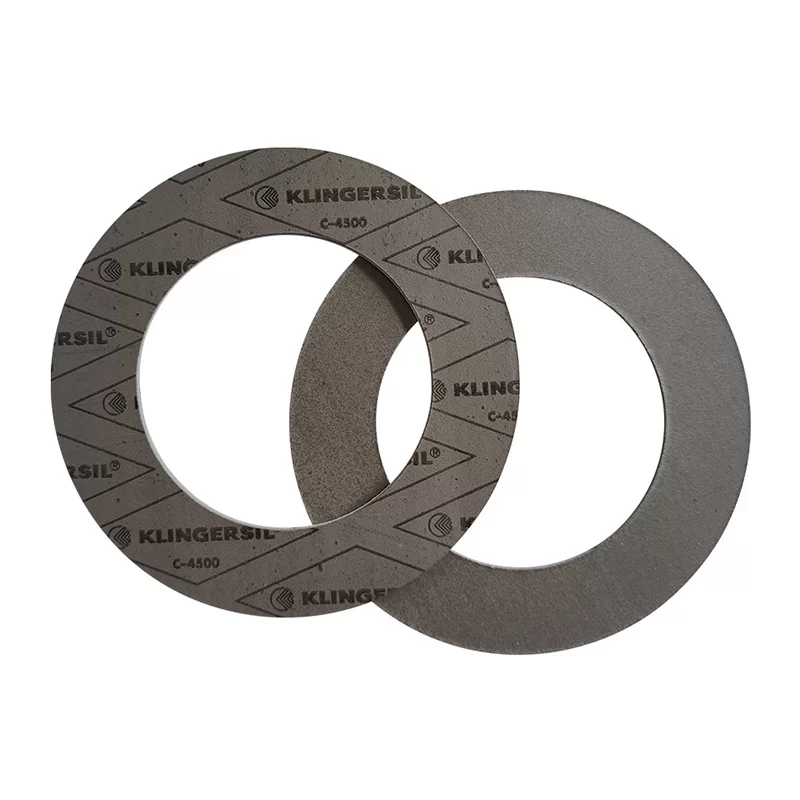
Providing high-performance sealing solutions for critical applications in Malaysia and beyond. We specialize in Spiral wound gasket, API 6FB Spiral wound gasket, Reinforced graphite gasket, PTFE gasket, and Non-asbestos gasket solutions.

The Malaysian Rubber Gasket Landscape

Understanding the Current State of the Sealing Industry in Malaysia

Malaysia’s robust manufacturing sector, particularly in oil & gas, petrochemicals, and palm oil processing, drives significant demand for high-quality rubber and plastic sealing solutions. The country's tropical climate presents unique challenges, including high humidity and temperature fluctuations, demanding gaskets with excellent resistance to degradation and reliable performance. Spiral wound gaskets are particularly crucial in these demanding environments.

The Malaysian market is characterized by a mix of local manufacturers and international suppliers. Increasingly, industries are prioritizing cost-effectiveness alongside quality, creating a competitive landscape. Importantly, adherence to international standards like API 6FB for API 6FB Spiral wound gaskets is becoming paramount for ensuring safety and operational reliability.

Supply chain disruptions and fluctuations in raw material prices (like graphite and PTFE) represent ongoing challenges for gasket manufacturers in Malaysia. Adaptability and strategic sourcing are key to maintaining competitive pricing and consistent product availability. Demand for Non-asbestos gasket options is growing due to increasing health and safety regulations.
Evolution of Gasket Technology in Malaysia

From Traditional Materials to Advanced Sealing Solutions

Market Development History

Historically, gaskets in Malaysia relied heavily on compressed fiber and rubber materials. From the 1970s, with the growth of the oil and gas industry, the need for more reliable and robust sealing solutions became apparent. This led to the introduction of Spiral wound gasket technology, imported from Europe and the USA.

The 1990s saw the increasing adoption of Reinforced graphite gaskets due to their superior temperature and pressure resistance. The push for worker safety also spurred the replacement of asbestos-containing gaskets with alternatives like PTFE and non-asbestos materials. Local manufacturing capabilities began to develop during this period.

The 21st century has witnessed the rise of advanced polymers and composite materials in gasket construction. Emphasis on environmental sustainability is driving demand for eco-friendly gasket materials and manufacturing processes. The adoption of digital technologies like CAD/CAM in gasket design and production has also accelerated.

Future Development Trends

Enhanced Material Science

Research into novel polymeric materials with improved chemical resistance and thermal stability will continue. Expect to see more advanced PTFE formulations and composites tailored for specific industrial applications.

Smart Gaskets with Sensors

Integration of sensors into gaskets to monitor sealing performance, temperature, and pressure in real-time. These "smart gaskets" will provide valuable data for predictive maintenance and improve operational efficiency. Google Trends data shows a growing search volume for “predictive maintenance” and “industrial sensors”.

Digitalization and Automation

Increased automation in gasket manufacturing, including robotic cutting, winding, and testing. Digital twin technology will enable virtual prototyping and optimization of gasket designs.

Industry Trends and Future Outlook for Malaysian Gasket Manufacturers

Navigating Challenges and Opportunities in the Southeast Asian Market

Increasing Demand for Specialized Gaskets
Industries like pharmaceuticals and food processing require gaskets meeting stringent hygiene standards and material certifications.
Focus on Sustainability
Growing demand for eco-friendly gasket materials and manufacturing processes. Companies are looking for biodegradable or recyclable options.
Supply Chain Resilience
Diversifying sourcing strategies and building stronger relationships with suppliers to mitigate risks from global supply chain disruptions.
Digital Transformation
Adoption of Industry 4.0 technologies, including IoT and AI, to optimize gasket design, manufacturing, and performance monitoring.

Industry Outlook

The Malaysian gasket market is poised for continued growth, driven by the expanding manufacturing sector and increasing demand for high-performance sealing solutions. Manufacturers who embrace innovation, sustainability, and digital transformation will be best positioned to succeed in this dynamic landscape.

Focus on specialization, offering customized gasket solutions for niche applications, will be a key differentiator. Investment in research and development to create cutting-edge gasket materials and designs will also be crucial.

Local Application Scenarios in Malaysia

Real-World Use Cases for High-Performance Gaskets

1. Palm Oil Refineries

Palm oil refineries require gaskets resistant to high temperatures, aggressive chemicals, and steam environments. PTFE gaskets and Reinforced graphite gaskets are commonly used in heat exchangers, pipelines, and processing equipment.

2. Petrochemical Plants

Petrochemical plants demand gaskets that can withstand extreme pressures, corrosive fluids, and volatile organic compounds. Spiral wound gaskets and API 6FB Spiral wound gaskets are critical for ensuring leak-free operation of reactors, storage tanks, and pipelines.

3. Power Generation Facilities

Power plants utilizing steam turbines require gaskets capable of withstanding high temperatures and pressures. Reinforced graphite gaskets are frequently used in boiler systems and turbine flanges.

4. Water Treatment Plants

Water treatment facilities need gaskets resistant to chlorine, ozone, and other disinfectants. PTFE gaskets are ideal for sealing pumps, valves, and filtration systems.

5. Food and Beverage Processing

Food and beverage processing requires gaskets with FDA compliance and resistance to cleaning chemicals. Non-asbestos gasket options and specific PTFE formulations are used to ensure product safety.

Brand Story

Guangzhou Huite Sealing Mechanical Co., Ltd.’s Global Development Journey

Foundation & Commitment to Quality

Established in 2008, Guangzhou Huite Sealing Mechanical Co., Ltd. began with a core mission: to provide reliable and innovative sealing solutions for demanding industrial applications.

Expansion & Technological Advancement

Over the years, we’ve expanded our product range and invested heavily in cutting-edge manufacturing technologies, ensuring consistently high-quality gaskets.

Global Reach & Partnerships

We’ve established a strong global presence, serving clients across Asia, Europe, and North America. Strategic partnerships with leading industrial companies drive innovation.

Focus on Customer Needs

We pride ourselves on our customer-centric approach, providing customized solutions and exceptional technical support.

Sustainability & Responsibility

Committed to sustainable manufacturing practices and environmental responsibility, we strive to minimize our impact and contribute to a greener future.

Frequently Asked Questions – Malaysian Market

Addressing Common Queries About Gaskets in Malaysia

What is the best gasket material for high-temperature steam applications in Malaysian refineries?

For high-temperature steam applications, Reinforced graphite gaskets are generally the most suitable due to their excellent thermal stability and resistance to steam degradation. PTFE gaskets can also be used, but may require specific fillers for enhanced performance.

Are API 6FB spiral wound gaskets mandatory for all flange connections in Malaysian petrochemical plants?

While not always legally mandatory, API 6FB Spiral wound gaskets are widely considered best practice in Malaysian petrochemical plants, particularly for critical applications involving hazardous fluids. Many plant operators specify API 6FB compliance as a safety requirement.

What are the benefits of using PTFE gaskets over rubber gaskets in chemical processing environments?

PTFE gaskets offer superior chemical resistance compared to most rubber gaskets, making them ideal for handling corrosive fluids. They also maintain their sealing properties over a wider temperature range.

How can I determine the correct gasket thickness for a specific flange application?

Gasket thickness should be determined based on flange surface finish, bolt load, and operating pressure. Consulting a gasket manufacturer’s technical data sheet or using a gasket calculation tool is recommended.

What are the environmental considerations when choosing a gasket material?

Consider the gasket material’s impact on the environment, including its recyclability and potential for releasing harmful substances. Non-asbestos gasket options are preferred for safety and environmental reasons.

What is the expected lifespan of a spiral wound gasket in a typical Malaysian oil and gas application?

The lifespan of a spiral wound gasket in an oil and gas application varies depending on operating conditions. With proper installation and maintenance, it can last from 2 to 5 years, but regular inspection is crucial.

Get in Touch for Your Sealing Needs

We serve industries across Malaysia with high-quality gaskets and expert support. Contact us today to discuss your specific requirements.

Contact Us Now

If you are interested in our products, you can choose to leave your information here, and we will be in touch with you shortly.