Guangzhou Huite Sealing Machinery Co., Ltd.
Spiral Wound Gasket Solutions for Turkey’s Industrial Needs

Spiral Wound Gasket Solutions for Turkey’s Industrial Needs

Providing High-Performance Sealing Solutions for Critical Applications in Turkey

The Current Landscape of Gasket Manufacturing in Turkey

Analyzing Market Dynamics and Regional Challenges

Turkey’s manufacturing sector, particularly its petrochemical, energy, and water treatment industries, relies heavily on robust sealing solutions. The strategic geographic location of Turkey, bridging Europe and Asia, presents both opportunities and challenges. A growing demand for industrial components is evident, but competition from both domestic and international manufacturers is fierce. Effective spiral wound gasket performance is critical in these demanding environments.

The Turkish climate, with variations from Mediterranean coastal regions to colder inland areas, necessitates gaskets that can withstand diverse temperature fluctuations and potential corrosion. Furthermore, evolving environmental regulations are driving a shift towards non-asbestos materials, increasing the demand for non-asbestos gasket options. Supply chain disruptions and fluctuating raw material costs also pose ongoing challenges for manufacturers.

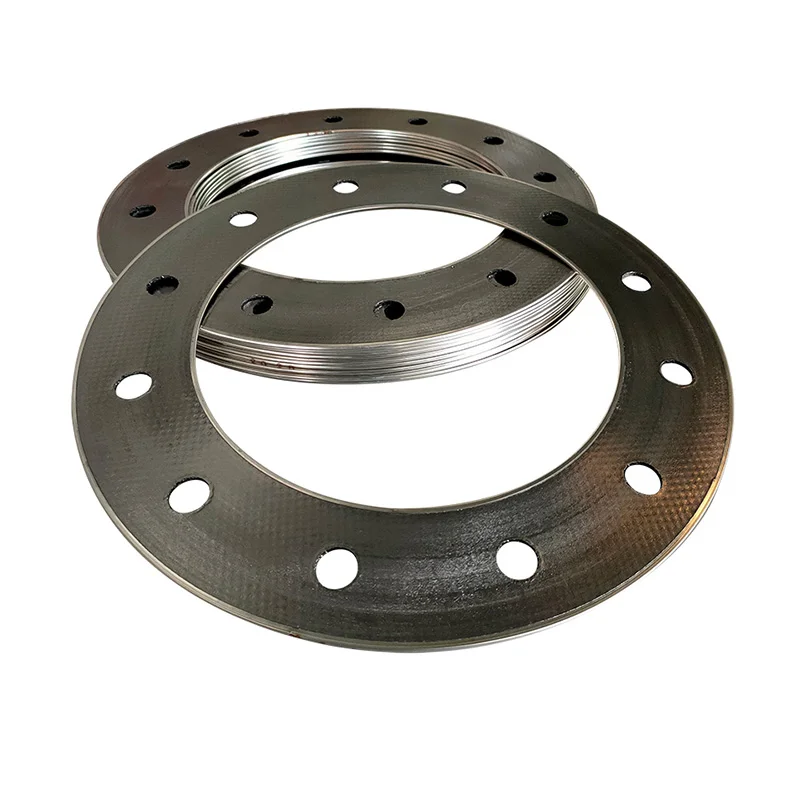
Economic factors, including currency fluctuations and inflation, impact pricing strategies and investment decisions within the Turkish gasket market. Local manufacturers are increasingly focused on enhancing product quality, offering customized solutions, and improving customer service to maintain competitiveness. The reliability of reinforced graphite gasket is increasingly important.
Evolution of Gasket Technology and Market Growth in Turkey

Tracing the Development Trajectory and Future Trends

Market Development History

In the early 1980s, Turkey’s gasket industry largely depended on imported technologies. Basic rubber and asbestos-based gaskets were prevalent. The 1990s witnessed a gradual adoption of spiral wound gaskets, driven by the expansion of the petrochemical and power generation sectors. Local manufacturers began investing in basic production capabilities.

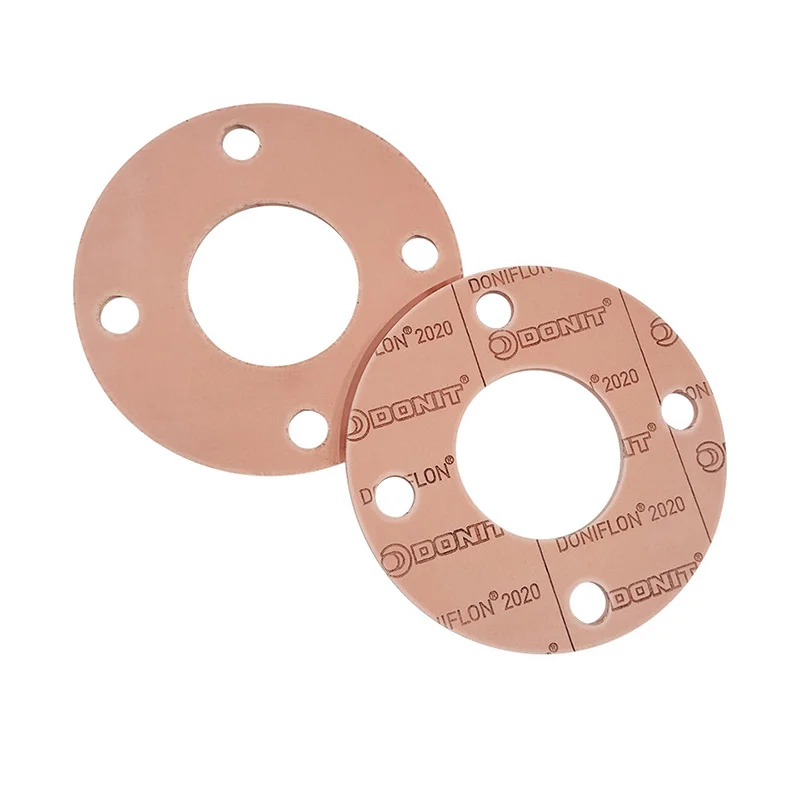
The 2000s marked a significant period of growth, fueled by Turkey’s economic boom and increased foreign investment. Demand for higher-performance gaskets, including those made with PTFE and reinforced graphite, rose. Manufacturers started focusing on ISO 9001 certification to meet international standards. The PTFE gasket became a popular choice.

From 2010 onwards, environmental concerns prompted a phase-out of asbestos-based products. There's an increasing focus on advanced materials and sealing technologies. API 6FB standards have become more critical for applications in the oil and gas industry, driving the demand for API 6FB Spiral wound gasket.

Future Development Trends

Advanced Materials Integration

The integration of new materials, such as graphene and advanced polymers, will improve gasket performance and longevity. Expect to see gaskets capable of withstanding extreme temperatures and pressures.

Digitalization and Smart Gaskets

The implementation of sensor technology within gaskets to monitor sealing performance in real-time. This will enable predictive maintenance and reduce downtime.

Customization and On-Demand Manufacturing

Increased demand for customized gasket solutions tailored to specific application requirements. On-demand manufacturing technologies will enable faster turnaround times and reduced inventory costs.

Industry Trends and Future Outlook for Gaskets in Turkey

Exploring Emerging Technologies and Market Potential

Increased Demand for High-Performance Materials
The Turkish market is experiencing growing demand for gaskets made from high-performance materials like graphite and PTFE, driven by industries requiring extreme temperature and chemical resistance.
Growing Focus on API 6FB Compliance
The oil and gas sector’s adherence to API 6FB standards drives demand for certified API 6FB Spiral wound gasket, ensuring safety and reliability.
Shift Towards Environmentally Friendly Materials
Regulations are pushing for the adoption of non-asbestos gasket alternatives, promoting sustainability and worker safety.
Increasing Demand for Customized Solutions
Turkish industries increasingly require gaskets tailored to their specific equipment and operating conditions.

Industry Outlook

The Turkish gasket market is projected to grow at a CAGR of 5-7% over the next 3-5 years, driven by infrastructure development, expansion of the manufacturing sector, and increasing demand for high-performance sealing solutions. The strategic location of Turkey continues to make it a crucial hub for trade and manufacturing.

Technological advancements, such as the integration of smart sensors and advanced materials, will play a key role in shaping the future of the gasket industry in Turkey. Companies that invest in innovation and customization will be best positioned to capitalize on the growing opportunities.

Localized Application Scenarios in Turkey

Real-World Examples of Gasket Use in Turkish Industries

1. Petrochemical Plants in Izmir

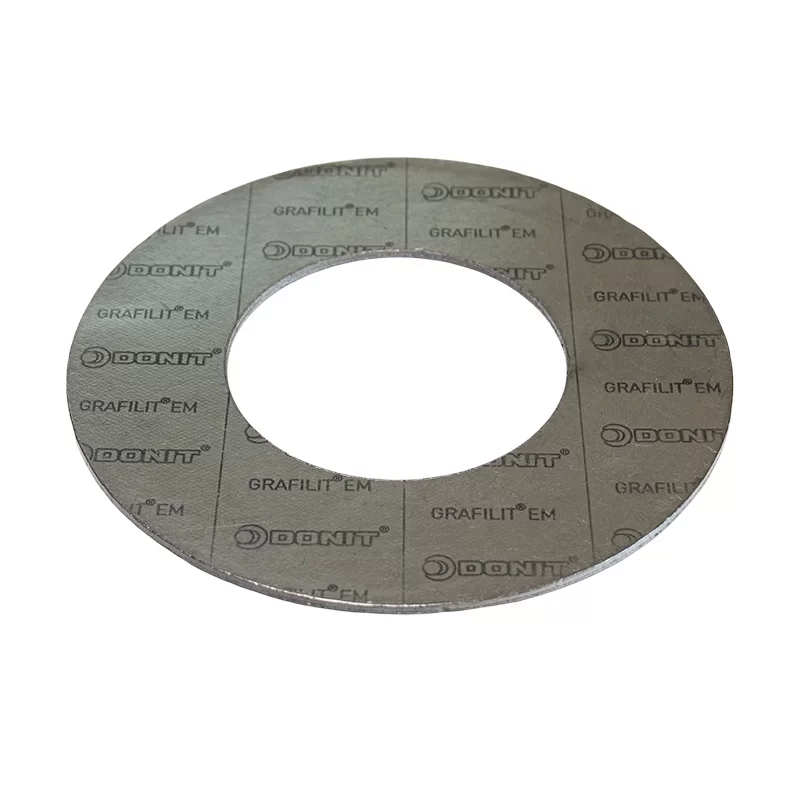
Gaskets are critical in the petrochemical plants located in the Izmir region, sealing pipelines and equipment handling corrosive chemicals at high temperatures. Reinforced graphite gasket and PTFE gasket are commonly used due to their excellent chemical resistance.

2. Power Generation Facilities in Istanbul

Power plants in Istanbul rely on gaskets to seal steam turbines and boiler systems. Spiral wound gasket with metallic windings are preferred for their ability to withstand high pressures and temperatures.

3. Water Treatment Plants in Ankara

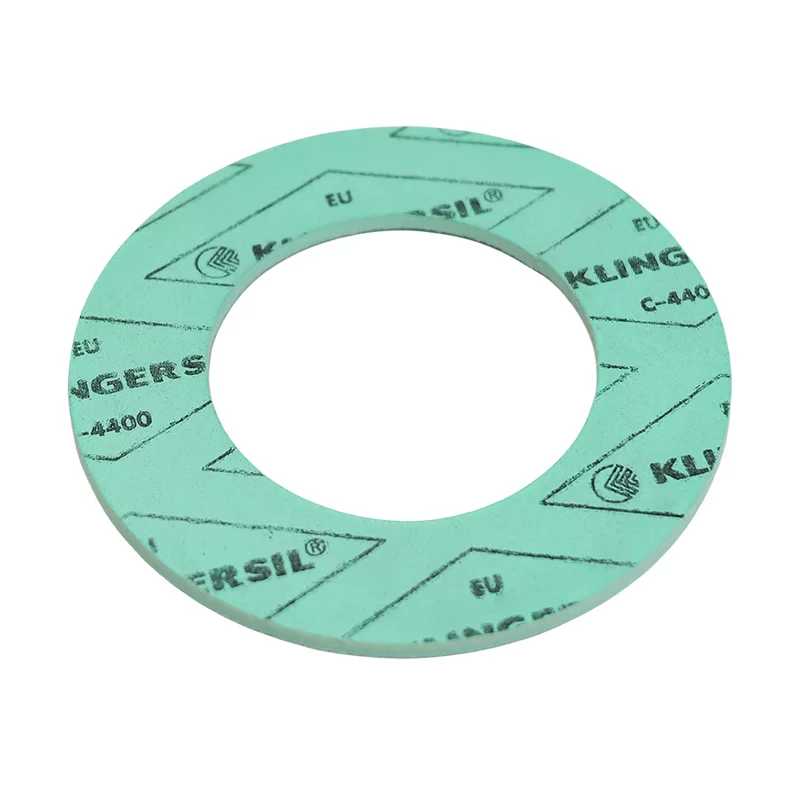
Water treatment facilities in Ankara require gaskets for pumps, valves, and pipelines handling treated and untreated water. Non-asbestos gasket materials are favored due to their compliance with environmental regulations and resistance to water-based chemicals.

4. Automotive Manufacturing in Bursa

The automotive industry in Bursa utilizes gaskets in engine components, exhaust systems, and fluid transfer applications. The demands for accurate sealing and durability make selecting the right gasket critical.

Brand Story

Guangzhou Huite Sealing Mechanical Co., Ltd.’s Global Development Journey

Commitment to Quality and Reliability

Founded in Guangzhou, China, we have consistently focused on delivering high-quality sealing solutions that meet and exceed industry standards.

Expanding Global Reach

We’ve expanded our market presence globally, building strong partnerships with distributors and end-users in key industrial regions.

Innovation and Continuous Improvement

We invest in research and development to continually improve our products and processes, ensuring we stay at the forefront of sealing technology.

Customer-Centric Approach

We prioritize customer satisfaction, providing tailored solutions and exceptional support to meet their unique needs.

Addressing Critical Sealing Challenges

Our mission is to provide reliable sealing solutions that prevent leaks, enhance safety, and improve the efficiency of critical industrial operations.

Complete Product Portfolio for the Turkish Market

Explore our wide range of gaskets designed for various industrial applications.

Frequently Asked Questions – Turkey Market

Addressing Common Concerns About Gasket Selection and Application

What are the key considerations when selecting a spiral wound gasket for high-temperature applications in Turkish power plants?

When choosing a spiral wound gasket for high-temperature applications, consider the operating temperature, pressure, and the media being sealed. Select materials like graphite and stainless steel capable of withstanding extreme conditions. Ensure the gasket meets API 6FB standards for reliable performance.

How do reinforced graphite gaskets perform in corrosive chemical environments common in Turkish petrochemical facilities?

Reinforced graphite gaskets offer excellent resistance to a wide range of corrosive chemicals. The graphite material is inherently chemically inert, and the reinforcement provides mechanical strength. Regularly inspect gaskets for any signs of degradation or swelling.

Are PTFE gaskets suitable for food and beverage processing applications in Turkey, and what certifications are required?

PTFE gaskets are ideal for food and beverage processing due to their excellent chemical resistance, non-stick properties, and FDA compliance. Ensure the gasket meets relevant Turkish food safety regulations and has the necessary certifications.

What are the benefits of using non-asbestos gaskets in Turkish water treatment plants, considering environmental regulations?

Non-asbestos gaskets are environmentally friendly and compliant with Turkish regulations prohibiting the use of asbestos. They offer comparable sealing performance and are safer for workers.

How do API 6FB spiral wound gaskets differ from standard spiral wound gaskets, and why are they important for Turkish oil and gas applications?

API 6FB spiral wound gaskets undergo rigorous testing and adhere to strict quality control standards. They are designed for critical oil and gas applications requiring high reliability and safety. They are imperative for maintaining leak-free operation in harsh environments.

What is the recommended torque for tightening flange connections using spiral wound gaskets in Turkish industrial settings?

Recommended torque values depend on the flange size, material, and gasket type. Consult the gasket manufacturer’s specifications and follow industry best practices for proper tightening procedures. Overtightening can damage the gasket, while undertightening can lead to leaks.

Get in Touch with Our Experts in Turkey

We are dedicated to providing superior sealing solutions to businesses across Turkey. Contact us today to discuss your specific requirements.

Contact Us Now

If you are interested in our products, you can choose to leave your information here, and we will be in touch with you shortly.