Asbestos Free Gaskets: A Comprehensive Guide
In industries ranging from automotive to chemical processing, the integrity and safety of sealing components are paramount. Asbestos free gaskets have become the standard for reliable sealing solutions, offering superior performance and safety compared to traditional asbestos-containing materials. This article delves into the benefits, applications, and key considerations when choosing asbestos-free gaskets, with a focus on quality and compliance. Understanding the characteristics of these gaskets is critical for ensuring operational efficiency and protecting worker health.
Why Choose Asbestos Free Gaskets?
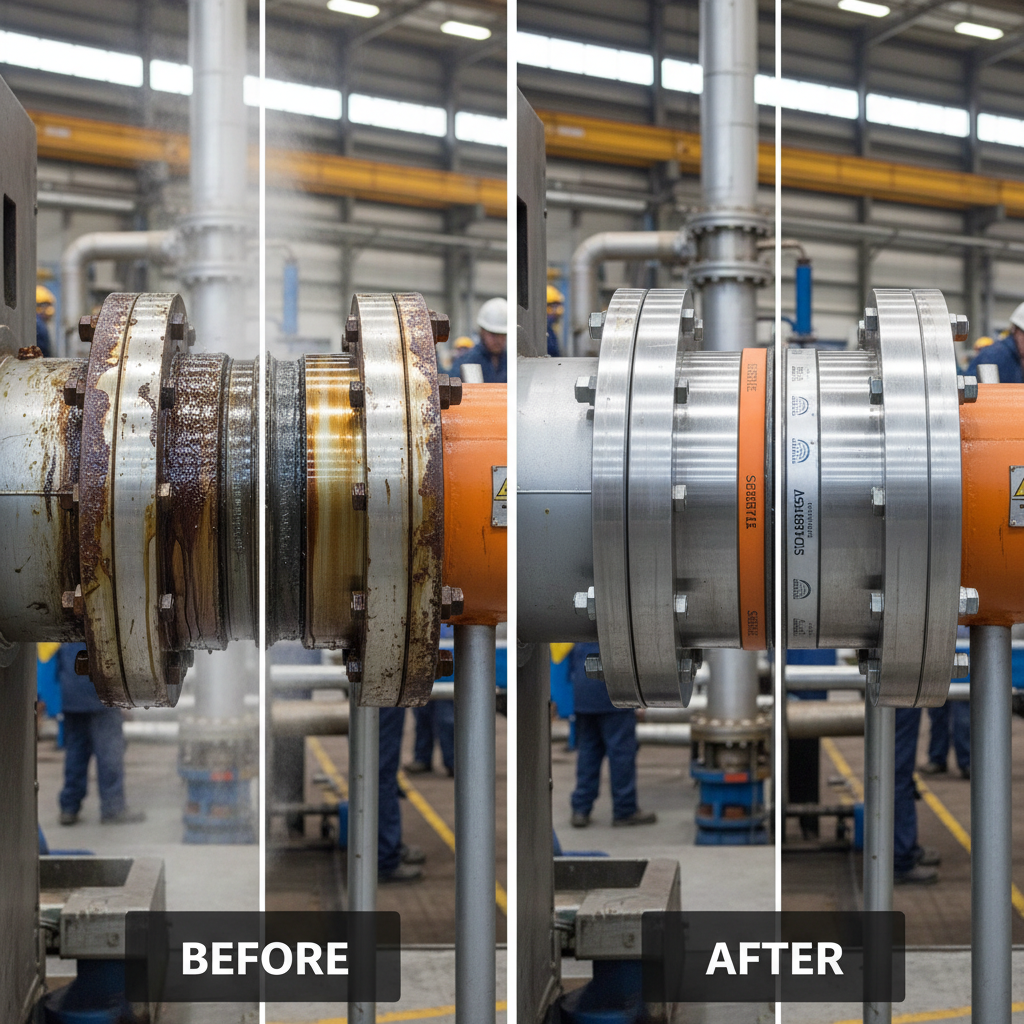
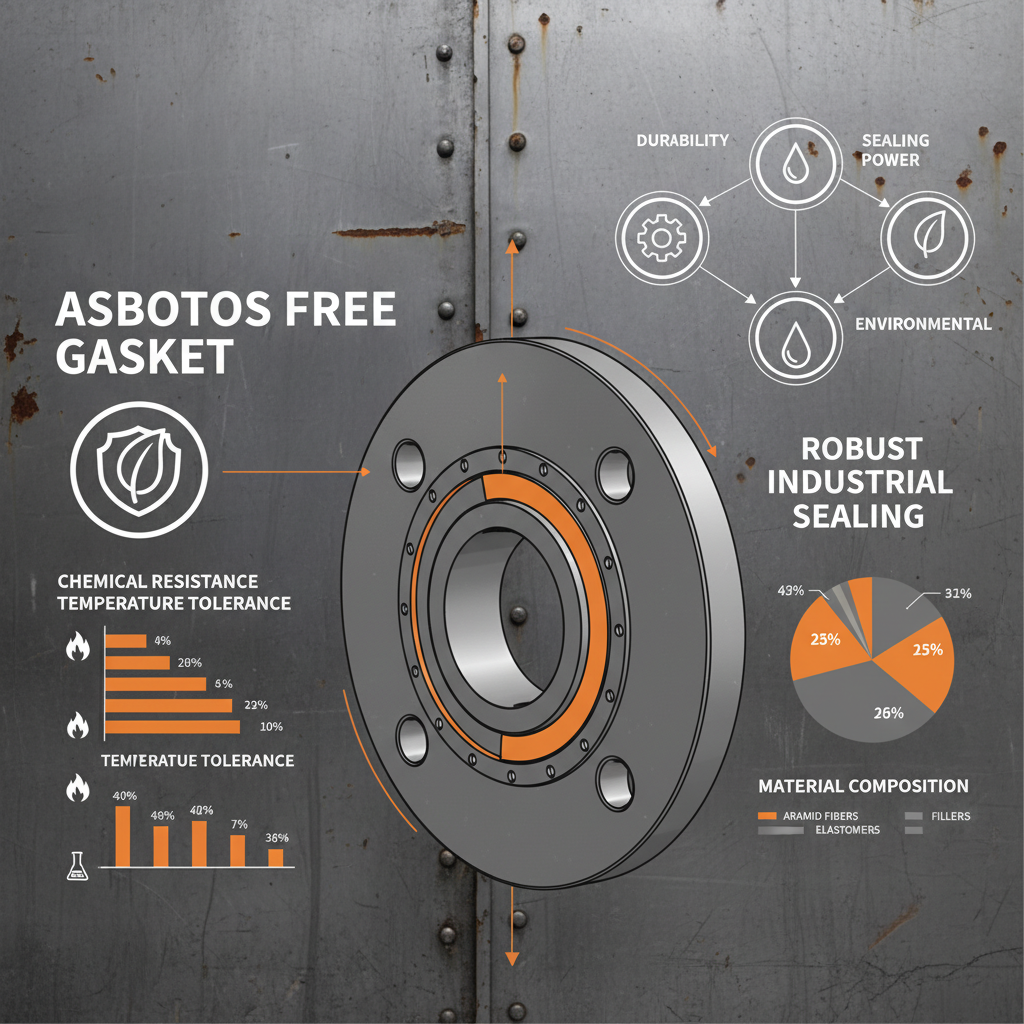
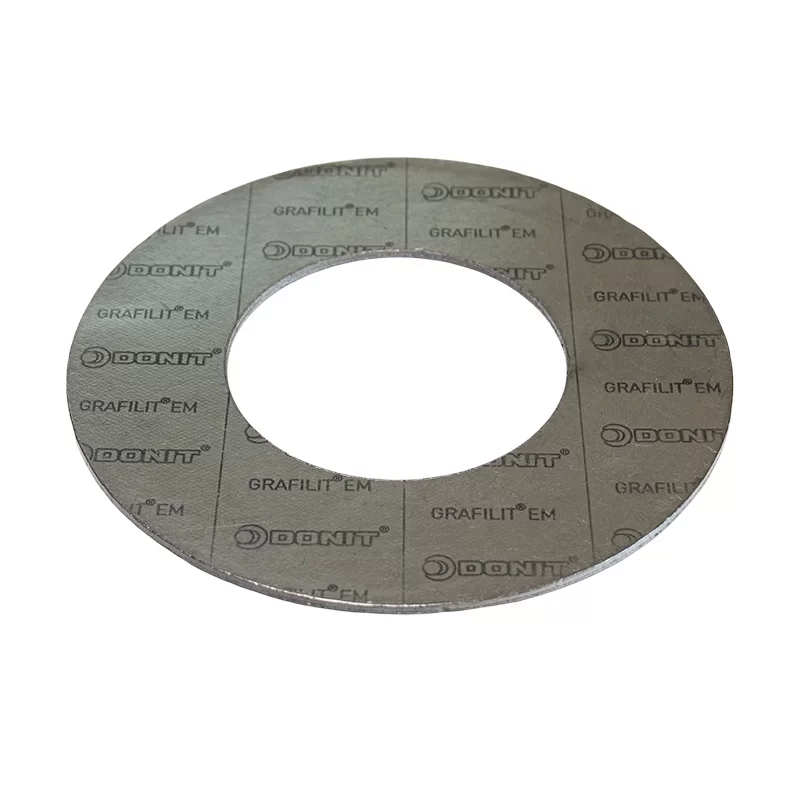
Historically, asbestos was widely used in gasket materials due to its excellent heat resistance and sealing properties. However, the health risks associated with asbestos exposure have led to its prohibition in many countries. Asbestos free gaskets offer a safe and effective alternative, utilizing advanced materials like fiber reinforced rubber, PTFE, and graphite. These materials provide comparable or even superior performance in terms of temperature resistance, chemical compatibility, and sealing strength, without the health hazards. Choosing asbestos-free options demonstrates a commitment to employee safety and environmental responsibility.
Key Benefits: Eliminates health risks associated with asbestos exposure, offers comparable or superior performance to asbestos-containing gaskets, and aligns with global safety regulations.
Common Materials Used in Asbestos Free Gaskets
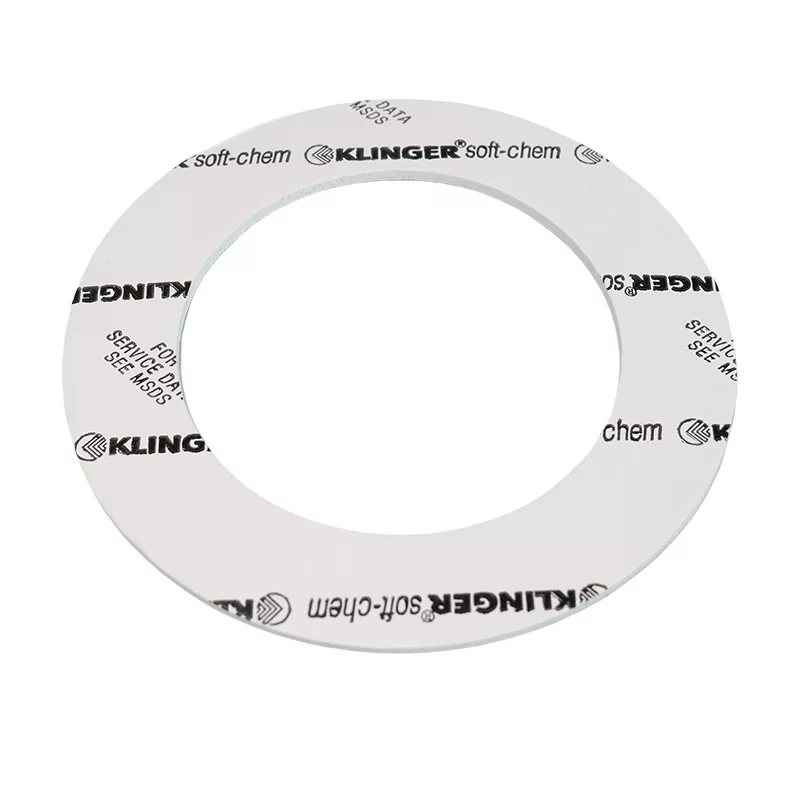
A wide variety of materials are used in the manufacture of asbestos free gaskets, each offering specific advantages. Common options include: Nitrile Rubber (NBR) for oil resistance, EPDM for water and weather resistance, Silicone for high-temperature applications, Viton (FKM) for chemical resistance, and PTFE (Teflon) for extreme temperature and chemical environments. The ideal material selection depends on the specific application, including the media being sealed, temperature range, pressure requirements, and chemical compatibility. GZHTMF specializes in providing gaskets tailored to a broad spectrum of industrial needs.
Material Comparison:
• NBR: Excellent oil resistance, good abrasion resistance.
• EPDM: Superior water, weather, and ozone resistance.
• Silicone: Wide temperature range (-60°C to +250°C), good flexibility.
• Viton (FKM): Exceptional chemical resistance, high-temperature stability.
• PTFE: Almost universal chemical resistance, very low friction.
Asbestos Free Gasket Applications
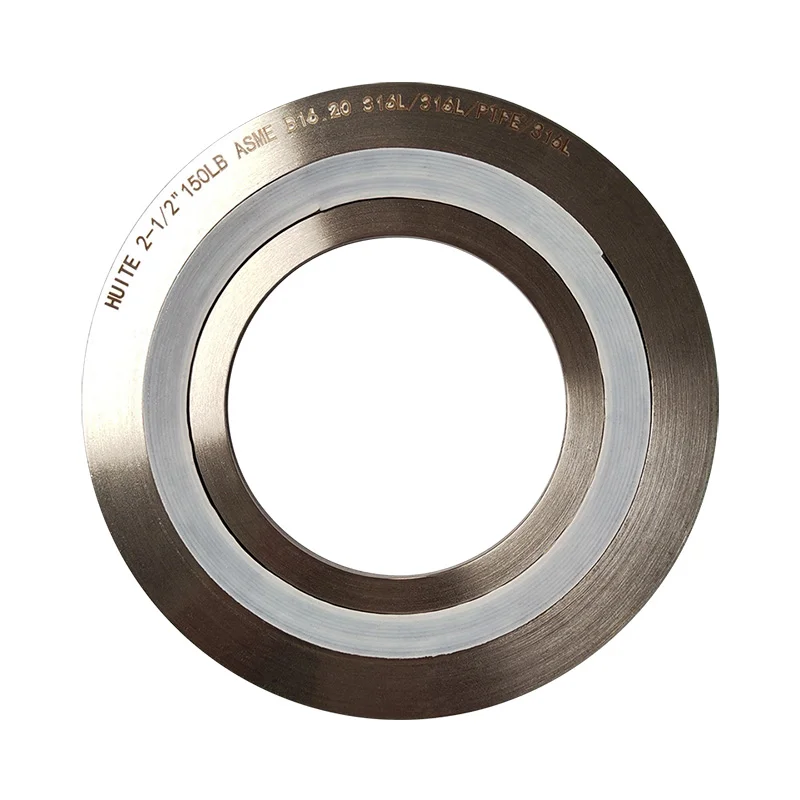
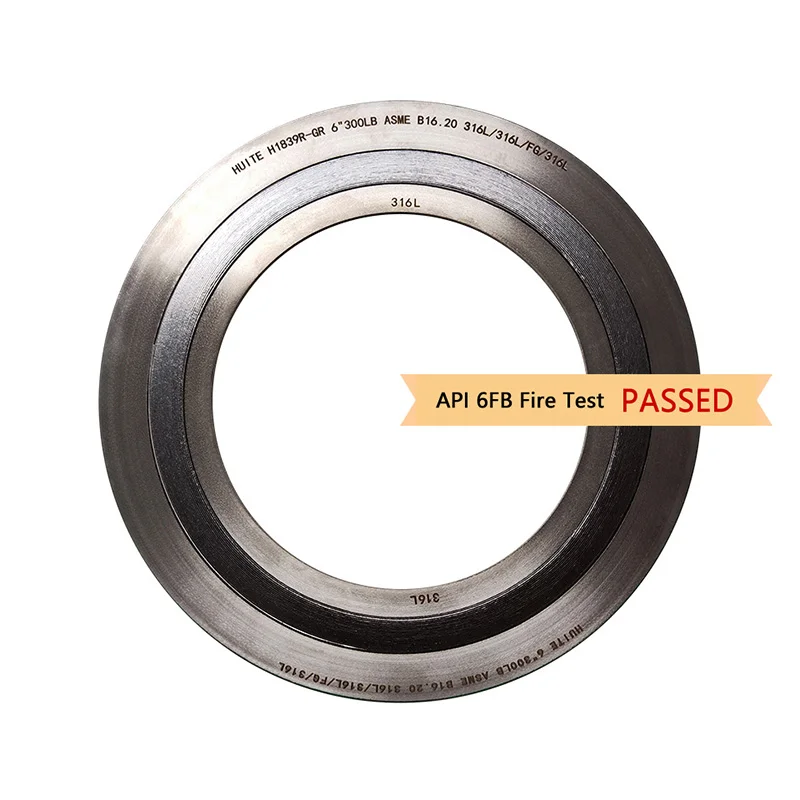
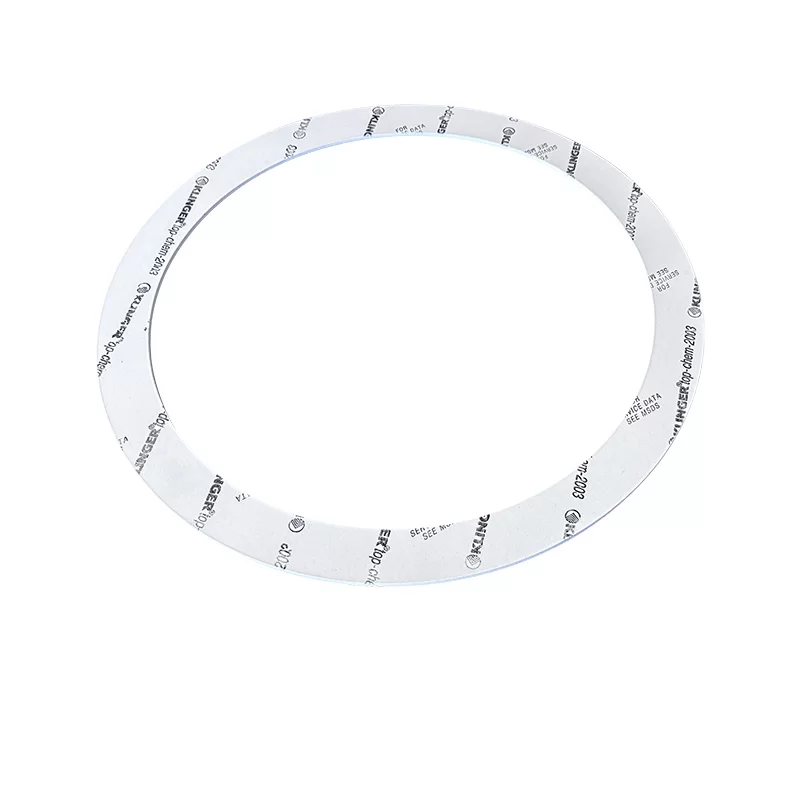
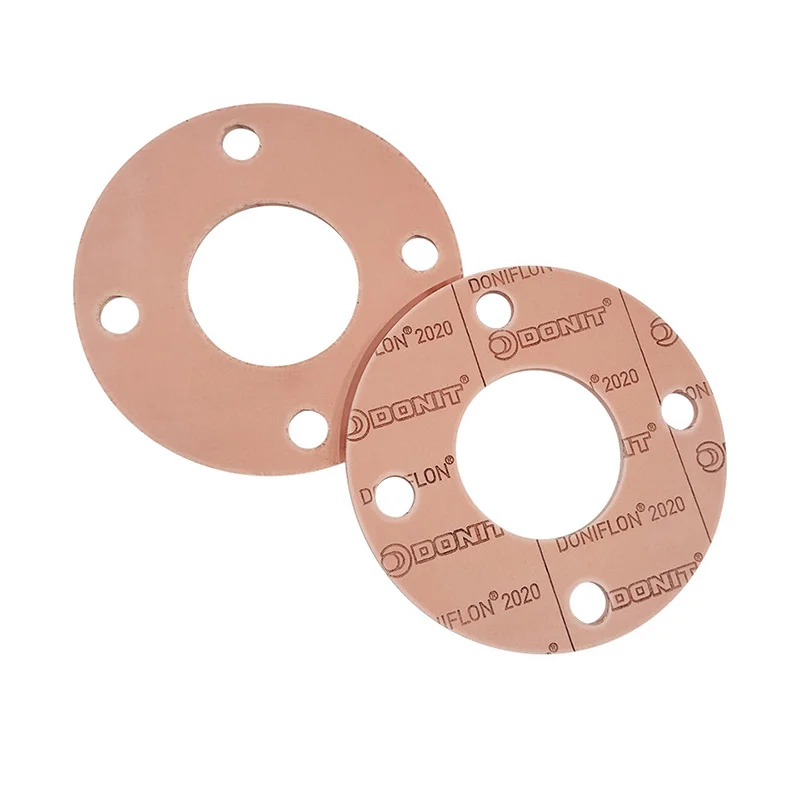
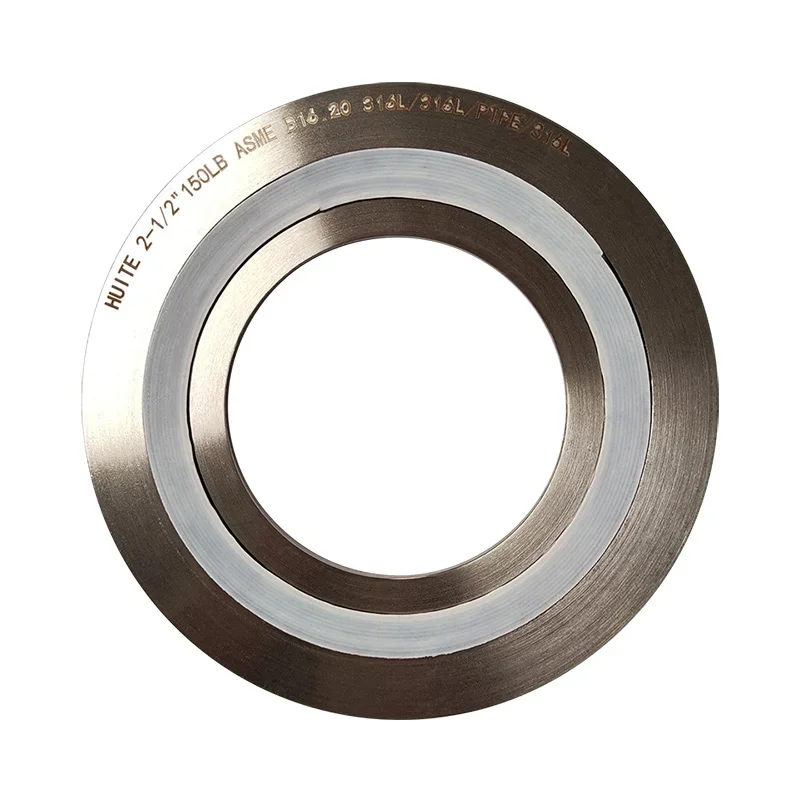
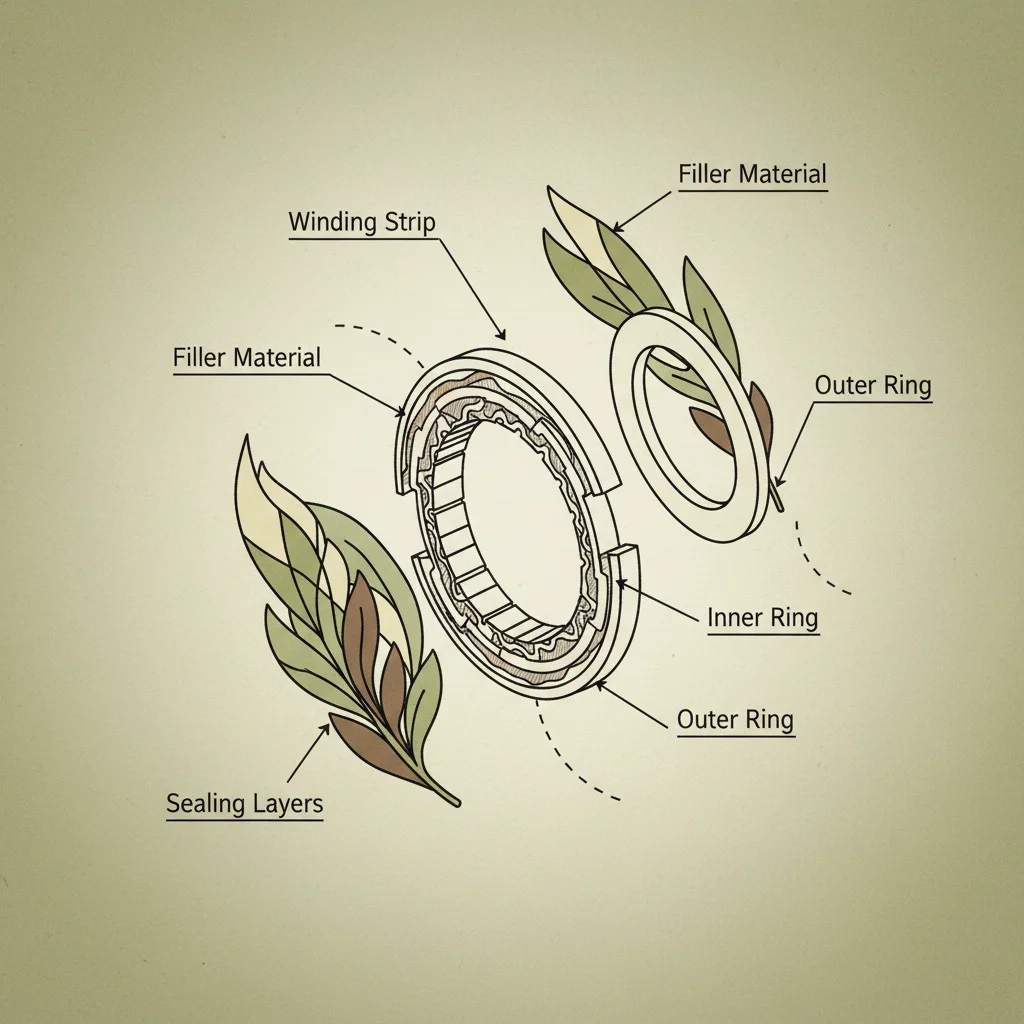
The versatility of asbestos free gaskets makes them suitable for a vast array of applications. These include: automotive engine and transmission seals, flange gaskets in chemical processing plants, pipe seals in plumbing systems, pump and valve seals, and gaskets for appliances and machinery. Different gasket designs – such as spiral wound gaskets, ring gaskets, and die-cut gaskets – are chosen based on the specific pressure, temperature, and sealing requirements of the application.
| Industry |
Typical Application |
Gasket Material |
| Automotive |
Engine, Transmission, Oil Pan |
NBR, Viton |
| Chemical Processing |
Flange Connections, Pipe Seals |
Viton, PTFE, Graphite |
| Food & Beverage |
Pumps, Valves, Tanks |
EPDM, Silicone |
| Plumbing |
Pipe Connections, Faucets |
NBR, EPDM |
Selecting the Right Asbestos Free Gasket
Choosing the correct asbestos free gasket requires careful consideration of several factors. The fluid or gas being sealed, the operating temperature and pressure, the chemical compatibility of the materials, and the required lifespan of the gasket all play a crucial role. It is also important to verify that the gasket meets relevant industry standards and regulations. Working with a reputable gasket manufacturer like GZHTMF ensures you receive high-quality products and expert guidance.
Quality Control and Compliance
Reputable manufacturers of asbestos free gaskets implement stringent quality control measures throughout the production process. This includes material testing, dimensional inspections, and performance validation. Compliance with industry standards, such as ISO 9001, demonstrates a commitment to quality and consistency. Ensuring your gaskets are sourced from a certified manufacturer provides peace of mind and minimizes the risk of leaks or failures.
Conclusion: Safe and Reliable Sealing Solutions
Investing in high-quality asbestos free gaskets is a crucial step towards ensuring safety, reliability, and compliance. By understanding the materials, applications, and quality considerations, you can make informed decisions that protect your workforce and optimize your operations. GZHTMF is your trusted partner for all your gasket needs.
Frequently Asked Questions (FAQs)
What are the advantages of using PTFE gaskets?
PTFE (Polytetrafluoroethylene) gaskets are renowned for their exceptional chemical resistance, making them suitable for highly corrosive environments. They also exhibit a very low coefficient of friction, ensuring easy assembly and disassembly. PTFE gaskets can withstand a wide temperature range, from cryogenic temperatures to over 260°C. However, they may be less effective under high loads or in applications requiring high compressive strength. GZHTMF offers a variety of PTFE gasket options to meet specific application requirements.
How do I determine the correct gasket thickness?
Gasket thickness is a critical factor in ensuring a proper seal. Insufficient thickness can lead to leaks, while excessive thickness can damage the mating surfaces. The appropriate thickness depends on flange imperfections, bolt load, and the gasket material. Generally, a thicker gasket is required for less-than-perfect flange surfaces. Consult the flange manufacturer's recommendations or a gasket specialist like GZHTMF for guidance.
What is the shelf life of asbestos free gaskets?
The shelf life of asbestos free gaskets varies depending on the material. Generally, rubber-based gaskets should be used within 2-3 years of manufacture, while PTFE and graphite gaskets have a longer shelf life. Proper storage is crucial to maintain gasket integrity. Store gaskets in a cool, dry place away from direct sunlight, heat, and ozone sources. Always inspect gaskets for signs of degradation before use.
Are asbestos free gaskets suitable for high-pressure applications?
Yes, certain types of asbestos free gaskets are designed for high-pressure applications. Spiral wound gaskets and metal gaskets, often with graphite or PTFE fillers, are commonly used in high-pressure systems. The gasket’s ability to withstand pressure depends on its design, materials, and the bolt load applied. GZHTMF offers a range of high-pressure gaskets specifically engineered for demanding applications.