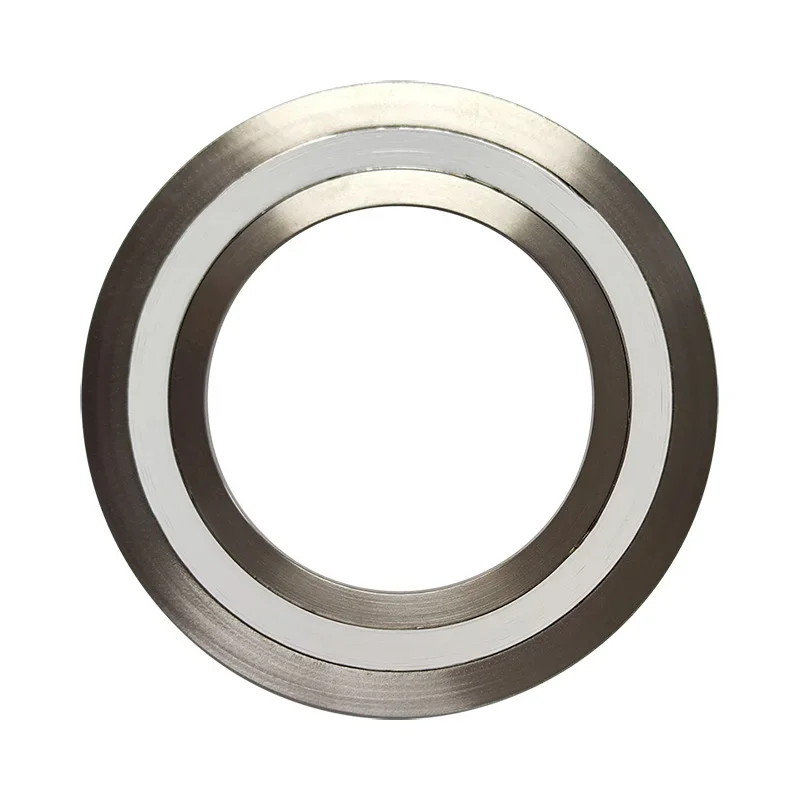
Understanding PTFE Gaskets: A Comprehensive Guide
PTFE (Polytetrafluoroethylene) gaskets are a crucial component in numerous industries, prized for their exceptional chemical resistance, temperature stability, and sealing capabilities. They are a reliable solution for preventing leaks and maintaining pressure in a wide variety of applications. This article will delve into the properties, applications, benefits, and selection criteria for PTFE gaskets, providing a thorough overview for engineers, procurement professionals, and anyone seeking optimal sealing solutions. Choosing the right gasket material can significantly impact the efficiency and longevity of your systems.
What is a PTFE Gasket?
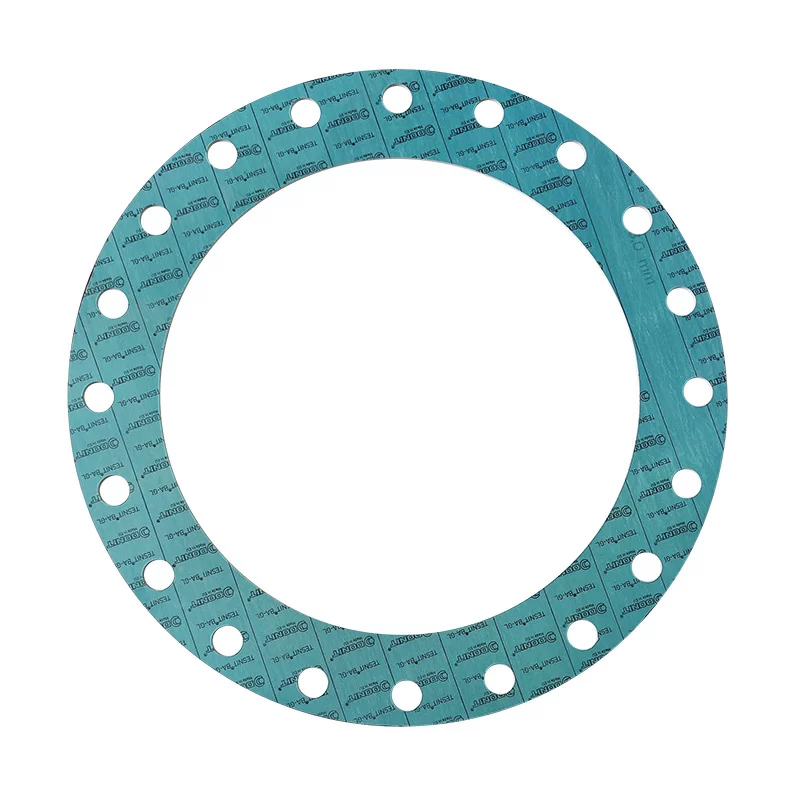
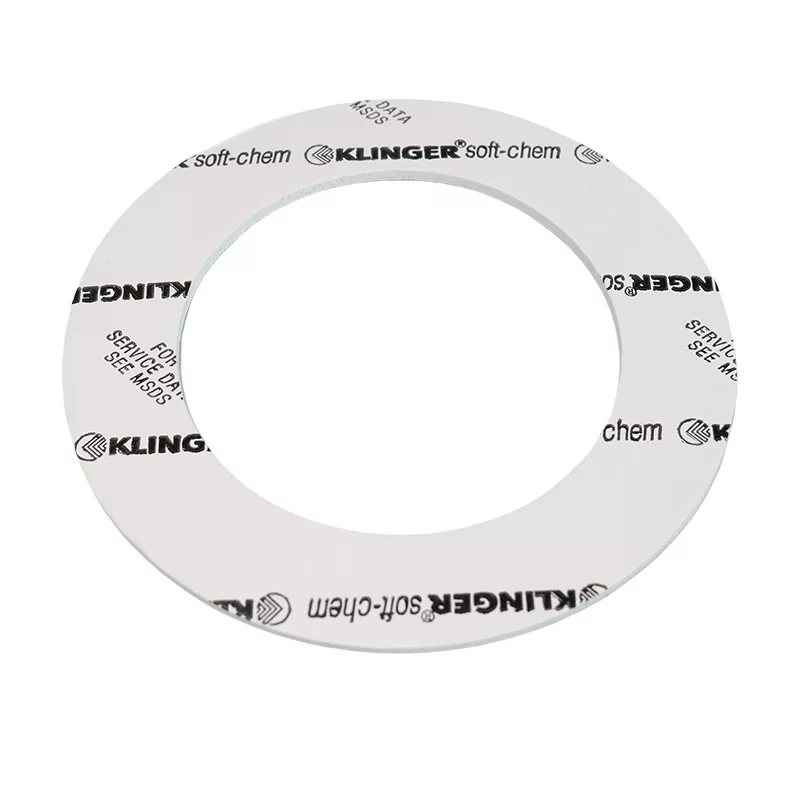
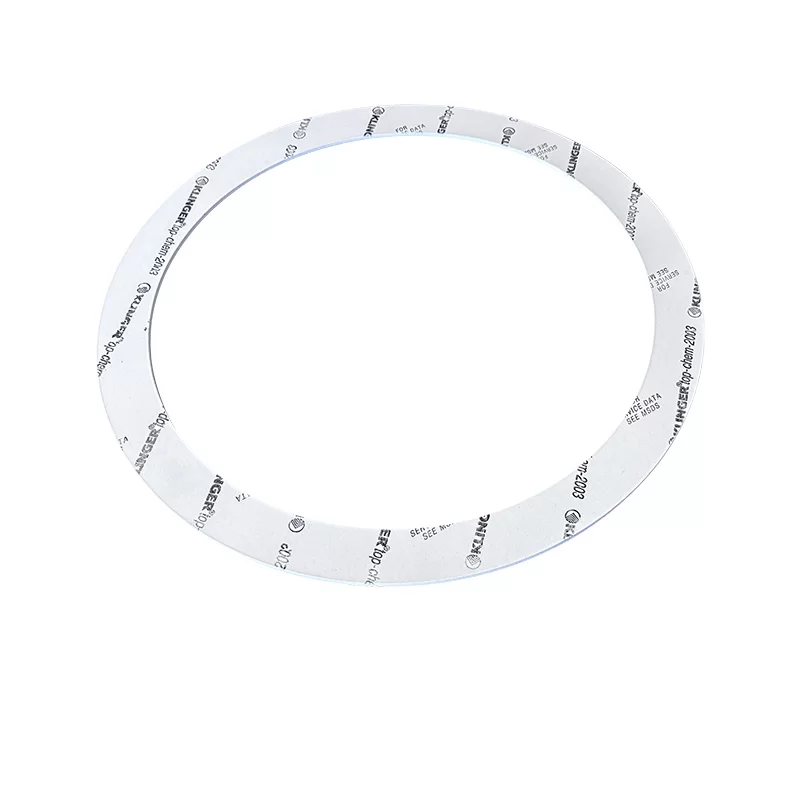
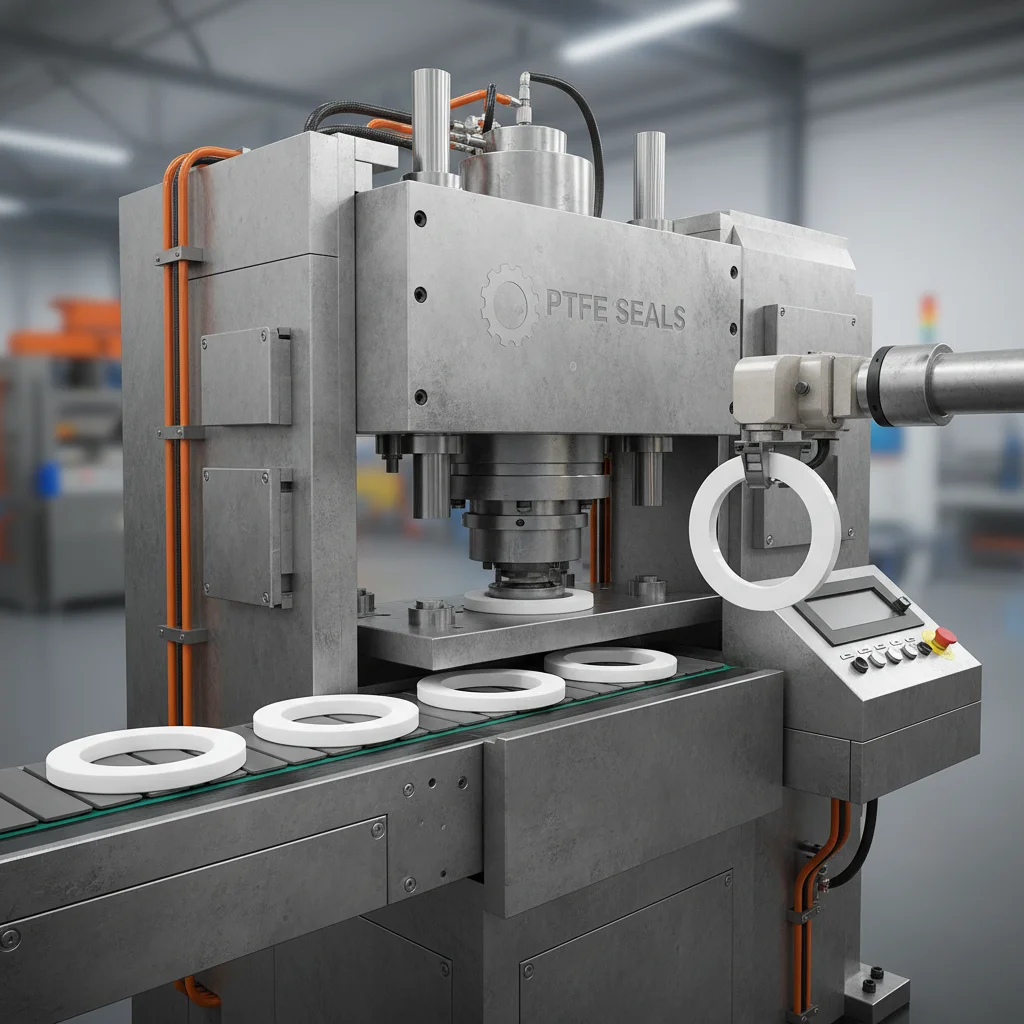
A PTFE gasket is a sealing component fabricated from Polytetrafluoroethylene, commonly known as Teflon®. PTFE is a synthetic fluoropolymer boasting remarkable properties, making it an ideal material for gaskets in demanding environments. These gaskets are designed to create a leak-proof barrier between two mating surfaces, preventing the escape of fluids or gases. They’re available in various forms, including sheets, die-cut shapes, and custom molded designs. GZHTMF specializes in providing high-quality, custom-engineered PTFE gaskets to meet diverse industrial needs.
Key Highlights: PTFE gaskets excel in applications requiring resistance to extreme temperatures, corrosive chemicals, and high pressures. Their low coefficient of friction also minimizes sticking and galling.
Key Properties of PTFE Gaskets
PTFE gaskets possess a unique combination of properties that set them apart from other gasket materials. These include:
- Exceptional Chemical Resistance: PTFE is virtually inert, resisting attack from most chemicals, acids, and solvents.
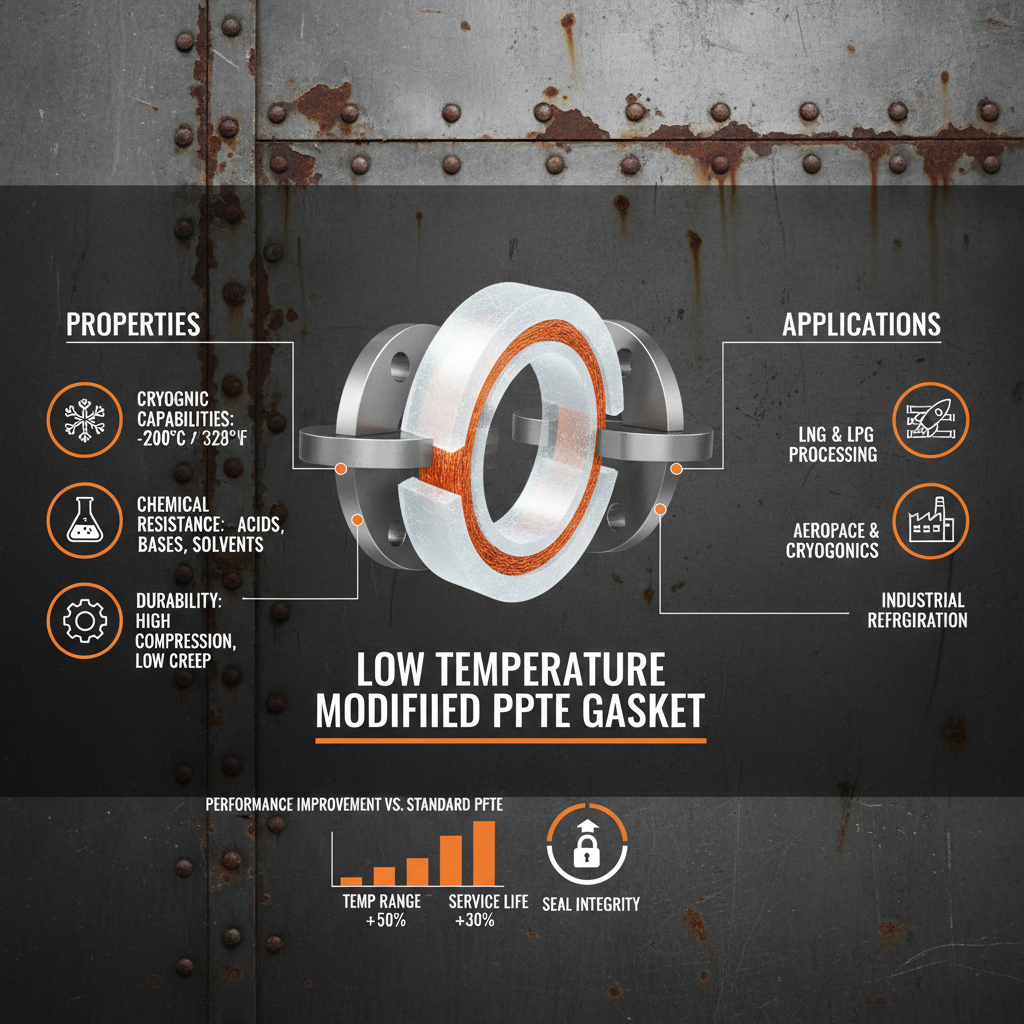
- Wide Temperature Range: Operates reliably from -200°C to +260°C (-328°F to +500°F).
- Low Coefficient of Friction: Reduces friction and prevents sticking between mating surfaces.
- Excellent Electrical Insulation: Ideal for electrical and electronic applications.
- Non-Stick Surface: Prevents buildup of contaminants.
PTFE Gasket Applications Across Industries
The versatility of PTFE gaskets makes them indispensable in numerous sectors. Some common applications include:
- Chemical Processing: Sealing pipelines, tanks, and reactors handling corrosive fluids.
- Pharmaceuticals: Ensuring sterile connections and preventing contamination in drug manufacturing.
- Food & Beverage: Maintaining hygiene and preventing leaks in processing equipment.
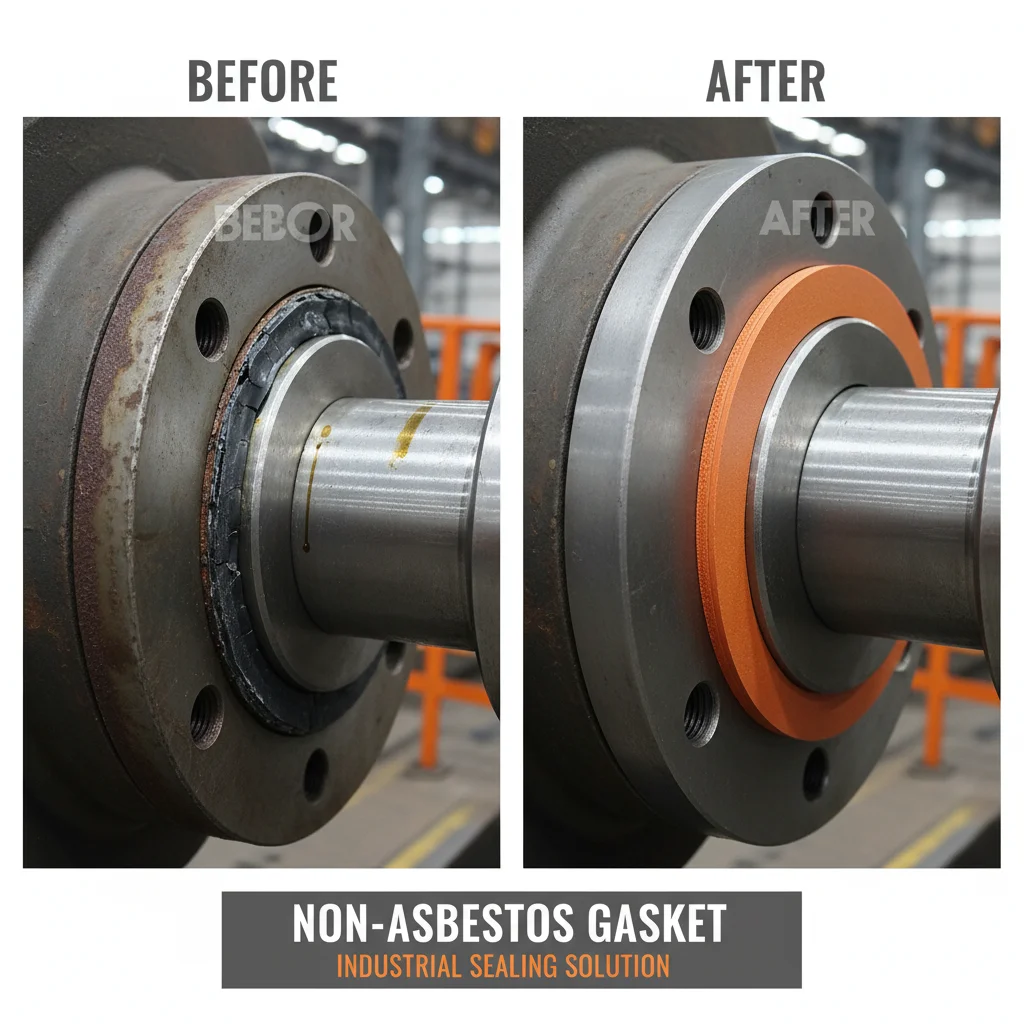
- Oil & Gas: Sealing flanges, valves, and pumps in demanding offshore and onshore environments.
- Aerospace: Providing reliable sealing in aircraft engines and hydraulic systems.
PTFE vs. Other Gasket Materials: A Comparative Analysis
Choosing the right gasket material is crucial for optimal performance. Here's a comparison of PTFE with other common gasket materials:
| Material |
Temperature Resistance (°C) |
Chemical Resistance |
Cost |
| PTFE |
-200 to +260 |
Excellent |
High |
| NBR (Nitrile Rubber) |
-40 to +120 |
Good (Oil & Fuel) |
Low |
| EPDM |
-50 to +150 |
Good (Weather, Ozone) |
Medium |
| Viton® (FKM) |
-20 to +200 |
Excellent (Chemicals, Heat) |
High |
Selecting the Right PTFE Gasket
Several factors should be considered when selecting a PTFE gasket:
- Fluid Compatibility: Ensure the PTFE is compatible with the fluid being sealed.
- Temperature & Pressure: Select a gasket capable of withstanding the operating temperature and pressure.
- Flange Surface Finish: A rougher surface finish may require a softer, more conformable gasket.
- Gasket Thickness: Proper thickness is critical for achieving an effective seal.
- Industry Standards: Adhere to relevant industry standards and regulations.
Conclusion: Reliable Sealing with PTFE Gaskets
PTFE gaskets offer unparalleled performance in a wide range of applications, providing exceptional chemical resistance, temperature stability, and sealing reliability. By carefully considering the factors outlined above, and partnering with a trusted supplier like GZHTMF, you can ensure optimal sealing solutions for your critical systems. Don’t compromise on quality – choose PTFE for long-lasting performance.
Frequently Asked Questions (FAQs)
What is the typical lifespan of a PTFE gasket?
The lifespan of a PTFE gasket depends heavily on the specific application and operating conditions. Generally, PTFE gaskets can last for several years with proper installation and maintenance. However, factors like exposure to extreme temperatures, aggressive chemicals, and high pressures can shorten their lifespan. Regular inspections are recommended to identify any signs of degradation, such as cracking, swelling, or loss of elasticity. It’s best practice to replace gaskets proactively to prevent unexpected failures.
Are PTFE gaskets suitable for food and beverage applications?
Yes, PTFE gaskets are widely used in the food and beverage industry due to their excellent chemical resistance, non-stick properties, and FDA compliance. They do not leach any harmful substances into the product, ensuring the integrity of the food or beverage. Furthermore, they can withstand frequent cleaning and sterilization processes without degrading.
What are the advantages of using virgin PTFE versus filled PTFE?
Virgin PTFE offers the highest level of chemical resistance and purity. Filled PTFE, however, incorporates additives like glass fibers, carbon, or bronze to enhance certain properties such as strength, creep resistance, and wear resistance. Virgin PTFE is ideal for highly corrosive environments where purity is paramount, while filled PTFE is often preferred for applications requiring greater mechanical stability. GZHTMF can advise on the best PTFE formulation for your specific needs.
How do I properly install a PTFE gasket?
Proper installation is crucial for ensuring a leak-proof seal. Ensure the flange surfaces are clean, dry, and free of any debris. Avoid using abrasive materials that could damage the gasket. Apply the gasket evenly around the flange. Tighten the bolts gradually and evenly to the manufacturer's recommended torque specifications. Avoid over-tightening, which can damage the gasket and flange.