Guangzhou Huite Sealing Machinery Co., Ltd.
Advanced Nonasbestos Gasket Solutions for Industrial Sealing Applications
  • Home
  • News
  • Top Blog
  • Advanced Nonasbestos Gasket Solutions for Industrial Sealing Applications
0%

Table of Contents

Non-asbestos gaskets are critical components in a vast range of industries, from automotive and aerospace to chemical processing and power generation. Their primary function is to create a static seal between mating surfaces, preventing leakage of fluids or gases. The evolution from asbestos-containing gaskets to non-asbestos alternatives represents a significant advancement in workplace safety and environmental responsibility. Understanding the properties, applications, and future trends of these gaskets is paramount for engineers, technicians, and procurement professionals alike.

The global demand for non-asbestos gaskets is driven by increasingly stringent health and safety regulations, coupled with a growing emphasis on sustainable industrial practices. Asbestos, once widely used for its heat resistance and durability, has been definitively linked to severe respiratory illnesses, leading to its ban or restricted use in many countries. This has spurred innovation in materials science, resulting in a diverse portfolio of non-asbestos gasket solutions. According to the World Health Organization, asbestos-related diseases continue to claim tens of thousands of lives annually, highlighting the importance of effective substitutes.

Furthermore, the increasing complexity of modern machinery and processes necessitates high-performance sealing solutions. Non-asbestos gaskets must not only provide reliable sealing but also withstand extreme temperatures, pressures, and chemical exposures. This necessitates continuous research and development into new materials and manufacturing techniques. The effective implementation of Non-asbestos gasket technology is essential for maintaining operational efficiency and preventing costly downtime.
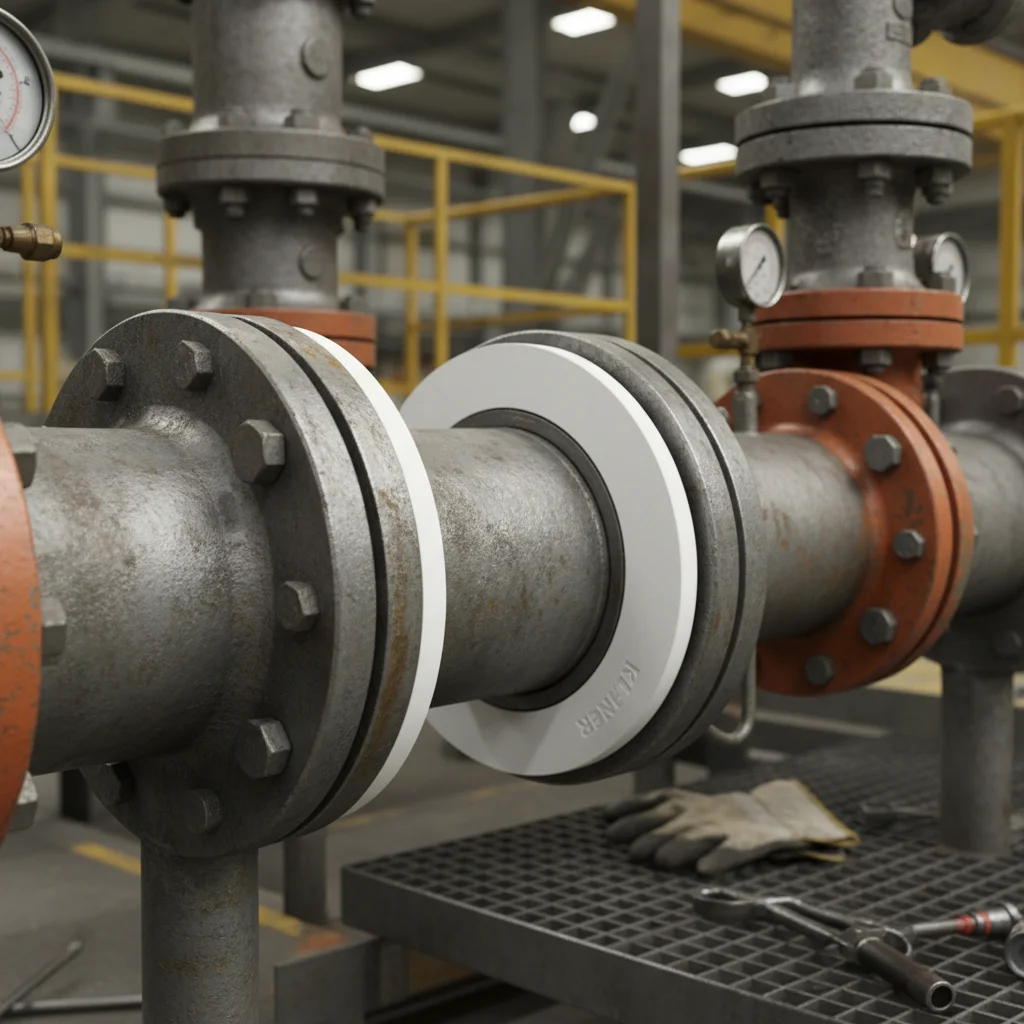
Non-asbestos gasket

Introduction to Non-asbestos Gaskets

Non-asbestos gasket

The widespread adoption of Non-asbestos gasket materials is a direct response to the health hazards associated with asbestos. Historically, asbestos fibers were prized for their exceptional thermal stability, chemical resistance, and sealing properties. However, the devastating health consequences of asbestos exposure – including asbestosis, lung cancer, and mesothelioma – led to a global movement to eliminate its use. This transition required significant investment in research and development to create alternative gasket materials that could match or exceed the performance of asbestos-based products.

Today, a variety of non-asbestos materials are used in gasket manufacturing, including rubber, fiber, PTFE (Teflon), and graphite. The selection of the appropriate material depends on the specific application requirements, such as temperature, pressure, fluid compatibility, and cost. The focus is on providing reliable, safe, and environmentally responsible sealing solutions for a diverse range of industries.

Defining Non-asbestos Gaskets

A non-asbestos gasket is a mechanical seal designed to prevent leakage between two mating surfaces. Unlike traditional gaskets that contained asbestos fibers, these gaskets are manufactured using alternative materials that pose no known health risks. They play a critical role in maintaining the integrity of systems and preventing the escape of fluids, gases, or other substances. This is especially important in applications where hazardous materials are involved, or where even minor leaks can lead to significant operational losses.

The definition extends beyond simply the absence of asbestos. Modern non-asbestos gaskets are engineered to provide comparable, and often superior, performance characteristics in terms of temperature resistance, chemical compatibility, and sealing pressure. The versatility of non-asbestos gasket materials allows for customization to meet the precise requirements of various industrial applications.

Ultimately, a non-asbestos gasket contributes to safety, efficiency, and environmental protection within a broad spectrum of industrial and commercial settings. These gaskets are integral to the functioning of modern infrastructure and equipment.

Core Components of Non-asbestos Gaskets

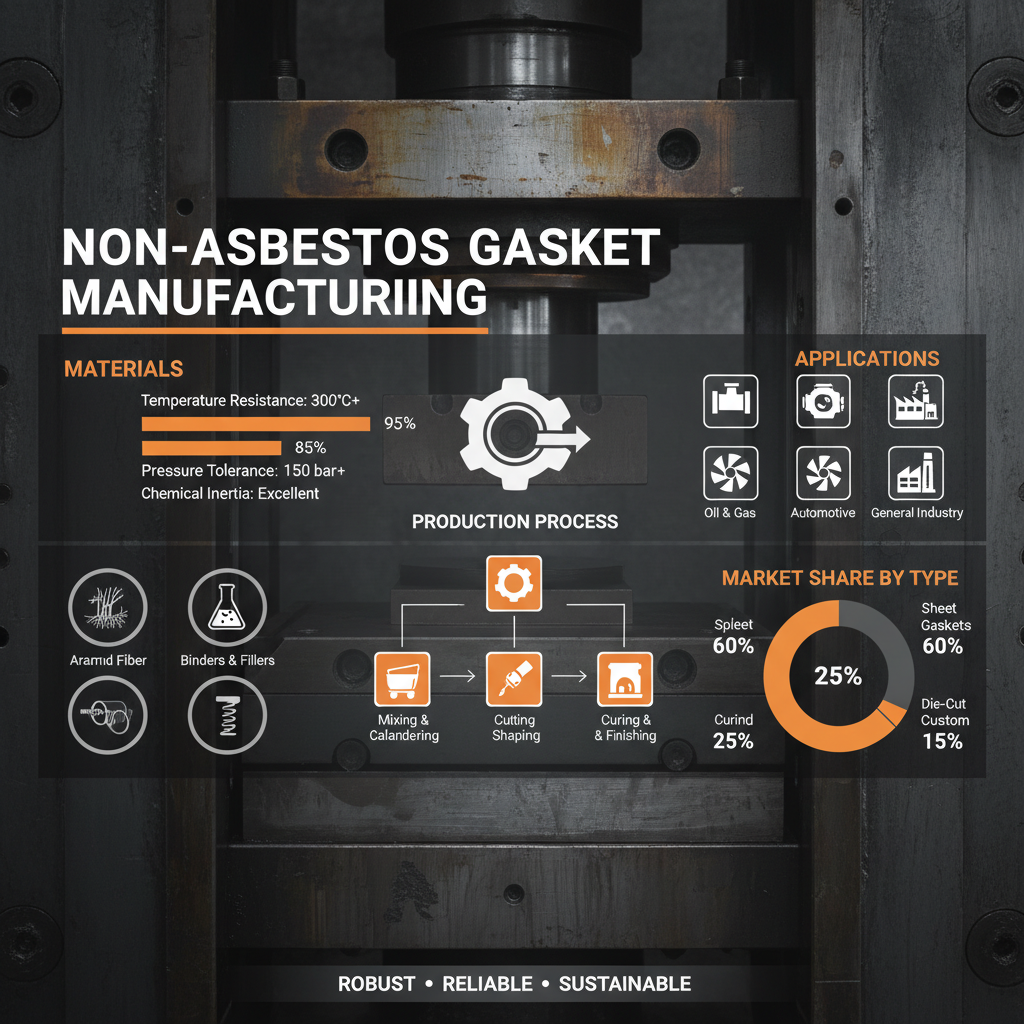
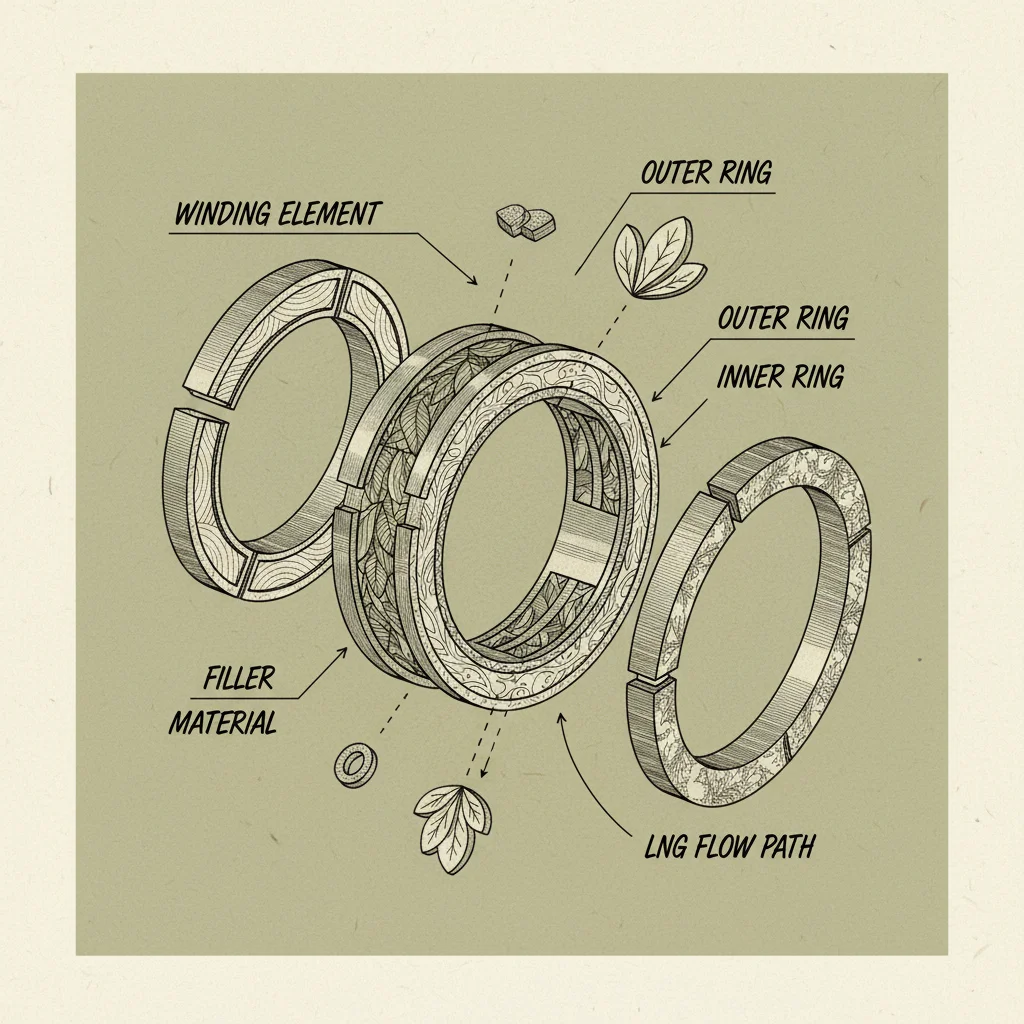
The performance of a non-asbestos gasket is directly related to the materials used in its construction. Common materials include rubber (such as EPDM, Nitrile, and Silicone), fiber-reinforced composites, PTFE (Polytetrafluoroethylene), and graphite. Each material offers unique properties suited for different applications. For instance, EPDM rubber excels in resisting weathering and ozone, while PTFE provides exceptional chemical resistance. The Non-asbestos gasket selection process is therefore a crucial step in ensuring optimal performance.

Beyond the base material, reinforcing fillers are often incorporated to enhance the gasket’s mechanical strength, thermal stability, and sealing capabilities. These fillers can include aramid fibers, glass fibers, or carbon fibers. The type and amount of filler used depend on the specific requirements of the application. Proper filler integration is essential for preventing gasket failure under extreme conditions.

Finally, some gaskets incorporate coatings or surface treatments to improve their performance. For example, a PTFE coating can reduce friction and enhance chemical resistance, while a graphite coating can improve thermal conductivity. These finishing touches play a vital role in optimizing the gasket’s overall functionality and longevity.

Key Performance Characteristics

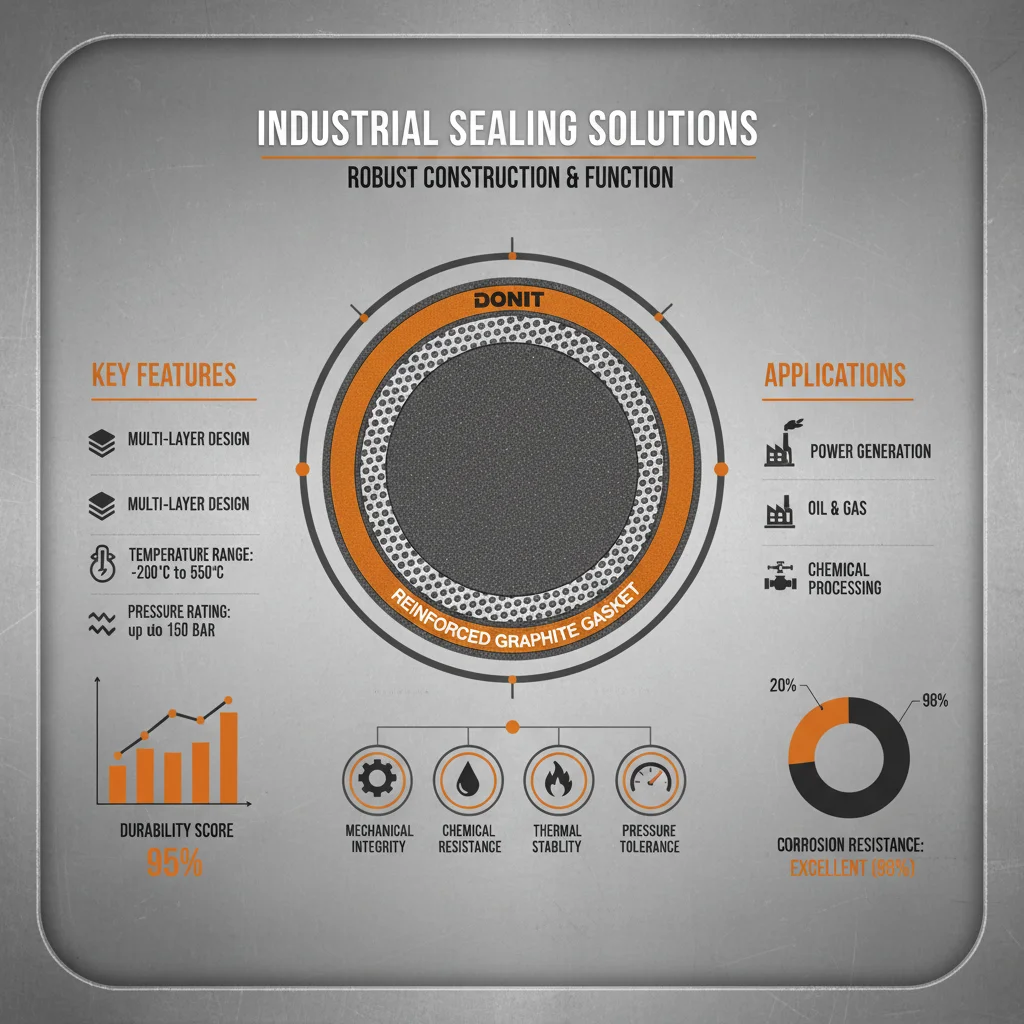
Several key performance characteristics define the effectiveness of a non-asbestos gasket. One crucial aspect is Compressibility, which refers to the gasket’s ability to deform under pressure and conform to the irregularities of the mating surfaces, creating a tight seal. A higher compressibility generally leads to a better seal, particularly on uneven surfaces. Another important factor is Recovery, which describes the gasket’s ability to return to its original shape after being compressed.

Chemical Resistance is also paramount, as gaskets are often exposed to harsh chemicals and fluids. The gasket material must be compatible with the media it’s sealing to prevent degradation and leakage. Furthermore, Temperature Resistance is critical for applications involving high or low temperatures. The gasket material must maintain its physical properties and sealing capabilities across the entire operating temperature range.

Non-asbestos Gasket Performance Ratings

Global Applications and Industries

Non-asbestos gasket solutions find widespread application across a multitude of industries. The automotive sector utilizes them extensively in engine, transmission, and exhaust systems. In the chemical processing industry, they are essential for sealing pipes, valves, and reactors handling corrosive substances. The power generation industry relies on them in boilers, steam turbines, and heat exchangers.

The aerospace industry demands high-performance gaskets capable of withstanding extreme temperatures and pressures, leading to the use of specialized materials like PTFE and graphite. Furthermore, in the food and beverage industry, gaskets must meet stringent hygiene standards and be compatible with food-grade materials. This wide range of applications underscores the versatility and importance of non-asbestos gasket technology.

Long-Term Value and Benefits

The long-term value of employing non-asbestos gaskets extends beyond simply preventing leaks. The improved worker safety resulting from the elimination of asbestos exposure is a paramount benefit, reducing the risk of debilitating and fatal diseases. Environmentally, non-asbestos materials contribute to a more sustainable industrial footprint. In addition to these social and environmental advantages, non-asbestos gaskets offer significant economic benefits.

Reduced downtime due to reliable sealing and longer gasket life translate to increased productivity and lower maintenance costs. The reduced risk of environmental contamination also minimizes potential fines and legal liabilities. Investing in high-quality Non-asbestos gasket solutions is therefore a strategic decision that yields both immediate and long-term returns.

Future Trends and Innovations

The future of non-asbestos gasket technology is characterized by a relentless pursuit of improved performance, sustainability, and cost-effectiveness. Research is focused on developing new materials with enhanced thermal stability, chemical resistance, and mechanical properties. Nanomaterials, such as graphene and carbon nanotubes, are showing promise as reinforcing fillers, offering the potential to significantly improve gasket performance.

Furthermore, advancements in manufacturing techniques, such as 3D printing, are enabling the creation of custom-designed gaskets tailored to specific applications. The integration of smart sensors into gaskets is also being explored, allowing for real-time monitoring of gasket performance and predictive maintenance. These innovations will drive the continued evolution of Non-asbestos gasket technology.

The increasing focus on circular economy principles is also driving the development of recyclable and biodegradable gasket materials. This will further enhance the sustainability of gasket solutions and reduce their environmental impact.

FAQS

What are the primary differences between rubber and PTFE non-asbestos gaskets?

Rubber gaskets excel in compressibility and cost-effectiveness, making them ideal for general-purpose sealing applications. PTFE gaskets, on the other hand, offer superior chemical resistance and can withstand much higher temperatures, but are typically more expensive. The choice depends on the specific fluid being sealed and the operating conditions.

How do I determine the correct gasket thickness for my application?

Gasket thickness is a crucial factor in achieving a proper seal. It depends on the flange surface finish, bolt load, and operating pressure. Too thin a gasket may not compensate for surface irregularities, while too thick a gasket can overcompress and lose its sealing ability. Consult a gasket manufacturer's guidelines or engineering calculations for optimal thickness.

Are non-asbestos gaskets suitable for food-grade applications?

Yes, certain non-asbestos materials, such as FDA-compliant silicone and EPDM rubber, are specifically designed for food-grade applications. These materials are non-toxic and do not leach harmful substances into the food or beverage being processed. Always verify that the gasket material has the appropriate certifications for food contact.

What is the expected lifespan of a non-asbestos gasket?

The lifespan of a non-asbestos gasket varies greatly depending on the material, application, and operating conditions. Factors such as temperature, pressure, chemical exposure, and mechanical stress all contribute to gasket degradation. Regular inspection and preventative maintenance are essential for maximizing gasket lifespan.

How should non-asbestos gaskets be stored to prevent degradation?

Proper storage is crucial for maintaining gasket integrity. Gaskets should be stored in a cool, dry, and dark environment, away from direct sunlight, ozone sources, and harsh chemicals. Avoid compressing or bending gaskets during storage, as this can damage their sealing surfaces.

Can non-asbestos gaskets be reused after disassembly?

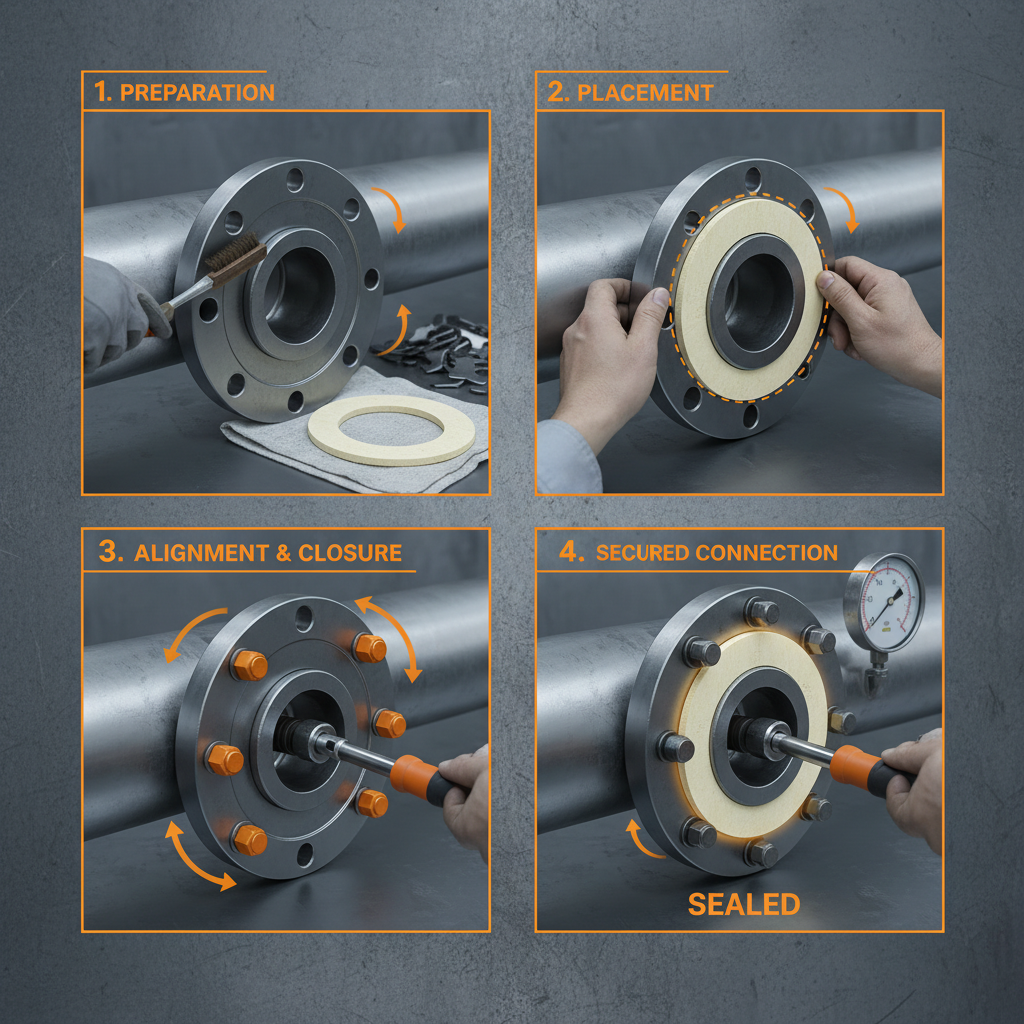
Reusing gaskets is generally not recommended, especially for critical applications. Even if a gasket appears undamaged, it may have lost its compression set and sealing capabilities. Reusing a gasket can compromise the integrity of the seal and lead to leaks or failures. It’s best practice to replace gaskets with new ones during reassembly.

Conclusion

In conclusion, non-asbestos gaskets represent a crucial advancement in sealing technology, offering a safe, reliable, and sustainable alternative to traditional asbestos-containing materials. Their versatility allows for application across a vast range of industries, contributing to improved worker safety, environmental protection, and operational efficiency. Understanding the materials, performance characteristics, and future trends of these gaskets is vital for engineers, technicians, and procurement professionals alike.

Looking ahead, continued innovation in materials science and manufacturing techniques will drive the development of even more high-performance and sustainable non-asbestos gasket solutions. By embracing these advancements, industries can ensure the integrity of their systems, protect their workforce, and minimize their environmental impact. For cutting-edge Non-asbestos gasket technologies and customized solutions, visit our website: www.gzhtmf.com
Daniel Garcia

Daniel Garcia

Daniel Garcia is the Logistics and Supply Chain Manager at HUITE Sealing. He ensures timely and efficient delivery of our gaskets to clients worldwide. With 12 years of experience in international logistics, Daniel manages all aspects of our supply chain, from raw material sourcing to final product delivery. He is adept at navigating complex import/export regulations and optimizing transportation costs. Daniel is critical in guaranteeing consistent availability of genuine KLINGER and DONIT sheets for our gasket production.
Previous DONIT authorized distributor in china Powers Industrial Growth and Reliability
Next Elevate Sealing Performance With AsbestosFree Gaskets

If you are interested in our products, you can choose to leave your information here, and we will be in touch with you shortly.