Guangzhou Huite Sealing Machinery Co., Ltd.




0%
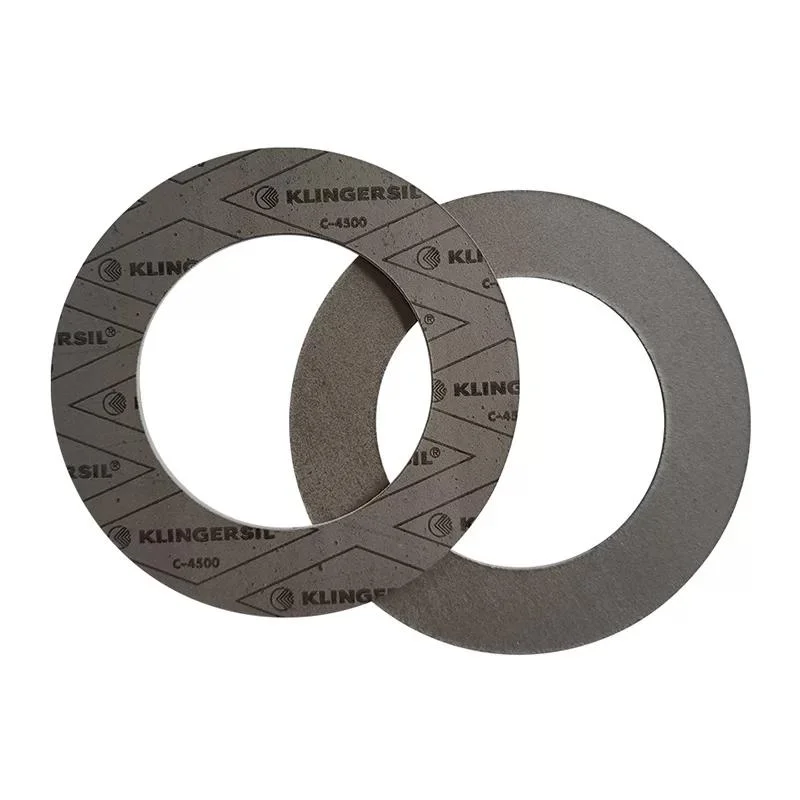
In the complex world of industrial piping and fluid handling, the flange gasket serves as the unsung hero of system integrity. These critical sealing components are designed to fill the microscopic gaps between two flange faces, preventing hazardous leaks and ensuring that high-pressure systems operate safely under extreme conditions. Without a precision-engineered seal, the risk of environmental contamination and industrial accidents would increase exponentially.
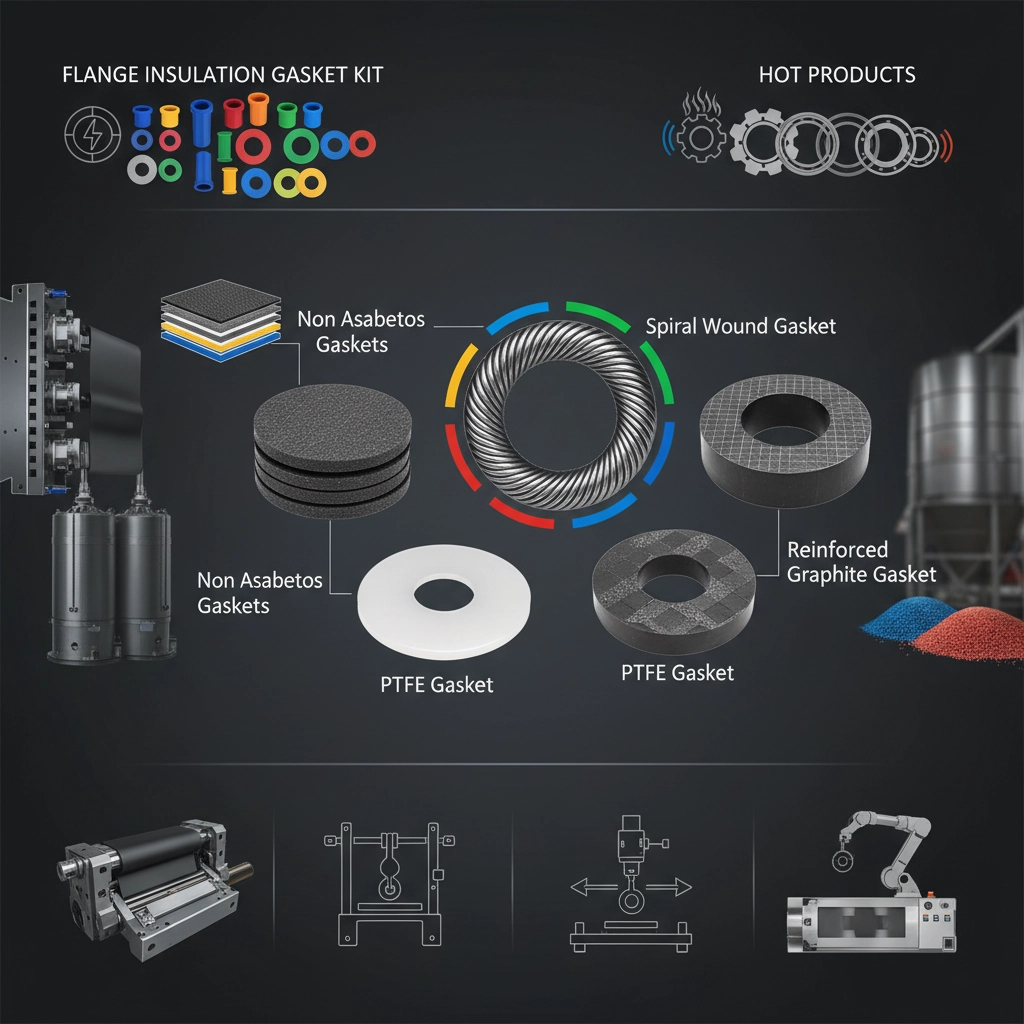
Globally, the demand for high-performance sealing solutions is driven by the rigorous standards of the petrochemical, pharmaceutical, and energy sectors. As industries push toward higher temperatures and more corrosive media, the evolution of the flange gasket has shifted from simple rubber rings to advanced composite materials like reinforced graphite and PTFE. This transition reflects a broader industrial commitment to safety, efficiency, and operational longevity.
Understanding the nuances of gasket selection—ranging from material compatibility to compression load—is essential for any plant engineer or procurement specialist. By optimizing the choice of a flange gasket, companies can significantly reduce unplanned downtime, lower maintenance costs, and adhere to strict ISO and ASME safety regulations, ultimately safeguarding both human life and capital assets.
Table of Contents [Hide]
Global Industrial Context of Flange Gaskets
The global industrial landscape relies heavily on the seamless transport of liquids and gases. From the massive refineries in the Middle East to the precision chemical plants in Germany, the integrity of every joint is paramount. Statistics from international safety organizations indicate that a significant percentage of fugitive emissions in industrial plants originate from poorly sealed joints, highlighting the critical role of a high-quality flange gasket.
Addressing the challenge of "leak-free" operations is not merely a technical goal but a regulatory necessity. With the tightening of environmental laws and the push toward Net Zero emissions, the ability of a sealing system to withstand thermal cycling and chemical degradation has become a benchmark for operational excellence across the global manufacturing sector.
FAQS
How do I choose the right material for my flange gasket?
Selecting the right material requires analyzing three primary factors: the temperature of the medium, the chemical composition of the fluid, and the maximum system pressure. For extreme heat, reinforced graphite is ideal; for aggressive chemicals, PTFE is preferred; and for high-pressure steam, spiral wound gaskets provide the best resilience. Always refer to a material compatibility chart or consult with a specialist to avoid premature seal failure.
Can I reuse a flange gasket after dismantling a pipe?
Generally, no. A flange gasket is designed to deform and create a seal upon the first application of torque. Once compressed, the material's "memory" is spent, and it will not provide the same sealing force a second time. Reusing a gasket significantly increases the risk of leaks and is strongly discouraged in industrial safety protocols.
What is the difference between a ring joint and a flange gasket?
A standard flange gasket is typically a flat or semi-flexible seal used in lower to medium pressure applications. A ring joint (RTJ) is a high-strength metal seal used in extreme high-pressure environments, where the gasket fits into a machined groove in the flange face to create a metal-to-metal seal. RTJs are common in oil and gas pipelines where safety margins must be absolute.
Why is my gasket leaking even though it is tightened?
Leaks often occur due to uneven torque application or flange face damage (scratches/pitting). If the bolts are not tightened in a star pattern, the flange gasket may be crushed on one side and loose on the other. Additionally, if the flange surface is warped, no amount of tightening will create a perfect seal; in such cases, the flange faces may need resurfacing.
Are non-asbestos gaskets as effective as old asbestos ones?
Yes, modern non-asbestos gaskets use advanced synthetic fibers and binders that match or exceed the performance of asbestos in most applications. While asbestos had excellent heat resistance, the health risks were unacceptable. Today's composites offer targeted performance, meaning you can choose a gasket specifically engineered for your exact temperature and pressure requirements.
How long does a typical flange gasket last?
Lifespan varies wildly based on the environment. In stable, low-pressure water systems, a gasket can last decades. In high-cycle thermal plants or corrosive chemical lines, they may need replacement every 2-5 years during scheduled turnarounds. Regular inspection for "weeping" or signs of chemical degradation is the best way to determine the remaining service life.
Conclusion
The flange gasket is far more than a simple piece of rubber or metal; it is a critical engineering component that ensures the safety, stability, and efficiency of global industrial infrastructure. From the selection of chemically inert materials to the precision of installation torque, every detail contributes to the prevention of hazardous leaks and the optimization of operational uptime. By balancing durability, chemical compatibility, and thermal resilience, these seals enable the modern world to transport energy and chemicals with confidence.
As we move toward a future defined by green hydrogen and smart manufacturing, the evolution of sealing technology will continue to play a pivotal role. We encourage engineers and procurement managers to prioritize quality and material science over short-term cost savings to ensure long-term plant integrity. For high-performance sealing solutions tailored to your specific industrial needs, visit our website: www.gzhtmf.com.

Updated:

Daniel Garcia
Daniel Garcia is the Logistics and Supply Chain Manager at HUITE Sealing. He ensures timely and efficient delivery of our gaskets to clients worldwide. With 12 years of experience in international logistics, Daniel manages all aspects of our supply chain, from raw material sourcing to final product delivery. He is adept at navigating complex import/export regulations and optimizing transportation costs. Daniel is critical in guaranteeing consistent availability of genuine KLINGER and DONIT sheets for our gasket production.


