Guangzhou Huite Sealing Machinery Co., Ltd.




0%
Liquefied Natural Gas (LNG) serves as a critical bridge in the global transition toward cleaner energy, but its handling presents extreme engineering challenges due to cryogenic temperatures. Effective LNG sealing is not merely a technical requirement; it is a fundamental safety mandate to prevent the hazardous leakage of volatile gases at temperatures as low as -162°C. Understanding the nuances of cryogenic seals ensures the integrity of the entire supply chain, from liquefaction plants to transport tankers.
Across the global energy landscape, the demand for high-performance sealing solutions has surged as nations diversify their energy portfolios. The industry is shifting away from traditional materials that become brittle in extreme cold, moving toward advanced polymers and composite gaskets that maintain elasticity and sealing force. By prioritizing precision in LNG sealing, operators can significantly reduce methane slip, lower operational risks, and enhance the overall sustainability of the natural gas infrastructure.
For engineers and procurement specialists, selecting the right sealing technology involves balancing thermal expansion coefficients, chemical compatibility, and mechanical durability. Whether employing a Spiral Wound Gasket for high-pressure flanges or specialized PTFE Gaskets for chemical resistance, the goal remains the same: absolute containment. This comprehensive guide explores the technical pillars, practical applications, and future innovations that define modern cryogenic sealing standards.
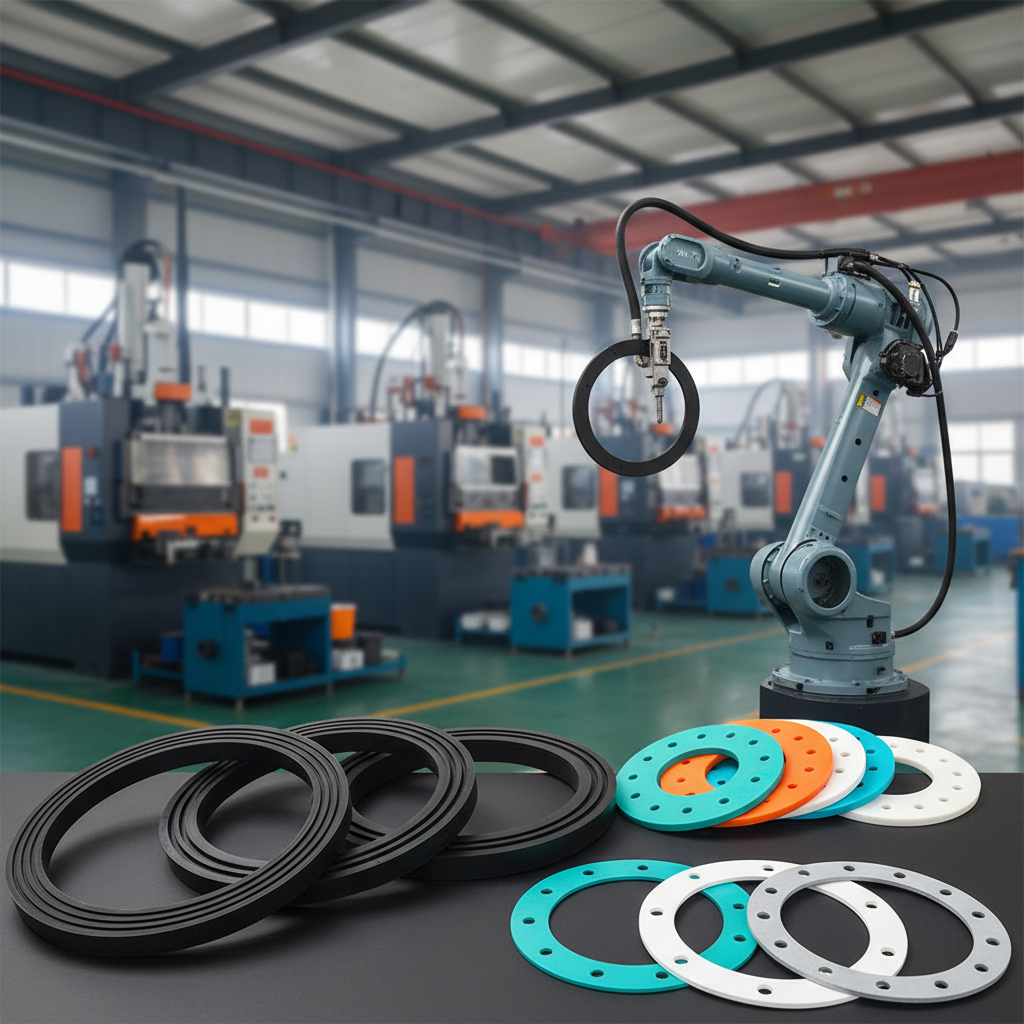
Table of Contents [Hide]
Global Relevance of LNG Sealing Systems
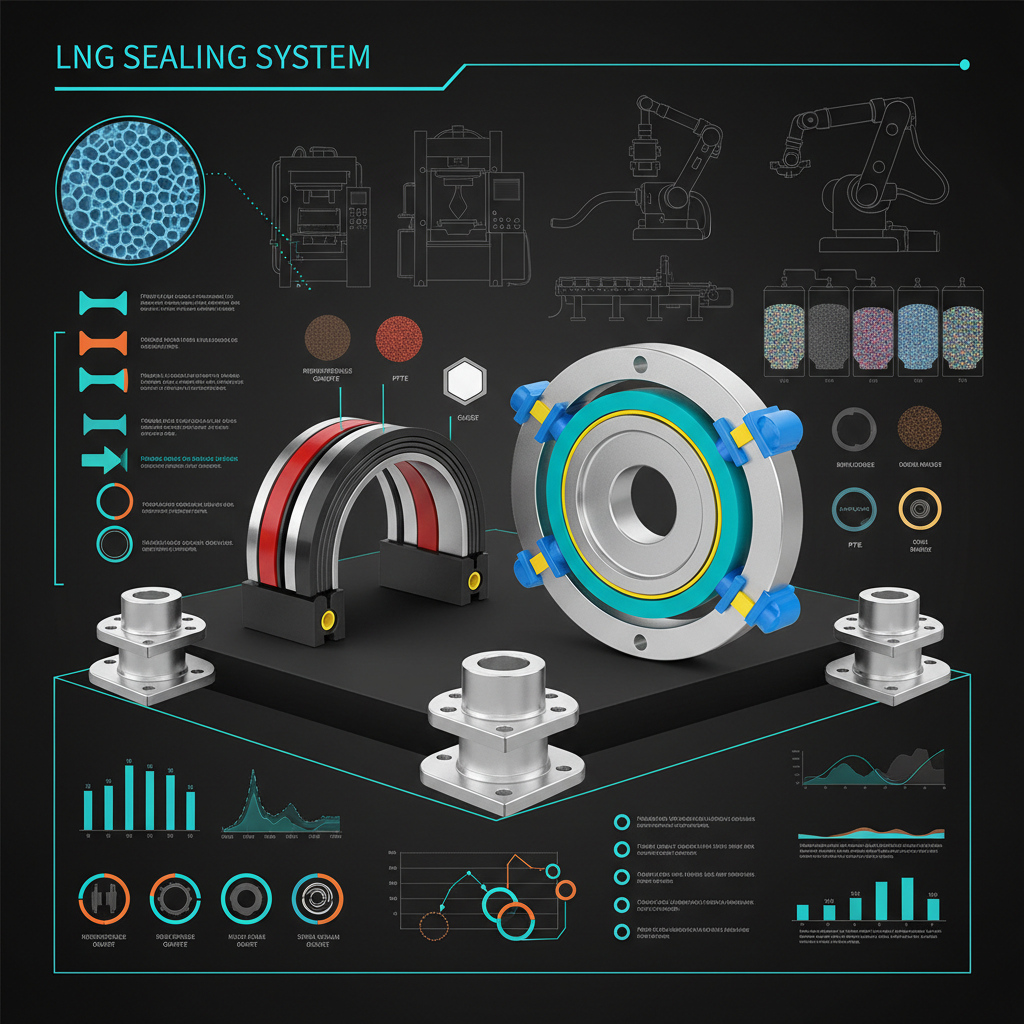
The global energy transition has placed an unprecedented spotlight on the logistics of liquefied natural gas. As indicated by ISO standards for cryogenic vessels, the ability to maintain a leak-proof environment under extreme thermal cycling is the primary barrier to operational efficiency. In regions like the North Sea or Arctic shipping lanes, the failure of a single LNG sealing component can lead to catastrophic pressure losses or environmental contamination.
Modern industrial frameworks now require seals that can withstand the "glass transition" phase, where standard rubbers turn brittle and crack. This has led to the adoption of specialized Non Asbestos Gaskets and reinforced graphite solutions that provide a stable interface between stainless steel flanges, ensuring that the global movement of energy remains safe and uninterrupted.
FAQS
What materials are best for LNG sealing at -162°C?
For temperatures as low as -162°C, expanded PTFE and specialized stainless steel spiral wound gaskets are the industry gold standard. These materials avoid the "glass transition" effect where standard rubbers become brittle. Expanded PTFE is particularly valued for its ability to maintain a seal during thermal contraction, while Spiral Wound Gaskets provide the mechanical strength needed for high-pressure LNG lines.
How does thermal cycling affect LNG sealing integrity?
Thermal cycling causes materials to expand and contract repeatedly. If a seal lacks elasticity or has a thermal expansion coefficient vastly different from the flange, "gap leaks" can occur. High-performance LNG sealing solutions use composite materials that can recover their shape after contraction, ensuring a continuous seal regardless of temperature swings.
Can standard Non-Asbestos Gaskets be used in cryogenic services?
Generally, standard non-asbestos gaskets are not recommended for extreme cryogenic services because they may lose flexibility and crack. However, specialized versions reinforced with cryogenic-grade binders can be used in lower-pressure or less critical sections. For primary containment, engineers typically opt for PTFE or Reinforced Graphite to ensure safety.
What is the role of Flange Insulation Gasket Kits in LNG systems?
Insulation kits serve two purposes: preventing galvanic corrosion between different metals and reducing thermal bridging. In LNG sealing, limiting heat transfer into the cryogenic system is essential to prevent "boil-off gas" (BOG), which reduces product loss and maintains the efficiency of the cooling system.
How often should LNG seals be inspected or replaced?
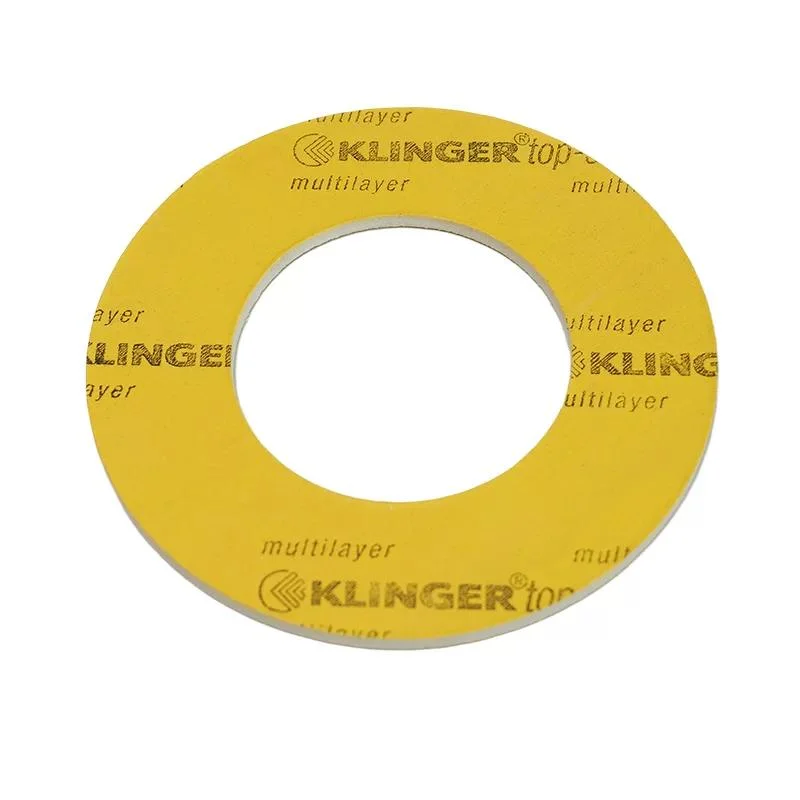
Inspection intervals vary by application, but critical joints should be monitored via leak detection systems continuously. Physical replacement typically occurs during scheduled turnaround maintenance every 5 to 10 years, depending on the material. Using high-durability seals like Donit or Klinger Gaskets can extend these intervals, reducing operational risk.
Are PTFE gaskets safe for high-pressure LNG applications?
Pure PTFE can suffer from "cold flow" or creep under extremely high pressures. To solve this, the industry uses reinforced PTFE or Spiral Wound Gaskets with PTFE fillers. These provide the chemical inertness and cryogenic flexibility of PTFE combined with the structural reinforcement of metal, making them safe for high-pressure LNG sealing.
Conclusion
The integrity of LNG sealing is the cornerstone of safe and efficient cryogenic energy transport. From the selection of advanced materials like PTFE and Spiral Wound Gaskets to the implementation of insulation kits, every detail counts in preventing hazardous leaks and minimizing environmental impact. By focusing on thermal stability, mechanical resilience, and long-term durability, the industry can ensure that the transition to cleaner natural gas is both sustainable and secure.
Looking forward, the integration of smart monitoring and nano-engineered materials will redefine the standards of cryogenic containment. For operators and engineers, the priority must remain the adoption of certified, high-performance sealing solutions that can withstand the rigors of extreme cold. To ensure your infrastructure meets the highest safety standards, we invite you to explore our professional sealing range. Visit our website: www.gzhtmf.com

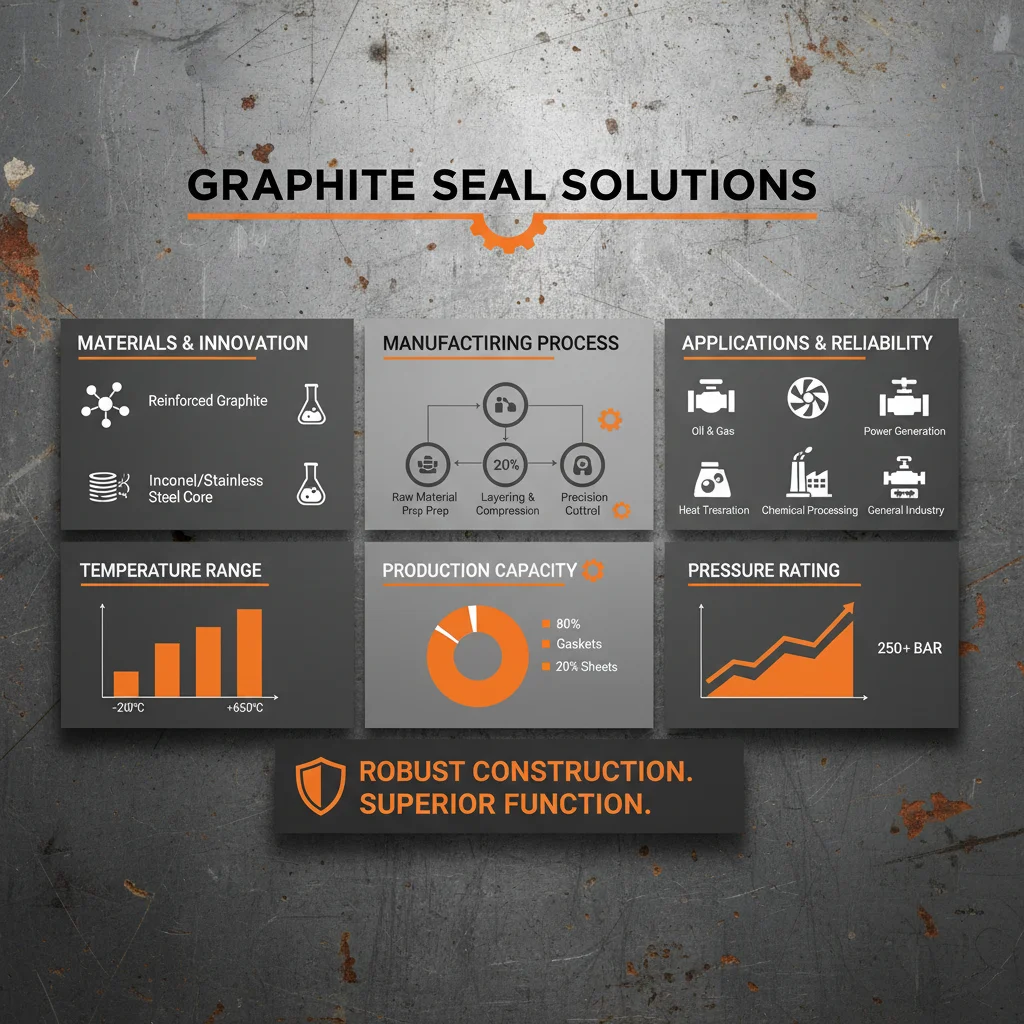
Updated:

David Miller
David Miller is a Senior Application Engineer at HUITE Sealing, bringing over 15 years of experience in industrial sealing solutions. He specializes in gasket selection and implementation for the Oil & Gas and Power Generation sectors. David holds a Bachelor’s degree in Mechanical Engineering and is a certified KLINGER specialist. He’s been instrumental in adapting our spiral wound gaskets for demanding high-pressure applications, contributing significantly to projects involving critical infrastructure. He frequently authors technical articles for industry publications and enjoys collaborating with clients to optimize their sealing performance. David is a key point of contact for complex sealing challenges.


