Guangzhou Huite Sealing Machinery Co., Ltd.



0%
TESNIT BA-U represents a significant advancement in rapidly deployable infrastructure solutions, addressing critical needs in disaster relief, emergency housing, and remote site accommodations. Its modular design and ease of assembly offer a compelling alternative to traditional construction methods, particularly in situations demanding speed and efficiency. Understanding the core principles of TESNIT BA-U is crucial for organizations and governments seeking resilient and cost-effective shelter solutions.
The global demand for adaptable and scalable housing is continually increasing, driven by factors like climate change, urbanization, and geopolitical instability. TESNIT BA-U directly responds to these challenges by providing a robust and quickly implemented solution. Its inherent flexibility allows for customization to meet diverse needs, from basic emergency shelters to more comprehensive living spaces.
Essentially, TESNIT BA-U offers a pathway to restore normalcy faster in affected areas and establishes more sustainable accommodations for workers and communities in remote locations. This technology isn’t just about building structures; it’s about rebuilding lives and bolstering infrastructure resilience.
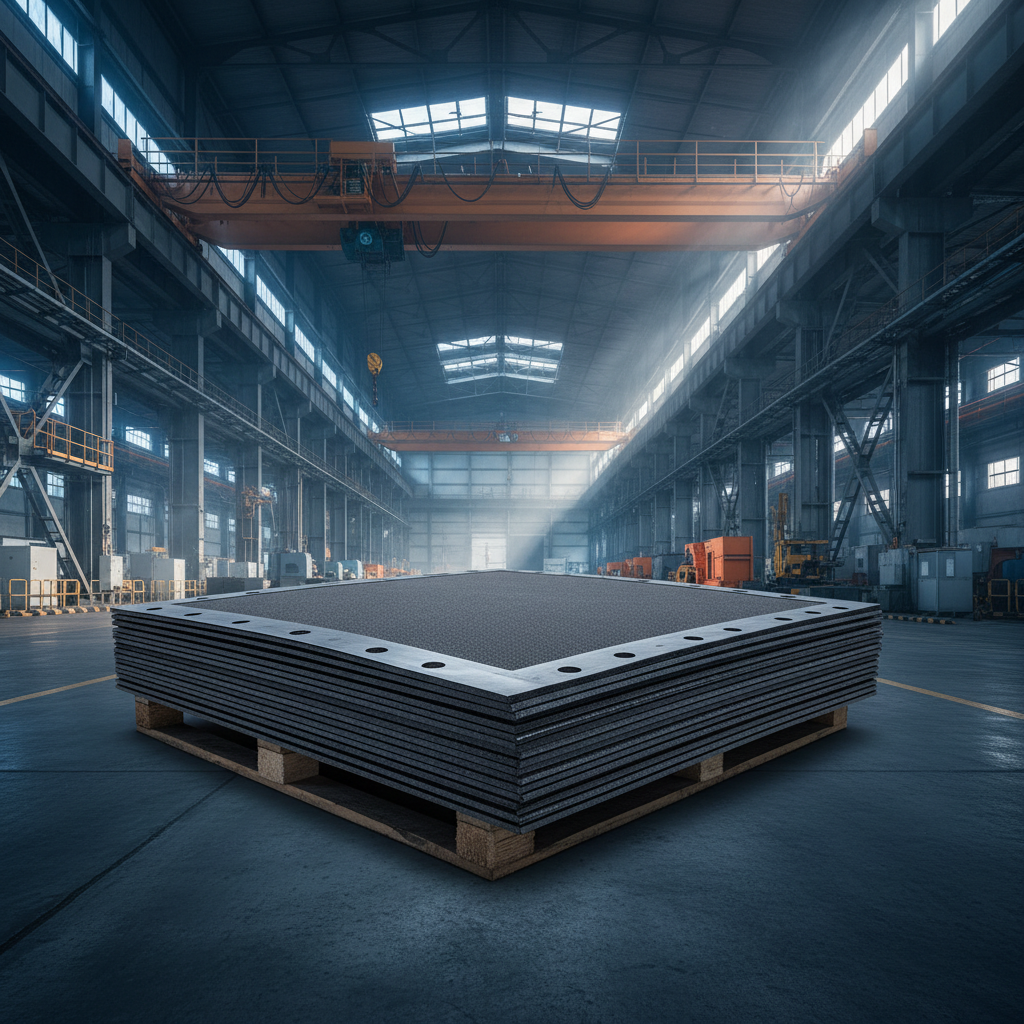
Table of Contents [Hide]
The Core Principles of TESNIT BA-U
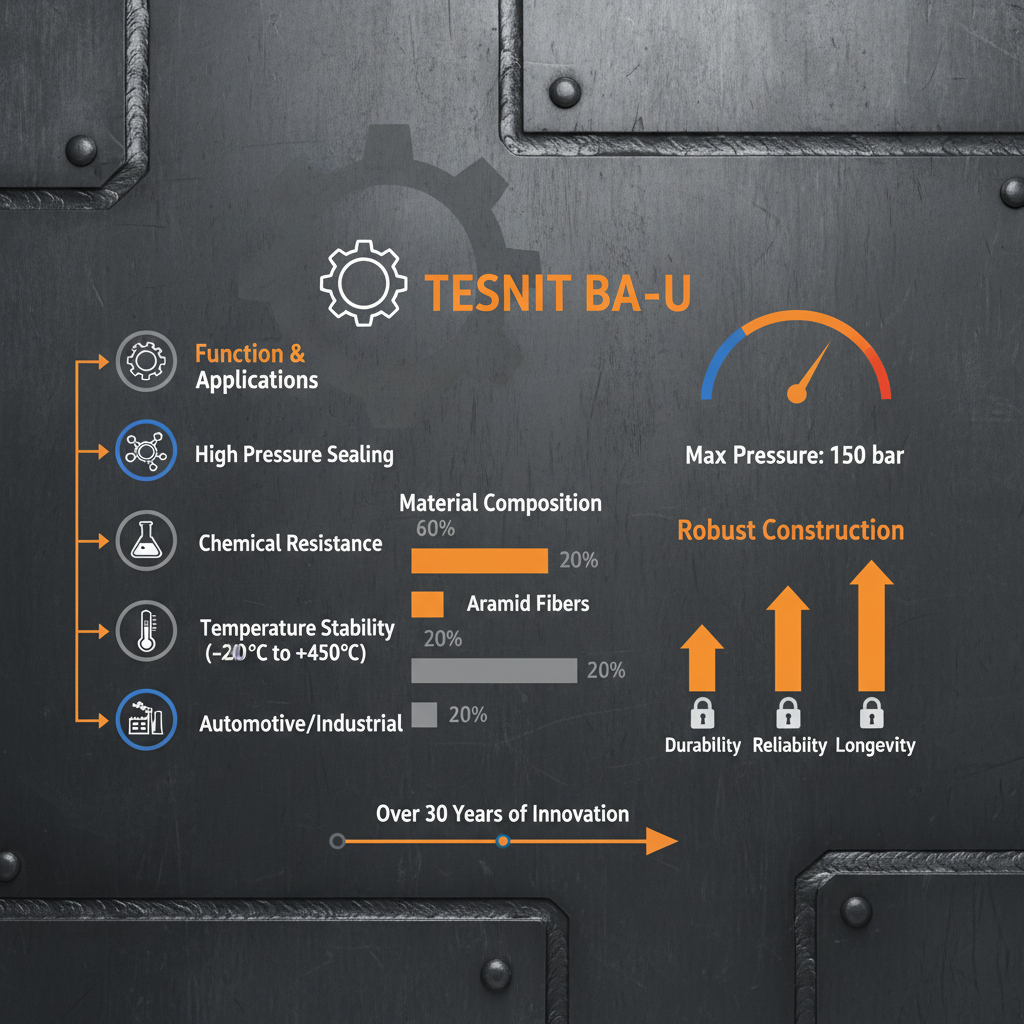
TESNIT BA-U's foundational principle lies in pre-fabrication and modularity. This means components are manufactured in controlled environments, ensuring consistent quality and reducing on-site construction time. This approach significantly minimizes waste and allows for rapid deployment, particularly vital in emergency response situations.
Another key aspect is adaptability. TESNIT BA-U structures aren’t limited to a single design; they can be configured and combined to create various layouts, accommodating different needs and site constraints. This inherent flexibility is a major differentiator compared to more rigid traditional building methods.
FAQS
What are the primary advantages of TESNIT BA-U compared to traditional brick-and-mortar construction?
TESNIT BA-U offers significantly faster construction times, reduced labor costs, and minimized waste compared to traditional methods. The modular design allows for greater flexibility and adaptability, and the controlled factory environment ensures higher quality control. It's particularly advantageous in situations requiring rapid deployment or construction in challenging environments.
How durable are TESNIT BA-U structures, and what is their expected lifespan?
TESNIT BA-U structures are engineered for durability, utilizing high-quality materials like galvanized steel and robust composite panels. Properly maintained, these structures can have a lifespan of 50 years or more. They are designed to withstand harsh weather conditions, seismic activity, and the stresses of repeated assembly and disassembly.
Is TESNIT BA-U an environmentally friendly building solution?
Yes, TESNIT BA-U promotes sustainable building practices. The prefabrication process minimizes waste, and the use of recyclable materials reduces environmental impact. Furthermore, the energy-efficient design of TESNIT BA-U structures can lower long-term operating costs and carbon emissions.
What level of customization is possible with TESNIT BA-U?
TESNIT BA-U offers a high degree of customization. The modular design allows for flexible configurations, enabling you to create various layouts and adapt the structures to specific needs. Interior finishes, plumbing, electrical systems, and other features can be tailored to meet individual requirements.
What are the transportation requirements for TESNIT BA-U components?
TESNIT BA-U components are designed for efficient transportation. They are typically flat-packed and can be transported via standard shipping containers, trucks, or even air freight, depending on the location and urgency. Optimized logistics networks are crucial for minimizing transportation costs and ensuring timely delivery.
How does TESNIT BA-U compare to container homes in terms of cost and quality?
While both utilize containerization principles, TESNIT BA-U generally offers a higher level of quality and customization compared to standard container homes. TESNIT BA-U structures are engineered for durability and incorporate superior insulation, finishing, and structural integrity. Costs can vary, but TESNIT BA-U often provides better long-term value due to its enhanced performance and lifespan.
Conclusion
TESNIT BA-U represents a paradigm shift in the construction industry, offering a compelling combination of speed, efficiency, sustainability, and adaptability. Its ability to address critical housing needs in disaster relief, remote areas, and urban environments makes it a valuable solution for a diverse range of applications. By leveraging the principles of prefabrication and modularity, TESNIT BA-U delivers a cost-effective and resilient alternative to traditional building methods.
Looking ahead, continued innovation in materials science, smart technology integration, and sustainable design principles will further enhance the performance and value of TESNIT BA-U. We encourage organizations and governments seeking innovative infrastructure solutions to explore the potential of TESNIT BA-U and contribute to a more sustainable and resilient future. Visit our website at www.gzhtmf.com to learn more.
Updated:

David Miller
David Miller is a Senior Application Engineer at HUITE Sealing, bringing over 15 years of experience in industrial sealing solutions. He specializes in gasket selection and implementation for the Oil & Gas and Power Generation sectors. David holds a Bachelor’s degree in Mechanical Engineering and is a certified KLINGER specialist. He’s been instrumental in adapting our spiral wound gaskets for demanding high-pressure applications, contributing significantly to projects involving critical infrastructure. He frequently authors technical articles for industry publications and enjoys collaborating with clients to optimize their sealing performance. David is a key point of contact for complex sealing challenges.


