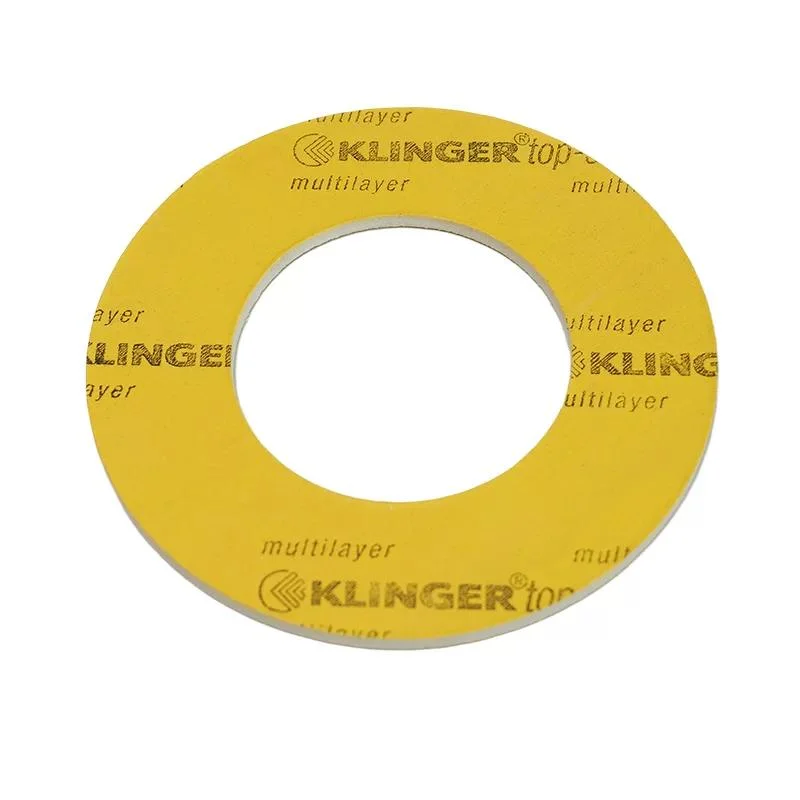
Spiral Wound Gasket for LNG: A Comprehensive Guide
Liquefied Natural Gas (LNG) handling demands the highest levels of safety and reliability. A crucial component in ensuring leak-proof connections in LNG applications is the spiral wound gasket for LNG. These gaskets are engineered to withstand extreme temperatures, pressures, and the corrosive nature of LNG. This article delves into the design, materials, applications, and advantages of using spiral wound gaskets in LNG facilities, providing valuable insights for engineers, procurement specialists, and safety professionals. Choosing the right gasket is vital for preventing costly leaks and ensuring operational safety.
Understanding Spiral Wound Gasket Construction
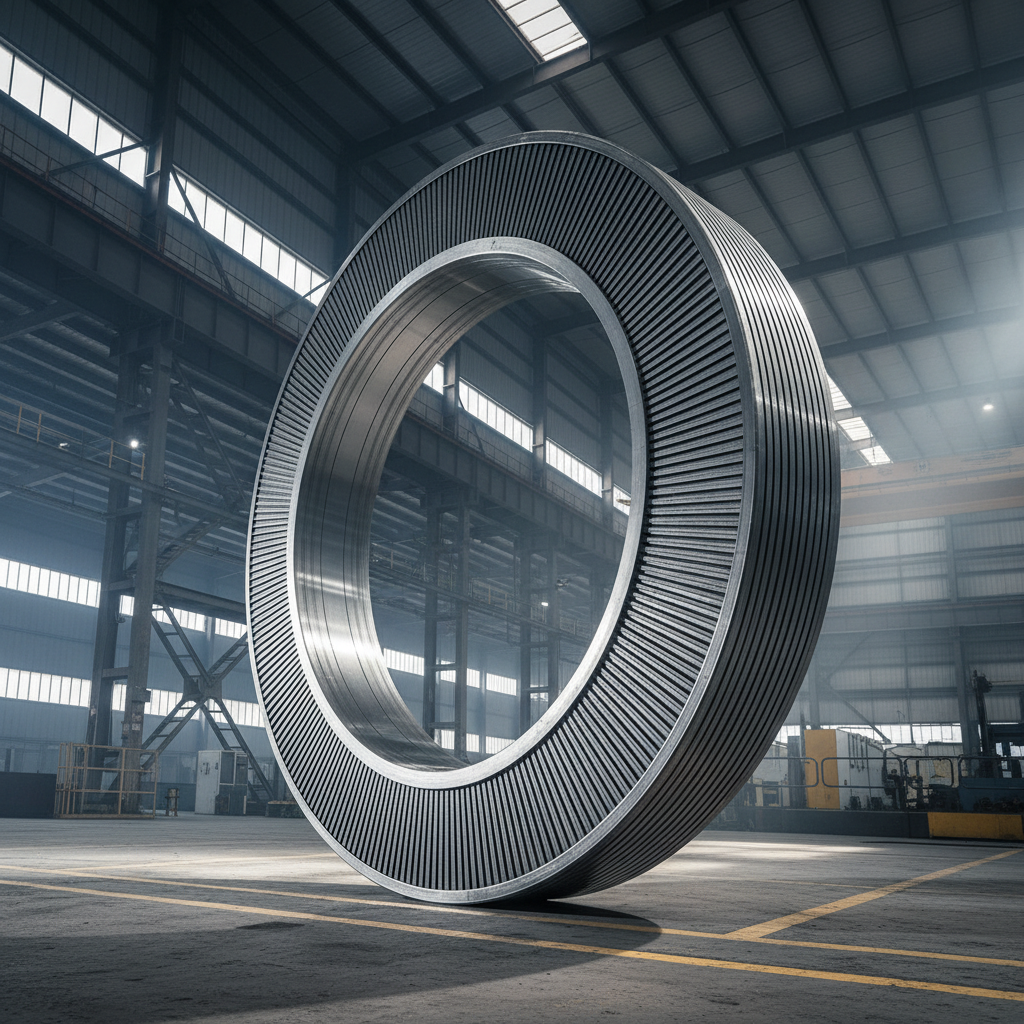
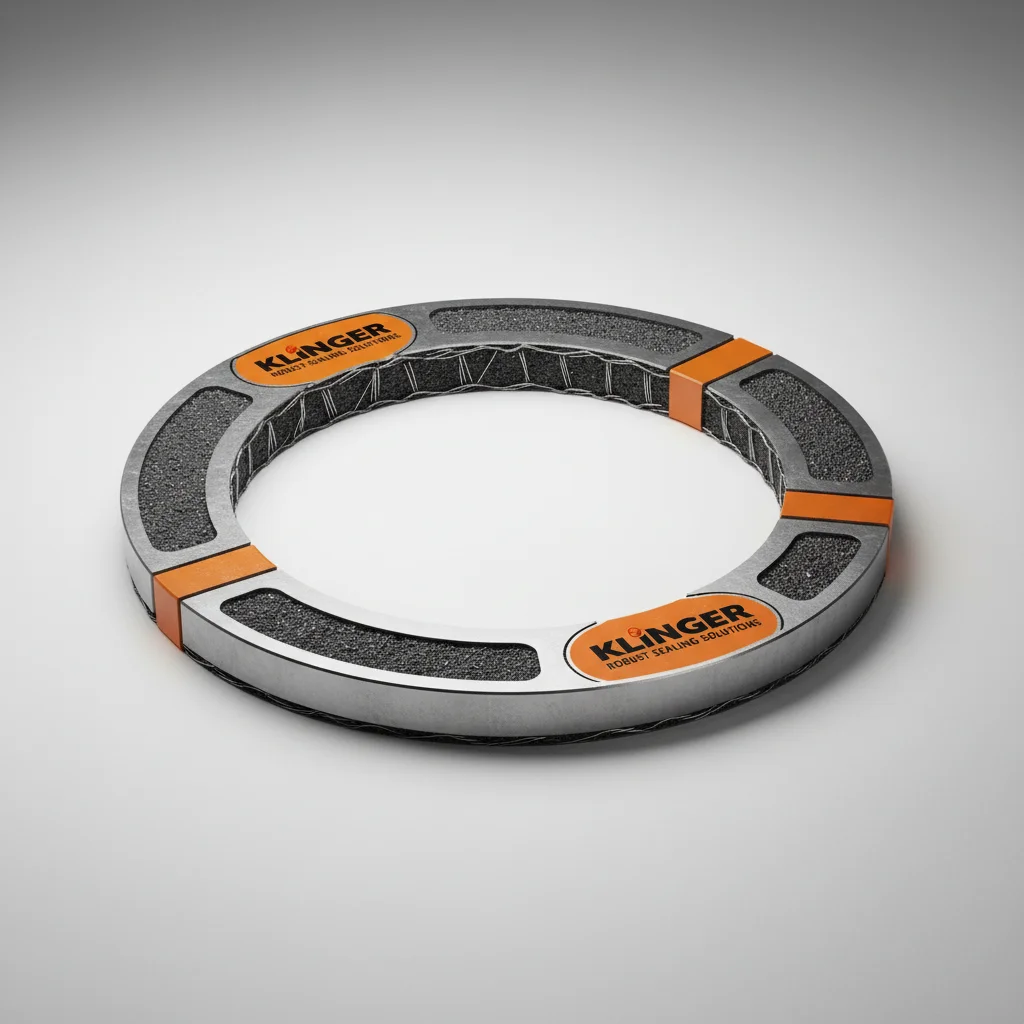
A spiral wound gasket is constructed by spirally winding a preformed metallic strip and a softer filler material, typically graphite or PTFE. The metallic strip provides strength and resilience, while the filler material conforms to flange irregularities, creating a tight seal. The winding process creates alternating layers of metal and filler, resulting in a gasket that can withstand high pressures and temperatures. The gasket’s performance is greatly affected by the materials selected and the manufacturing process. HTMF specializes in producing high-quality spiral wound gaskets designed for challenging LNG environments.
Key Highlights: Constructed from spirally wound metallic strips and a filler material, offering exceptional strength and conformability. Designed to withstand high pressures and temperatures while maintaining a tight seal.
Materials Used in Spiral Wound Gaskets for LNG Applications
The selection of materials is critical for ensuring the gasket’s compatibility with LNG. Common metallic materials include stainless steel (304, 316, 321), and Inconel. The filler materials typically used are graphite, expanded PTFE, and combinations thereof. Graphite offers excellent thermal stability and chemical resistance, while PTFE provides superior chemical inertness. For LNG, materials with low permeability and resistance to cold temperatures are essential. The correct material selection guarantees a long service life and minimizes the risk of failure. HTMF offers a variety of material options tailored to LNG applications.
Material Selection Benefits:
• High Chemical Resistance
• Excellent Thermal Stability
• Low Permeability to LNG
• Resistance to Cold Temperatures
Spiral Wound Gasket for LNG vs. Other Gasket Types
Compared to other gasket types, such as flat gaskets or rubber gaskets, spiral wound gaskets offer significant advantages in LNG applications. Flat gaskets are not suitable for high-pressure and fluctuating temperature conditions. Rubber gaskets can degrade quickly in the presence of LNG. Spiral wound gaskets provide superior resilience, conformability, and resistance to blowout. Their ability to withstand extreme conditions makes them the preferred choice for critical LNG connections. HTMF provides a detailed comparison of gasket types to help customers select the optimal solution.
| Gasket Type |
Pressure Rating |
Temperature Range |
Chemical Resistance |
| Spiral Wound |
High (up to 250 bar) |
-196°C to +500°C |
Excellent |
| Flat Gasket |
Low (up to 10 bar) |
-20°C to +200°C |
Limited |
| Rubber Gasket |
Medium (up to 50 bar) |
-50°C to +150°C |
Poor |
Applications of Spiral Wound Gaskets in LNG Facilities
Spiral wound gaskets are employed in various critical connections within LNG facilities, including: flange connections on pipelines, valves, pumps, compressors, heat exchangers, and storage tanks. Their ability to handle extreme conditions and prevent leaks is paramount to maintaining the integrity of the LNG process. Proper gasket selection and installation are essential for preventing downtime and ensuring safe operation. HTMF provides customized gasket solutions for specific LNG facility needs.
Product Specifications & Standards
Our spiral wound gaskets for LNG applications are manufactured to meet or exceed industry standards such as ASME B16.20 and API 6A. We offer a range of sizes, materials, and configurations to suit various flange types and operating conditions. All gaskets undergo rigorous quality control testing to ensure reliability and performance. Below is a table outlining some of our standard product specifications:
| Specification |
Details |
| Standards Compliance |
ASME B16.20, API 6A |
| Temperature Range |
-196°C to +450°C |
| Pressure Rating |
Up to 250 bar |
| Materials |
SS304, SS316, Inconel, Graphite, PTFE |
Conclusion: Ensuring LNG Safety with HTMF Gaskets
Selecting the right spiral wound gasket for LNG is crucial for maintaining the safety and efficiency of LNG operations. HTMF provides high-quality gaskets engineered for the demanding conditions of LNG handling. We offer a wide range of materials, sizes, and configurations to meet your specific needs. Contact us today to discuss your gasket requirements.
Frequently Asked Questions (FAQs)
What are the key considerations when selecting a spiral wound gasket for LNG?
When choosing a spiral wound gasket for LNG, several factors are crucial. First, material compatibility is paramount; the gasket must be resistant to the corrosive effects of LNG and the extremely low temperatures. Stainless steel (316 or 321) and Inconel are commonly used for the metallic windings, while graphite or PTFE are preferred for the filler material. Second, the pressure and temperature ratings of the gasket must meet or exceed the operating conditions of the flange connection. Third, the gasket's dimensions must precisely match the flange specifications to ensure a proper seal. Finally, it's important to select a reputable manufacturer like HTMF that provides quality control and certification.
What is the typical lifespan of a spiral wound gasket in an LNG application?
The lifespan of a spiral wound gasket in an LNG application depends on several factors, including operating conditions, temperature fluctuations, pressure cycles, and the quality of the gasket materials. Typically, a well-maintained gasket can last between 5 to 10 years. However, regular inspections are crucial to identify any signs of deterioration, such as corrosion, cracking, or loss of compression. It's recommended to replace the gasket proactively during planned maintenance shutdowns to prevent unexpected leaks and downtime.
How do I properly install a spiral wound gasket for LNG service?
Proper installation is essential for ensuring a leak-free seal. First, thoroughly clean the flange surfaces to remove any dirt, debris, or old gasket material. Inspect the flanges for any damage or imperfections. Carefully position the gasket onto the flange, ensuring it is concentric with the bolt holes. Gradually tighten the bolts in a star pattern, following the manufacturer’s torque specifications. Avoid over-tightening, as this can damage the gasket. Finally, perform a leak test to verify the integrity of the seal. HTMF can provide detailed installation guidelines.
Does HTMF offer custom spiral wound gasket solutions for LNG?
Yes, HTMF specializes in providing custom spiral wound gasket solutions tailored to specific LNG applications. We can accommodate unique flange dimensions, material requirements, and operating conditions. Our engineering team works closely with customers to understand their needs and design gaskets that deliver optimal performance and reliability. We offer rapid prototyping and quick turnaround times for custom orders.