Guangzhou Huite Sealing Machinery Co., Ltd.



0%
Grafilit EM represents a paradigm shift in rapid deployment solutions, addressing critical needs in disaster relief, temporary housing, and remote site accommodations. Its modular design and rapid assembly capabilities offer a viable alternative to traditional construction methods, especially in scenarios where time and resource constraints are paramount. Understanding the nuances of Grafilit EM is increasingly vital as global challenges, such as climate change and humanitarian crises, demand adaptable and scalable infrastructure solutions.
The global landscape is marked by increasing frequency of natural disasters and a growing demand for affordable, accessible housing. Traditional construction methods often fall short in these situations, proving too slow, costly, or logistically challenging. Grafilit EM steps in as a practical solution, offering a quicker, more cost-effective, and environmentally conscious approach to providing shelter and infrastructure. According to the United Nations, over 100 million people are currently displaced globally, underscoring the urgent need for scalable housing solutions like those offered by Grafilit EM.
The significance of Grafilit EM extends beyond immediate crisis response. It presents opportunities for sustainable development in remote areas, allowing for the creation of essential facilities like clinics, schools, and worker accommodations without the lengthy and disruptive construction processes typically required. With increasing emphasis on ISO standards for quality and safety in construction, Grafilit EM’s pre-fabricated nature lends itself to stringent quality control and ensures compliance.
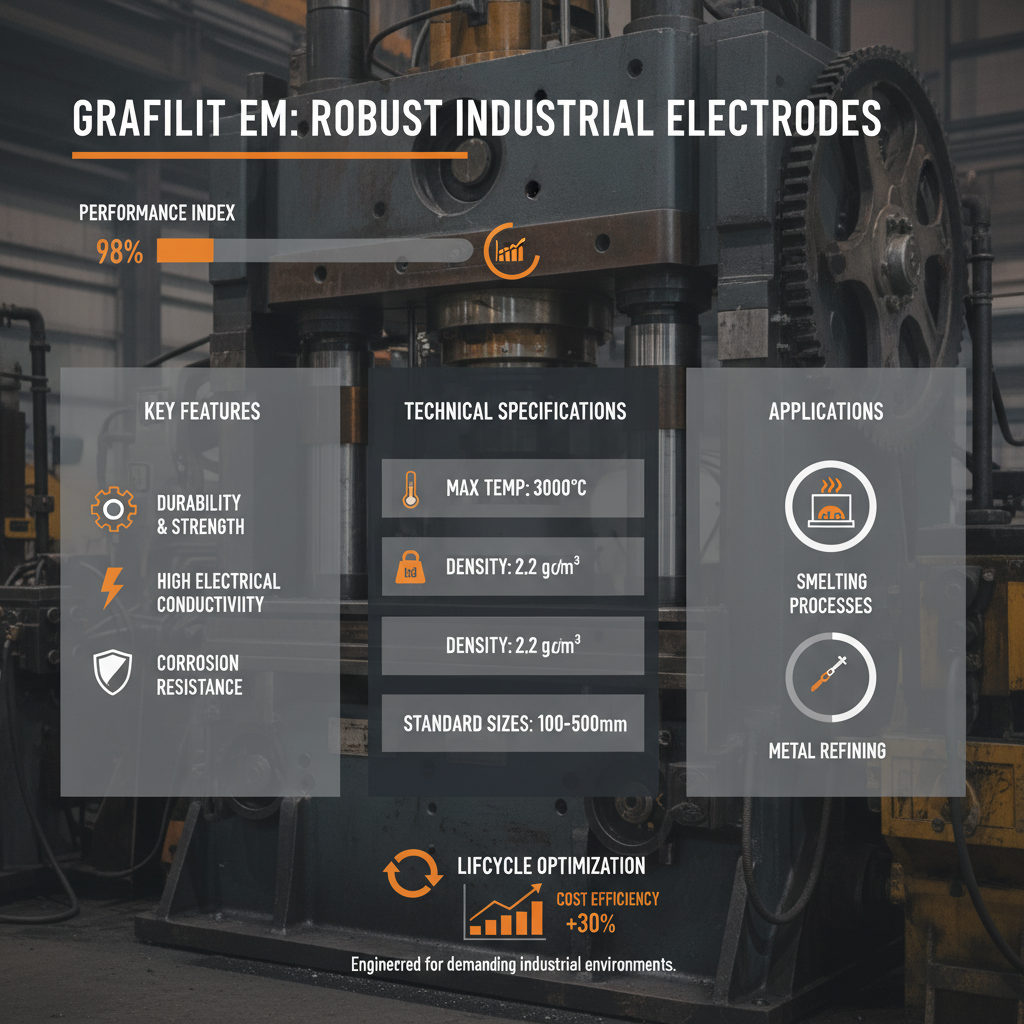
Table of Contents [Hide]
Introduction to Grafilit EM
Grafilit EM isn’t merely about constructing buildings; it's about rapidly establishing functional spaces tailored to diverse needs. It leverages pre-fabricated, modular units that can be quickly assembled and disassembled, reducing on-site construction time and minimizing disruption. The inherent flexibility of Grafilit EM allows for customization and scalability, making it ideal for both temporary and semi-permanent installations.
The impact of Grafilit EM extends beyond the construction phase. Its lightweight construction reduces transportation costs and environmental impact. Furthermore, the materials used in its production are often recyclable, aligning with sustainable building practices. This makes it a compelling alternative to traditional methods, especially in environments where minimizing ecological footprint is crucial.
FAQS
What are the primary advantages of Grafilit EM over traditional brick-and-mortar construction for emergency housing?
Grafilit EM offers significantly faster deployment times – often days rather than months – and reduced construction costs. Its modular design allows for easy scalability and relocation, addressing immediate needs more effectively than traditional methods. Additionally, it often produces less waste and minimizes disruption to the surrounding environment. The reduced reliance on skilled labor also makes it adaptable to various locations and contexts.
What is the typical lifespan of a Grafilit EM structure in a challenging climate?
The lifespan of a Grafilit EM structure depends on the materials used and the maintenance provided. However, with proper care, these structures can last for 10-20 years or even longer. High-quality materials and corrosion-resistant coatings are essential for durability in harsh climates. Regular inspections and maintenance, such as repainting or replacing components, will further extend its lifespan.
Is Grafilit EM a sustainable and eco-friendly housing solution?
Yes, Grafilit EM can be highly sustainable. Its prefabrication process minimizes material waste, and the use of recyclable materials is common. The reduced construction time lowers carbon emissions compared to traditional methods. Furthermore, its portability and potential for disassembly and reuse contribute to a circular economy approach. Choosing eco-friendly materials further enhances its sustainability.
What are the logistical challenges of importing Grafilit EM units internationally for humanitarian aid?
Logistical challenges often involve navigating import regulations, transportation costs, and customs procedures. Careful planning and coordination with local authorities are crucial. Flat-pack designs minimize shipping volume, and pre-approved import permits can streamline the process. Partnering with experienced logistics providers specializing in humanitarian aid delivery is highly recommended. Grafilit EM can assist in navigating these complexities.
Can Grafilit EM structures be customized to meet specific cultural or regional needs?
Absolutely. Grafilit EM is designed for flexibility. Exterior finishes, internal layouts, and even entire structural configurations can be customized to suit local architectural styles and cultural preferences. This adaptability ensures that the structures are not only functional but also integrate seamlessly into the surrounding environment, fostering acceptance and community ownership.
How does the cost of Grafilit EM compare to traditional on-site construction methods in developing countries?
In developing countries, Grafilit EM often proves more cost-effective due to reduced labor costs, faster construction times, and minimized material waste. The ability to prefabricate components off-site reduces the need for skilled labor, which can be scarce and expensive in certain regions. While initial investment might be comparable, long-term savings on maintenance and reduced construction timelines frequently make Grafilit EM a more economical choice.
Conclusion
Grafilit EM stands as a transformative solution in the realm of rapid deployment and modular construction. Its blend of durability, scalability, and cost-effectiveness makes it ideally suited to address pressing global challenges, from disaster relief to affordable housing shortages. By embracing innovation and sustainable practices, Grafilit EM presents a viable pathway towards resilient and adaptable infrastructure.
Looking ahead, continued advancements in materials science and smart technologies will further enhance the capabilities of Grafilit EM. Increased adoption of this approach is not merely a construction trend, but a necessary step towards building a more sustainable and equitable future. Explore the possibilities and discover how Grafilit EM can redefine your approach to building and infrastructure development.
Related Posts
-

TESNIT BAGL Revolutionizing Modular Construction and Sustainable Infrastructure
-
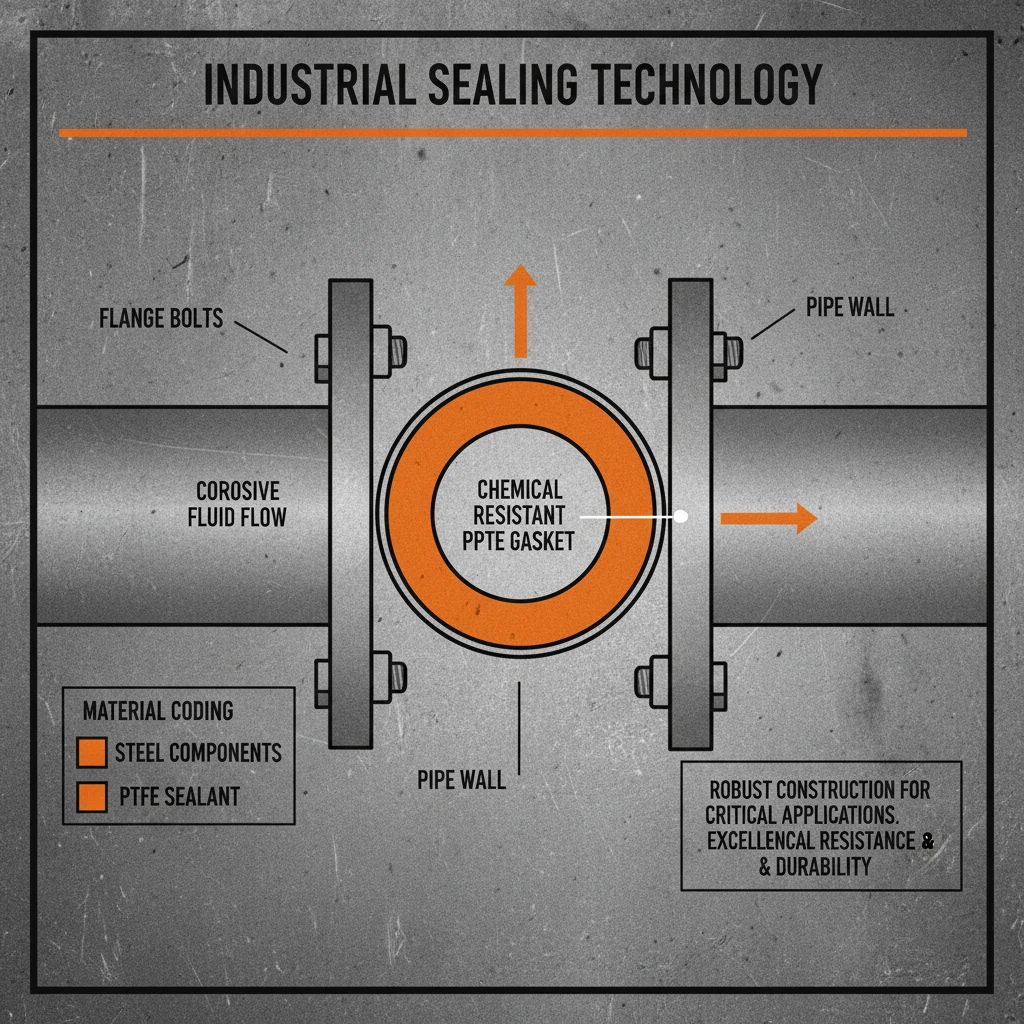
Comprehensive Guide to Chemical Resistant PTFE Gaskets and Their Applications
-
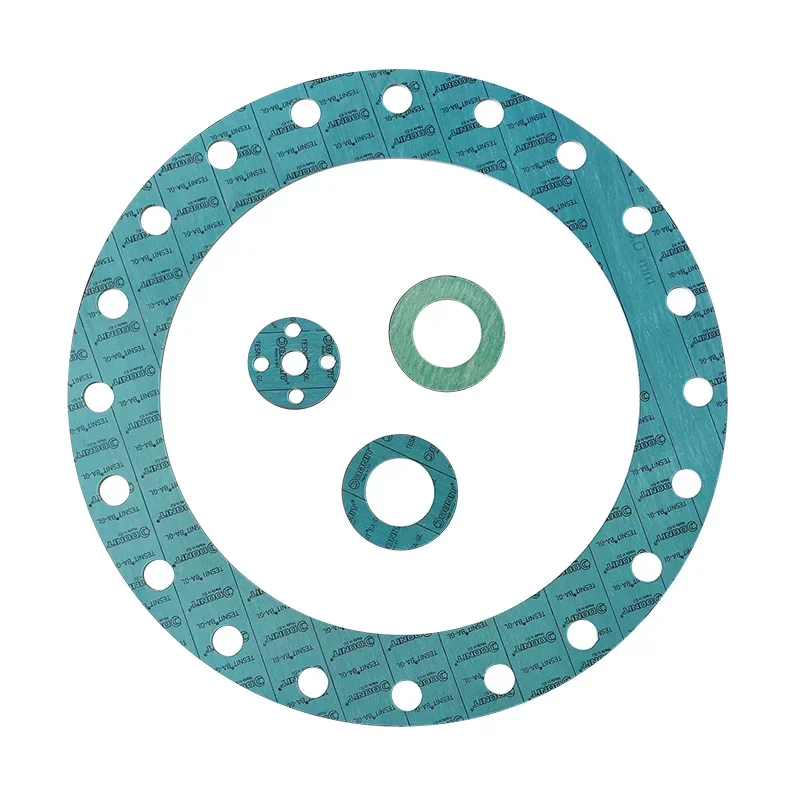
DONIT Authorized Distributor from China Supplying Marine and Offshore Gasket Solutions
-
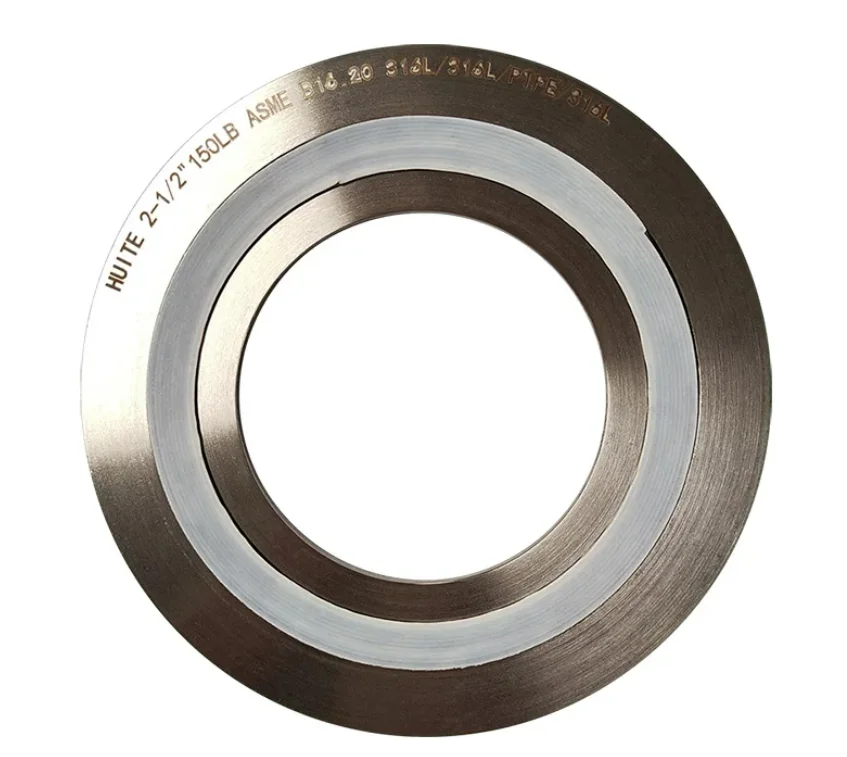
China Best PTFE Gasket Manufacturer with ISO9001 Certification for LNG and Chemical Plants
Updated:

Robert Chen
Robert Chen serves as the Quality Control Manager at HUITE Sealing, ensuring all products meet stringent ISO 9001, ISO 45001 and ISO 14001 standards. With a background in materials science and over 10 years in quality assurance, Robert oversees the testing and certification of our gaskets, including KLINGER and DONIT products. He's dedicated to maintaining the highest levels of product reliability and consistency. Robert led the implementation of our API 6FB fire testing program, demonstrating our commitment to safety. He focuses on continuous improvement of our quality control processes.


