Understanding Non-Asbestos Gaskets: Applications and Benefits
In a wide range of industries, from automotive to chemical processing, gaskets play a crucial role in preventing leaks and ensuring efficient operation. Historically, asbestos was a common component in gasket materials due to its excellent heat resistance and sealing properties. However, due to the well-documented health risks associated with asbestos, non-asbestos gaskets have become the standard. This article will explore the advantages, applications, and types of non-asbestos gaskets, providing a comprehensive guide for businesses and professionals. You can find a comprehensive range of high-quality non-asbestos gaskets at GZHTMF.
Why Choose Non-Asbestos Gaskets?
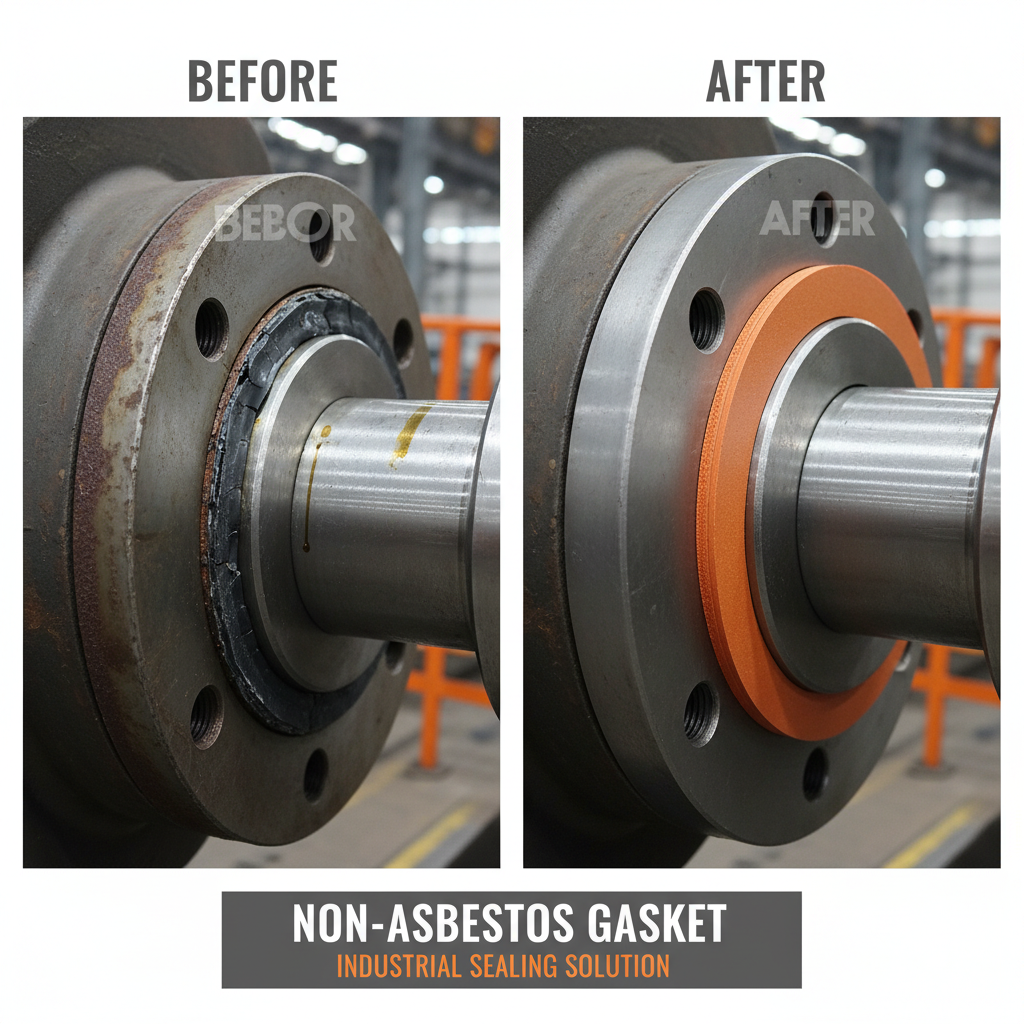
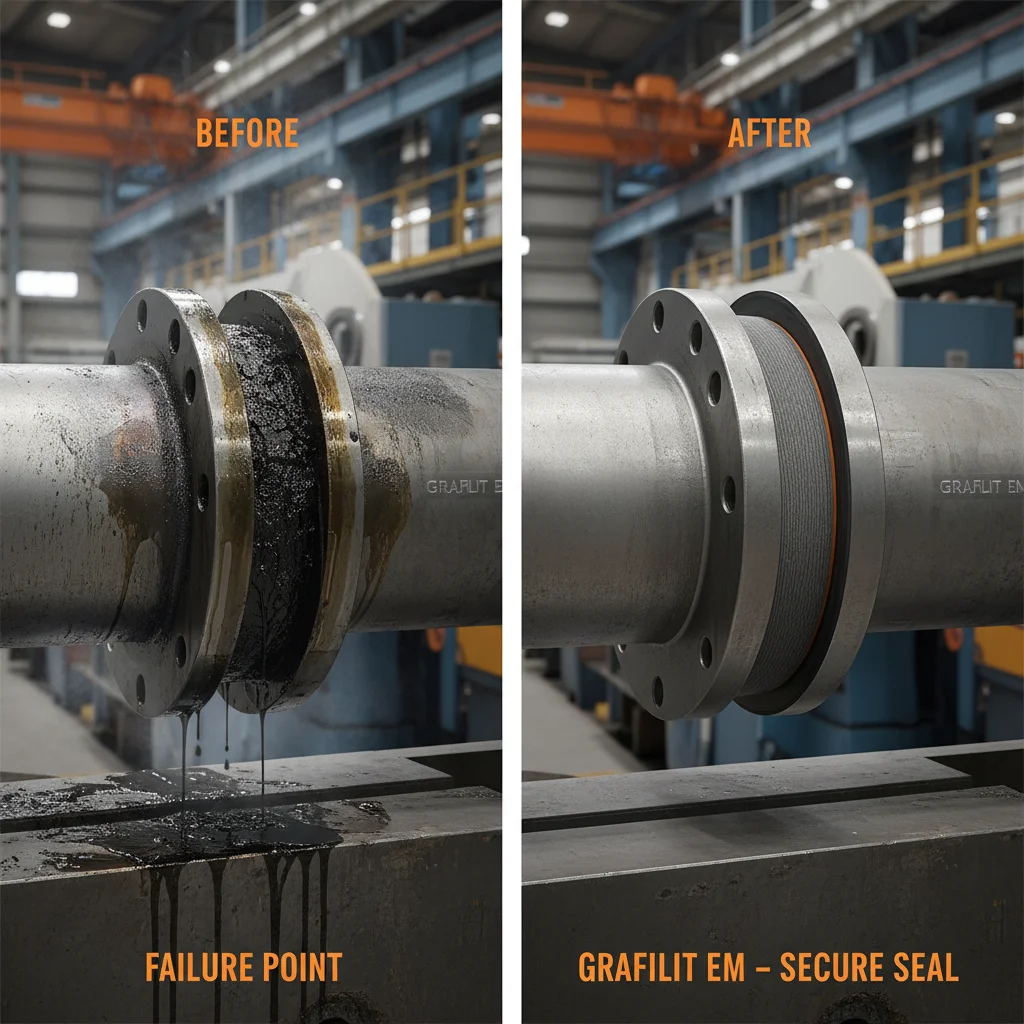
The transition from asbestos-containing gaskets to non-asbestos alternatives was driven by health and safety concerns. Asbestos fibers, when inhaled, can cause serious respiratory illnesses, including lung cancer and mesothelioma. Non-asbestos gaskets provide a safe and effective alternative without compromising performance. Modern materials offer comparable or even superior resistance to heat, chemicals, and pressure. Choosing non-asbestos options demonstrates a commitment to worker safety and environmental responsibility. Furthermore, regulations in many countries now restrict or prohibit the use of asbestos in industrial applications, making non-asbestos gaskets a legal requirement.
Key Benefits: Improved worker safety, compliance with regulations, comparable or superior performance to asbestos gaskets, and environmentally responsible.
Common Materials Used in Non-Asbestos Gaskets
A variety of materials are used to manufacture non-asbestos gaskets, each offering specific properties suited to different applications. Some of the most common include: Rubber (such as EPDM, Nitrile, and Silicone), Fiber (such as cellulose and aramid), PTFE (Polytetrafluoroethylene), and Compressed Non-Asbestos (CNA) materials. The selection of the appropriate material depends on factors such as temperature, pressure, chemical compatibility, and the sealing medium. Understanding these material properties is critical for ensuring the long-term reliability of the gasket.
Material Properties Overview:
• EPDM Rubber: Excellent resistance to weather, ozone, and water.
• Nitrile Rubber: Good resistance to oils, fuels, and chemicals.
• Silicone Rubber: High temperature resistance and flexibility.
• PTFE: Exceptional chemical resistance and low friction.
Types of Non-Asbestos Gaskets
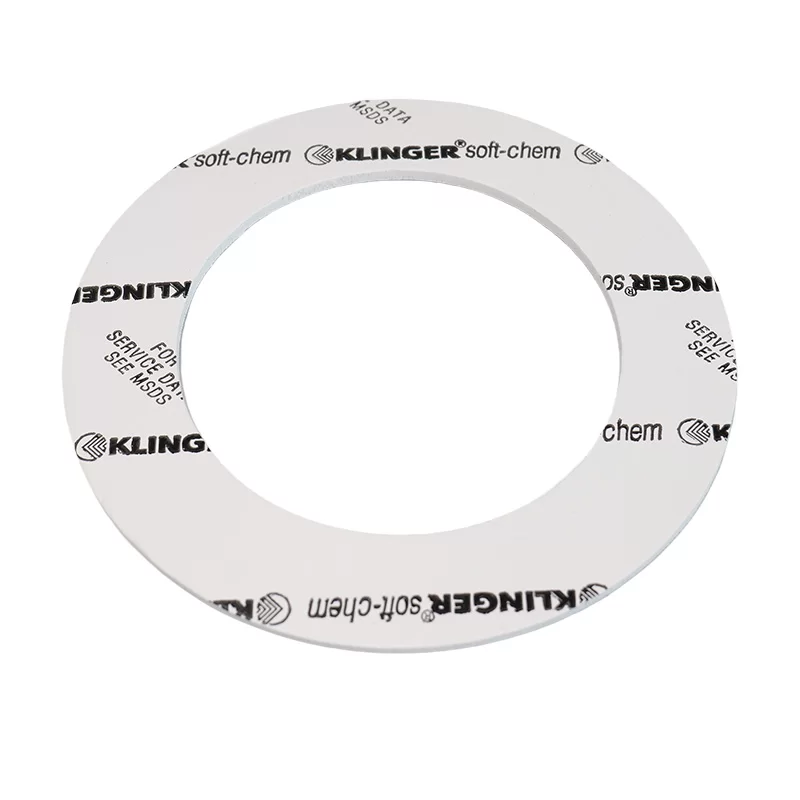
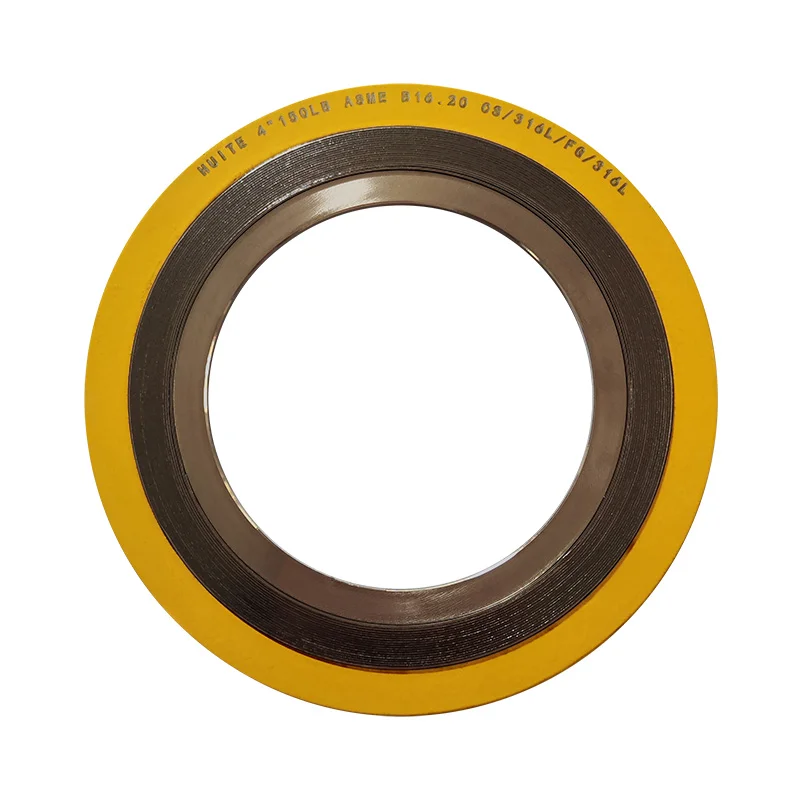
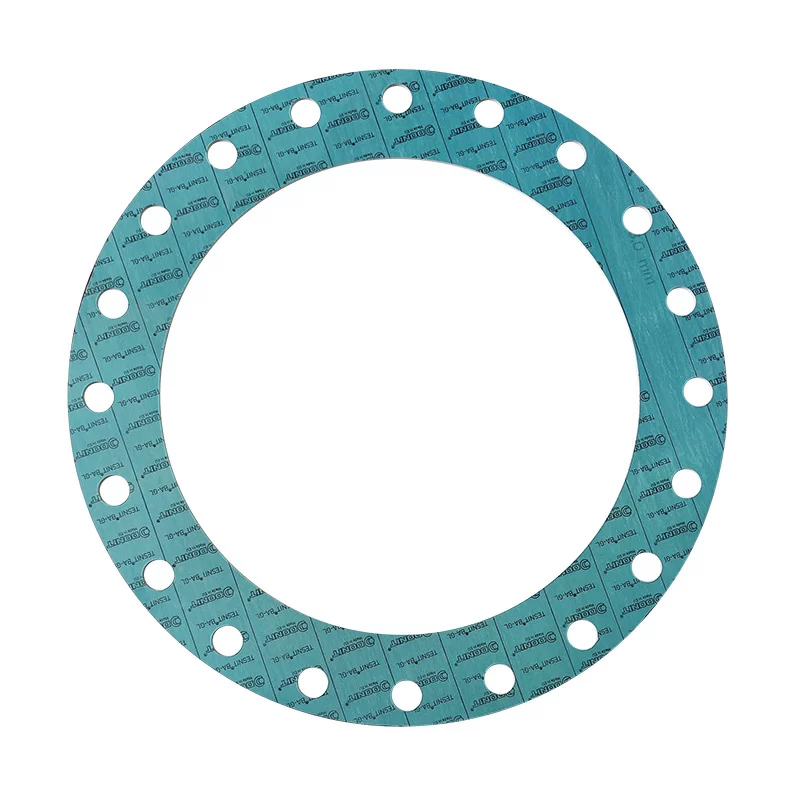
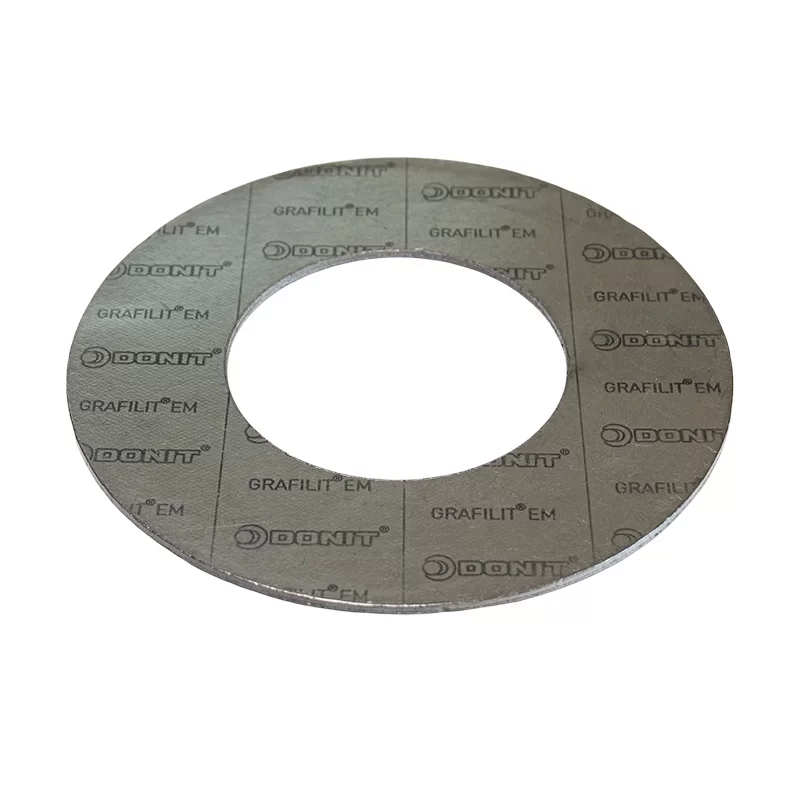
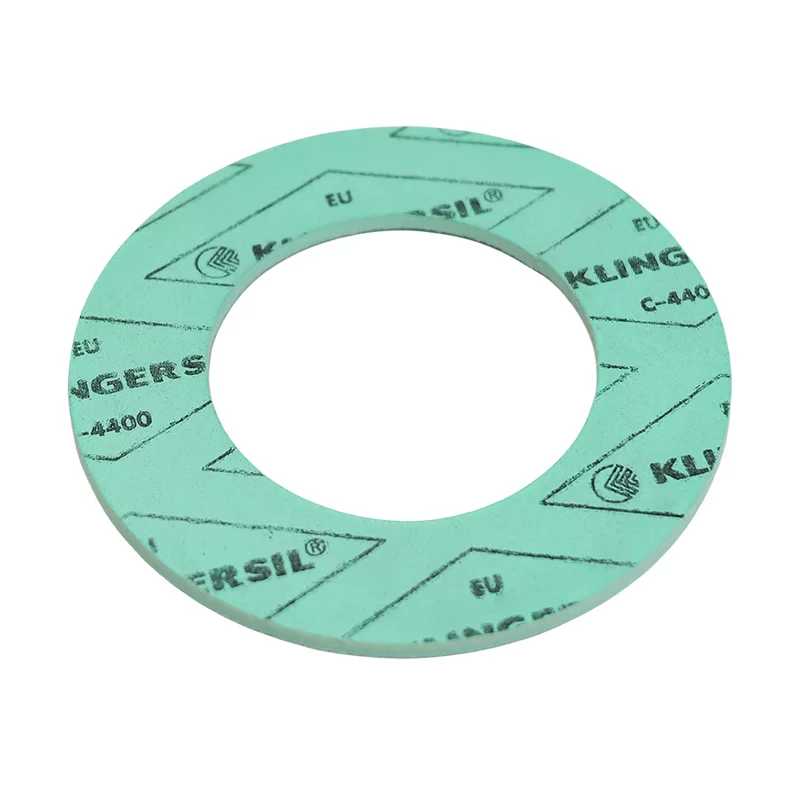
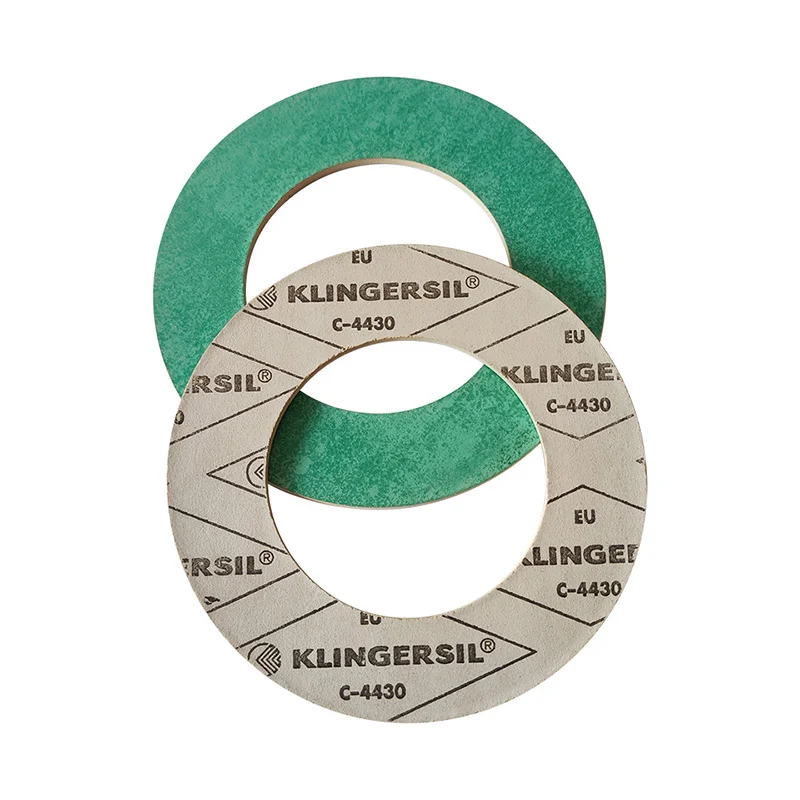
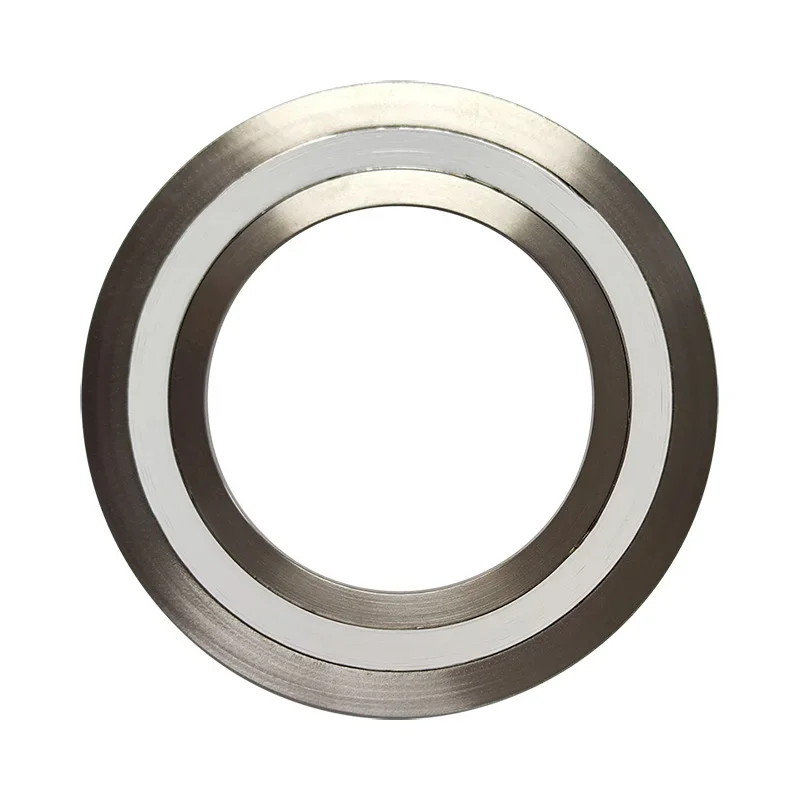
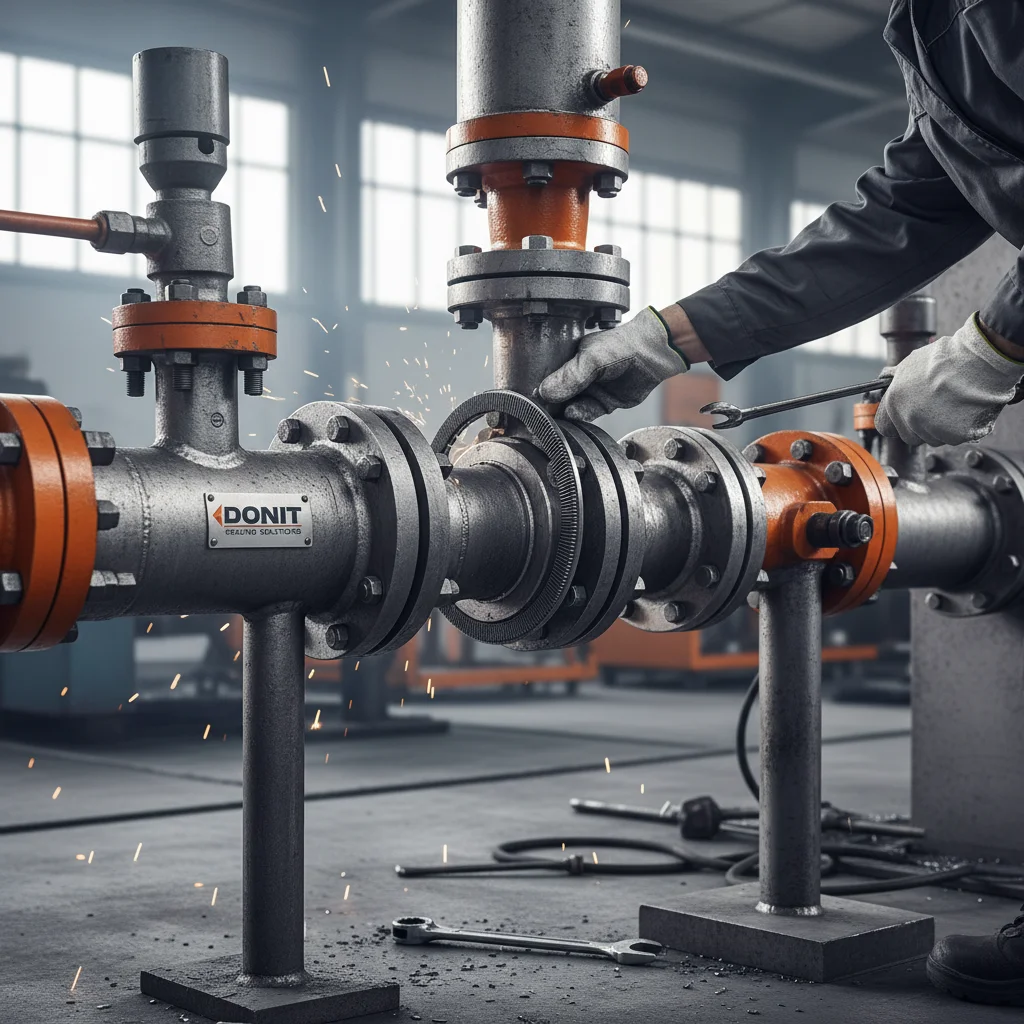
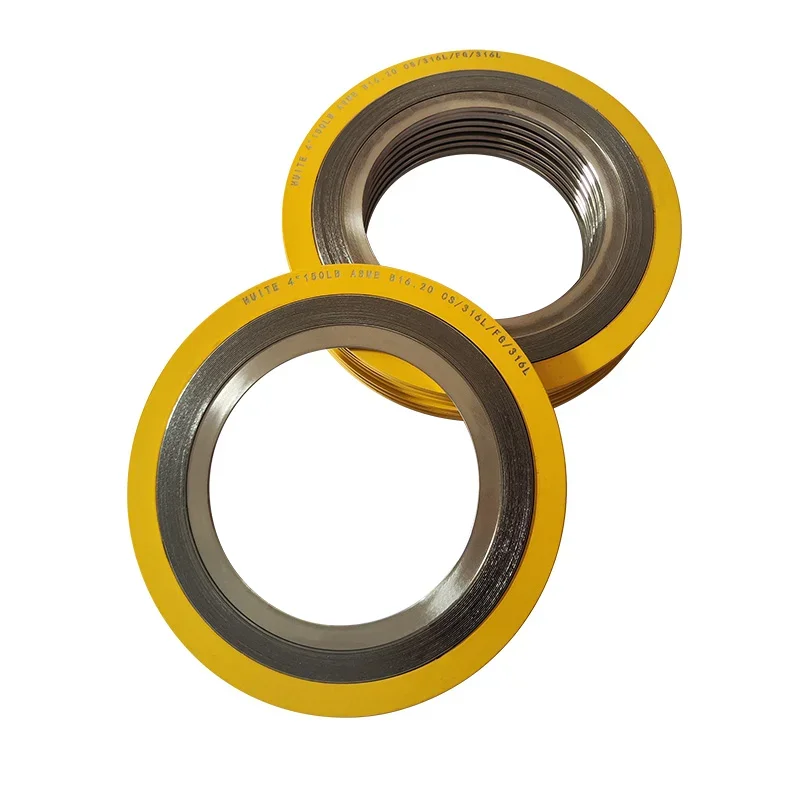
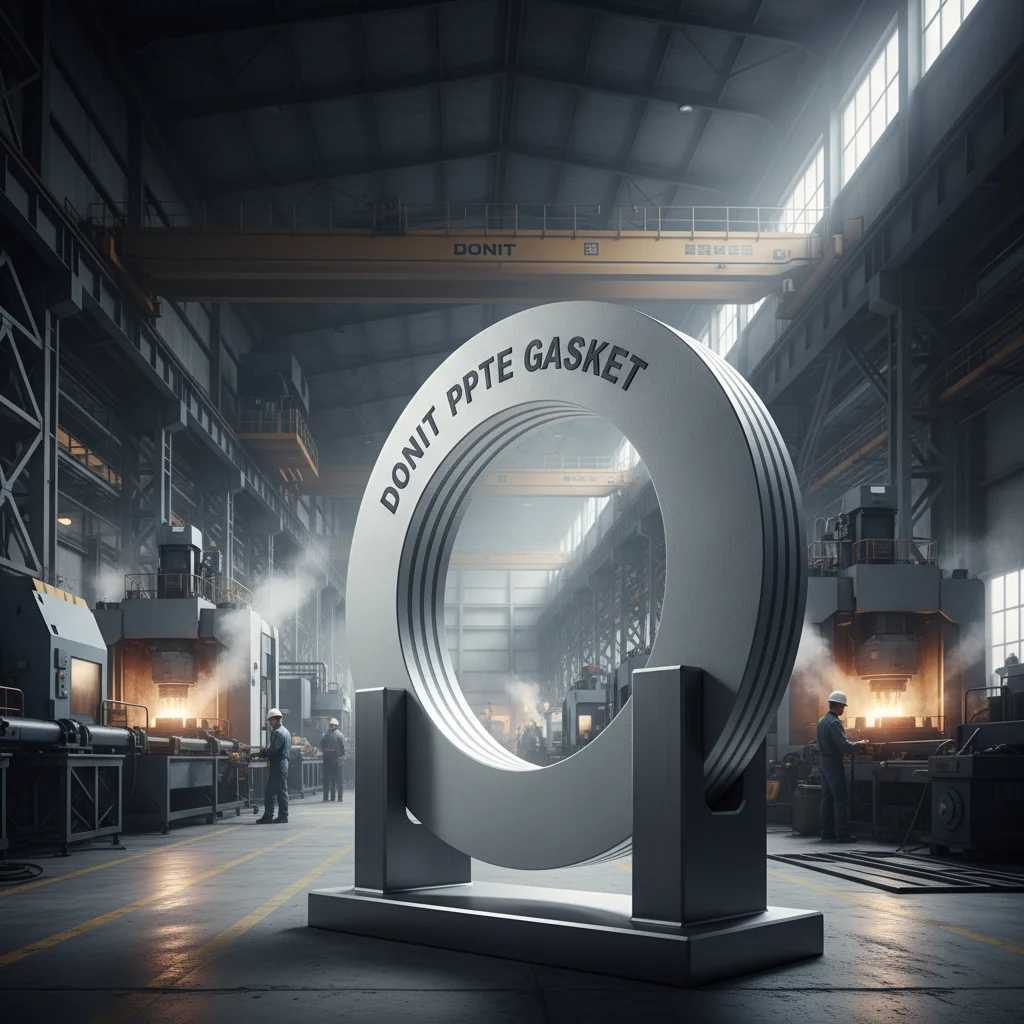
Non-asbestos gaskets come in various types, designed for specific applications. Common types include: Sheet Gaskets (cut to size from a roll of material), Die-Cut Gaskets (precisely cut to a specific shape), Spiral Wound Gaskets (used in high-pressure applications), and Ring Gaskets (commonly used in pipe flanges). The choice of gasket type depends on factors such as flange design, pressure requirements, and sealing medium. GZHTMF offers a diverse selection of these gasket types to meet your specific needs.
| Gasket Type |
Applications |
Pressure Rating |
| Sheet Gaskets |
Low to medium pressure, general-purpose sealing |
Up to 150 PSI |
| Die-Cut Gaskets |
Precise sealing applications, automotive, electronics |
Up to 200 PSI |
| Spiral Wound Gaskets |
High-pressure, high-temperature applications (e.g., pipelines) |
Up to 2500 PSI |
| Ring Gaskets |
Pipe flanges, sealing between cylindrical surfaces |
Up to 1000 PSI |
Applications Across Industries
Non-asbestos gaskets are vital in numerous industries. The automotive sector uses them extensively in engines, transmissions, and exhaust systems. The chemical processing industry relies on their chemical resistance for sealing pipes, tanks, and reactors. In the food and beverage industry, they ensure hygienic sealing in processing equipment. The power generation sector utilizes them in boilers, turbines, and steam systems. The versatility and reliability of these gaskets make them indispensable across a broad spectrum of applications.
Selecting the Right Non-Asbestos Gasket
Choosing the appropriate non-asbestos gasket requires careful consideration of several factors. Assess the operating temperature, pressure, and chemical compatibility of the sealing environment. Determine the flange surface finish and bolt load. Consider the type of fluid or gas being sealed. Consulting with a gasket specialist can ensure you select the optimal gasket for your specific application. GZHTMF provides expert guidance to help you choose the right gasket for your needs.
Conclusion: Investing in Safe and Reliable Sealing
Investing in high-quality non-asbestos gaskets is a critical step towards ensuring workplace safety, environmental responsibility, and operational efficiency. By choosing the right gasket materials and types, you can prevent leaks, reduce downtime, and protect your employees. GZHTMF offers a comprehensive range of non-asbestos gaskets to meet your diverse needs. Prioritize safety and performance – choose GZHTMF for your gasket solutions.
Frequently Asked Questions (FAQs)
What are the advantages of using non-asbestos gaskets over traditional asbestos gaskets?
The primary advantage is safety. Asbestos is a known carcinogen, and exposure to its fibers poses serious health risks. Non-asbestos gaskets eliminate this risk while providing comparable, and often superior, performance characteristics. Modern non-asbestos materials offer excellent resistance to heat, chemicals, and pressure, ensuring reliable sealing. Furthermore, the use of asbestos is heavily regulated or banned in many countries, making non-asbestos gaskets a legal necessity. They are also often more environmentally friendly in terms of disposal.
How do I determine the correct gasket material for my application?
Determining the correct gasket material involves considering several key factors. The operating temperature and pressure of the system are crucial. You must also assess the chemical compatibility of the gasket material with the fluids or gases being sealed. Consider the flange surface finish and bolt load. A good starting point is to consult a gasket material compatibility chart or seek expert advice from a gasket supplier like GZHTMF. Providing detailed information about your application will help ensure the correct material is selected.
What is the shelf life of non-asbestos gaskets?
The shelf life of non-asbestos gaskets varies depending on the material. Generally, rubber-based gaskets should be used within 1-2 years of manufacture, while PTFE and fiber gaskets can have a longer shelf life. It's important to store gaskets in a cool, dry place away from direct sunlight and ozone sources. Degradation of the material can occur over time, affecting its sealing performance. Always inspect gaskets for signs of cracking, hardening, or swelling before use. Refer to the manufacturer's recommendations for specific shelf life guidelines.
Where can I purchase high-quality non-asbestos gaskets?
GZHTMF is a leading supplier of high-quality non-asbestos gaskets. We offer a wide range of materials, types, and sizes to meet your specific application requirements. We are committed to providing exceptional customer service and technical support. Contact us today to discuss your needs and receive a competitive quote.