The Ultimate Guide to KLINGER PTFE Gasket Solutions
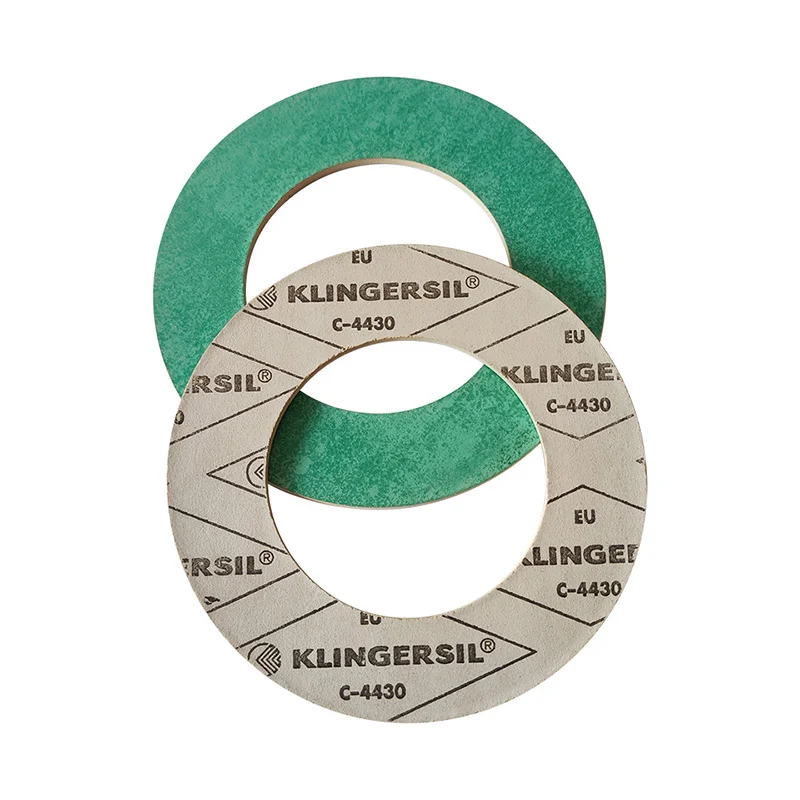
In the demanding world of industrial sealing, the integrity of a joint can mean the difference between seamless operation and costly downtime. The KLINGER PTFE gasket has emerged as a gold standard for engineers seeking a combination of chemical inertness and thermal stability. Whether dealing with aggressive acids or high-purity pharmaceuticals, choosing a sealing material that resists degradation is paramount. This comprehensive guide explores why PTFE (Polytetrafluoroethylene) technology from Klinger provides a superior barrier against leaks, ensuring safety and efficiency across diverse industrial landscapes.
Unmatched Chemical Resistance of KLINGER PTFE Gasket
One of the most significant advantages of the KLINGER PTFE gasket is its near-universal chemical compatibility. PTFE is characterized by strong carbon-fluorine bonds, which make it virtually impervious to most solvents, acids, and bases. In environments where traditional rubber or graphite gaskets would dissolve or corrode, these gaskets maintain their structural integrity. This makes them indispensable in the chemical processing industry, where exposure to caustic substances is a daily occurrence. By eliminating the risk of chemical leaching, they also ensure the purity of the media being transported.
Industry Insight: The non-stick nature of PTFE not only prevents chemical reactions but also reduces the accumulation of deposits on the gasket surface, simplifying maintenance and extending the replacement cycle.
Engineering Precision: Material Variations and Specifications
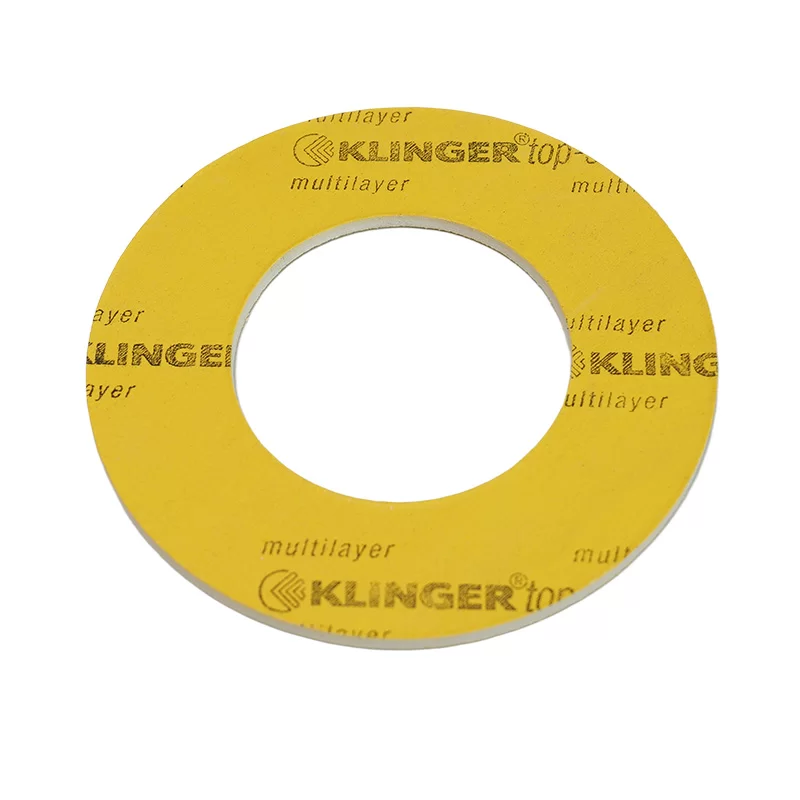
Not all PTFE gaskets are created equal. Klinger offers various grades, including expanded PTFE (ePTFE) and reinforced versions, to address specific mechanical needs. While virgin PTFE is excellent for purity, expanded PTFE provides a softer, more compliant structure that fills flange irregularities more effectively, reducing the required bolt load. For applications involving higher pressures, reinforced KLINGER PTFE gasket options are utilized to minimize "cold flow" or creep. Below are the typical technical specifications for standard industrial grades.
| Property |
Virgin PTFE |
Expanded PTFE (ePTFE) |
| Temp Range |
-200°C to +260°C |
-200°C to +260°C |
| Compliance |
Low (Hard) |
High (Soft/Conforming) |
| Cold Flow Resistance |
Moderate |
Excellent |
| FDA Compliance |
Yes |
Yes |
Comparing KLINGER PTFE Gaskets vs. Traditional Materials
When deciding between a KLINGER PTFE gasket and traditional rubber or compressed fiber gaskets, the primary consideration is the operating environment. Rubber gaskets often fail when exposed to hydrocarbons or extreme heat, leading to leaks. Compressed fiber gaskets can absorb moisture, which may contaminate the process fluid. PTFE, however, provides a non-absorbent, chemically inert barrier that outperforms these alternatives in aggressive settings. While the initial cost may be higher, the reduction in maintenance frequency and the prevention of catastrophic failures provide a much lower Total Cost of Ownership (TCO).
Optimizing Performance with the KLINGER PTFE Gasket
To maximize the lifespan of your sealing system, proper installation is key. Because PTFE has a tendency to "creep" under constant load, it is recommended to use torque-controlled tightening sequences. The KLINGER PTFE gasket range includes specifically engineered shapes and thicknesses to distribute pressure evenly across the flange face. For high-vibration environments, using a reinforced PTFE variant can prevent the gasket from shifting, ensuring a leak-free seal even under mechanical stress. Regular inspection of bolt tension is advised to maintain the necessary compressive force.
Versatile Applications: From Pharma to Oil & Gas
The adaptability of the KLINGER PTFE gasket makes it a staple in multiple high-stakes industries. In the pharmaceutical sector, its FDA-compliant and non-reactive nature prevents product contamination. In the food and beverage industry, its ease of cleaning (CIP/SIP) ensures hygienic standards are met. Meanwhile, in the oil and gas sector, it is used for sealing pumps and valves that handle corrosive drilling fluids. Its ability to perform reliably from cryogenic temperatures up to 260°C makes it the most versatile sealing solution for extreme thermal cycling.
Installation Best Practices for PTFE Sealing
Achieving a perfect seal with a KLINGER PTFE gasket requires attention to detail. First, ensure that the flange surfaces are clean and free of old gasket residue or scratches. Second, center the gasket precisely to avoid uneven compression. Third, apply bolts in a star pattern to ensure the gasket is squeezed uniformly. Over-tightening can lead to excessive creep, while under-tightening results in leaks. Following these professional guidelines ensures that the material's properties are fully utilized, providing a secure seal that lasts for years without intervention.
Conclusion: The Strategic Advantage of Klinger Sealing
Choosing a KLINGER PTFE gasket is more than just a procurement decision; it is a commitment to operational safety and efficiency. By leveraging the unmatched chemical resistance and thermal stability of high-grade PTFE, industries can significantly reduce their risk of leakage and unplanned shutdowns. As industrial processes become more aggressive and purity requirements more stringent, the reliability of Klinger's sealing technology remains an essential asset for any modern engineering facility.
Frequently Asked Questions (FAQs)
What is "cold flow" in PTFE gaskets and how does Klinger solve it?
Cold flow, or creep, is the tendency of PTFE to permanently deform and move away from the pressure point under a constant load. This can lead to a loss of bolt tension and subsequent leaks. Klinger addresses this by offering expanded PTFE (ePTFE) and reinforced PTFE materials. ePTFE has a unique porous structure that resists flow more effectively than virgin PTFE, while reinforced grades use fillers (such as glass or carbon) to provide mechanical stability and maintain the seal's thickness over time.
Are KLINGER PTFE gaskets suitable for high-pressure applications?
Yes, but the specific grade must be selected based on the pressure level. For low to medium pressure, expanded PTFE is ideal due to its conformability. For high-pressure systems, reinforced PTFE or PTFE-based composite gaskets are recommended to prevent blow-out. It is essential to calculate the correct bolt load and torque settings to ensure the KLINGER PTFE gasket is compressed sufficiently to seal without exceeding the material's structural limits.
How do I know when to replace my PTFE gasket?
While PTFE is extremely durable, gaskets should be replaced during scheduled plant shutdowns or if signs of leakage appear. Key indicators for replacement include visible thinning of the gasket (excessive creep), signs of flange warping, or after the system has undergone extreme thermal shocks beyond the rated limits. For critical applications, we recommend a preventative replacement cycle based on the manufacturer's guidelines to avoid unplanned downtime and ensure maximum safety.
Is PTFE safer than graphite for food-grade applications?
In food-grade applications, PTFE is generally preferred over graphite because it is completely inert and does not shed particles into the product stream. Most KLINGER PTFE gasket options are FDA compliant, meaning they meet the strict requirements for contact with food and beverages. Graphite, while thermally superior, can sometimes contaminate high-purity products and is not always suitable for the hygienic requirements of the food and pharma industries.