Guangzhou Huite Sealing Machinery Co., Ltd.



0%
DONIFLON 2020 represents a significant advancement in modular construction technologies, particularly focused on rapidly deployable and sustainable structures. It addresses the increasing global need for immediate shelter solutions in disaster-stricken areas, as well as cost-effective and eco-friendly housing options for various applications. The core principle behind DONIFLON 2020 lies in its innovative design and material science, enabling quick assembly and disassembly without compromising structural integrity.
Globally, the demand for resilient infrastructure is escalating due to the increasing frequency and intensity of natural disasters, coupled with a growing population and urbanization. Organizations like the United Nations and the World Bank are actively promoting sustainable housing solutions to address these challenges. DONIFLON 2020 offers a viable answer by streamlining construction processes, reducing waste, and providing durable, safe, and adaptable living spaces. Its impact extends beyond emergency response, influencing long-term housing strategies and promoting economic development.
The rising costs of traditional construction, coupled with environmental concerns regarding building materials and waste generation, are driving a shift towards innovative alternatives. DONIFLON 2020 directly tackles these issues, providing a modular system that minimizes on-site construction time, utilizes sustainable materials, and reduces overall project costs. This makes it a compelling solution for governments, NGOs, and private developers seeking to address housing shortages and build more resilient communities.
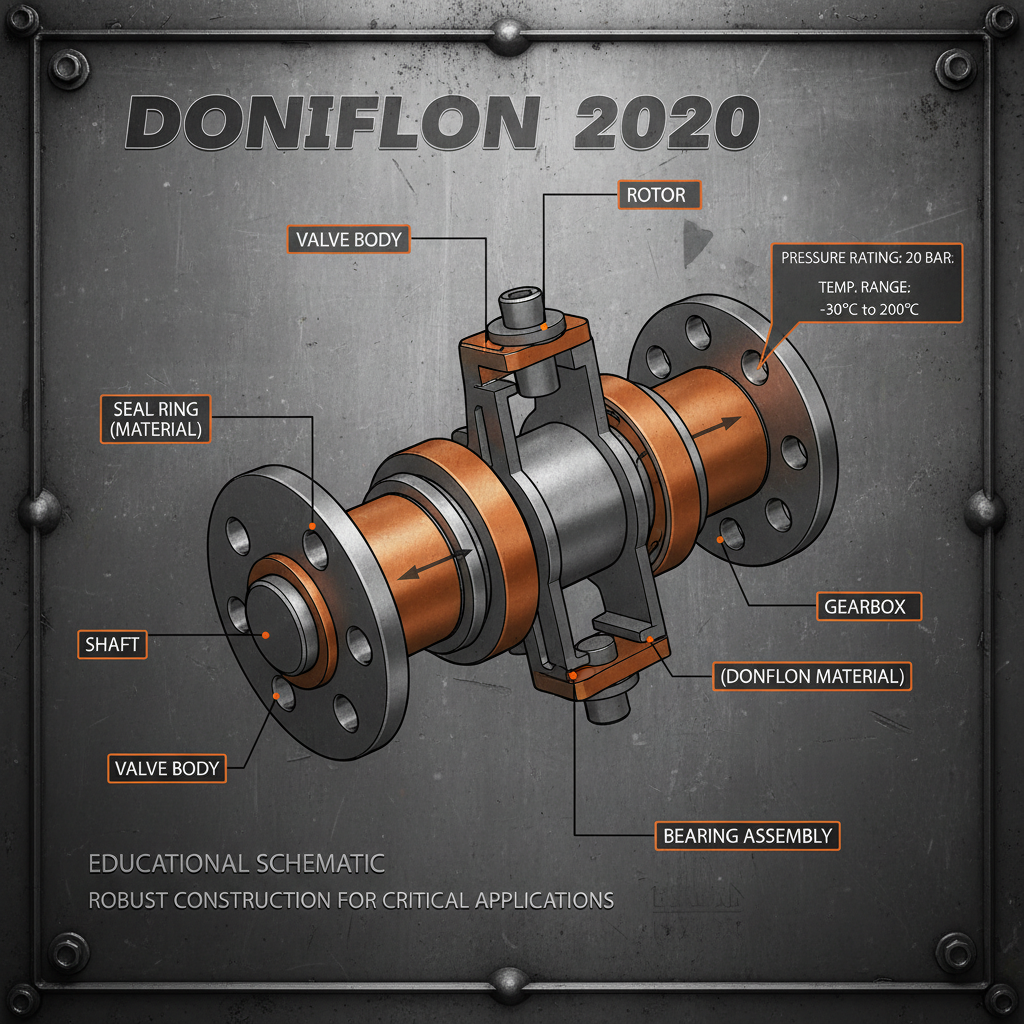
Table of Contents [Hide]
Introduction to DONIFLON 2020
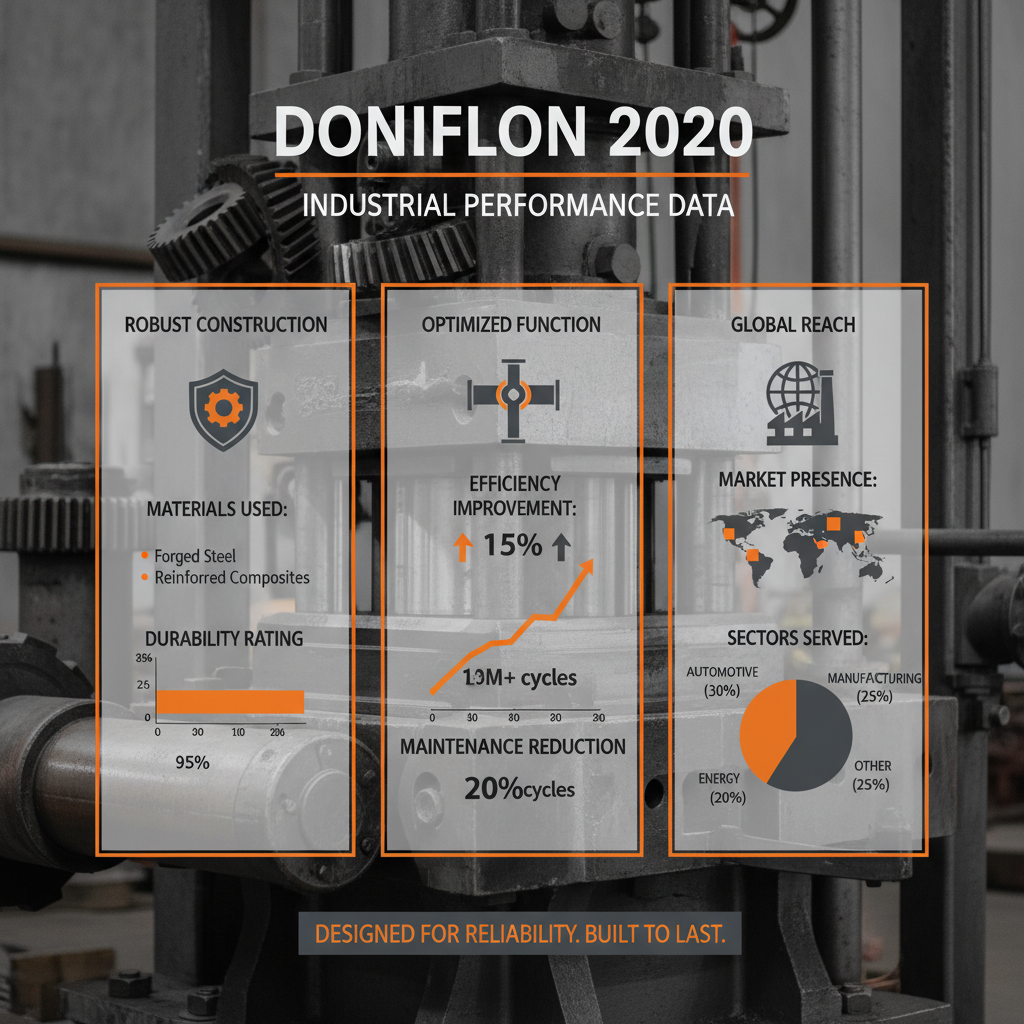
DONIFLON 2020 isn't merely a construction technique; it's a holistic approach to shelter and infrastructure development. It addresses the critical need for rapid response and long-term sustainability in a world facing unprecedented challenges. The system leverages pre-fabricated modules designed for versatility and ease of assembly, significantly reducing construction time and labor costs.
The genesis of DONIFLON 2020 was driven by the limitations of traditional construction in emergency scenarios and the growing demand for affordable housing. It represents a paradigm shift, moving away from conventional methods to a modular, scalable, and environmentally conscious alternative. The system’s adaptable design allows for customization, catering to diverse needs and environmental conditions.
FAQs
What makes DONIFLON 2020 different from traditional emergency shelters?
DONIFLON 2020 distinguishes itself from conventional emergency shelters through its modularity, durability, and sustainability. Traditional shelters often rely on temporary materials and require extensive on-site construction. DONIFLON 2020's pre-fabricated modules are designed for rapid deployment, offering superior structural integrity and utilizing eco-friendly materials. This results in a quicker response, lower costs, and a more dignified living environment for those affected by disasters, while reducing waste.
How long can DONIFLON 2020 structures realistically last in disaster-prone areas?
With proper maintenance, DONIFLON 2020 structures can have a lifespan of 20-30 years or more, even in challenging environments. The materials are selected for their resistance to weather, pests, and seismic activity. Regular inspections and minor repairs can extend their longevity significantly. Unlike temporary shelters, DONIFLON 2020 offers a long-term housing solution, reducing the need for repeated displacement and reconstruction after each disaster.
Is DONIFLON 2020 a cost-effective alternative to conventional building methods?
Yes, DONIFLON 2020 offers significant cost savings compared to traditional construction. Reduced labor requirements, minimized material waste, and faster construction times all contribute to lower overall project costs. While the initial investment in the modular system may be comparable, the long-term benefits – including durability, reduced maintenance, and potential for relocation – make it a highly cost-effective solution.
What considerations are there for importing DONIFLON 2020 into different countries?
Importing DONIFLON 2020 requires adherence to each country's specific building codes, regulations, and customs procedures. This includes ensuring that the materials meet local safety standards and obtaining the necessary permits. Organizations should work with local partners and consultants familiar with the import process to navigate these requirements effectively. Thorough documentation and compliance are essential for a smooth importation.
How does DONIFLON 2020 contribute to sustainable building practices?
DONIFLON 2020 prioritizes sustainability through several key features. It utilizes materials with recycled content and minimizes construction waste. The modular design allows for disassembly and reuse, reducing landfill burden. Its energy-efficient design contributes to lower carbon emissions. By promoting a circular economy and reducing environmental impact, DONIFLON 2020 aligns with global sustainability goals.
Can DONIFLON 2020 structures be customized to meet specific needs?
Absolutely. A key advantage of DONIFLON 2020 is its modularity and adaptability. Modules can be combined and configured to create various layouts and sizes, catering to diverse requirements. Interior finishes, insulation levels, and other features can be customized to meet specific climate conditions and user preferences. This flexibility makes DONIFLON 2020 suitable for a wide range of applications, from housing to schools to healthcare facilities.
Conclusion
DONIFLON 2020 represents a paradigm shift in construction, offering a compelling solution to the global challenges of housing shortages, disaster relief, and sustainable development. Its modularity, durability, cost-effectiveness, and adaptability make it a versatile and efficient alternative to traditional building methods. By embracing innovation and prioritizing sustainability, DONIFLON 2020 is shaping a more resilient and equitable built environment.
Looking ahead, continued investment in research and development, coupled with supportive policies and streamlined regulations, will further unlock the potential of DONIFLON 2020. Its integration with emerging technologies, such as smart building systems and 3D printing, will drive even greater efficiency and sustainability. We encourage you to explore the possibilities of DONIFLON 2020 and join us in building a better future.

Updated:

Daniel Garcia
Daniel Garcia is the Logistics and Supply Chain Manager at HUITE Sealing. He ensures timely and efficient delivery of our gaskets to clients worldwide. With 12 years of experience in international logistics, Daniel manages all aspects of our supply chain, from raw material sourcing to final product delivery. He is adept at navigating complex import/export regulations and optimizing transportation costs. Daniel is critical in guaranteeing consistent availability of genuine KLINGER and DONIT sheets for our gasket production.


