The Ultimate Guide to DONIT PTFE Gasket: Engineering Excellence in Sealing
In the demanding world of industrial sealing, the integrity of a joint can mean the difference between seamless operation and costly downtime. The DONIT PTFE gasket represents a pinnacle of material science, offering unparalleled chemical resistance and thermal stability. Whether you are dealing with highly corrosive acids or high-pressure steam, selecting a high-performance Polytetrafluoroethylene (PTFE) solution is critical. This comprehensive guide will explore why DONIT's engineering approach makes these gaskets a preferred choice for global industries, ensuring leak-free performance in the most challenging environments.
Unmatched Chemical Resistance of DONIT PTFE Gasket
One of the most striking advantages of the DONIT PTFE gasket is its nearly universal chemical inertness. PTFE is known for its strong carbon-fluorine bonds, which prevent most chemicals from reacting with the material. This makes it indispensable in pharmaceutical, chemical processing, and food production plants. Unlike elastomeric gaskets that may swell or degrade when exposed to aggressive solvents, DONIT's PTFE solutions maintain their structural integrity, preventing contamination and hazardous leaks. This stability ensures a longer service life and reduces the frequency of maintenance intervals.
Pro Tip: For applications involving extreme vacuum or ultra-high purity requirements, the non-stick nature of PTFE ensures that no particles are shed into the medium, maintaining the purity of the flow.
Comparison: DONIT PTFE vs. Standard Rubber Gaskets
When deciding between a DONIT PTFE gasket and traditional rubber or composite gaskets, the decision usually comes down to the operating environment. While rubber is excellent for low-pressure water applications, it fails miserably in the presence of strong acids or high temperatures. PTFE, however, bridges the gap by offering high-temperature resistance and a low coefficient of friction. The following table highlights the stark differences in performance metrics.
| Feature |
DONIT PTFE Gasket |
Standard Rubber Gasket |
| Temperature Range |
-200°C to +260°C |
-40°C to +120°C |
| Chemical Inertness |
Excellent (Universal) |
Limited (Specific to polymer) |
| Friction Coefficient |
Extremely Low |
Moderate to High |
| Cold Flow Tendency |
Present (Managed by Design) |
Low |
Key Applications of DONIT PTFE Gasket in Industry
The versatility of the DONIT PTFE gasket allows it to be deployed across a vast array of sectors. In the oil and gas industry, these gaskets are used in valve seals and pump housings where hydrocarbon exposure is constant. In the food and beverage sector, the FDA-compliant nature of PTFE ensures that no toxins leach into the product. Additionally, the aerospace industry relies on these gaskets for their stability in extreme temperature fluctuations. From simple flange connections to complex heat exchangers, DONIT provides a seal that stands the test of time and pressure.
Technical Specifications of DONIT PTFE Gasket
Understanding the technical parameters is essential for engineers when specifying a DONIT PTFE gasket. The material's density and tensile strength are optimized to minimize "creep" (the tendency of the material to deform under constant load), which is a common challenge with virgin PTFE. By utilizing advanced processing techniques, DONIT ensures a consistent molecular structure across the entire gasket surface, providing a reliable seal even under high compression.
| Property |
Typical Value |
Unit |
| Density |
2.14 - 2.20 |
g/cm³ |
| Tensile Strength |
20 - 35 |
MPa |
| Thermal Conductivity |
0.25 |
W/m·K |
| Coefficient of Friction |
0.05 - 0.10 |
Static |
Installation Best Practices for PTFE Sealing
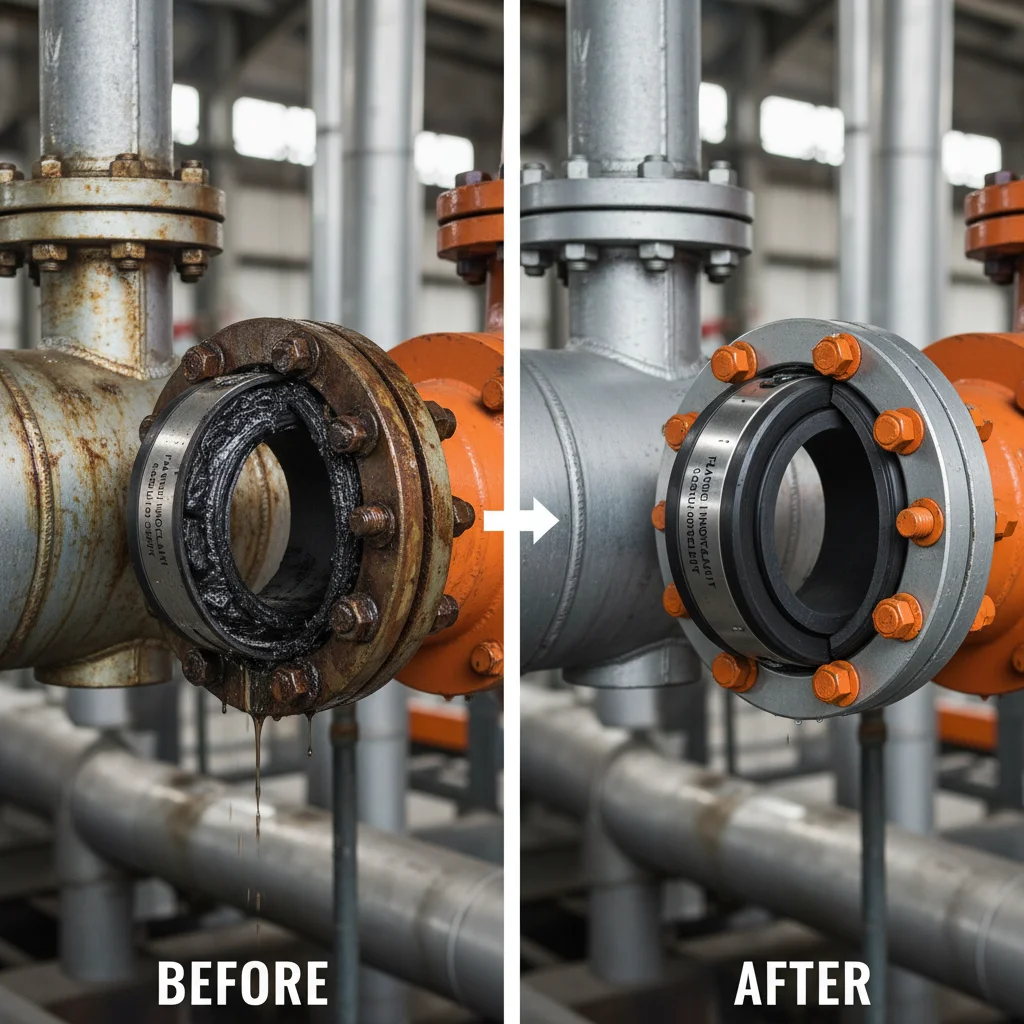
To maximize the efficiency of a DONIT PTFE gasket, proper installation is paramount. Because PTFE can experience "cold flow," it is critical to follow a strict torque sequence when tightening bolts. Over-tightening can lead to the material squeezing out of the flange, while under-tightening may result in leaks. We recommend using a calibrated torque wrench and performing a secondary check after the system has reached its operating temperature. Ensuring the flange faces are clean and free of scratches will further enhance the seal's effectiveness.
Installation Checklist:
• Inspect flange surfaces for parallelism and cleanliness
• Center the gasket precisely to avoid uneven loading
• Apply bolts in a star pattern for uniform compression
• Re-torque bolts after the initial thermal cycle
Sustainability and the Life Cycle of PTFE
In an era of green engineering, the longevity of the DONIT PTFE gasket contributes significantly to sustainability. By reducing the frequency of gasket failures, companies minimize waste and reduce the consumption of raw materials. Furthermore, the extreme durability of DONIT's PTFE products means fewer replacements and lower labor costs over the asset's lifecycle. Choosing a high-quality seal is not just a technical decision, but an environmental one, as it prevents hazardous leaks from entering the atmosphere or soil.
Conclusion: Elevating Your Sealing Strategy with DONIT
The DONIT PTFE gasket is more than just a component; it is a safeguard for your industrial operations. Combining unmatched chemical resistance, thermal stability, and precision engineering, it solves the most complex sealing challenges in modern industry. By investing in premium PTFE solutions, you ensure the safety of your personnel and the reliability of your production lines. Trust in DONIT to provide the seal that never fails.
Frequently Asked Questions (FAQs)
What is "cold flow" in a DONIT PTFE gasket, and how is it managed?
Cold flow, or creep, is the tendency of PTFE to slowly deform and move under a constant load, even at room temperature. This can lead to a loss of bolt tension and subsequent leaks. DONIT manages this through advanced material processing and by offering filled PTFE variants (such as glass-filled or carbon-filled) which significantly increase the material's resistance to deformation. Additionally, following the correct torque sequences and utilizing specialized flange designs can effectively mitigate the risks associated with cold flow.
Can DONIT PTFE gaskets be used in high-pressure steam applications?
Yes, DONIT PTFE gaskets are highly suitable for steam applications due to their excellent thermal stability and resistance to hydrolysis. However, for very high-pressure steam, it is recommended to use reinforced PTFE or expanded PTFE (ePTFE) to ensure the gasket does not blow out or creep excessively. Always verify the specific pressure and temperature ratings provided in the technical data sheet on the official website to ensure the selected grade matches your system's requirements.
How do I know when to replace my DONIT PTFE gasket?
While PTFE is incredibly durable, replacement is necessary if you notice any visible signs of degradation, such as deep cracking or extreme thinning (due to creep). More importantly, any sign of seepage or a "weeping" joint indicates that the seal has been compromised. In critical environments, we recommend a scheduled inspection every 12 to 24 months. If the system has undergone several extreme thermal cycles or pressure spikes, a proactive replacement is the safest course of action to prevent unplanned shutdowns.
Is the DONIT PTFE gasket compatible with food-grade requirements?
Absolutely. Pure PTFE is inherently non-toxic and does not react with food products, making it ideal for the food and beverage industry. DONIT's PTFE gaskets are manufactured to meet stringent purity standards, ensuring they are compliant with FDA and other international food safety regulations. This prevents any risk of contamination and ensures that the taste, smell, and quality of the processed food remain unchanged throughout the production cycle.