Guangzhou Huite Sealing Machinery Co., Ltd.




0%
In the complex landscape of industrial sealing, the handhole gasket serves as a critical yet often overlooked component. These specialized seals are engineered to provide airtight and leak-proof closures for access ports in heat exchangers, pressure vessels, and boilers, ensuring that hazardous materials remain contained while allowing technicians safe access for maintenance.
The global demand for high-performance sealing solutions has surged as industries push the boundaries of temperature and pressure. A failure in a single handhole gasket can lead to catastrophic system shutdowns, environmental contamination, or severe safety hazards, making the selection of materials and precision manufacturing a top priority for plant engineers.
Understanding the technical nuances of these gaskets—from the elastomeric properties of rubber to the resilience of reinforced graphite—is essential for maximizing equipment lifespan. This guide explores the critical role of the handhole gasket in modern manufacturing, offering insights into material selection, application standards, and the future of sealing technology.
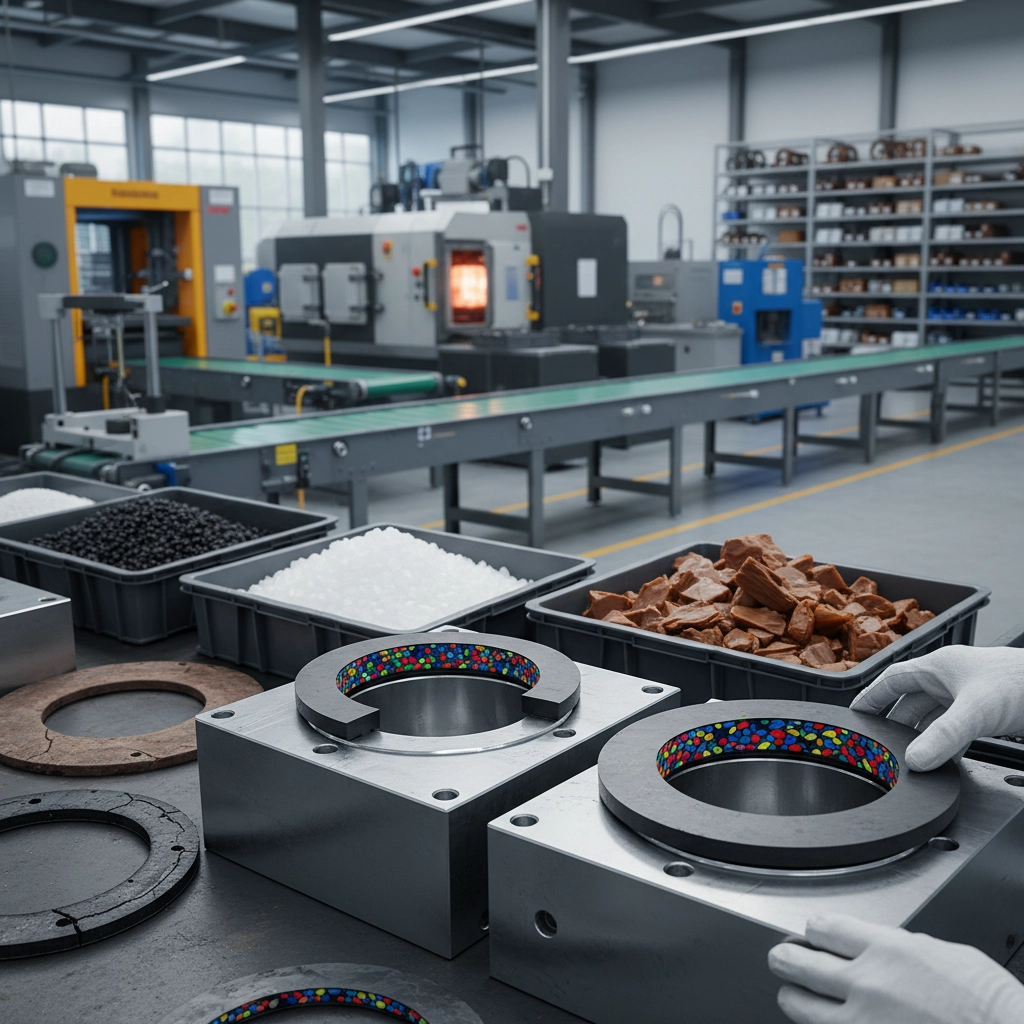
Table of Contents [Hide]
Global Significance of Handhole Gaskets
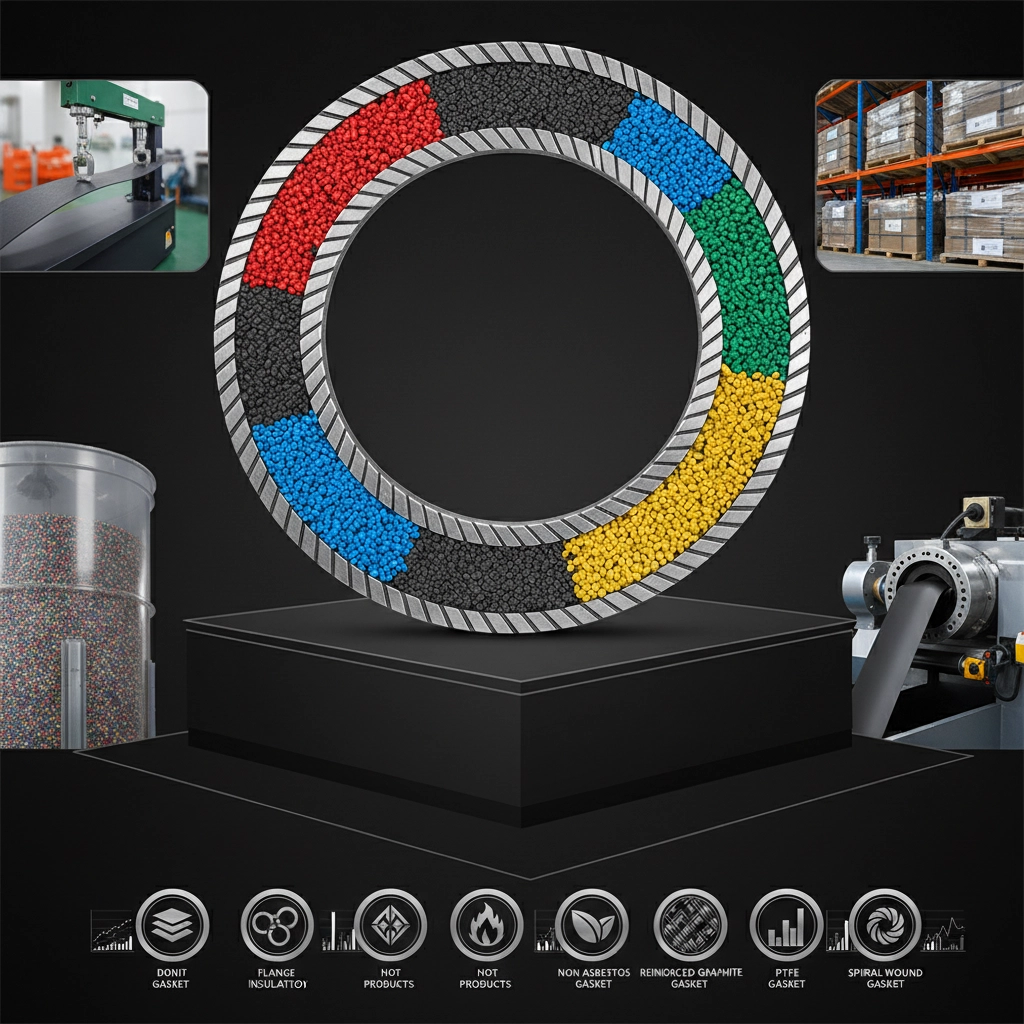
Across the globe, the chemical processing, petrochemical, and energy sectors rely heavily on the integrity of their pressure systems. The handhole gasket is a linchpin in these systems, adhering to international standards such as ISO and ASME to prevent fugitive emissions. As global regulations on carbon emissions and chemical leaks tighten, the precision of these seals becomes a matter of regulatory compliance.
Statistically, sealing failures account for a significant percentage of unplanned downtime in industrial plants. By implementing high-grade handhole gasket solutions, companies can reduce maintenance intervals and mitigate the risk of environmental disasters, aligning their operations with global sustainability goals and safety mandates.
FAQS
What is the best material for a handhole gasket in high-temperature steam?
For high-temperature steam, reinforced graphite or spiral wound gaskets are highly recommended. These materials maintain their structural integrity at temperatures where standard rubber would melt or degrade. Graphite provides an excellent seal and is chemically inert to most steam additives, while spiral wound options offer the mechanical strength required for high-pressure fluctuations.
Can I reuse a handhole gasket after performing maintenance?
Generally, it is strongly advised against reusing a handhole gasket. Gaskets are designed to deform slightly to create a seal; once compressed, they lose some of their elastic recovery. Reusing a gasket increases the risk of leaks, especially in pressure-critical systems. Always replace the seal with a new one to ensure maximum safety.
How do I determine the correct size for my handhole gasket?
The correct size is determined by the inner diameter (ID) and outer diameter (OD) of the flange face. You should refer to the equipment's technical manual or use a precision caliper to measure the groove dimensions. Ensure you specify the thickness, as this affects the required bolt torque to achieve the proper seal.
What causes a handhole gasket to fail prematurely?
Common causes include over-torquing (which crushes the material), under-torquing (which fails to create a seal), and chemical incompatibility. Thermal cycling can also cause "creep" in materials like pure PTFE. Regularly inspecting the flange surfaces for scratches or pitting is also important, as surface damage can create leak paths regardless of gasket quality.
Are non-asbestos handhole gaskets as effective as old asbestos ones?
Yes, modern non-asbestos gaskets, often made from aramid fibers or graphite composites, meet or exceed the performance of old asbestos seals. They offer similar thermal stability and pressure resistance without the severe health risks associated with asbestos, making them the industry standard for safety and compliance.
How often should handhole gaskets be replaced?
Replacement should occur every time the handhole is opened for inspection or maintenance. If the port is rarely accessed, replacement intervals should be determined by the material's degradation rate in your specific chemical environment. A proactive replacement schedule prevents unplanned shutdowns and ensures operational continuity.
Conclusion
The handhole gasket may be a small component, but its role in maintaining industrial safety, environmental protection, and operational efficiency is immense. From the selection of high-grade materials like PTFE and reinforced graphite to the precision of its manufacture, every detail contributes to the overall reliability of pressure systems. By focusing on chemical compatibility, thermal resistance, and precise installation, industries can significantly reduce downtime and risk.
As we move toward an era of smarter, greener industrial operations, the evolution of sealing technology will continue to play a pivotal role. We encourage plant managers and engineers to move beyond "commodity" thinking and invest in high-performance sealing solutions that offer long-term value. For professional-grade sealing components tailored to your specific industrial needs, visit our website: www.gzhtmf.com.
Related Posts
-
Comprehensive Guide to Grafilit EM Gasket Technology and Industrial Applications
-
KLINGER Soft-Chem and Top-Chem 2003 Gaskets for LNG and Chemical Processing Industries
-
Industrial Sealing Solutions with High Performance DONIT PTFE gasket
-

TESNIT BAGL Revolutionizing Modular Construction and Sustainable Infrastructure
Updated:

Robert Chen
Robert Chen serves as the Quality Control Manager at HUITE Sealing, ensuring all products meet stringent ISO 9001, ISO 45001 and ISO 14001 standards. With a background in materials science and over 10 years in quality assurance, Robert oversees the testing and certification of our gaskets, including KLINGER and DONIT products. He's dedicated to maintaining the highest levels of product reliability and consistency. Robert led the implementation of our API 6FB fire testing program, demonstrating our commitment to safety. He focuses on continuous improvement of our quality control processes.


