Guangzhou Huite Sealing Machinery Co., Ltd.




0%
In the complex ecosystem of industrial sealing, the manhole gasket serves as a critical line of defense, ensuring the integrity of pressure vessels, storage tanks, and wastewater systems. These specialized sealing components are engineered to prevent hazardous leaks and environmental contamination, making them indispensable in sectors ranging from petrochemicals to municipal water management. Understanding the nuances of material selection and installation is key to maintaining operational safety and regulatory compliance on a global scale.
The global demand for high-performance sealing solutions has surged as industries move toward more stringent ISO standards and environmental protections. A failure in a simple manhole seal can lead to catastrophic pressure loss or toxic spills, highlighting the necessity for precision-engineered rubber and composite materials. By focusing on the intersection of durability and chemical resistance, engineers can significantly reduce downtime and maintenance costs across large-scale industrial infrastructures.
Ultimately, the role of a manhole gasket transcends basic hardware; it is about risk mitigation and sustainability. As we transition toward greener industrial processes, the evolution of these gaskets—incorporating non-asbestos materials and advanced PTFE blends—reflects a broader commitment to worker safety and ecological preservation. This guide explores the technical depths and practical applications of these essential components to help professionals make informed procurement decisions.
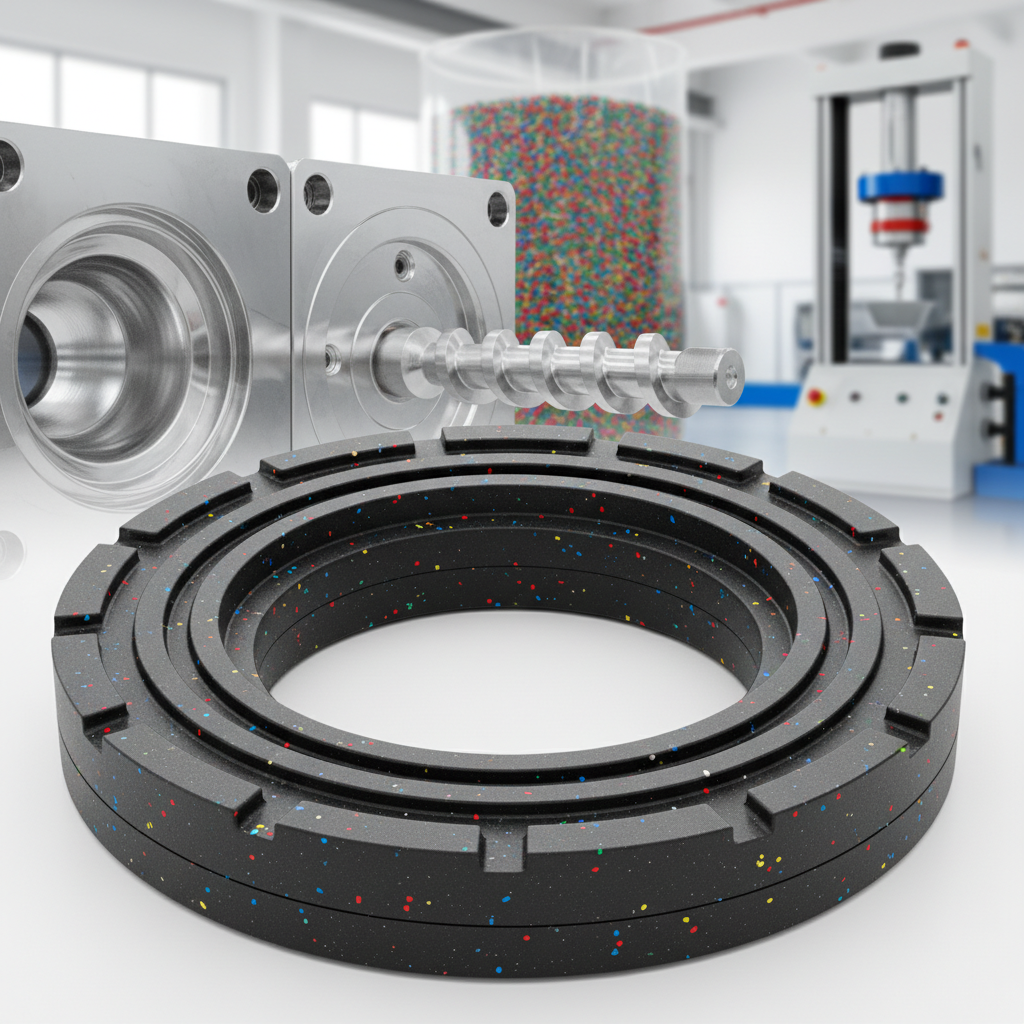
Table of Contents [Hide]
Global Relevance of Manhole Gasket Systems
Across the globe, the reliance on secure access points for industrial tanks and conduits has made the manhole gasket a focal point of infrastructure safety. From the massive oil refineries in the Middle East to the sophisticated wastewater treatment plants in Europe, the ability to create a vacuum-tight or pressure-resistant seal is paramount. International standards, such as those set by ISO and ASME, mandate specific sealing capabilities to prevent the escape of volatile organic compounds (VOCs) into the atmosphere.
The challenge often lies in the volatility of the environments these seals inhabit. Exposure to extreme temperature fluctuations, corrosive chemicals, and mechanical vibrations can cause inferior gaskets to degrade rapidly. When a seal fails, the resulting leakage not only poses a financial risk due to product loss but also presents a severe health hazard to personnel. Consequently, the industry has shifted toward high-grade elastomers and reinforced graphite to ensure long-term reliability.
FAQS
How do I choose the right material for a manhole gasket?
Selection depends on the chemical nature of the medium, the operating temperature, and the pressure levels. For instance, EPDM is excellent for water and outdoor weather, whereas PTFE or Graphite is necessary for high-temperature or highly corrosive chemicals. Always check the compatibility chart for the specific substances your vessel will contain to avoid premature degradation.
Can a manhole gasket be reused after opening the manhole?
In most high-pressure or critical industrial applications, it is strongly recommended to replace the gasket every time the manhole is opened. Once compressed, many materials undergo permanent deformation (compression set). Reusing a gasket can lead to an uneven seal and increased risk of leakage. Only specific, high-resilience reusable seals are designed for multiple cycles.
What are the signs that a manhole gasket is failing?
Common signs include visible weeping or dripping around the flange edge, the presence of crystallized chemical deposits on the surface, or an audible hiss indicating gas leakage. In some cases, "creep" may be observed where the gasket material begins to extrude from the sides of the flange due to excessive pressure or thermal degradation.
Is it possible to install a manhole gasket without specialized tools?
While the gasket itself is simply placed in the groove, achieving the correct torque on the bolts is essential. Using a calibrated torque wrench ensures that the gasket is compressed evenly. Uneven compression can cause "point loading," where some areas are over-compressed and others are not sealing at all, leading to premature failure.
How does a spiral wound manhole gasket differ from a flat rubber one?
Flat rubber gaskets are primarily used for low-pressure, atmospheric seals. Spiral wound gaskets consist of a V-shaped metallic strip wound around a soft filler material. This construction allows the gasket to act like a spring, maintaining a powerful seal even under significant thermal cycling and extremely high pressures that would blow out a standard rubber seal.
Are non-asbestos gaskets truly as effective as old asbestos versions?
Yes, modern non-asbestos gaskets made from reinforced graphite, PTFE, or advanced synthetic fibers often outperform old asbestos seals in terms of chemical resistance and longevity. They provide the same thermal stability without the severe health risks associated with asbestos fibers, making them the global industry standard for safety and compliance.
Conclusion
In summary, the manhole gasket is a small component that carries a massive responsibility. From the critical selection of elastomers and composites to the precise execution of installation and torque, every detail contributes to the overall safety and efficiency of industrial infrastructure. By prioritizing high-quality materials and staying abreast of innovations like smart sensors and bio-polymers, companies can ensure leak-free operations and a safer workplace.
Looking forward, the integration of predictive maintenance and sustainable materials will redefine the sealing industry. We encourage plant managers and engineers to move away from a "lowest cost" procurement mindset and instead embrace a "lifecycle value" approach. Ensuring the integrity of your seals today is the best investment you can make for a sustainable and hazard-free tomorrow. Visit our website for expert guidance: www.gzhtmf.com
Related Posts
-
Comprehensive Guide to Chemical Resistant PTFE Gaskets and Their Applications
-
Advanced Nonasbestos Gasket Solutions for Industrial Sealing Applications
-
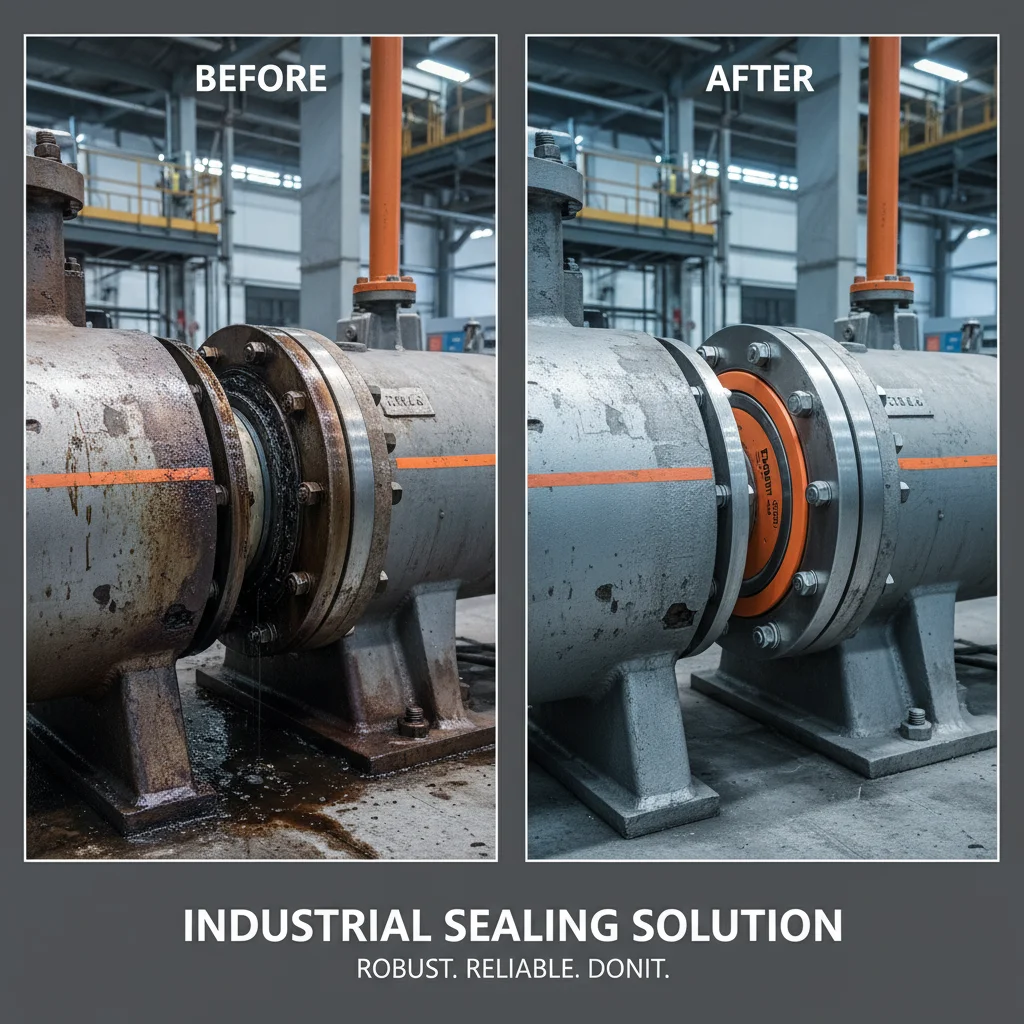
DONIT Gasket Manufacturer Delivering Sealing Solutions for Global Industries
-
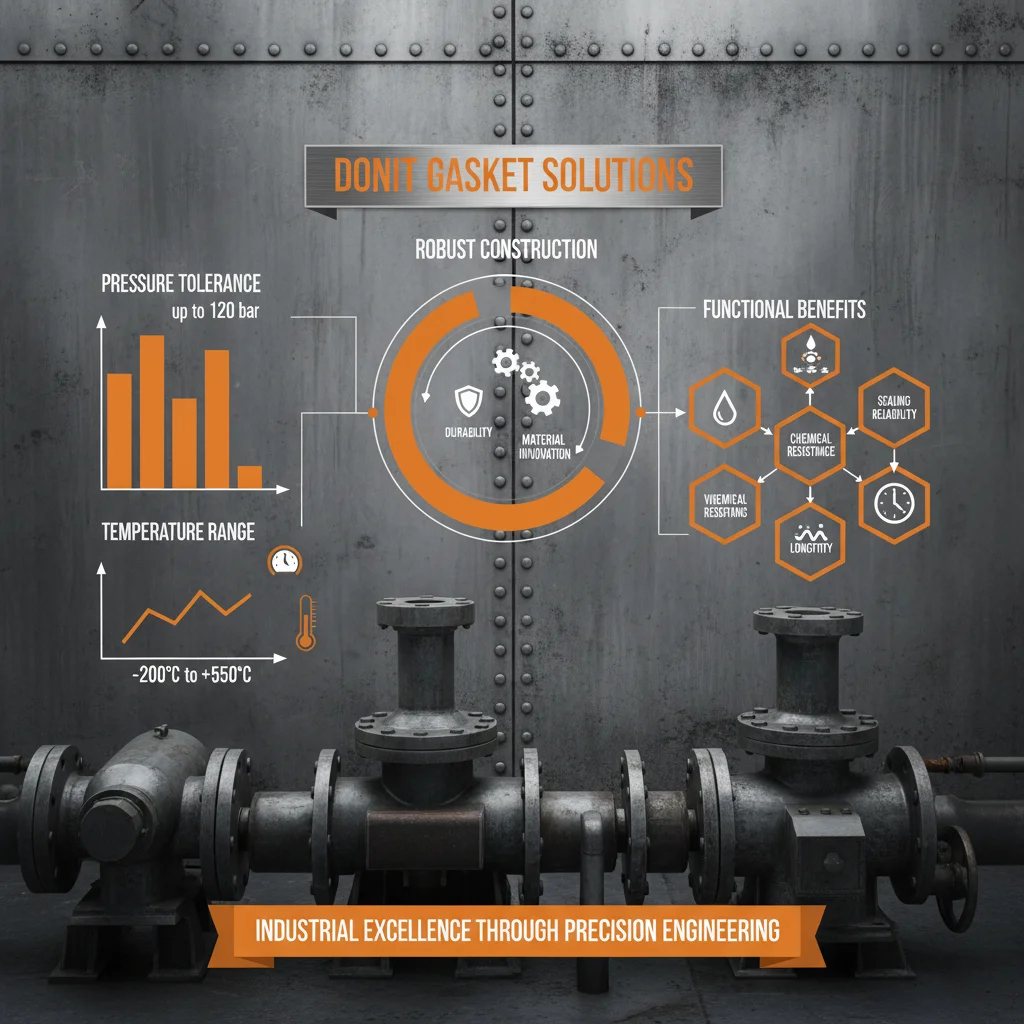
Advanced DONIT gasket Solutions for Industrial Sealing and Performance Optimization
Updated:

Michael Johnson
Michael Johnson is a dedicated Sales Engineer at HUITE Sealing, focused on the Marine and Shipbuilding industries. He boasts 8 years of experience in technical sales, providing tailored gasket solutions for various vessel types and offshore platforms. Michael holds a strong understanding of marine regulations and requirements. He actively participates in industry trade shows and builds strong relationships with key clients, advocating for the benefits of our reinforced graphite and rubber gaskets. He prides himself on delivering exceptional customer service and rapid response times.


