API 6FB Insulation Gaskets: A Comprehensive Guide
In the demanding world of flange connections in oil, gas, and petrochemical industries, ensuring a tight, reliable seal is paramount. API 6FB insulation gaskets play a critical role in achieving this, preventing leakage and maintaining system integrity. This article delves into the specifics of these essential components, covering their purpose, materials, applications, and crucial considerations for selection and installation. Understanding these gaskets is vital for engineers, procurement professionals, and maintenance personnel involved in flange management. Investing in the right insulation gasket can significantly reduce downtime and enhance operational safety.
What are API 6FB Insulation Gaskets?
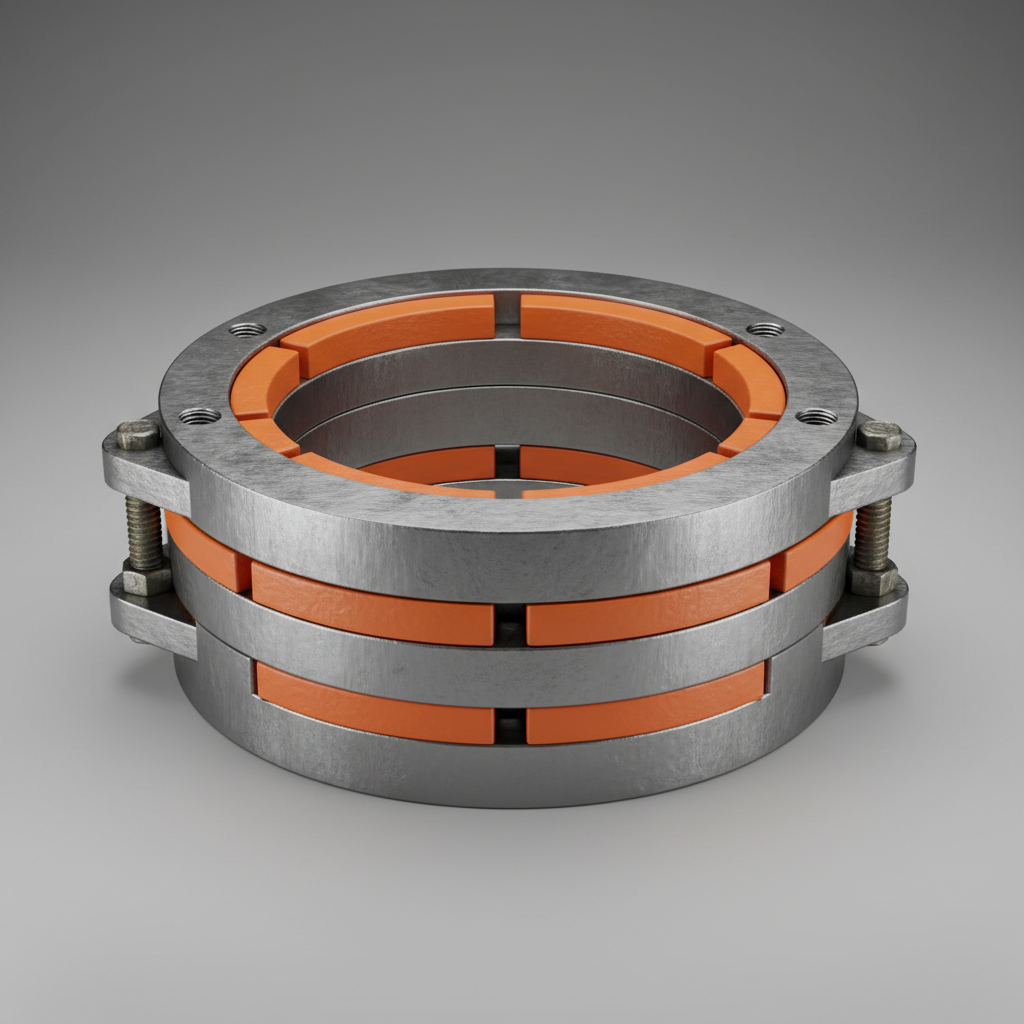
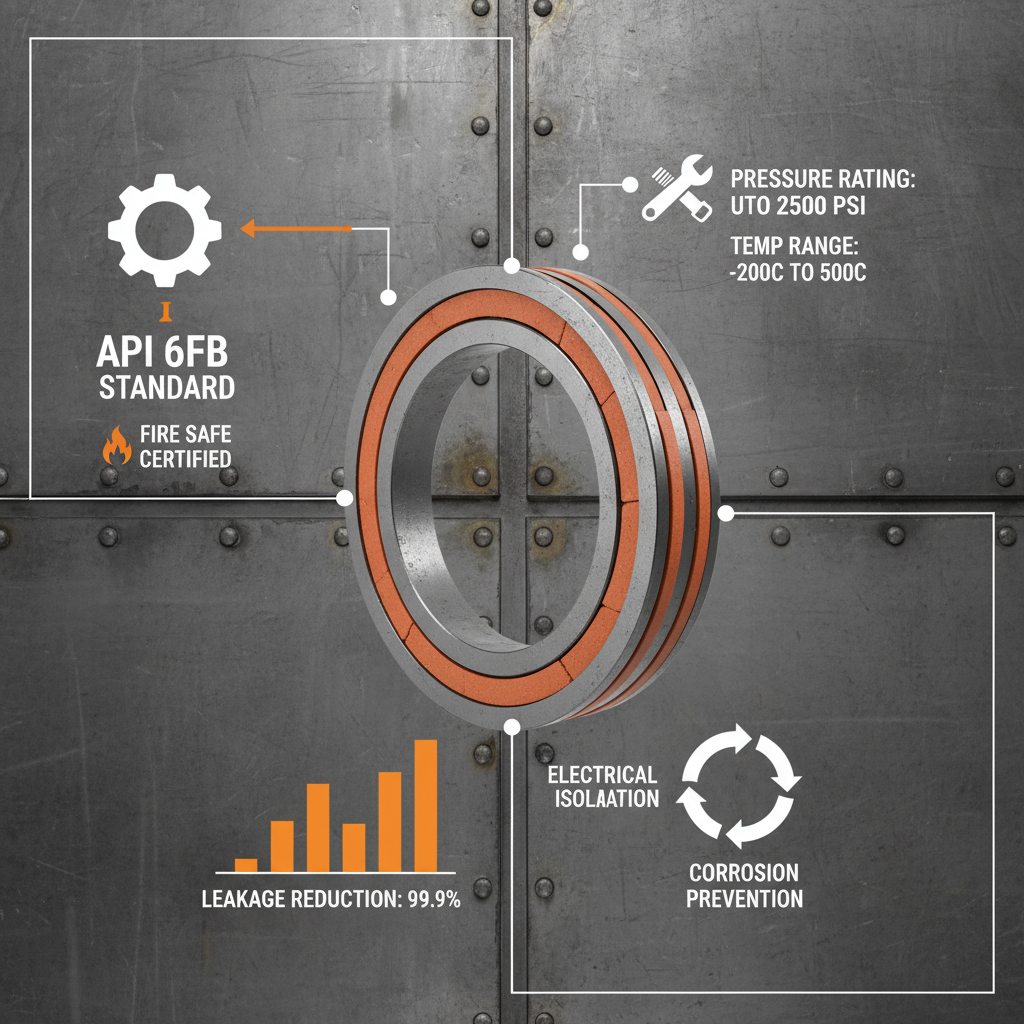
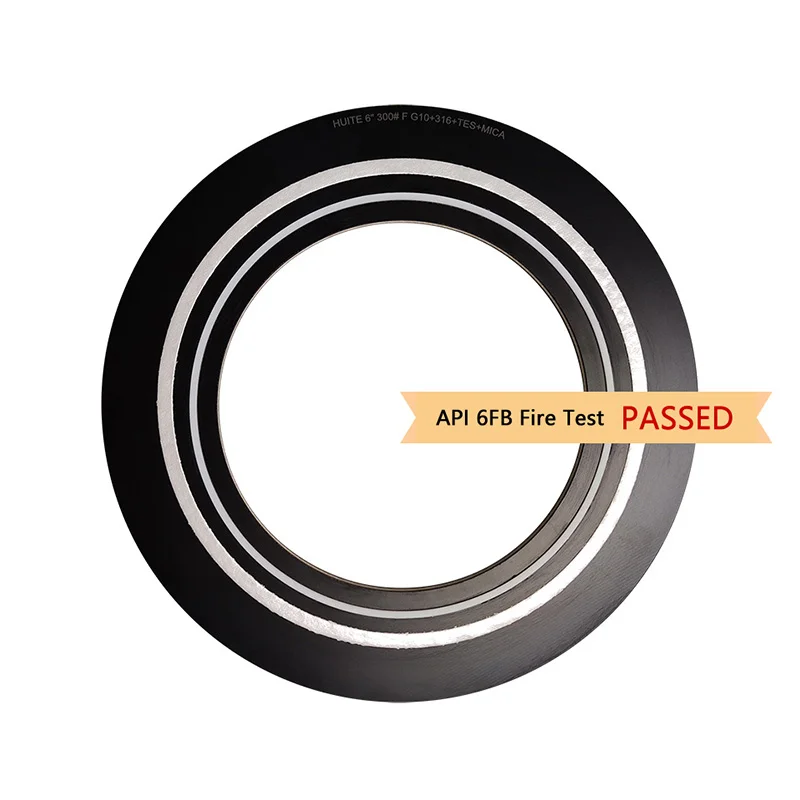
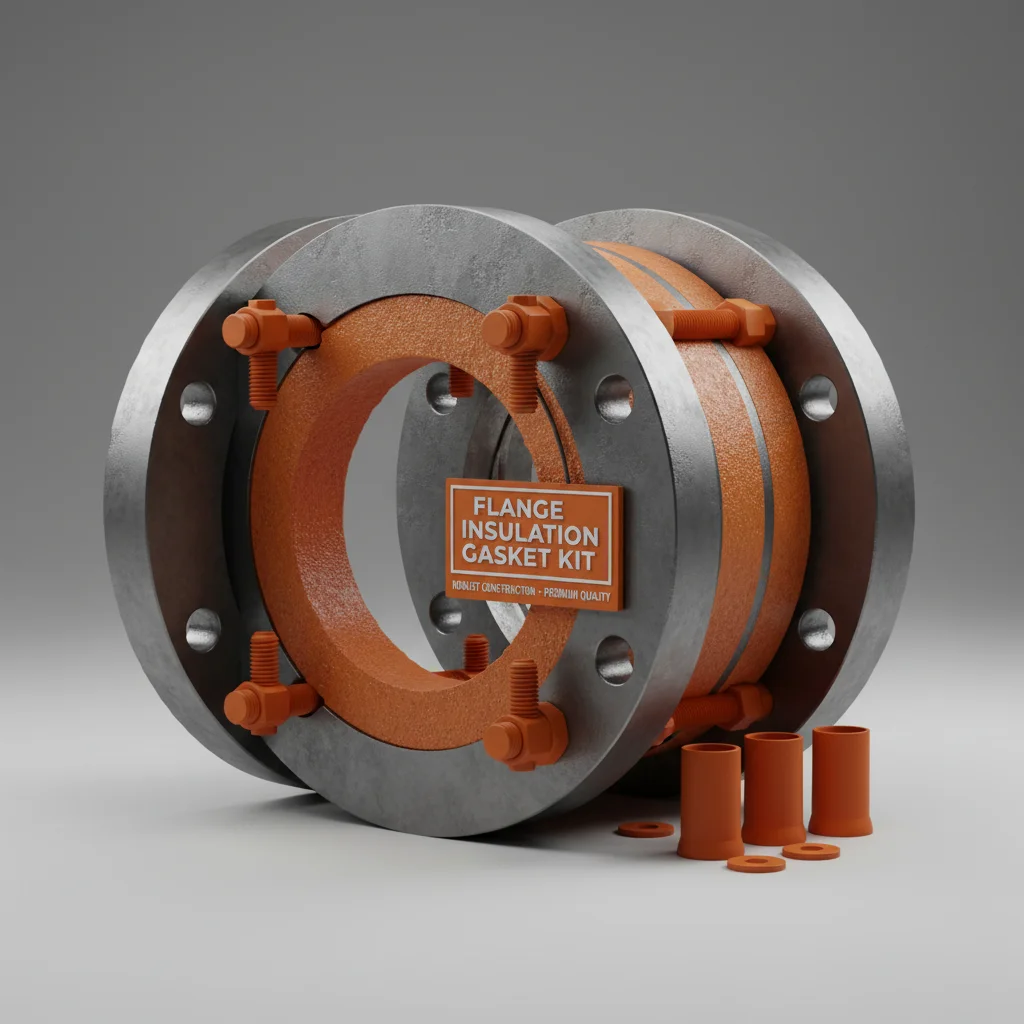
API 6FB insulation gaskets are specialized gaskets designed to electrically isolate flange faces while maintaining a pressure-tight seal. They are typically used in pipelines and equipment where cathodic protection is employed to mitigate corrosion. The gasket incorporates an insulating layer that interrupts the electrical path, preventing stray currents from accelerating corrosion on the flanged joint. These gaskets are critical for maintaining the effectiveness of cathodic protection systems. They’re constructed with a combination of materials chosen for their sealing properties and electrical insulating capabilities, and must adhere to the stringent standards outlined in API 6FB (American Petroleum Institute Standard 6FB).
Key Materials Used in API 6FB Gaskets
The selection of materials is crucial for API 6FB gasket performance. Commonly used materials include:
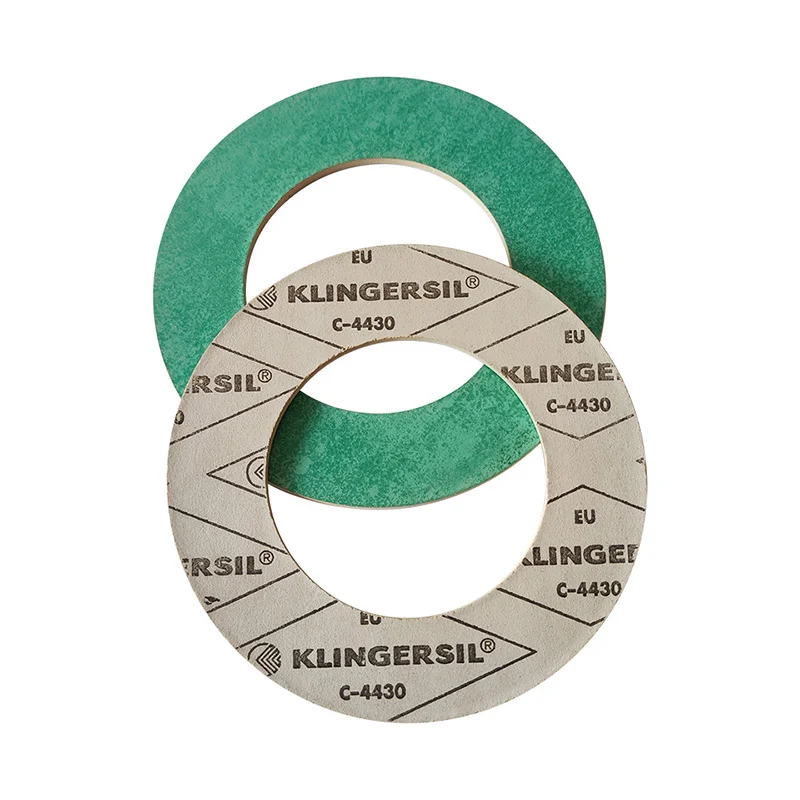
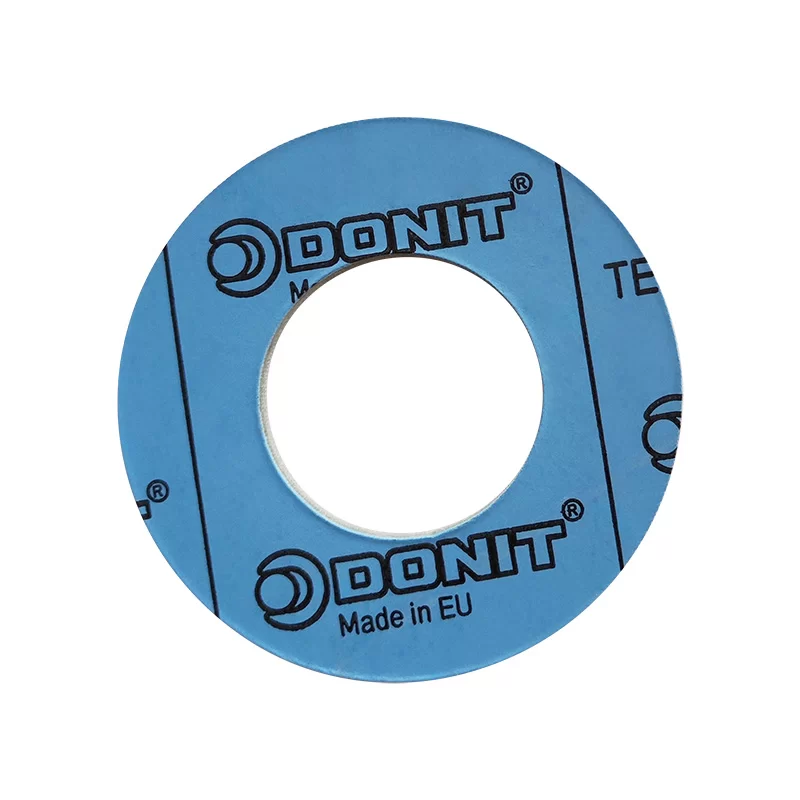
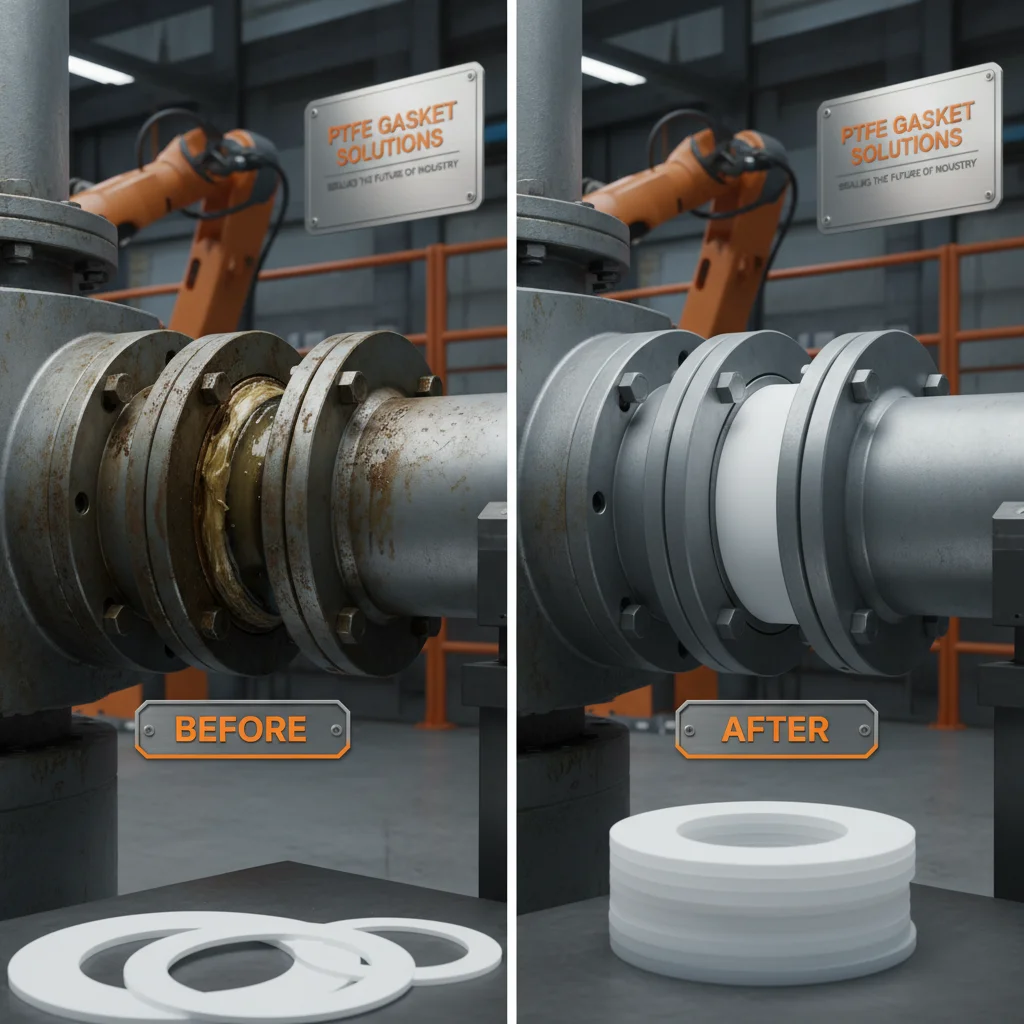
- Facing Materials: Typically non-metallic materials such as Fiber, PTFE (Teflon), or compressed non-asbestos fiber (CNAF) providing the primary sealing.
- Insulating Core: Materials like Glass-reinforced epoxy resin, Micarta, or other electrically insulating laminates.
- Centering Rings: Metal (Stainless Steel or Carbon Steel) or non-metallic materials used to position the gasket correctly within the flange groove.
The compatibility of these materials with the process fluid, temperature, and pressure is essential. GZHTMF specializes in custom-designed API 6FB gaskets to meet specific application requirements.
API 6FB Insulation Gasket Applications
These gaskets are widely used in a variety of applications, including:
- Pipelines: Protecting pipeline sections with cathodic protection.
- Valves & Fittings: Isolating valve and fitting components to prevent galvanic corrosion.
- Pump & Compressor Systems: Ensuring reliable sealing and electrical isolation in rotating equipment.
- Flange Connections: Any flanged joint where cathodic protection is utilized.
Effectively, any application where a flanged connection is subject to corrosion and requires the benefits of cathodic protection is a prime candidate for API 6FB gaskets.
Key Benefit: API 6FB gaskets prevent corrosion by electrically isolating flanged joints, enabling effective use of cathodic protection systems.
Comparing Common API 6FB Gasket Types
Different API 6FB gasket designs cater to specific application needs. Here’s a comparison of some common types:
| Gasket Type |
Key Features |
Typical Applications |
| Full Face Gasket |
Covers the entire flange face, providing maximum sealing and insulation. |
High-pressure, high-temperature applications; critical isolation requirements. |
| Inner Diameter (ID) Gasket |
Only seals the pipe ID, leaving the bolt circle exposed. |
Lower pressure applications; where bolt circle isolation isn’t critical. |
| Outer Diameter (OD) Gasket |
Seals to the flange OD, offering insulation even with minor flange surface imperfections. |
Corroded or damaged flange surfaces; applications requiring high reliability. |
Factors to Consider When Selecting API 6FB Gaskets
Choosing the right API 6FB gasket requires careful consideration of several factors:
- Process Fluid: Ensure the gasket material is compatible with the fluid being handled.
- Temperature & Pressure: Select a gasket rated for the operating temperature and pressure of the system.
- Flange Material: Compatibility between the gasket and flange material is vital to prevent corrosion.
- Cathodic Protection System: Verify the gasket’s insulation properties are sufficient for the specific system.
- Standards Compliance: Ensure the gasket meets API 6FB and other relevant industry standards.
Consulting with a gasket specialist, such as the experts at GZHTMF, can help you select the optimal gasket for your application.
Proper Installation for Optimal Performance
Correct installation is critical to ensure the gasket functions as intended. Follow these best practices:
- Flange Surface Preparation: Ensure flange surfaces are clean, smooth, and free of damage.
- Gasket Centering: Properly center the gasket within the flange groove using appropriate centering rings.
- Bolt Torque: Apply the correct bolt torque according to the flange manufacturer's specifications.
- Visual Inspection: After installation, visually inspect the gasket for proper seating and alignment.
Improper installation can lead to leaks and premature gasket failure. GZHTMF provides detailed installation guidelines and support.
Conclusion: Ensuring Flange Integrity with API 6FB Gaskets
API 6FB insulation gaskets are indispensable components for maintaining the integrity and safety of flanged connections in critical industries. By understanding their function, materials, and installation requirements, you can ensure reliable performance and prevent costly downtime. Choosing a reputable supplier like GZHTMF guarantees high-quality products and expert support.
Frequently Asked Questions (FAQs)
What is the primary purpose of an API 6FB insulation gasket?
The primary purpose is to electrically isolate flanged joints in systems utilizing cathodic protection. This prevents stray currents from causing galvanic corrosion between dissimilar metals in the flange assembly. The gasket’s insulating layer interrupts the electrical path, allowing the cathodic protection system to function effectively and protect the pipeline or equipment. Without proper electrical isolation, cathodic protection can be significantly compromised, leading to accelerated corrosion and potential failure.
How often should API 6FB gaskets be replaced?
The replacement frequency depends on factors like process conditions, temperature, pressure, and the severity of the operating environment. Generally, a periodic inspection should be conducted as part of a regular maintenance schedule. API 6FB guidelines recommend replacement every 2-5 years, or more frequently if evidence of deterioration or leakage is observed. Factors like exposure to harsh chemicals, UV radiation, or extreme temperatures can shorten the gasket's lifespan.
What standards do API 6FB gaskets need to meet?
API 6FB gaskets must primarily comply with API 6FB, which specifies the requirements for design, materials, testing, and performance. Additionally, they may need to meet other relevant standards depending on the application and industry, such as ASME standards for pressure vessel components. Ensuring compliance with these standards is crucial for guaranteeing the gasket’s reliability and safety. GZHTMF guarantees all its API 6FB gaskets meet or exceed these industry standards.
Are API 6FB gaskets suitable for all types of corrosive environments?
While API 6FB gaskets provide electrical isolation to prevent galvanic corrosion, their chemical resistance depends on the specific materials used in their construction. It's crucial to select a gasket material compatible with the process fluid and the corrosive environment. For highly corrosive environments, materials like PTFE, or specialized rubber compounds may be necessary. Proper material selection is paramount to ensure long-term gasket performance and prevent premature failure.