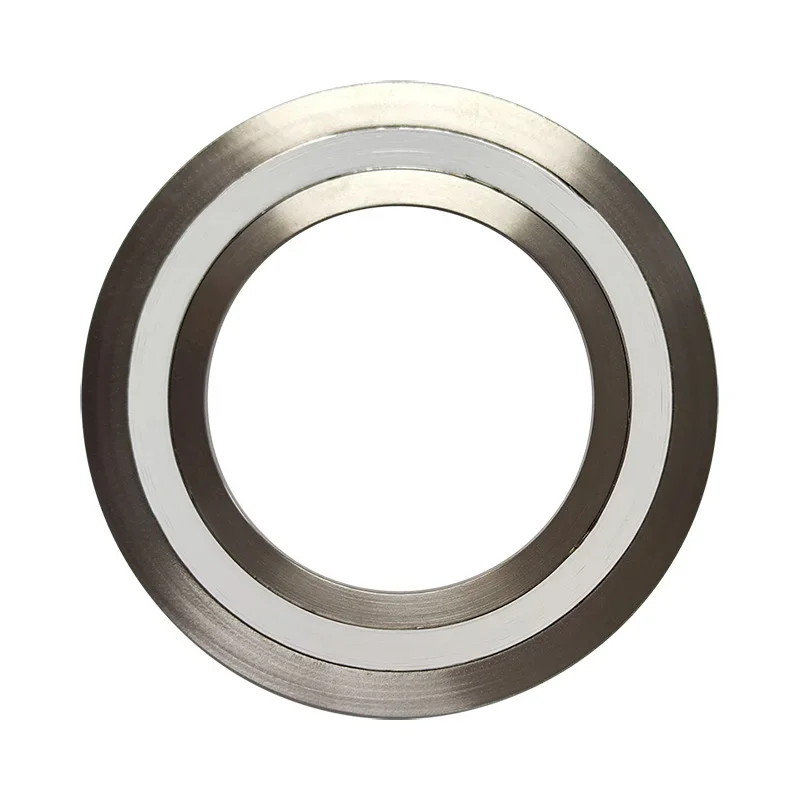
Understanding ASME B16.20 Spiral Wound Gaskets
In demanding industrial applications, ensuring a leak-proof seal is paramount. ASME B16.20 spiral wound gaskets are a widely trusted solution, recognized for their resilience and adaptability. This article dives into the specifics of these gaskets, their construction, applications, advantages, and factors to consider when selecting the right one for your needs. Whether you're involved in the oil & gas, chemical processing, or power generation industry, understanding these gaskets is crucial for maintaining safe and efficient operations. They are fundamental components in preventing costly leaks and ensuring process integrity.
What is an ASME B16.20 Spiral Wound Gasket?
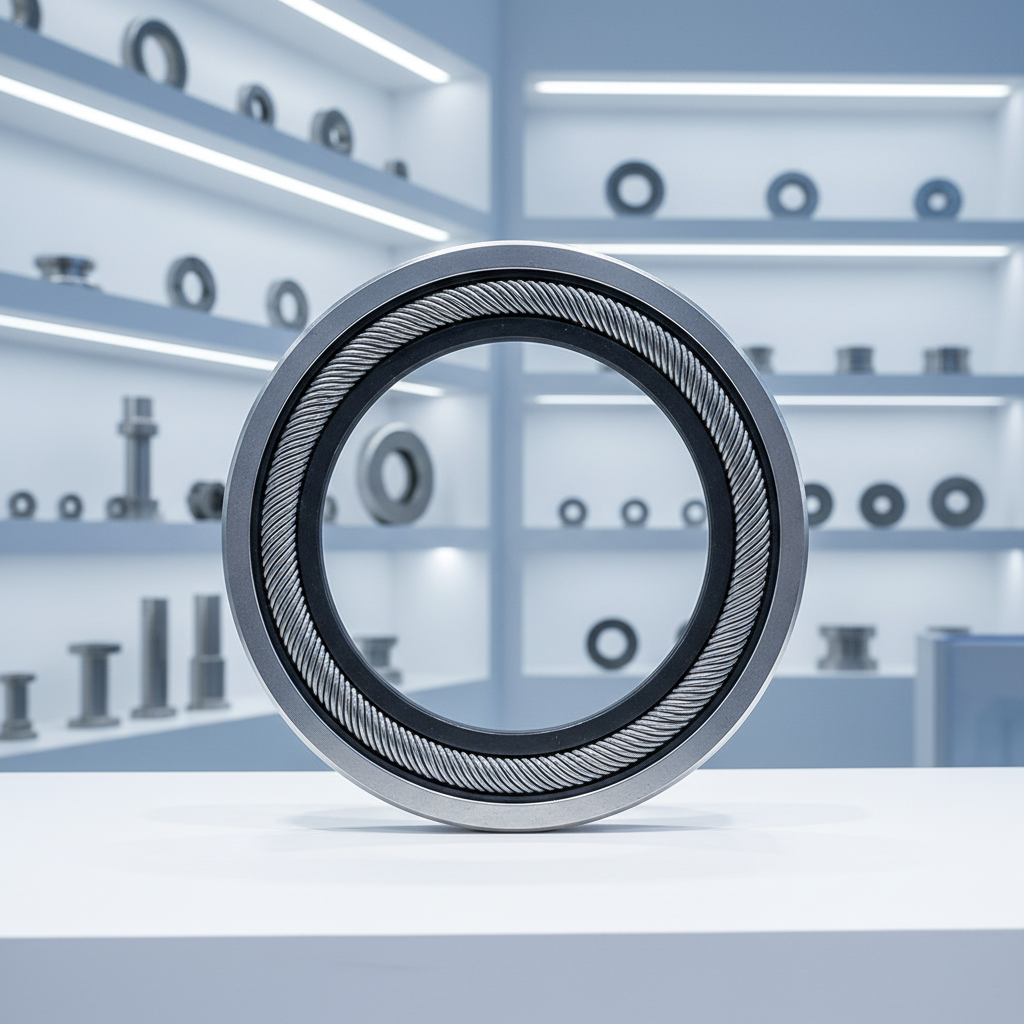
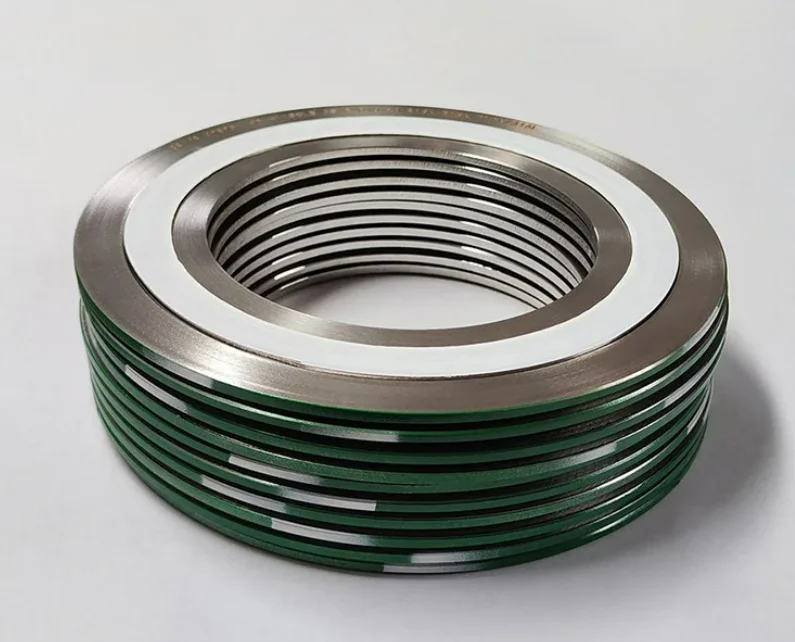
An ASME B16.20 spiral wound gasket is a static sealing element comprised of a V-shaped metallic strip and a softer filler material (typically graphite, PTFE, or ceramic) spirally wound together. This unique construction provides excellent resilience, allowing the gasket to conform to flange irregularities and maintain a tight seal even under fluctuating temperatures and pressures. The metallic winding provides strength and resilience, while the filler material creates the sealing effect. These gaskets are designed to meet the rigorous standards outlined in ASME B16.20, ensuring consistent quality and performance. You can find a full range of spiral wound gaskets at our website.
Key Highlights: Resilient design conforms to flange imperfections. Suitable for high-temperature and high-pressure applications. Compliant with ASME B16.20 standards.
Construction and Materials of Spiral Wound Gaskets
The construction of a spiral wound gasket is crucial to its performance. The metallic winding materials commonly used include stainless steel (304, 316, 321), carbon steel, and other alloys depending on the fluid compatibility and temperature requirements. Filler materials are selected based on the chemical resistance and temperature range of the application. Graphite is excellent for high-temperature steam and hydrocarbon service, while PTFE is preferred for corrosive chemicals. The combination of these materials creates a gasket that’s both strong and effective at preventing leaks. Understanding the material composition allows for informed decisions about selecting the optimal gasket for your specific application.
Material Considerations:
• Metallic Winding: Stainless Steel (304, 316), Carbon Steel
• Filler Material: Graphite, PTFE, Ceramic
• Centering Ring: Typically carbon steel or stainless steel.
ASME B16.20 Spiral Wound Gasket Types
Spiral wound gaskets come in several types, each designed for specific applications. The most common types include:
- Basic Spiral Wound Gasket: The standard configuration, suitable for general service.
- Inner Ring Gasket: An inner ring is added to concentrate the gasket load and provide added strength for high-pressure applications.
- Outer Ring Gasket: An outer ring is added to prevent gasket over-compression and protect the winding from damage during installation.
- With Graphite Foil: A graphite foil is laminated to one or both sides of the gasket to enhance sealing performance, particularly in applications involving corrosive media.
Selecting the correct type depends on the flange design, the operating conditions, and the properties of the fluid being sealed. Contact us to discuss your specific requirements and ensure you choose the optimal gasket type.
Comparing Spiral Wound Gaskets to Other Gasket Types
While numerous gasket types exist, spiral wound gaskets offer distinct advantages over many. Compared to flat gaskets, they excel in handling flange imperfections and fluctuating temperatures. Compared to ring joint gaskets, they provide a lower seating stress requirement, making them suitable for weaker flanges. Here’s a quick comparison:
| Gasket Type |
Temperature Range |
Pressure Rating |
Flange Imperfections |
| Spiral Wound |
-200°C to +500°C |
Up to 250 bar |
Excellent |
| Flat Gasket |
-50°C to +200°C |
Up to 100 bar |
Poor |
| Ring Joint |
-200°C to +400°C |
Up to 300 bar |
Good |
Applications of ASME B16.20 Spiral Wound Gaskets
ASME B16.20 spiral wound gaskets are used extensively across various industries. Key applications include:
- Oil & Gas: Refineries, pipelines, and offshore platforms.
- Chemical Processing: Handling corrosive chemicals and high-pressure processes.
- Power Generation: Steam boilers, turbines, and heat exchangers.
- Petrochemicals: Production and processing of petrochemical products.
- Pulp & Paper: Sealing in demanding environments with high temperatures and pressures.
Conclusion: Choosing the Right Spiral Wound Gasket
Selecting the right ASME B16.20 spiral wound gasket is essential for ensuring the safety and efficiency of your operations. By understanding the construction, materials, and types available, you can make an informed decision. GZHTMF provides high-quality spiral wound gaskets tailored to your specific needs. Don’t compromise on seal integrity – choose a reliable partner.
Frequently Asked Questions (FAQs)
What is the typical lifespan of a spiral wound gasket?
The lifespan of a spiral wound gasket depends heavily on the application, temperature, pressure, and the corrosivity of the fluid being sealed. Generally, with proper installation and within recommended operating parameters, these gaskets can last between 2-5 years. Regular inspections are critical. Look for signs of deterioration like corrosion, crushing, or loss of resilience. If any of these are observed, the gasket should be replaced immediately to prevent leaks and maintain system integrity.
How do I determine the correct gasket size?
Accurate gasket sizing is vital. You’ll need to know the flange dimensions (inner diameter, outer diameter, and bolt circle diameter). Typically, gaskets are manufactured to match the flange dimensions specified in the flange standard (e.g., ASME B16.5). It’s also important to consider the gasket’s thickness, which affects the bolt load. Consult the flange manufacturer’s specifications or a gasket specialist to ensure a proper fit. Using the wrong size gasket can lead to leaks, flange damage, and safety hazards.
Can spiral wound gaskets be reused?
Generally, it's not recommended to reuse spiral wound gaskets. Once compressed, the gasket's structure is altered, and its ability to create a reliable seal is compromised. Even if the gasket appears undamaged, it may not provide the same level of performance upon reinstallation. Reusing a gasket can lead to leaks and potential safety issues. It’s best practice to use a new gasket for each application to ensure optimal sealing performance and system reliability.