Understanding EN 1514-2 Spiral Wound Gaskets for Optimal Sealing
In the world of industrial sealing, choosing the right gasket is critical for ensuring leak-free performance and operational safety. EN 1514-2 Spiral Wound Gaskets are a widely recognized and trusted solution, particularly in high-pressure and high-temperature applications. This article delves into the specifics of these gaskets, covering their construction, applications, benefits, and selection criteria, offering a comprehensive guide for engineers, procurement professionals, and anyone involved in sealing systems. Selecting the correct gasket can dramatically improve the reliability and longevity of your equipment.
What are EN 1514-2 Spiral Wound Gaskets?
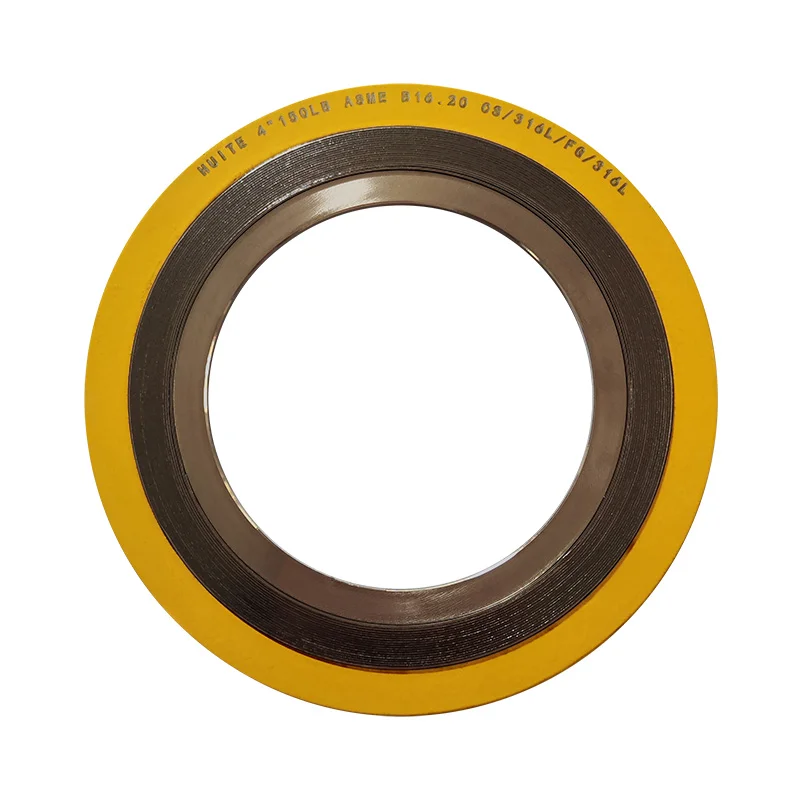
EN 1514-2 defines the requirements for spiral wound gaskets, widely used in piping and vessel applications. These gaskets are constructed by spirally winding a V-shaped metallic strip and a non-metallic filler material (typically asbestos-free graphite or PTFE) together. The resulting gasket offers excellent resilience and the ability to compensate for flange irregularities. This construction allows them to maintain a seal under fluctuating temperatures and pressures. They are particularly effective in applications where thermal expansion and contraction are significant concerns. HTMF specializes in providing high-quality, compliant EN 1514-2 gaskets.
Key Components and Construction Details
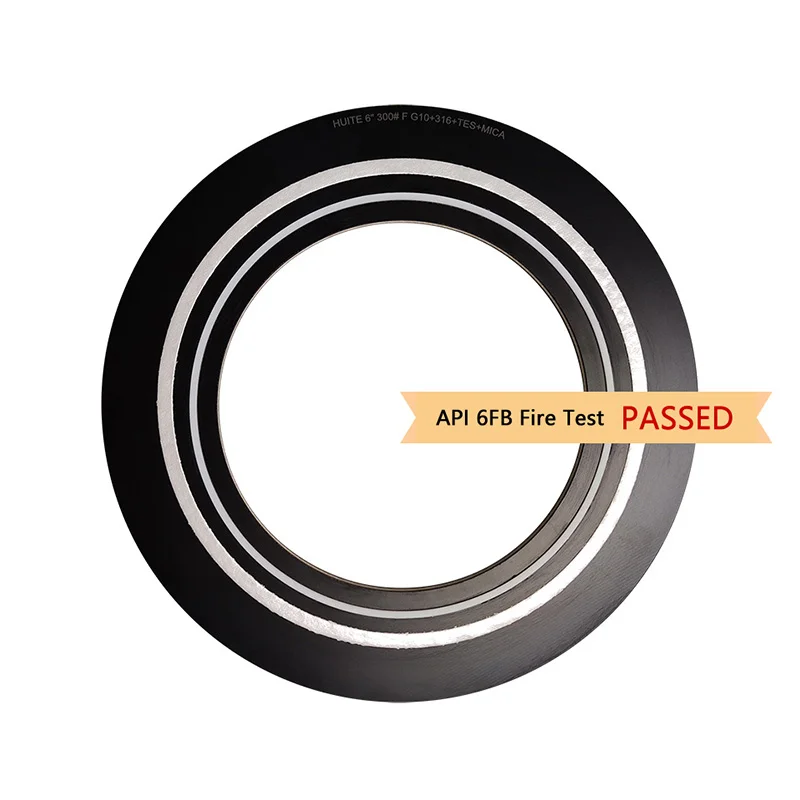
The performance of an EN 1514-2 spiral wound gasket hinges on the quality of its individual components. The key elements include: the metallic winding (commonly stainless steel, carbon steel, or alloy steels), the filler material (graphite, PTFE, or a combination thereof), and the outer centering ring. The centering ring serves to accurately position the gasket within the flange groove and maintains its compression during installation. Different materials are selected based on the specific application requirements, such as temperature, pressure, and the media being sealed. The winding pitch and filler factor also play a critical role in the gasket’s sealing capacity.
Key Components: Metallic winding, filler material (graphite, PTFE), outer centering ring, inner ring (optional).
Applications of EN 1514-2 Spiral Wound Gaskets
These gaskets find extensive use across various industries, including: petrochemicals, oil and gas, power generation, chemical processing, and pulp and paper. They are ideal for sealing flanges in pipelines, valves, pumps, heat exchangers, and reactors. Specific applications include high-pressure steam systems, hydrocarbon processing, and corrosive media containment. The ability to withstand extreme temperatures and pressures makes them indispensable in demanding industrial environments. HTMF's range of spiral wound gaskets caters to a diverse array of these applications.
Common Application Areas:
• Petrochemical Industry
• Oil & Gas Refineries
• Power Generation Plants
• Chemical Processing Facilities
EN 1514-2 Spiral Wound Gasket: Materials and Performance Comparison
Selecting the appropriate materials for a spiral wound gasket is crucial for ensuring compatibility with the process fluid and operating conditions. Here’s a comparison of common materials and their performance characteristics:
| Material |
Temperature Range (°C) |
Pressure Rating (bar) |
Chemical Resistance |
| Stainless Steel (304/316) |
-196 to 650 |
Up to 300 |
Excellent |
| Carbon Steel |
-100 to 450 |
Up to 250 |
Good |
| Graphite Filler |
-200 to 600 |
Up to 400 |
Excellent |
| PTFE Filler |
-200 to 260 |
Up to 200 |
Excellent |
Benefits of Using EN 1514-2 Compliant Gaskets
Choosing gaskets that adhere to EN 1514-2 standards offers numerous advantages: reliable sealing performance, enhanced safety, reduced downtime, and cost-effectiveness. Compliance ensures the gasket has been rigorously tested and meets specific quality criteria. The resilience of the spiral wound construction allows it to adapt to flange movement and maintain a tight seal. HTMF provides certifications and traceability for all its EN 1514-2 gaskets.
Conclusion: Ensuring Leak-Free Performance with HTMF
EN 1514-2 spiral wound gaskets are a cornerstone of reliable sealing solutions across numerous industries. Their robust construction, material versatility, and compliance with international standards make them the preferred choice for critical applications. By partnering with a trusted supplier like HTMF, you can ensure you receive high-quality gaskets that deliver long-lasting performance and operational safety.
Frequently Asked Questions (FAQs)
What is the difference between graphite and PTFE filler materials?
Graphite filler is ideal for high-temperature applications due to its excellent thermal stability and resistance to chemical breakdown. It also provides good resilience and conformability. PTFE filler, on the other hand, excels in applications involving corrosive media, as it is virtually inert. While PTFE has a lower temperature rating than graphite, it offers superior chemical resistance and a lower coefficient of friction. The choice depends on the specific process fluid and operating conditions.
How do I determine the correct gasket width?
The gasket width should match the flange groove width. It's crucial to accurately measure the groove width to ensure proper gasket compression and sealing. If the groove width is non-standard, a custom gasket may be required. It is also important to consider the pipe size and pressure rating when determining the appropriate width.
What is the role of the inner ring in a spiral wound gasket?
The inner ring provides added support and prevents the gasket from being damaged during installation, particularly in applications with narrow passageways or high flow rates. It also protects the winding wires from corrosion and erosion caused by the process fluid. The inner ring is especially beneficial for gaskets used in high-velocity fluid systems.
How should EN 1514-2 Spiral Wound Gaskets be stored?
Gaskets should be stored in a cool, dry, and clean environment, away from direct sunlight, heat sources, and corrosive chemicals. They should be protected from physical damage and stored flat to prevent distortion. Proper storage ensures the gasket's material properties are maintained and its performance is not compromised.