Understanding Reinforced Graphite Gaskets for Optimal Performance
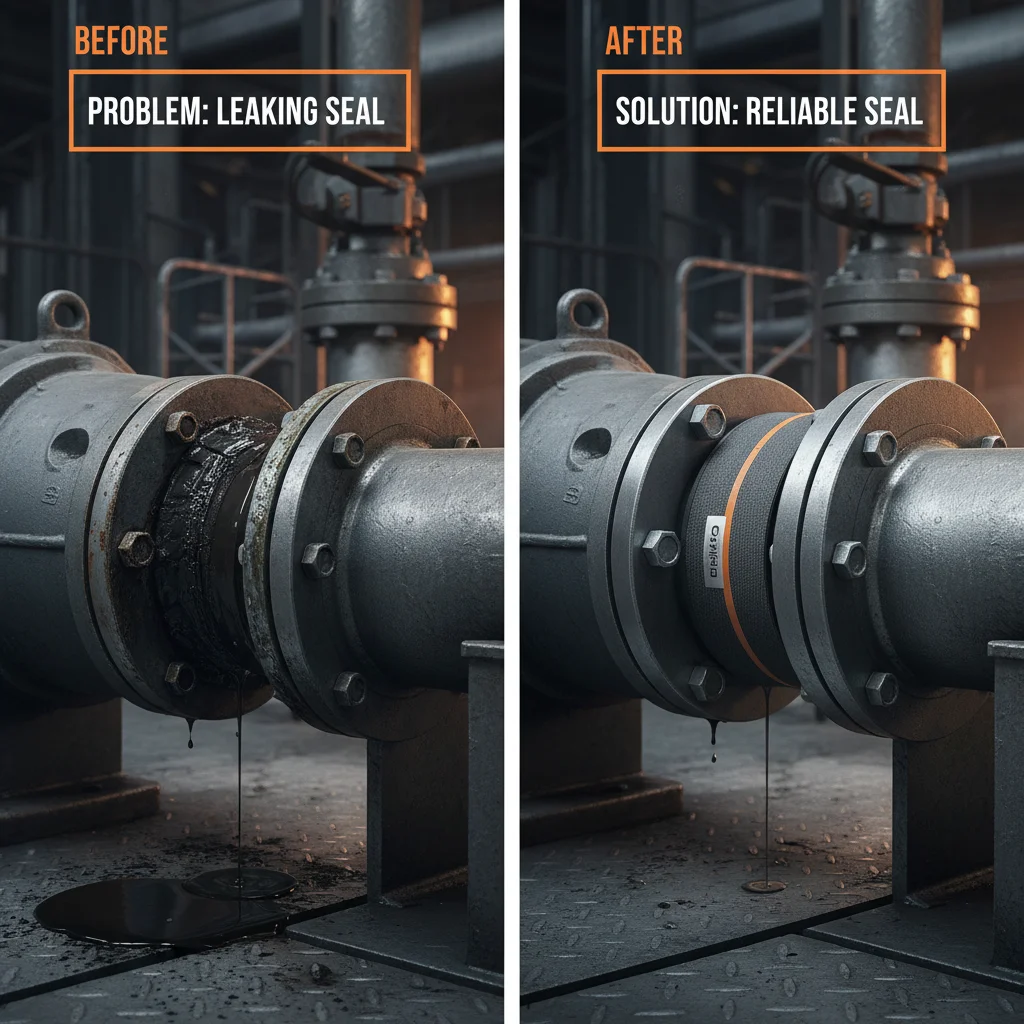
In demanding industrial applications, maintaining a reliable seal is paramount. Reinforced graphite gaskets offer exceptional performance in high-temperature, high-pressure, and chemically aggressive environments. This article delves into the properties, applications, benefits, and key considerations when selecting these crucial sealing components. Whether you're involved in chemical processing, power generation, or oil and gas, understanding reinforced graphite gaskets is vital for ensuring the efficiency and safety of your operations. GZHTMF provides high-quality reinforced graphite gaskets to meet diverse industrial needs.
What are Reinforced Graphite Gaskets?
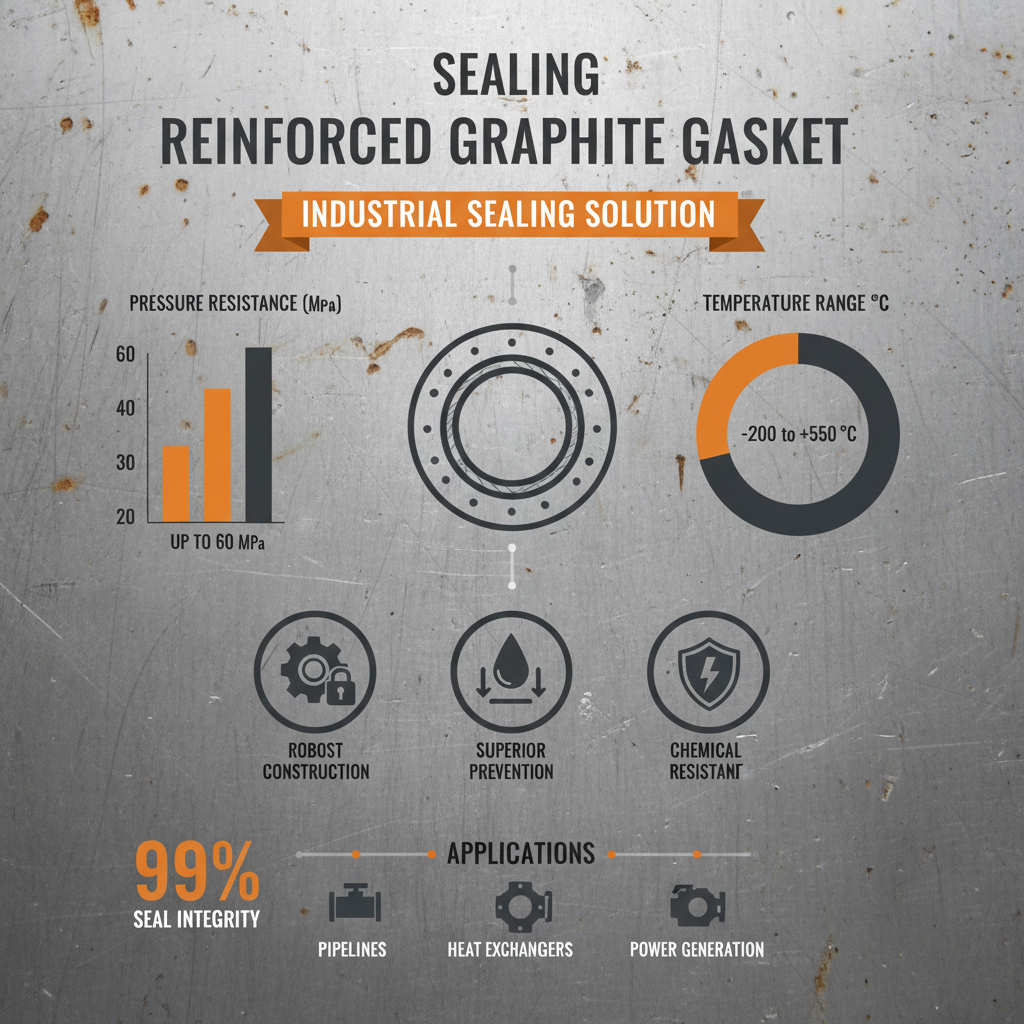
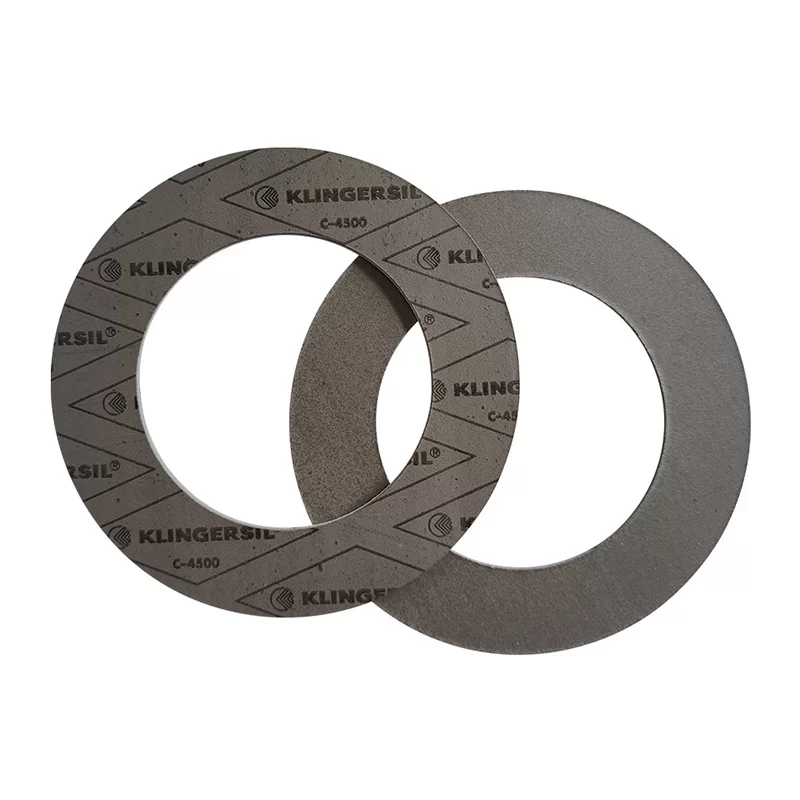
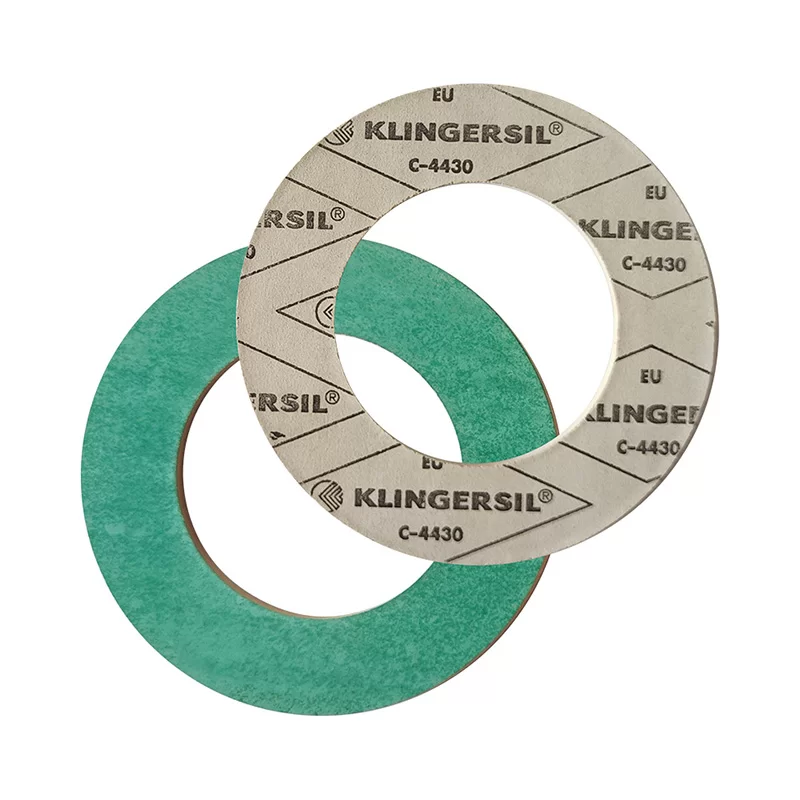
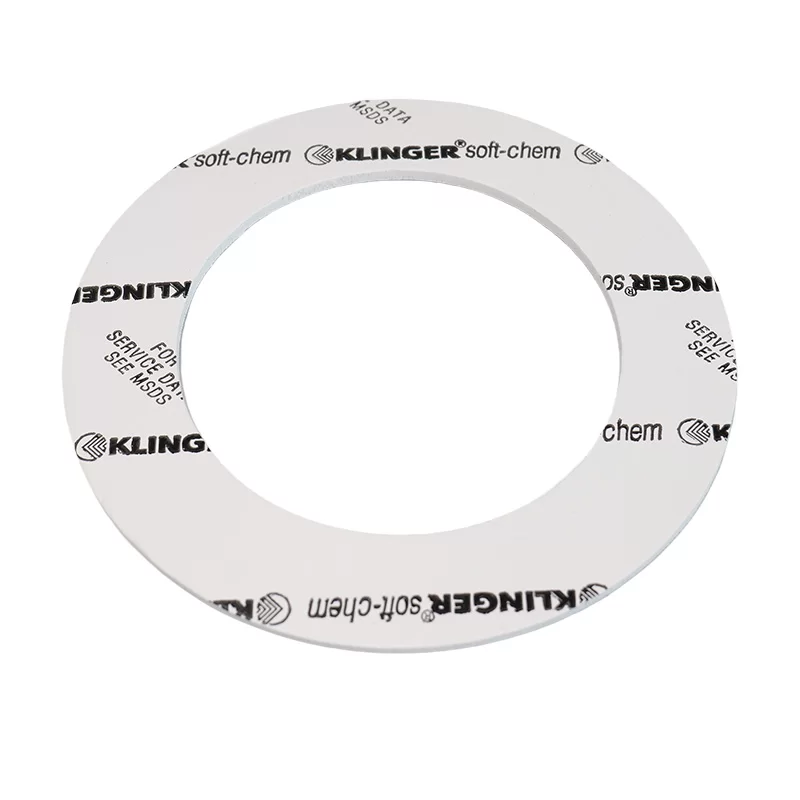
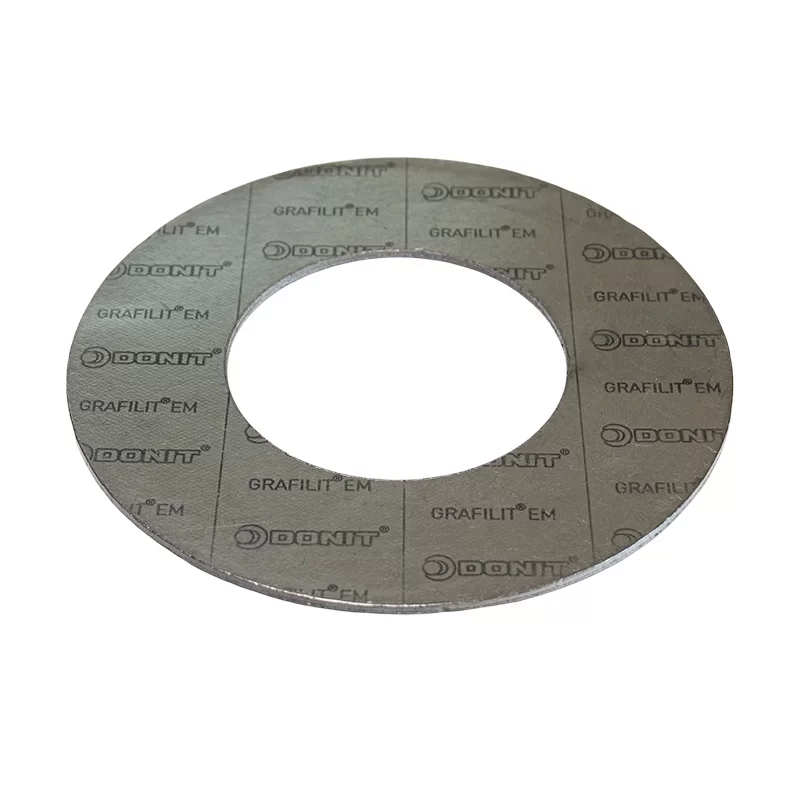
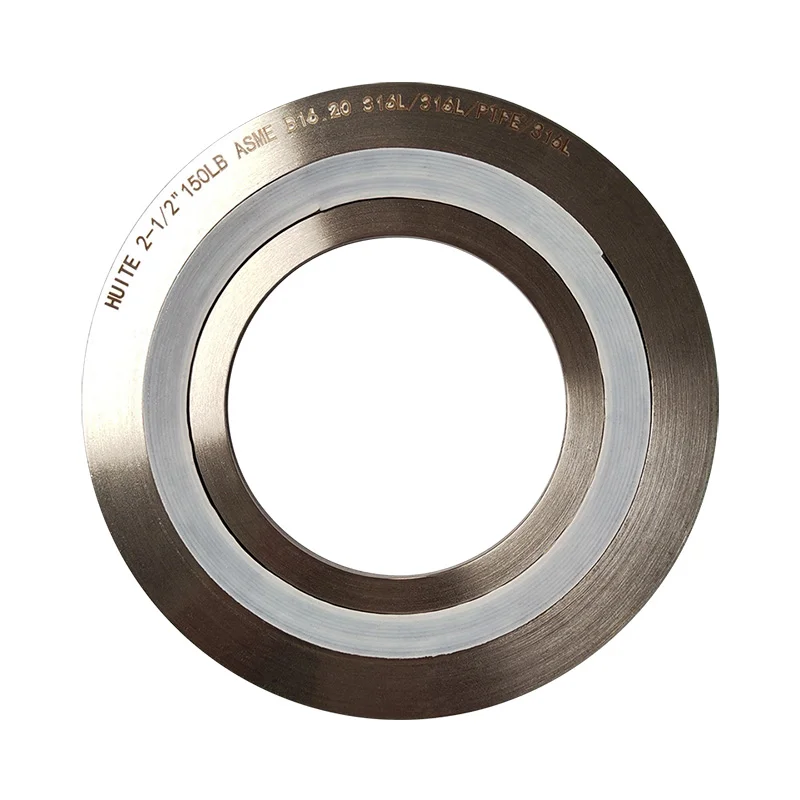
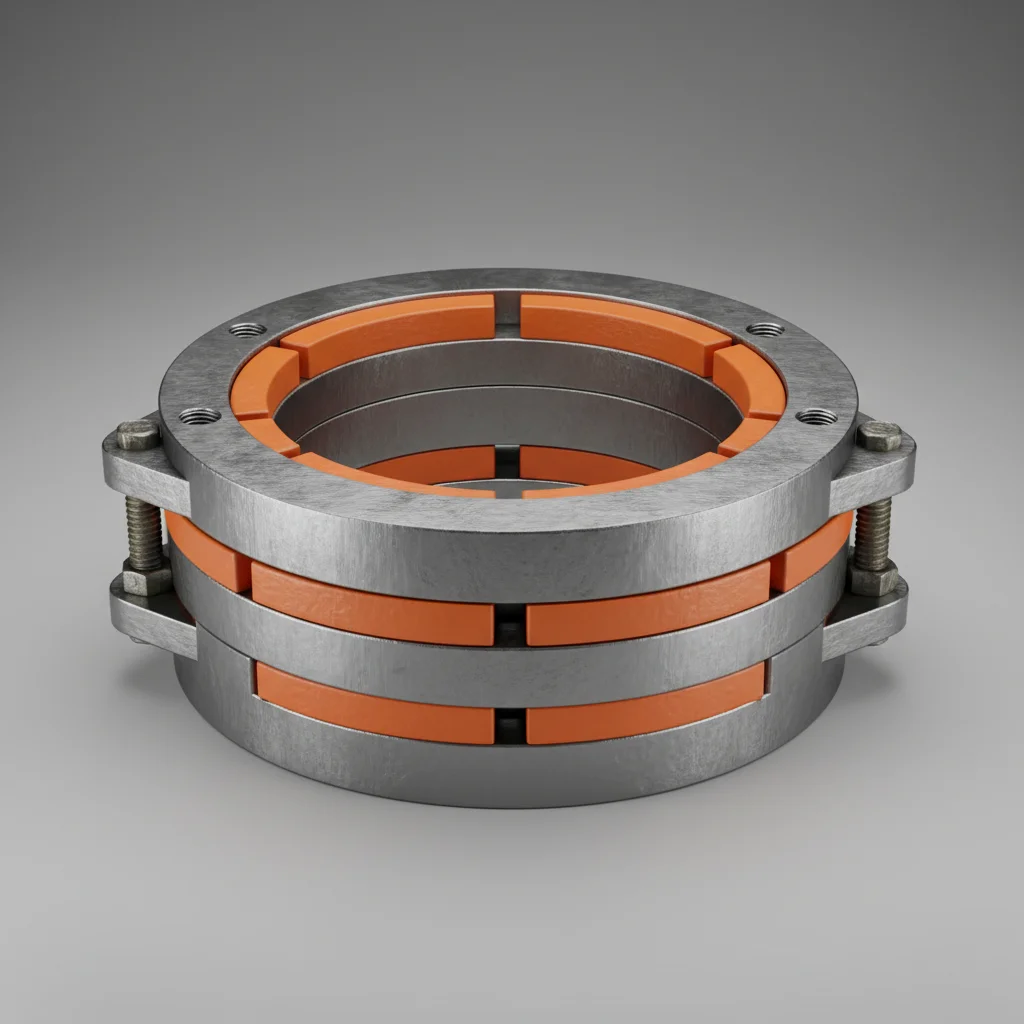
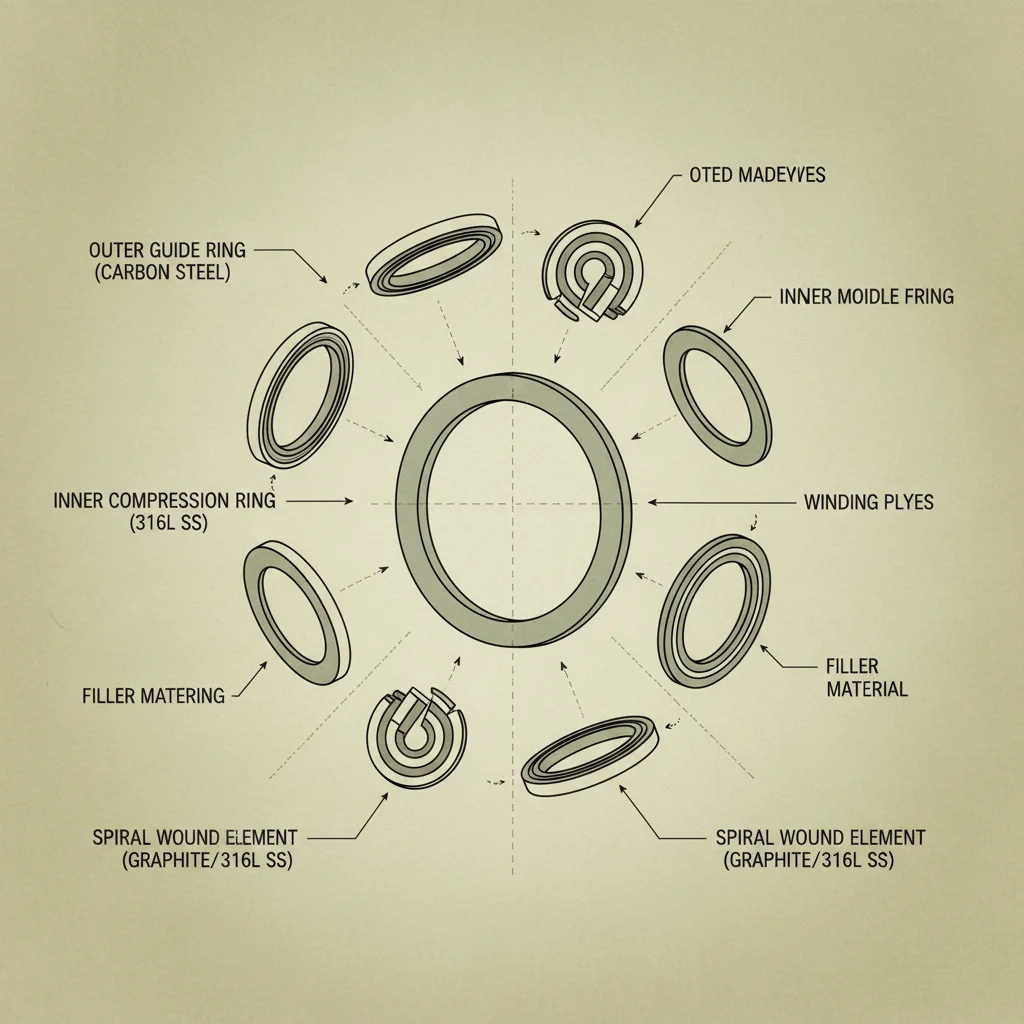
Reinforced graphite gaskets are engineered sealing solutions comprised of a flexible graphite core reinforced with metallic or synthetic materials. The graphite provides exceptional thermal stability, chemical resistance, and sealing capability, while the reinforcement enhances mechanical strength, creep resistance, and blowout resistance. Common reinforcement materials include stainless steel, carbon steel, and various polymer films. This combination results in a gasket that can withstand extreme conditions and maintain a tight seal over extended periods. They are designed for applications where traditional gaskets would quickly fail, offering a reliable and long-lasting solution.
Key Highlights: Exceptional thermal stability, chemical resistance, and sealing capability, combined with enhanced mechanical strength through reinforcement.
Key Properties of Reinforced Graphite Gaskets
Several key properties make reinforced graphite gaskets ideal for challenging applications. These include:
- High-Temperature Resistance: Can operate effectively at temperatures up to 850°F (454°C) and beyond, depending on the graphite grade and reinforcement.
- Excellent Chemical Resistance: Resistant to a wide range of acids, alkalis, solvents, and other corrosive media.
- Wide Pressure Range: Suitable for both low and high-pressure applications, maintaining a reliable seal even under extreme stress.
- Low Friction: Minimizes friction between sealing surfaces, reducing wear and extending gasket life.
- Conformability: Adapts to irregular flange surfaces, ensuring a tight seal even with imperfections.
Reinforced Graphite Gasket Applications Across Industries
These gaskets find widespread use across numerous industries. In the chemical processing industry, they seal vessels and pipelines handling corrosive chemicals. Power generation plants utilize them in steam turbines and heat exchangers. The oil and gas sector employs them in wellhead equipment and refineries. Furthermore, they're commonly found in automotive engines, aerospace components, and food processing equipment. Their versatility and reliability make them a preferred choice wherever a robust, high-performance seal is required.
| Industry |
Typical Applications |
| Chemical Processing |
Pumps, valves, reactors, pipelines |
| Power Generation |
Steam turbines, heat exchangers, boilers |
| Oil & Gas |
Wellheads, refineries, pipelines, compressors |
Choosing the Right Reinforced Graphite Gasket
Selecting the appropriate reinforced graphite gasket requires careful consideration of several factors. These include operating temperature, pressure, chemical compatibility, flange surface finish, and bolt load. The type of reinforcement material (stainless steel, carbon steel, etc.) will also influence the gasket’s performance. GZHTMF offers expert guidance to help you identify the optimal gasket for your specific application. Proper gasket selection is critical for ensuring a reliable seal and preventing costly downtime.
Product Specifications and Options
At GZHTMF, we offer a comprehensive range of reinforced graphite gaskets to suit diverse needs. Here are some of our key specifications:
| Specification |
Details |
| Temperature Range
| -200°C to 850°C (and higher with specialized grades) |
| Pressure Rating
| Up to 250 bar (depending on gasket design) |
| Reinforcement Materials
| Stainless Steel 304, 316, Carbon Steel, PTFE |
| Graphite Grade
| Flexible Graphite, Expanded Graphite |
Conclusion: Choose GZHTMF for Reliable Sealing Solutions
Investing in high-quality reinforced graphite gaskets from a trusted supplier like GZHTMF ensures the long-term reliability and safety of your operations. With our extensive selection, expert support, and commitment to quality, you can find the perfect sealing solution for your specific needs. Contact us today to discuss your requirements and receive a customized quote.
Frequently Asked Questions (FAQs)
What is the expected service life of a reinforced graphite gasket?
The service life of a reinforced graphite gasket depends on various factors, including the operating temperature, pressure, chemical exposure, and bolt load. Under normal operating conditions, these gaskets can last for several years. However, periodic inspection is crucial to identify any signs of degradation, such as compression set, cracking, or loss of resilience. Replacing the gasket proactively during scheduled maintenance can prevent unexpected failures and downtime. It is generally recommended to replace gaskets every 3-5 years, or sooner if performance is compromised.
How do I determine the correct gasket thickness?
Gasket thickness is a critical parameter that impacts sealing performance. Too thin, and the gasket may not compensate for flange imperfections. Too thick, and it could lead to excessive bolt stress. Generally, the gasket thickness should be selected based on the flange surface finish, bolt load, and operating pressure. Consulting with a gasket specialist, like the team at GZHTMF, is recommended to ensure accurate selection.
Can reinforced graphite gaskets be reused?
Generally, it is not recommended to reuse reinforced graphite gaskets. Upon compression, the graphite material conforms to the flange surfaces, and reusing the gasket may result in a compromised seal due to changes in its shape and properties. Reusing a gasket increases the risk of leaks and potential failures. It is best practice to replace the gasket each time the flange is disassembled.