Guangzhou Huite Sealing Machinery Co., Ltd.



0%
API 6FB Spiral Wound Gasket: A Comprehensive Guide
In the demanding world of oil and gas, petrochemical, and power generation, maintaining the integrity of flanges and sealing systems is crucial. API 6FB spiral wound gaskets are a cornerstone solution, known for their resilience, reliability, and ability to withstand extreme temperatures and pressures. This article provides an in-depth look at these gaskets, their construction, applications, benefits, and how to choose the right gasket for your specific needs. Understanding the nuances of API 6FB gaskets is vital for ensuring operational safety and preventing costly downtime.
Understanding the Construction of API 6FB Spiral Wound Gaskets
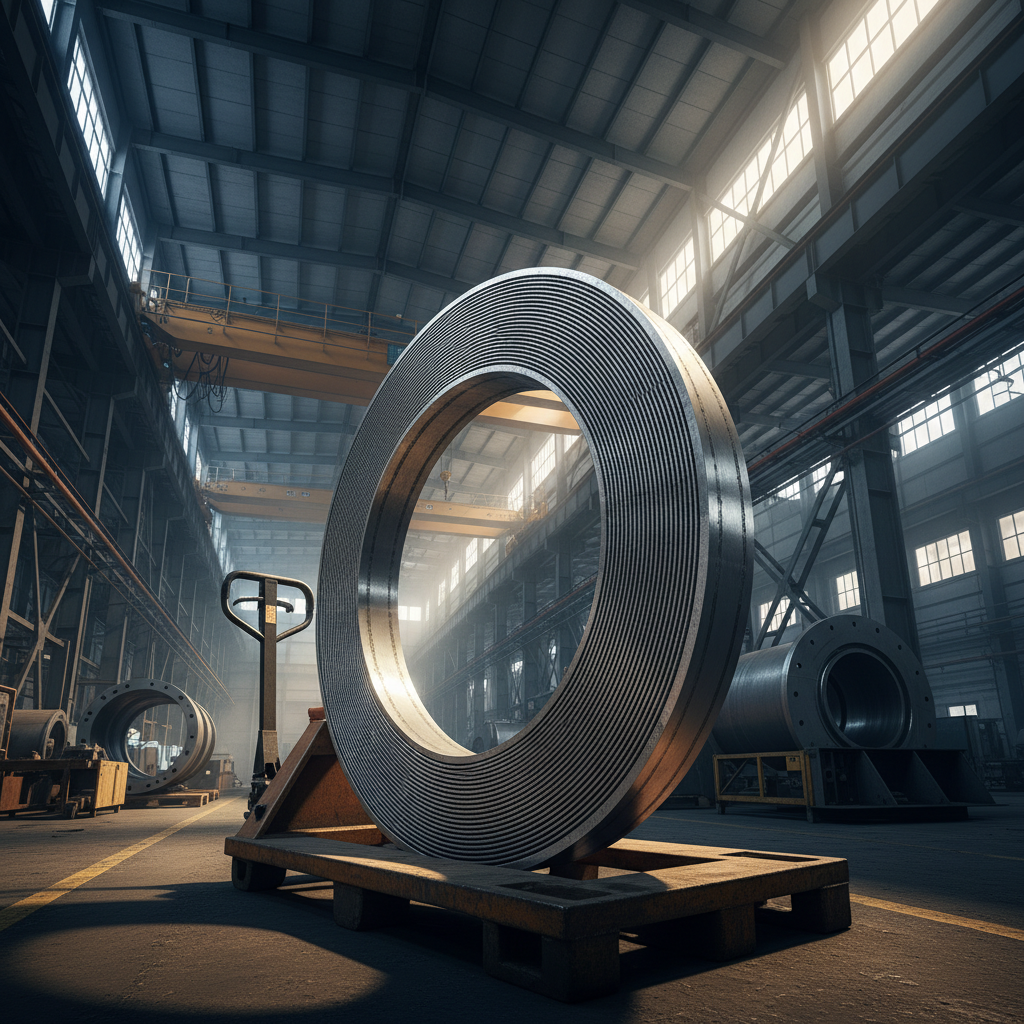
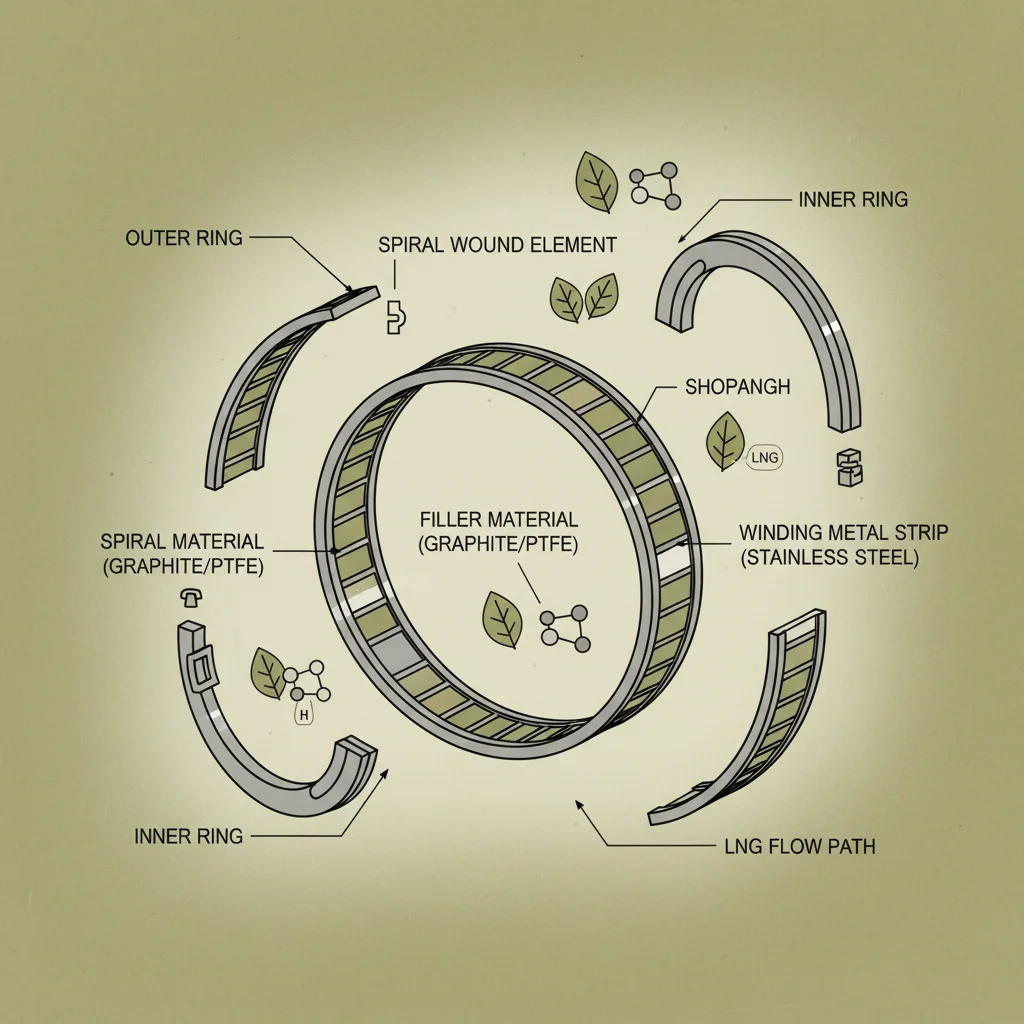
API 6FB spiral wound gaskets are engineered with a unique layered construction designed for robust sealing performance. The core of the gasket is a V-shaped metallic strip (typically stainless steel) spirally wound with a filler material. Common filler materials include graphite, PTFE, and ceramic fibers, each offering distinct properties suitable for various applications. This spiral construction allows the gasket to conform to flange irregularities, creating a tight seal even under fluctuating temperatures and pressures. Outer centering rings, usually made of carbon steel or stainless steel, maintain the gasket's shape and position during installation. The quality of materials and precise winding are critical to the gasket’s effectiveness.
Key Features and Benefits of Using API 6FB Gaskets
The widespread adoption of API 6FB spiral wound gaskets stems from their numerous advantages. They excel in high-temperature and high-pressure applications, providing a reliable seal in challenging conditions. Their ability to conform to flange surface imperfections minimizes leakage potential. Moreover, their resilience allows them to withstand thermal cycling and pressure variations without significant degradation. The availability of various filler materials enables customization to suit specific fluid compatibility requirements. Compared to other gasket types, spiral wound gaskets often offer a longer service life, reducing maintenance costs and downtime.
Key Benefits: Excellent resilience, high-temperature/pressure resistance, adaptability to flange imperfections, long service life, customizable filler materials.
Choosing the Right Filler Material for Your Application
Selecting the appropriate filler material is paramount to ensuring optimal gasket performance. Graphite fillers offer excellent temperature resistance and chemical compatibility, making them ideal for steam, hydrocarbons, and various aggressive media. PTFE fillers provide superior chemical resistance and low friction, suitable for corrosive fluids and applications requiring minimal bolt loading. Ceramic fiber fillers offer exceptional thermal stability and are often used in high-temperature, non-corrosive applications. Carefully consider the process fluid, temperature, pressure, and potential chemical interactions when choosing the filler material. HTMF provides expert guidance on material selection for your specific needs.
Filler Material Comparison:
• Graphite: Excellent temperature resistance, broad chemical compatibility.
• PTFE: Superior chemical resistance, low friction.
• Ceramic Fiber: Exceptional thermal stability, suitable for high-temperature applications.
API 6FB Spiral Wound Gasket Specifications & Comparisons
Understanding the specifications of API 6FB spiral wound gaskets is essential for proper selection and installation. Key specifications include gasket diameter, bolt circle diameter, and gasket thickness. The following table illustrates a comparison of common gasket materials and their properties:
Applications in Various Industries
API 6FB spiral wound gaskets find widespread application across diverse industries. In the oil and gas sector, they seal pipelines, wellheads, and refining equipment. The petrochemical industry utilizes them in chemical processing plants. Power generation facilities rely on them for boiler gaskets and turbine seals. They are also common in pulp and paper mills, water treatment plants, and various other industrial applications requiring robust sealing performance. GZHTMF caters to these diverse needs, providing tailored gasket solutions.

Proper Installation and Maintenance for Long-Term Reliability
Correct installation is crucial for maximizing the lifespan and performance of API 6FB spiral wound gaskets. Ensure the flange surfaces are clean, smooth, and free from damage. Use the appropriate bolt torque as specified by the flange manufacturer. Inspect the gasket for any signs of damage before installation. Regular maintenance, including periodic bolt tightening and visual inspection for leaks, helps prevent premature failure. Adhering to proper installation and maintenance procedures will ensure long-term sealing reliability and minimize operational disruptions.
Conclusion: Ensuring Sealing Integrity with API 6FB Gaskets
Investing in high-quality API 6FB spiral wound gaskets from a reputable supplier like GZHTMF is a critical step in maintaining operational safety and efficiency. By understanding their construction, benefits, and proper installation procedures, you can ensure reliable sealing performance and minimize costly downtime. Prioritizing sealing integrity is essential for the long-term success of your operations.
Frequently Asked Questions (FAQs)
What is the typical service life of an API 6FB spiral wound gasket?
The service life of an API 6FB spiral wound gasket depends on several factors, including the operating temperature, pressure, fluid compatibility, and the quality of the gasket materials. Generally, a properly installed and maintained gasket can last between 2 to 5 years. However, in severe service conditions, it may require replacement more frequently. Regular inspection for signs of degradation, such as swelling, cracking, or loss of resilience, is crucial to determining when replacement is necessary. Following the manufacturer's recommendations and adhering to proper installation procedures can significantly extend the gasket's lifespan.
How do I determine the correct gasket diameter?
The correct gasket diameter is crucial for proper sealing. It should match the inner diameter of the flange. However, it's important to consider the flange's raise or pitch, which is the height of the flange lip. The gasket must be sized to accommodate this raise and provide sufficient compression. Consult the flange manufacturer’s specifications or a gasket specialist to determine the appropriate diameter for your specific flange configuration. Using a gasket that is too small or too large can lead to leakage and system failure.
What are the benefits of using a gasket with a PTFE-wrapped outer ring?
A PTFE-wrapped outer ring offers several advantages. PTFE has a very low coefficient of friction, reducing the risk of the gasket sticking to the flange surface during installation or thermal cycling. This can simplify future maintenance and prevent damage to the flange. The PTFE wrapping also provides a barrier against corrosion, protecting the metal windings from aggressive media. It enhances the gasket's overall performance and extends its service life.
Are API 6FB gaskets suitable for cryogenic applications?
While API 6FB gaskets can be used in some cryogenic applications, careful material selection is crucial. Standard materials may become brittle at extremely low temperatures. Specialized materials, such as certain grades of stainless steel and PTFE, are required to maintain flexibility and sealing integrity in cryogenic environments. Consult with a gasket specialist to ensure the chosen materials are suitable for the specific cryogenic application and temperature range.
Related Posts
-
Grafilit EM Revolutionizing Rapid Deployment and Modular Construction Solutions
-
KLINGER softchem gasket Advanced Sealing Solutions for Diverse Industries
-
DONIFLON 2020 gasket Revolutionizing Sealing Performance Across Industries
-
Reliable Spiral Wound Gasket Solutions for LNG and Industrial Applications
Updated:

Daniel Garcia
Daniel Garcia is the Logistics and Supply Chain Manager at HUITE Sealing. He ensures timely and efficient delivery of our gaskets to clients worldwide. With 12 years of experience in international logistics, Daniel manages all aspects of our supply chain, from raw material sourcing to final product delivery. He is adept at navigating complex import/export regulations and optimizing transportation costs. Daniel is critical in guaranteeing consistent availability of genuine KLINGER and DONIT sheets for our gasket production.


