Guangzhou Huite Sealing Machinery Co., Ltd.




0%
Introduction
When sourcing industrial sealing components, engineers often face a critical trade-off between immediate cost and long-term operational reliability. The search for a reliable gasket chinese manufacturer typically begins with a need for high-precision components that can withstand extreme pressures and corrosive environments without premature failure. Whether it is a petrochemical refinery or a marine engine room, the integrity of the seal determines the safety of the entire system.
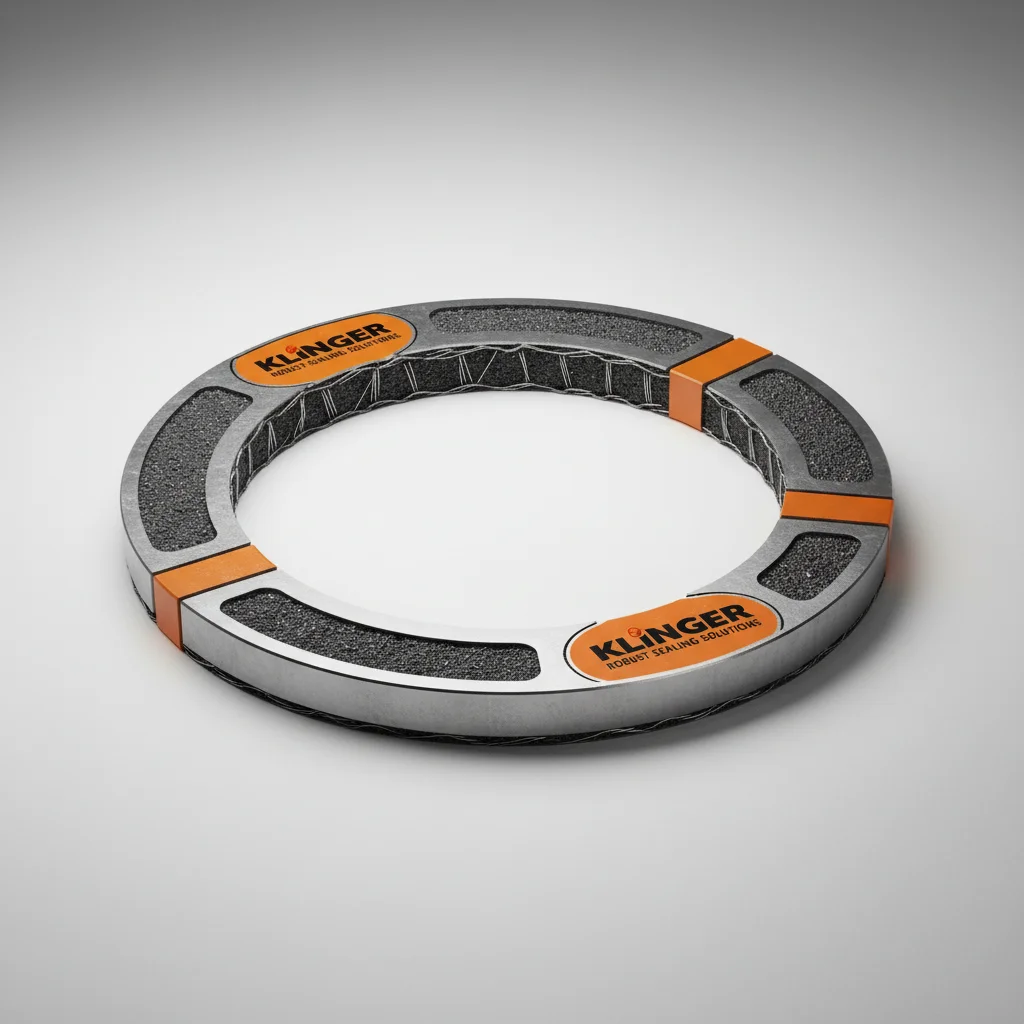
The complexity of modern industrial applications means that a generic sealing solution is rarely sufficient. Professionals require specific materials, such as non-asbestos, PTFE, or reinforced graphite, tailored to the exact chemical and thermal profiles of their operation. This is where the technical capability of a manufacturer becomes paramount, as the ability to process genuine KLINGER or DONIT sheets ensures that the resulting gaskets meet rigorous international safety and performance standards.
Understanding the nuances of material selection and manufacturing precision is essential for reducing unplanned downtime and maintenance costs. This guide analyzes the technical criteria for selecting high-performance sealing solutions and explores how a professional gasket chinese manufacturer integrates certified materials with ISO-standard production to deliver reliable industrial sealing kits.

Fundamentals of Industrial Sealing Systems

Industrial gaskets function as the primary barrier between two stationary flanges, designed to fill the microscopic irregularities of the mating surfaces. By applying a controlled compressive load, the gasket material flows into these irregularities, creating a leak-proof seal that prevents the escape of hazardous fluids or gases. This process is fundamental to the integrity of piping systems in high-pressure environments.
The efficacy of a seal depends on the balance between the material's compressibility and its recovery rate. If a material is too hard, it may not fill the flange gaps; if it is too soft, it may suffer from "creep" or blowout under pressure. Professional manufacturers utilize precision cutting and forming techniques to ensure that every gasket maintains a consistent thickness and surface flatness across its entire diameter.
Key Material Determinants for Gasket Performance
The selection of raw materials is the most critical factor in determining the lifespan of a seal. For high-temperature applications, reinforced graphite is often the preferred choice due to its exceptional thermal stability and resistance to oxidation. Conversely, PTFE gaskets are utilized when extreme chemical inertness is required, as they can withstand almost all acids and bases without degrading.
Spiral wound gaskets offer a different mechanical approach, combining a metallic winding with a soft filler material. This construction allows the gasket to act like a spring, maintaining the seal even during thermal cycling where the flanges expand and contract. This resilience is vital for power generation and oil and gas pipelines where temperature fluctuations are frequent and severe.
Non-asbestos gaskets have become the industry standard for general-purpose sealing. By using advanced synthetic fibers and binders, these materials provide the compressive strength of traditional asbestos while eliminating health risks. The quality of these gaskets depends heavily on the source of the sheets; utilizing genuine KLINGER or DONIT materials ensures the binder does not degrade under operational stress.
Evaluating the Operational Value of Certified Materials
The value of using certified materials is most evident during unplanned shutdown analysis. Low-grade gaskets often fail through chemical degradation or mechanical crushing, leading to leaks that necessitate immediate system depressurization. Certified materials, however, are engineered to maintain their structural integrity across a wider range of pressures and temperatures.
Operational reliability is directly proportional to material traceability. Using genuine sheets from authorized distributors prevents the risk of material substitution, ensuring that the gasket's actual performance matches its technical datasheet and API safety certifications, such as the API 6FB fire test.
Ultimately, the investment in higher-quality materials reduces the Total Cost of Ownership (TCO). While the initial purchase price may be higher, the extended service interval and the reduction in leak-related environmental fines or safety incidents provide a significant return on investment for plant operators.
Comparing Sealing Efficiency Across Material Types
Different gasket materials perform differently depending on the primary stressor—be it temperature, chemical aggression, or mechanical pressure. For example, while PTFE is unmatched in chemical resistance, it lacks the high-pressure blow-out resistance of a Spiral Wound Gasket. Understanding these trade-offs is essential for precise specification.
The following data represents a relative performance index across common industrial sealing materials. This comparison helps engineers visualize which material to prioritize based on the specific demands of the application, such as high-heat endurance versus chemical stability.
Relative Performance Index by Material
Critical Application Scenarios in Heavy Industry
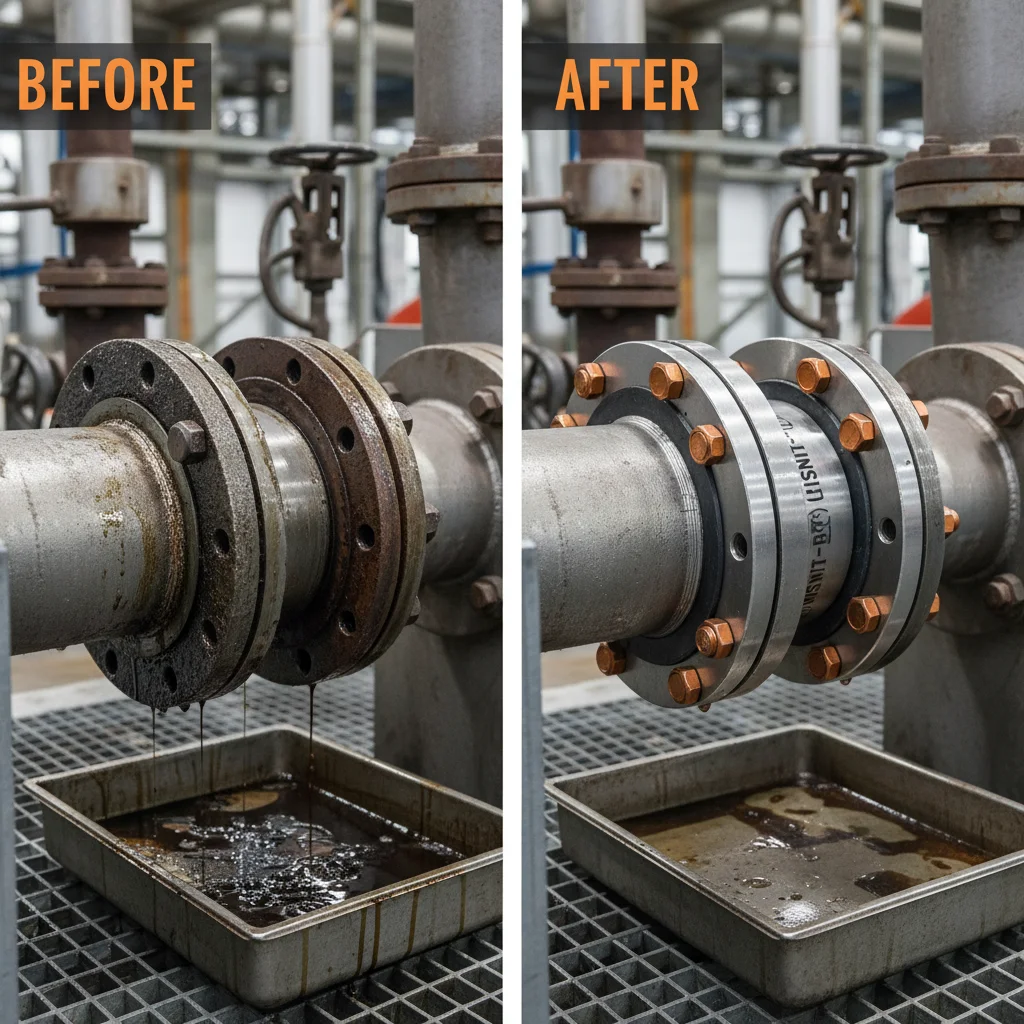
In the shipbuilding and marine engineering sectors, gaskets must withstand not only high pressures but also the corrosive effects of saltwater and constant vibration. Flange insulation gasket kits are particularly critical here, as they prevent galvanic corrosion by electrically isolating the piping components, thereby extending the lifespan of the entire vessel's plumbing.
In chemical and pulp and paper plants, the priority shifts toward chemical compatibility. Gaskets must be resistant to caustic soda, bleaching agents, and various solvents. The use of PTFE or high-grade non-asbestos gaskets ensures that the seals do not soften or dissolve, which would otherwise lead to hazardous leaks in the production line.
Evolution of Non-Asbestos Sealing Technology
The transition away from asbestos was driven by global health regulations, but it also spurred innovation in material science. Modern non-asbestos gaskets utilize a blend of aramid fibers, carbon, and synthetic elastomers. These composites are engineered to mimic the compressibility of asbestos while improving resistance to oils and fuels.
Current trends focus on the integration of reinforced graphite with non-asbestos cores. This hybrid approach allows for higher temperature limits while maintaining the ease of installation associated with sheet gaskets. The goal is to create a "universal" seal that can handle a wider variety of fluids without requiring a change in material during plant upgrades.
Furthermore, precision manufacturing has evolved. The use of CNC cutting and automated inspection ensures that the tolerances of every gasket are within microns. This precision reduces the need for excessive bolt torque, which in turn protects the flange surfaces from deformation and reduces the risk of bolt failure during installation.
Overcoming Common Installation and Leakage Challenges
Most gasket failures are not caused by material defects but by improper installation. Over-torquing a gasket can lead to "crushing," where the material is squeezed out of the flange face, leaving no remaining seal. Conversely, under-torquing fails to create the necessary compressive load to seal the surface irregularities.
Environmental contamination of the flange face is another common cause of failure. Even small particles of rust or old gasket residue can create leak paths. Professional installation requires a clean, smooth surface and the use of a calibrated torque wrench to ensure the load is applied evenly in a star pattern.
For those evaluating a gasket chinese manufacturer, the ability to provide technical support and a comprehensive product range—from standard to non-standard sizes—is a key indicator of quality. A one-stop solution that includes the correct gaskets and matching insulation kits reduces the risk of compatibility errors during assembly.
Material Selection Guide for Industrial Applications
| Material Type | Temp Resistance | Chemical Stability | Best Use Case |
|---|---|---|---|
| Spiral Wound | Very High | Moderate | High Pressure Pipes |
| PTFE | Moderate | Excellent | Chemical Processing |
| Reinforced Graphite | Excellent | High | Steam/Heat Exchangers |
| Non-Asbestos | Moderate | Moderate | General Water/Oil |
| Rubber | Low | Low | Low Pressure/Water |
| Insulation Kit | Moderate | High | Corrosion Prevention |
Frequently Asked Questions
How do I choose between a spiral wound and a sheet gasket?
The choice depends on the operating pressure and temperature. Spiral wound gaskets are designed for high-pressure, high-temperature environments and offer better resilience against thermal cycling. Sheet gaskets, such as PTFE or non-asbestos, are better suited for lower pressure applications or where extreme chemical resistance is the priority. For critical high-pressure flanges, spiral wound is the safer, more durable option.
Why is it important to use genuine KLINGER or DONIT sheets?
Genuine sheets provide guaranteed material properties and consistent performance. Uncertified materials often have inconsistent binder distributions or impurities, which can lead to premature degradation or sudden blowout under pressure. Using authorized materials ensures that the gasket meets the safety ratings and pressure limits specified in the technical documentation, reducing the risk of catastrophic failure.
What is the purpose of a flange insulation gasket kit?
These kits are used to electrically isolate the piping system to prevent galvanic corrosion. When two different metals are connected in a conductive environment (like saltwater), an electrical current flows, causing the metal to corrode rapidly. Insulation kits break this circuit, protecting the infrastructure and extending the service life of the piping system in marine and offshore environments.
Can reinforced graphite gaskets replace non-asbestos gaskets?
In many high-temperature scenarios, yes, because graphite has superior thermal stability. However, reinforced graphite is generally more fragile and can be easily damaged during installation if not handled correctly. Non-asbestos gaskets are more robust for general-purpose use and are typically more cost-effective for applications where extreme heat is not a factor.
How can I prevent "creep" or blowout in my sealing systems?
To prevent blowout, ensure the material's pressure rating exceeds the maximum possible system surge. To prevent creep (the gradual deformation of the gasket), select a material with high recovery and creep resistance, such as a spiral wound gasket or a reinforced composite. Additionally, using a calibrated torque wrench to apply the correct bolt load is essential for maintaining a stable seal over time.
What certifications should I look for in a gasket manufacturer?
Look for ISO 9001:2015 for quality management, as this ensures consistent production processes. For safety and environmental standards, ISO 14001 and ISO 45001 are important. For specific product performance, check for API (American Petroleum Institute) certifications, such as the API 6FB fire test, which proves the gasket can maintain a seal even during a fire event.
Conclusion
Maintaining industrial integrity requires a precise approach to sealing, where material science meets mechanical precision. By focusing on certified materials, proper selection based on operational stressors, and rigorous installation standards, companies can significantly reduce the risk of hazardous leaks and costly downtime. The shift toward high-performance non-asbestos and composite materials continues to drive efficiency and safety across the global manufacturing landscape.
Whether you are managing a power plant or a marine vessel, partnering with a manufacturer that combines technical expertise with certified raw materials is the most effective way to ensure system longevity. For professional guidance on selecting the right sealing solutions for your specific project requirements, you can explore the comprehensive product range available at https://www.gzhtmf.com.


Updated:

Christopher Lee
Christopher Lee is a Product Development Engineer at HUITE Sealing, specializing in innovative sealing technologies. He has 5 years’ experience in designing and testing new gasket materials and configurations. Christopher is passionate about improving gasket performance for challenging applications in the Chemical and Pulp & Paper industries. He led the development of our latest flange insulation gasket kits, enhancing thermal management for critical process equipment. He holds a Master’s degree in Engineering and is actively involved in research and development.


