Guangzhou Huite Sealing Machinery Co., Ltd.



0%
You know, after running around construction sites all year, dealing with dust, and smelling all kinds of materials, I’ve seen a lot. Lately, everyone’s talking about better sealing, smaller footprints, and, of course, making everything ‘smart’. It’s all about reliability, right? If a gasket fails, the whole line goes down. Costs money, causes headaches…
To be honest, a lot of people underestimate just how brutal these environments are. They design things on computers, in labs…it’s a different world. I encountered this at a petrochemical plant in Tianjin last time – a supposedly ‘high-performance’ gasket just dissolved in the solvent. Dissolved! Turns out the spec sheet didn't account for that specific solvent concentration. That's where real-world testing comes in.
We’re talking about spiral wound gaskets primarily, of course. Been around forever, but still the workhorse.
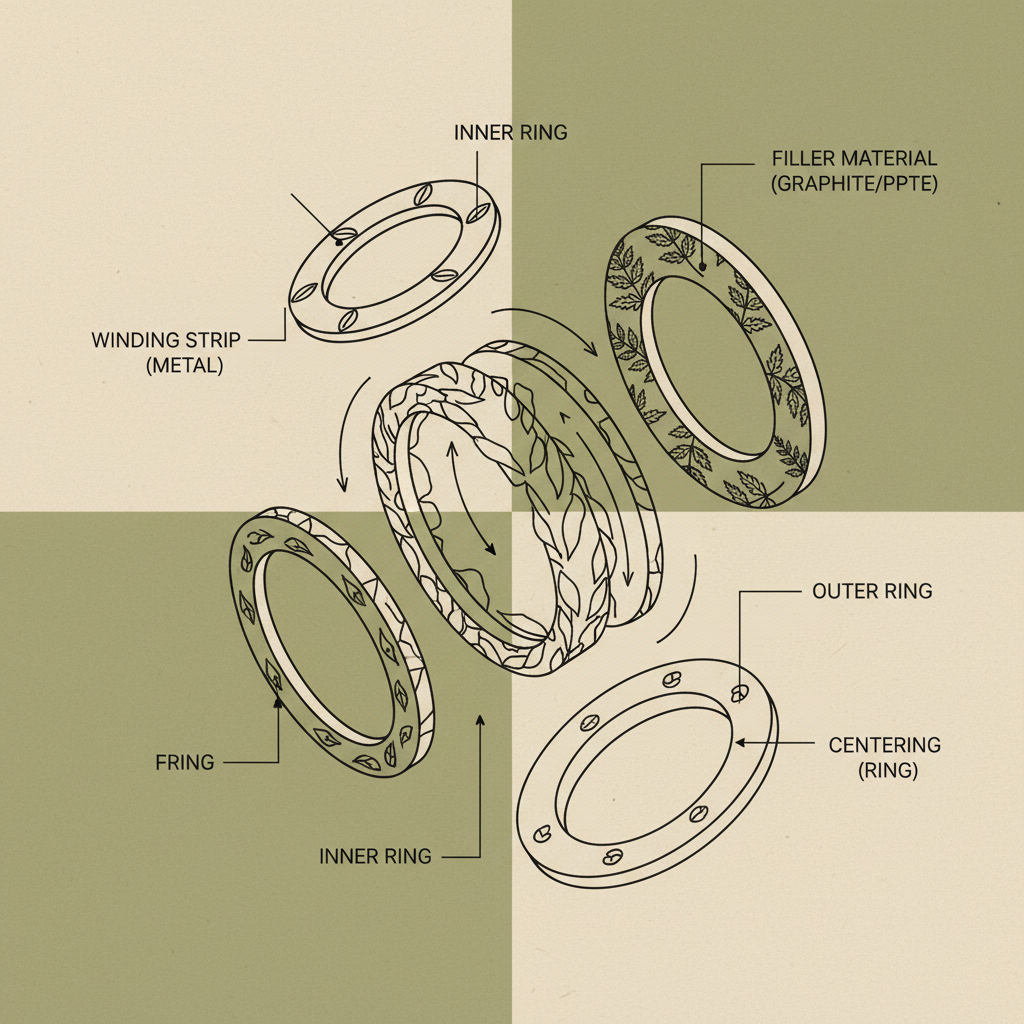
Table of Contents [Hide]
The Current Landscape of Spiral Wound Gaskets

Have you noticed the push for thinner materials? Everyone wants to reduce weight, save space, but that often means sacrificing some robustness. There’s a lot of talk about PTFE versus graphite, different winding configurations...it’s all about finding that sweet spot between cost, performance, and the specific application. And now there's this whole thing with camprofile gaskets coming in, trying to steal their thunder.
It's a competitive market. Pressure is on to deliver faster, cheaper, and better. It's honestly exhausting sometimes.
FAQS
What's the lifespan of a typical spiral wound gasket in a standard pipeline?
That’s a tricky one. It heavily depends on the media, temperature, pressure, and how well it was installed. Generally, you can expect 2-5 years, but in harsher environments, it could be as little as 6 months. Proper maintenance and regular inspections are crucial for extending the lifespan. Don’t wait for it to leak – proactively check for signs of deterioration.
Can spiral wound gaskets be reused?
Honestly, I wouldn’t recommend it. Even if it looks okay, the sealing elements can be compressed and damaged during removal. Reusing a gasket is a gamble, and it’s usually not worth the risk of a leak or system failure. It's a false economy. Just replace it.
What's the difference between a standard spiral wound gasket and a camprofile gasket?
Camprofile gaskets are designed for low flange load applications and can seal warped or damaged flanges. They’ve got a solid metal core with a cam profile for enhanced sealing. Standard spiral wound gaskets rely on flange compression. Camprofile’s are getting popular, but they’re more expensive. It depends on your specific application.
How do I determine the correct gasket width for my application?
Gasket width depends on the flange gap and the pressure. Wider gaskets are generally better for higher pressures and larger flange gaps. There are formulas you can use, but it's best to consult with a gasket specialist. They can help you choose the right width to ensure a reliable seal. Overlooking this can lead to significant issues.
Are there any specific tools needed for installing a spiral wound gasket?
A clean, smooth surface on the flanges is the most important tool. Beyond that, you’ll need a torque wrench to ensure proper bolt load. Avoid using sharp objects to scrape off old gasket material – you don’t want to damage the flange surface. A soft scraper or solvent is the way to go.
How does temperature affect the performance of a spiral wound gasket?
Temperature can significantly impact performance. High temperatures can cause creep and reduce the gasket's ability to maintain a seal. Low temperatures can make the gasket brittle and prone to cracking. Choose materials that are rated for the expected temperature range and consider using a gasket with a wider temperature range if fluctuations are likely.
Conclusion
Ultimately, a spiral wound gasket is only as good as its installation and the conditions it’s operating under. We can design the best gasket in the world, use the finest materials, but if it’s mishandled or subjected to extreme conditions beyond its capabilities, it will fail. It’s a simple concept, really.
But don’t underestimate their value. They’re a reliable, cost-effective solution for a wide range of sealing applications. And with a little bit of knowledge and attention to detail, you can ensure they perform flawlessly for years to come. So, if you're ever on a site and you see a leak, remember – the worker tightening the screw will know whether it’s a good gasket or not.
Related Posts
-

KLINGER topchem 2003 Advanced Chemical Solutions for Industrial Efficiency
-
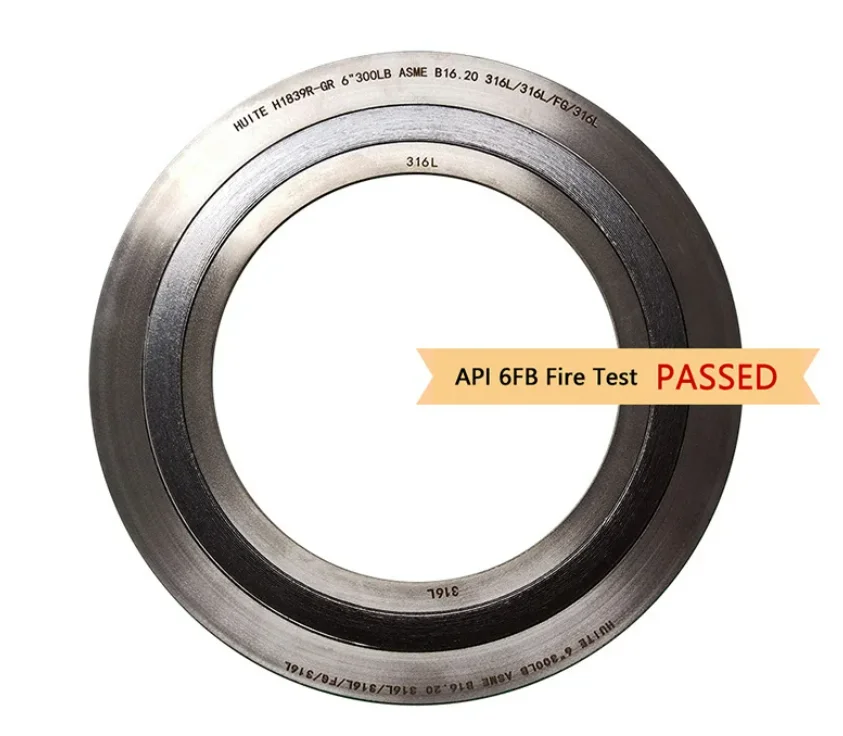
China Leading API 6FB Spiral Wound Gasket Manufacturer at the 16th Beijing International Natural Gas Technology & Equipment Exhibition
-
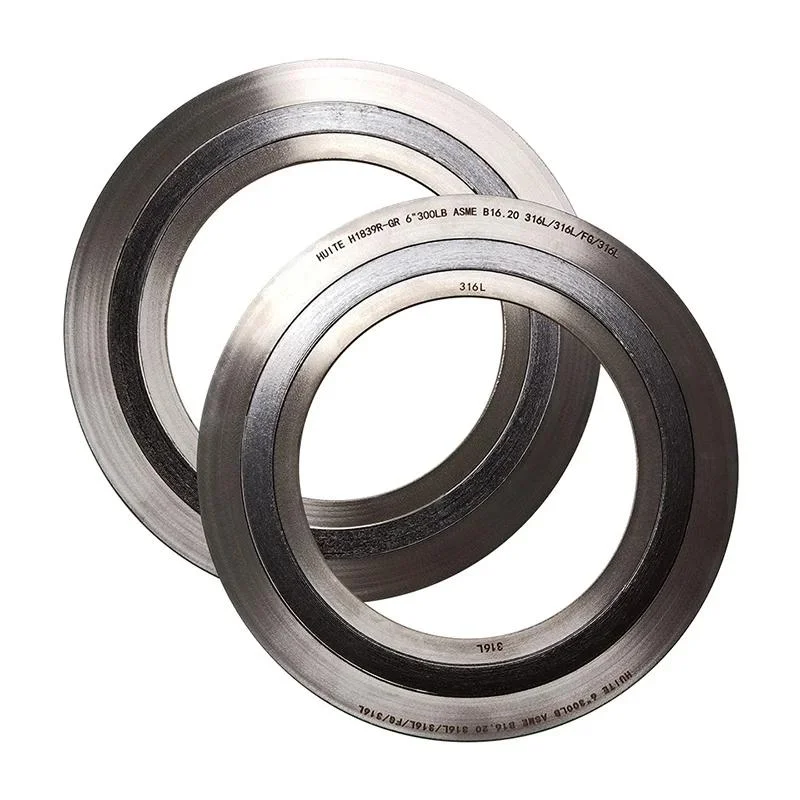
Global Leading Spiral Wound Gasket Supplier Showcasing LNG Sealing Solutions in Beijing 2026
-
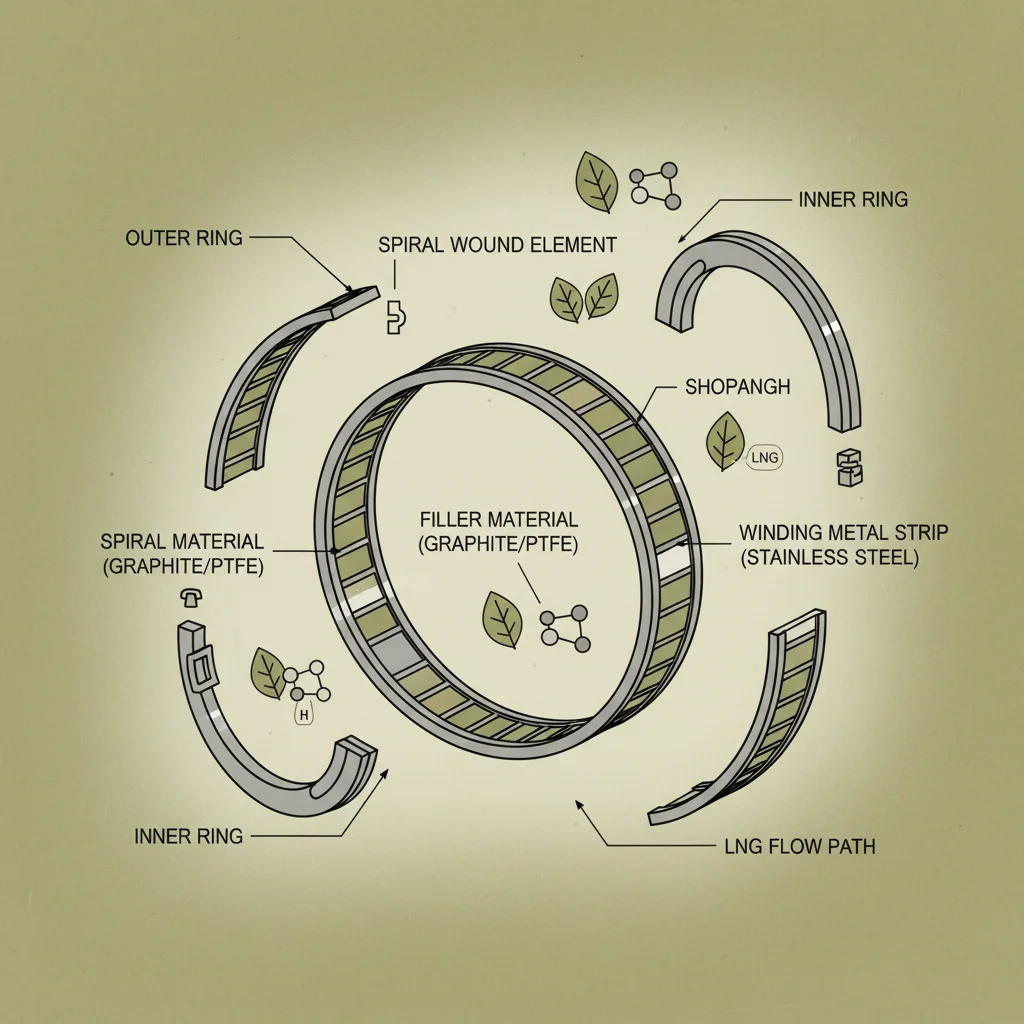
Reliable Spiral Wound Gasket Solutions for LNG and Industrial Applications
Updated:

David Miller
David Miller is a Senior Application Engineer at HUITE Sealing, bringing over 15 years of experience in industrial sealing solutions. He specializes in gasket selection and implementation for the Oil & Gas and Power Generation sectors. David holds a Bachelor’s degree in Mechanical Engineering and is a certified KLINGER specialist. He’s been instrumental in adapting our spiral wound gaskets for demanding high-pressure applications, contributing significantly to projects involving critical infrastructure. He frequently authors technical articles for industry publications and enjoys collaborating with clients to optimize their sealing performance. David is a key point of contact for complex sealing challenges.


