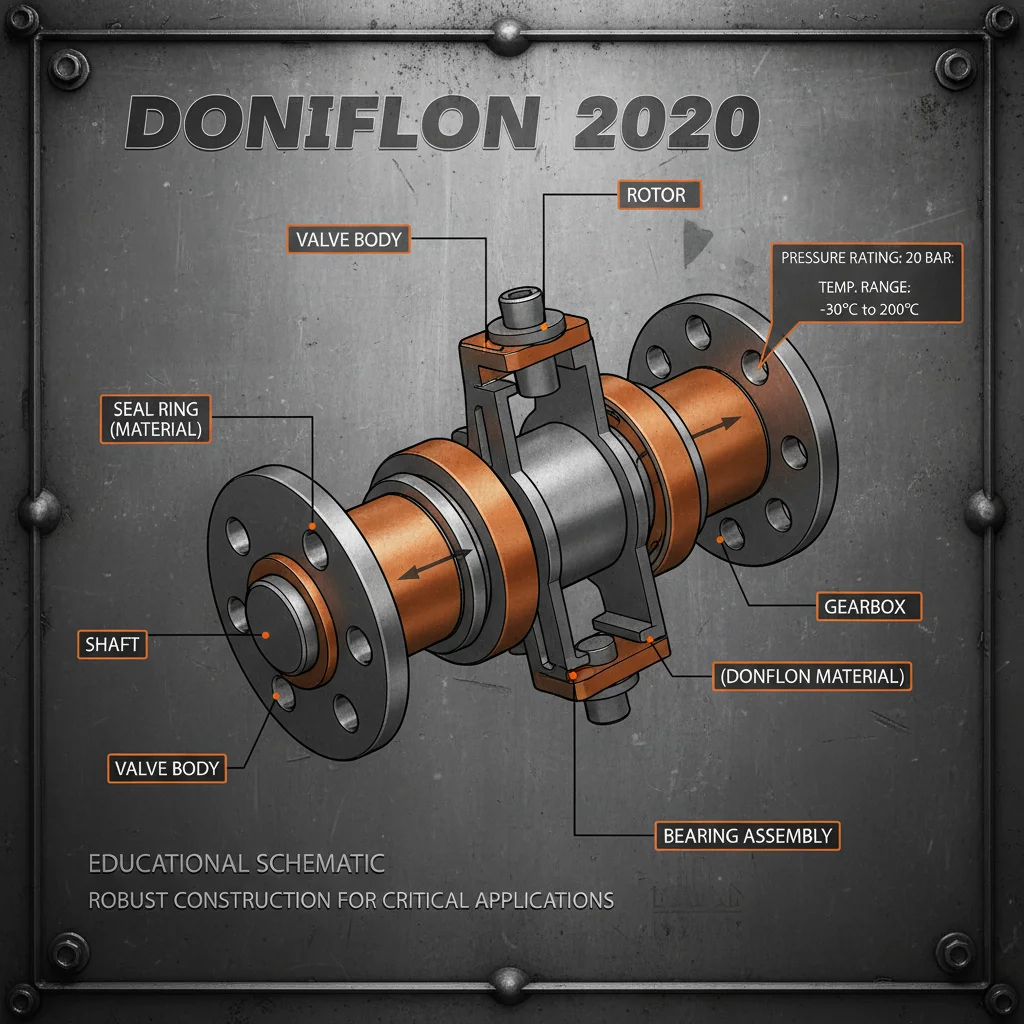
DONIT Reinforced Graphite Gasket: A Comprehensive Guide
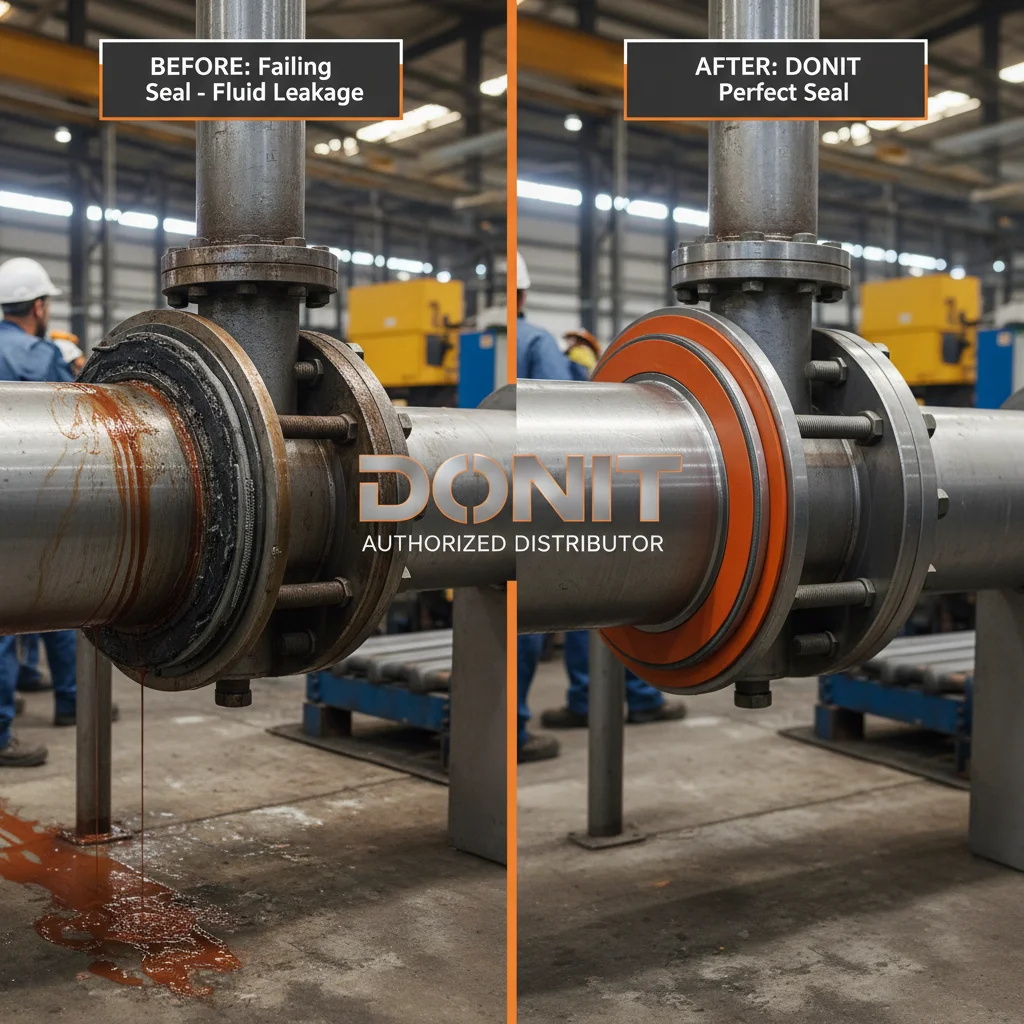
In the realm of industrial sealing solutions, the DONIT reinforced graphite gasket stands out for its reliability, performance, and versatility. These gaskets are critical components in numerous applications, ensuring leak-proof seals in challenging environments. This article provides an in-depth exploration of DONIT reinforced graphite gaskets, covering their features, benefits, applications, and key considerations for selection. Choosing the right gasket can significantly improve the efficiency and safety of industrial processes. Learn more about our gasket solutions.
Understanding DONIT Reinforced Graphite Gaskets
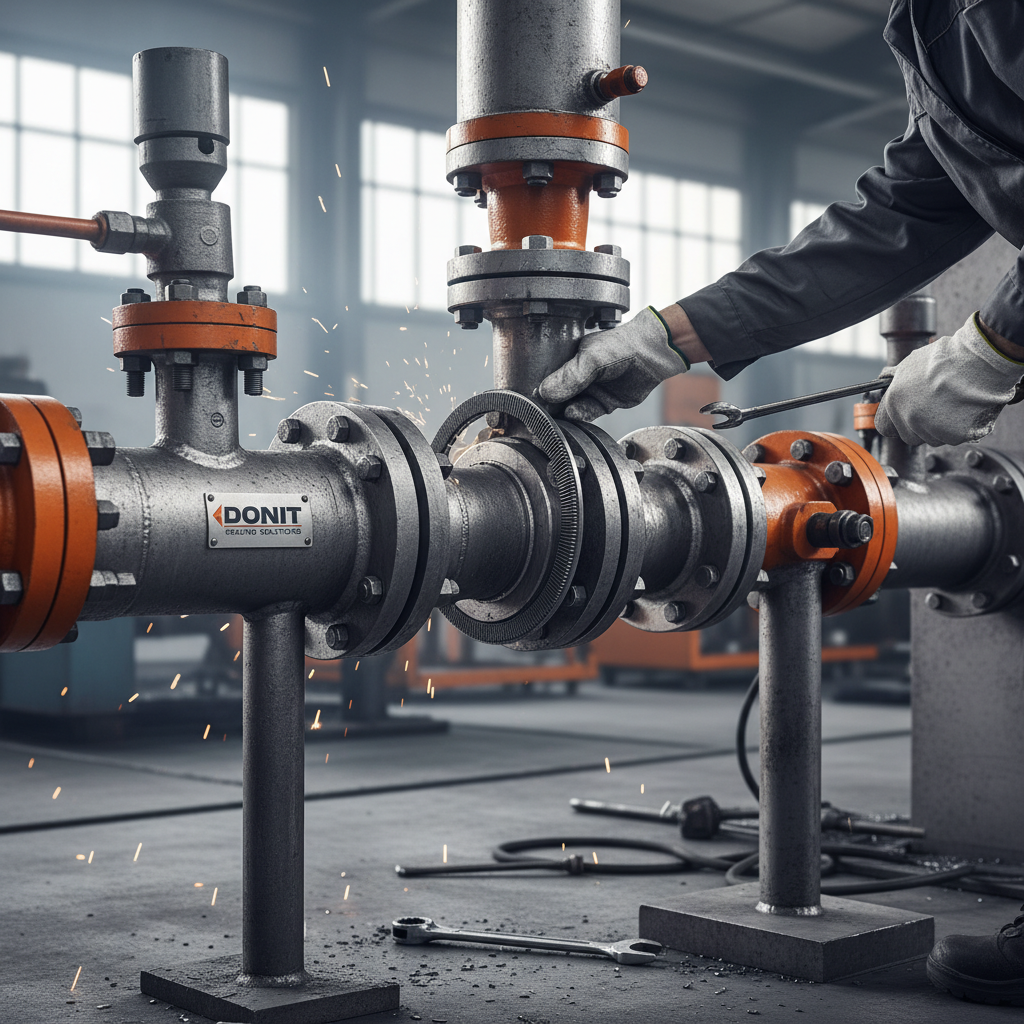
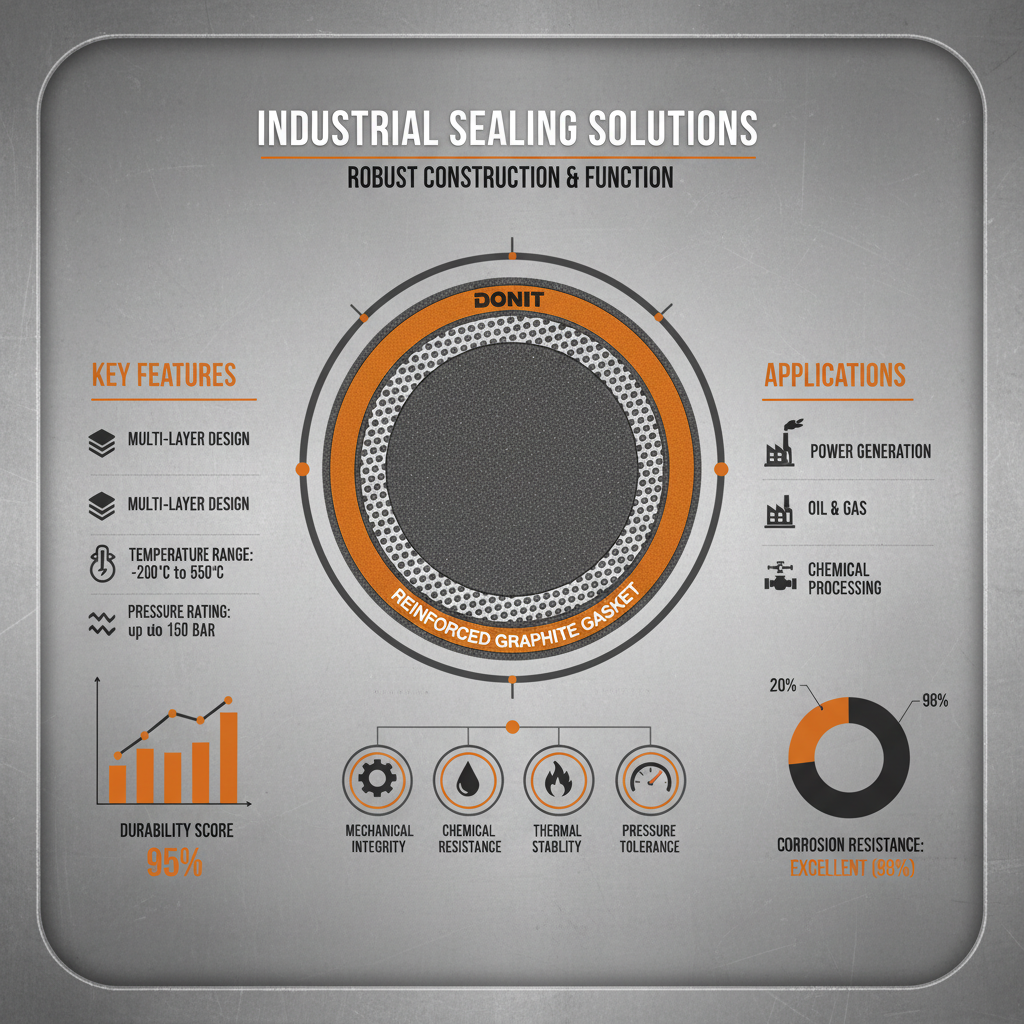
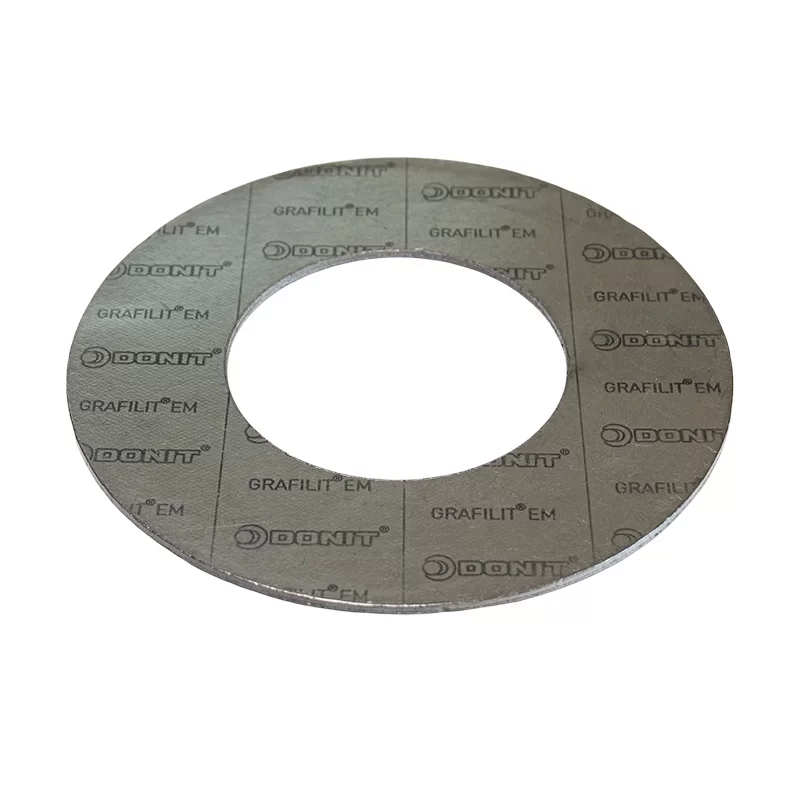
DONIT reinforced graphite gaskets are engineered with a high-purity graphite core that provides exceptional sealing capabilities. The graphite is reinforced with various materials like stainless steel foil, providing enhanced mechanical strength and resistance to blowout. This construction allows them to withstand high temperatures, pressures, and aggressive chemical environments. They are widely used in the chemical, petrochemical, power generation, and oil & gas industries. The quality of DONIT gaskets ensures long-lasting performance and minimizes downtime.
Key Highlights: High-purity graphite core, reinforced with stainless steel, exceptional sealing capabilities, withstands high temperatures and pressures, and resistant to chemical attack.
Key Benefits of Using DONIT Graphite Gaskets
The advantages of utilizing DONIT reinforced graphite gaskets are numerous. They offer excellent chemical resistance, making them suitable for a wide array of fluids and gases. Their high-temperature performance allows them to maintain sealing integrity in extreme thermal conditions. Furthermore, their resilience and compressibility conform to irregular flange surfaces, ensuring a tight seal even with imperfections. The enhanced mechanical strength provided by the reinforcement prevents gasket failure under high stress. Explore the full range of benefits on our website.
Benefits at a Glance:
• Excellent chemical resistance
• High-temperature performance
• Conformability to irregular surfaces
• Enhanced mechanical strength
DONIT Reinforced Graphite Gaskets vs. Other Gasket Materials
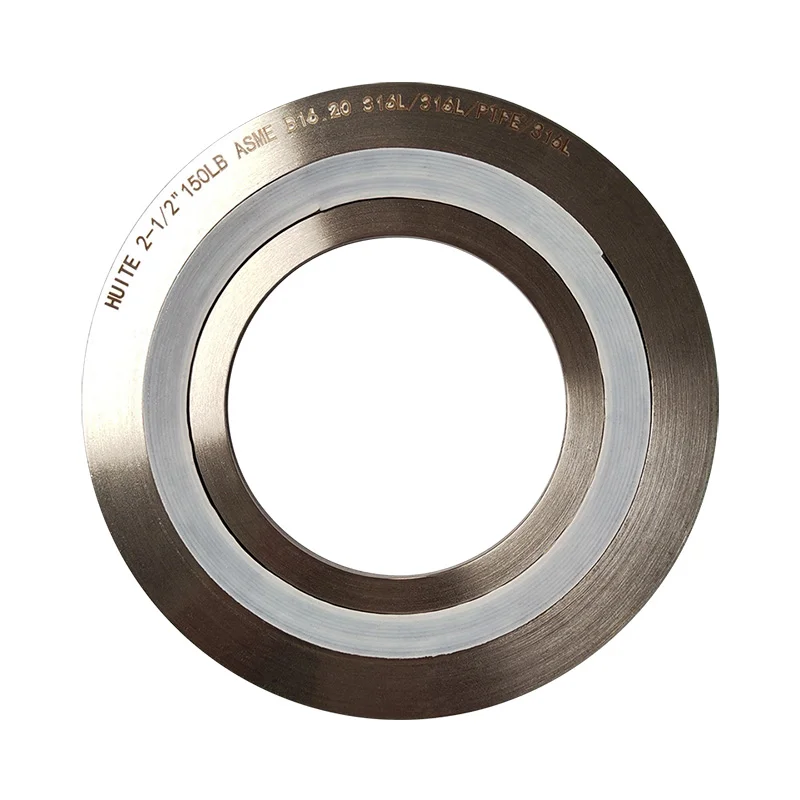
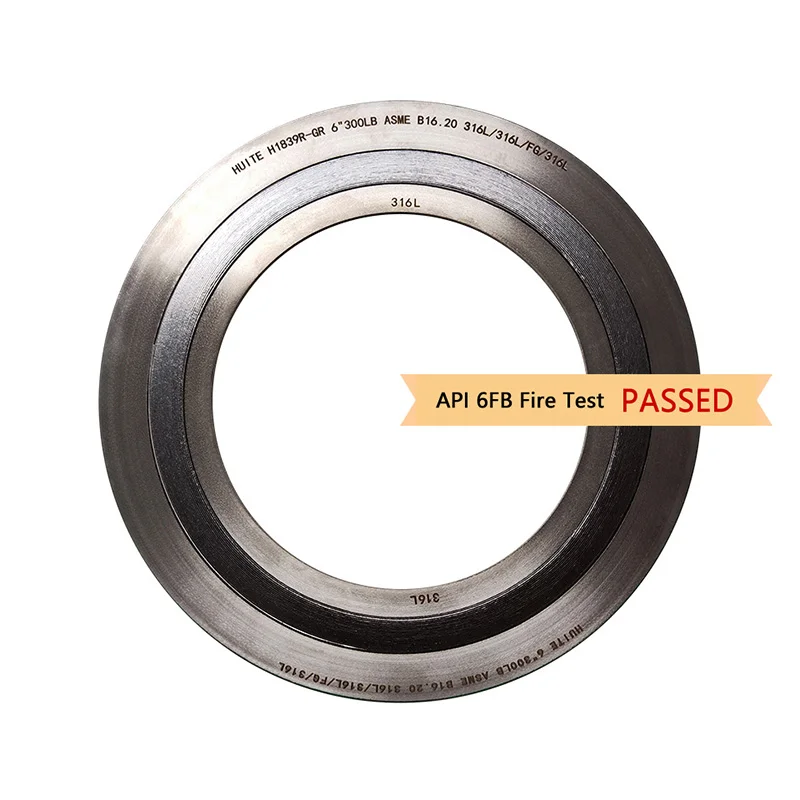
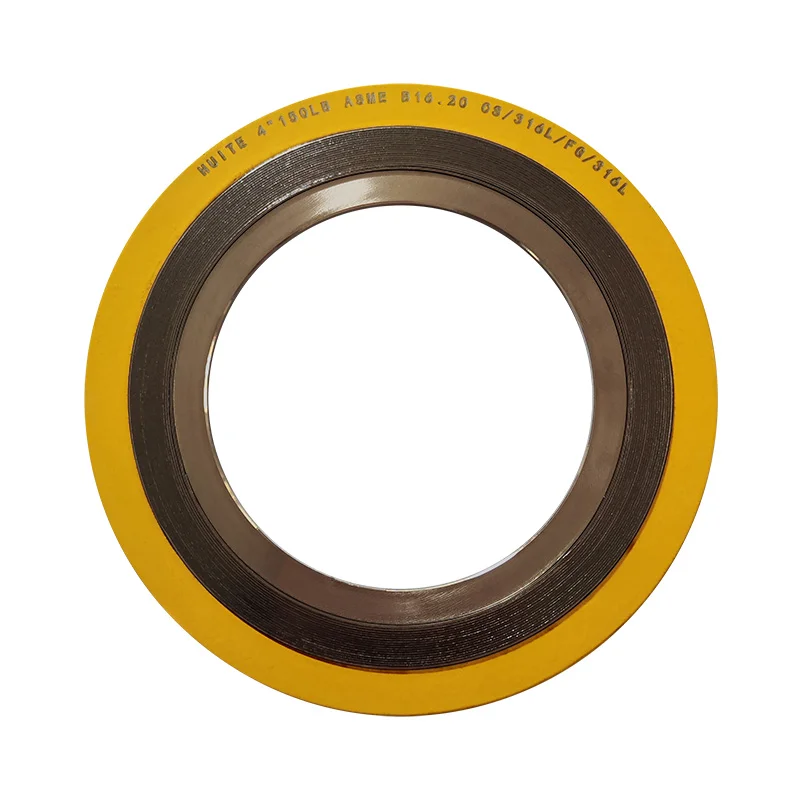
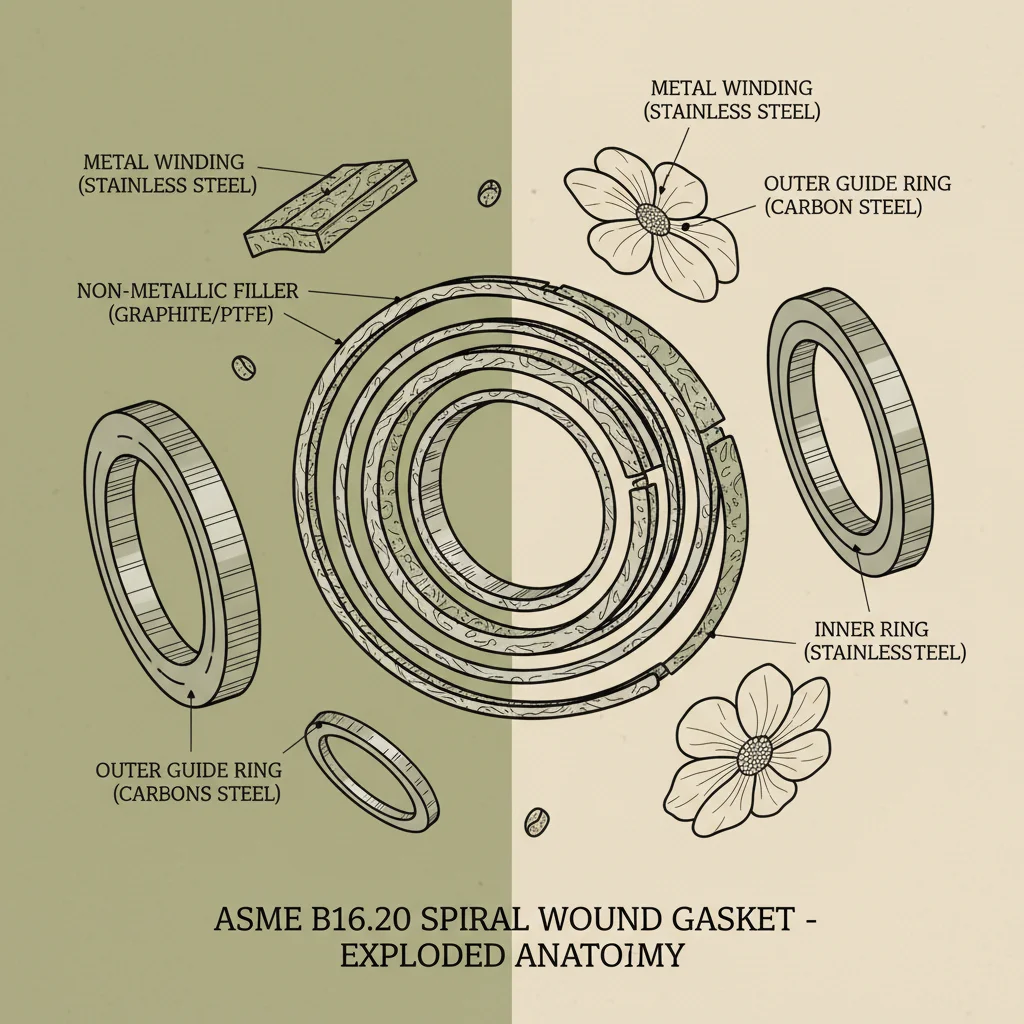
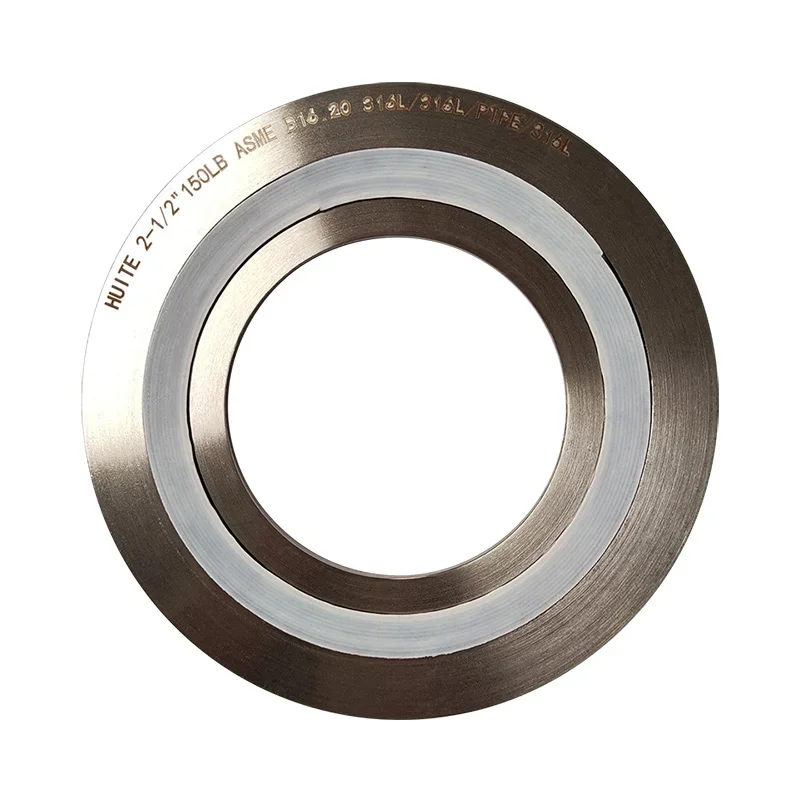
When compared to other gasket materials like rubber, PTFE, or spiral wound gaskets, DONIT reinforced graphite gaskets often outperform them in demanding applications. Rubber gaskets have limited temperature and chemical resistance, while PTFE gaskets can suffer from creep relaxation under pressure. Spiral wound gaskets are a good alternative but can be more expensive and require precise flange surface finishes. DONIT graphite gaskets provide a superior balance of properties, making them a cost-effective and reliable choice for critical sealing applications. View our comparison chart.
| Material |
Temperature Resistance |
Chemical Resistance |
Pressure Rating |
| DONIT Graphite
| Up to 600°C (1112°F) |
Excellent |
High |
| Rubber |
-20°C to 120°C (-4°F to 248°F) |
Limited |
Low to Medium |
| PTFE |
-200°C to 260°C (-328°F to 500°F) |
Good |
Medium |
| Spiral Wound |
Up to 400°C (752°F) |
Good |
High |
Applications of DONIT Graphite Gaskets
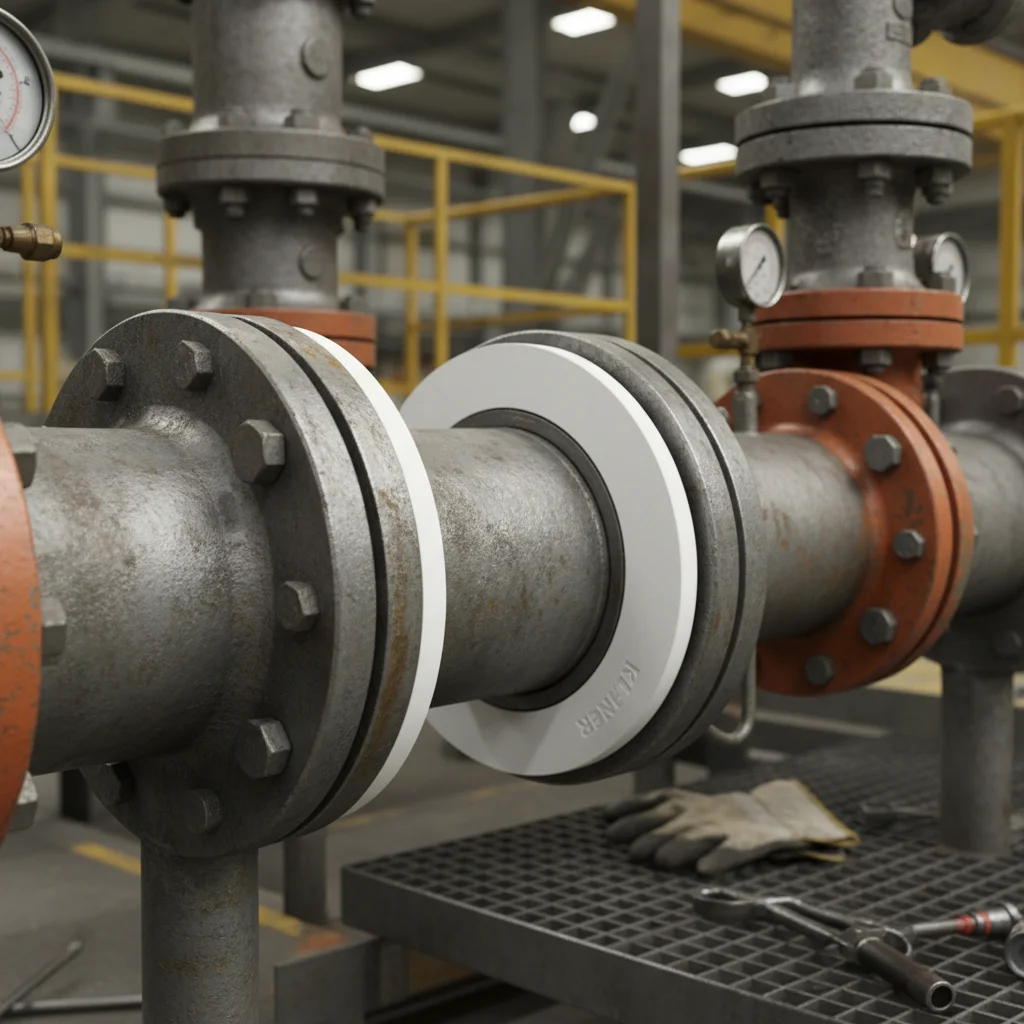
DONIT reinforced graphite gaskets are employed in a vast range of applications across diverse industries. Common uses include: flange connections in pipelines, valve bonnets, heat exchangers, pumps, and reactors. They are particularly well-suited for applications involving corrosive fluids, high temperatures, and fluctuating pressures. The oil and gas industry relies heavily on these gaskets for sealing wellheads, pipelines, and refinery equipment. Power plants use them in steam turbines and boiler systems. Discover application examples on our website.
DONIT Graphite Gasket Product Specifications
DONIT offers a variety of graphite gasket configurations to meet specific application requirements. These include standard gaskets, tongue and groove gaskets, and custom-designed gaskets. The reinforcement materials can vary, including stainless steel foil (304, 316L), carbon steel, and other alloys. The gasket thickness and width are also customizable. We adhere to strict quality control measures to ensure consistent performance and reliability. Here are some common specifications:
| Specification |
Details |
| Material |
High-Purity Graphite with Stainless Steel Reinforcement |
| Temperature Range |
-200°C to 600°C (-328°F to 1112°F) |
| Pressure Rating |
Up to 200 Bar (2900 PSI) |
| Density |
1.5 - 1.8 g/cm³ |
Conclusion: Choosing the Right Gasket for Optimal Performance
Investing in high-quality DONIT reinforced graphite gaskets is a strategic decision that can significantly enhance the reliability and efficiency of your operations. Their exceptional performance characteristics make them ideal for challenging industrial applications. Contact us today to discuss your specific sealing needs and discover the perfect gasket solution for your requirements.
Frequently Asked Questions (FAQs)
What is the typical lifespan of a DONIT graphite gasket?
The lifespan of a DONIT reinforced graphite gasket is dependent on several factors including operating temperature, pressure, the chemical compatibility of the media, and the frequency of thermal cycling. However, under normal operating conditions, these gaskets typically provide reliable service for 3-5 years. Regular inspections are crucial to identify any signs of degradation, such as cracking, erosion, or loss of compression. Replacing the gasket proactively can prevent costly leaks and downtime.
Are DONIT graphite gaskets suitable for food-grade applications?
While graphite itself is inert, the suitability of DONIT graphite gaskets for food-grade applications depends on the specific reinforcement material used. Stainless steel 316L is generally considered acceptable for many food and beverage applications. However, it’s essential to verify that the gasket meets the specific regulatory requirements and standards for your application. We offer specialized gaskets designed for food-grade environments; please contact our team for further information.
How do I determine the correct gasket thickness?
Selecting the appropriate gasket thickness is crucial for achieving a reliable seal. Several factors should be considered, including flange surface finish, bolt load, and operating pressure. Generally, a thicker gasket is more forgiving of flange imperfections but may require higher bolt loads. We recommend consulting our engineering team or utilizing gasket selection software to determine the optimal thickness for your specific application. Accurate measurements and consideration of these factors will ensure a secure and leak-free seal.
What is the best way to store graphite gaskets?
To ensure optimal performance and longevity, it is important to store graphite gaskets properly. Keep them in a dry, clean environment, protected from direct sunlight and moisture. Store them flat to prevent distortion and avoid stacking heavy objects on top of them. Original packaging is ideal. Proper storage will help maintain the gasket's integrity and ensure it is ready for use when needed.