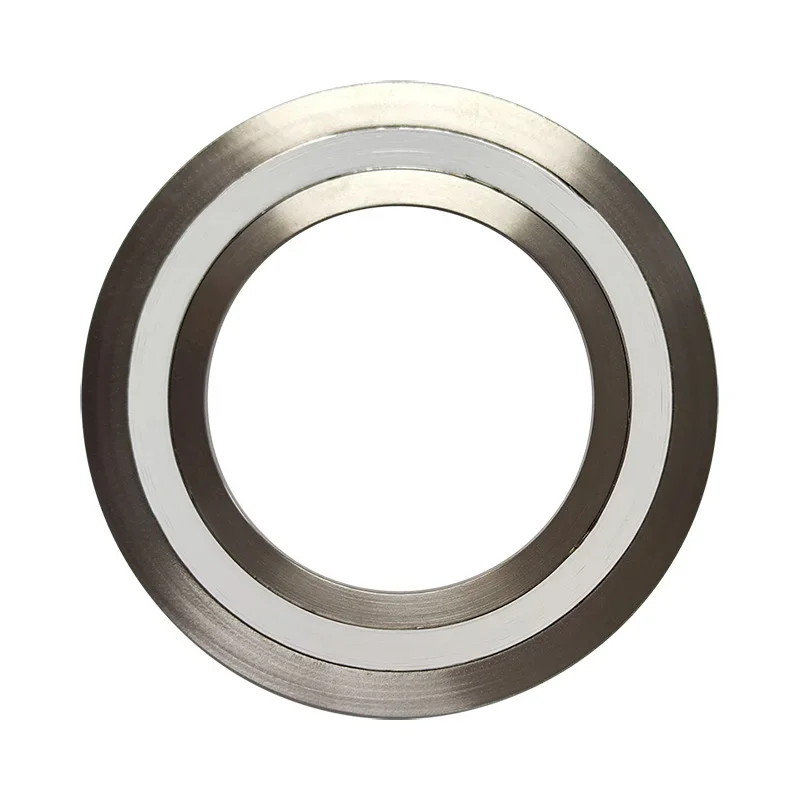
The integrity of bolted flange joints is the cornerstone of safety and operational efficiency in the global energy, chemical, and power generation sectors. Historically, the industrial standard for high-pressure sealing has been the spiral wound gasket (SWG). While conventional SWGs are robust, they traditionally require massive bolt loads to achieve a "gas-tight" seal. As industrial infrastructure ages and the use of lighter-duty or specialized flange materials (such as Class 150/300, glass-lined steel, or fiberglass-reinforced plastic) increases, the industry has faced a significant challenge: achieving a high-integrity seal without over-stressing the hardware. This demand has catalyzed the development of specialized low-stress sealing solutions.
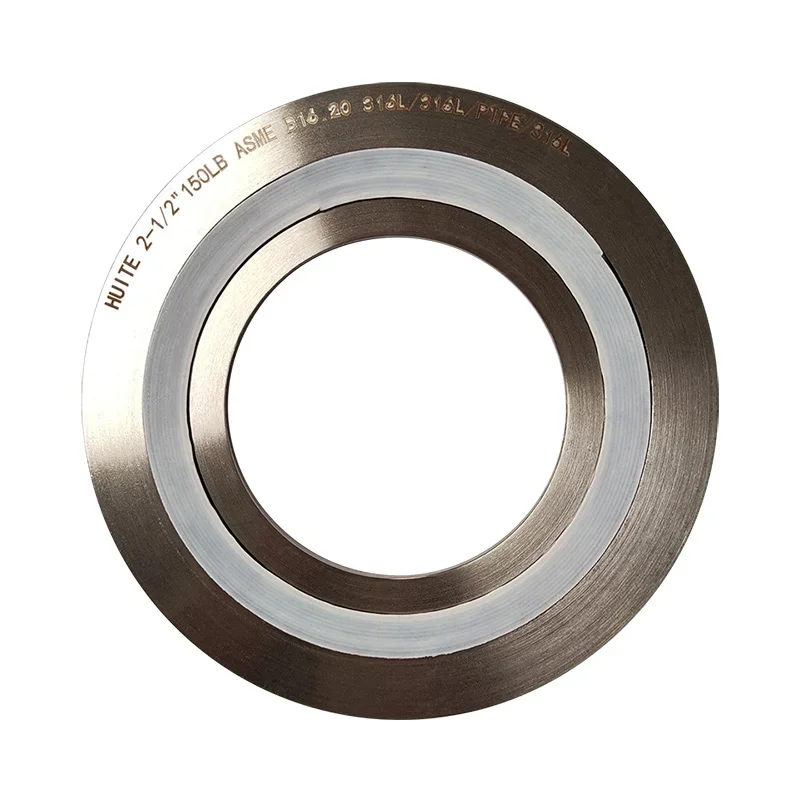
Fundamental Principles of the Low Stress Spiral Wound Gasket
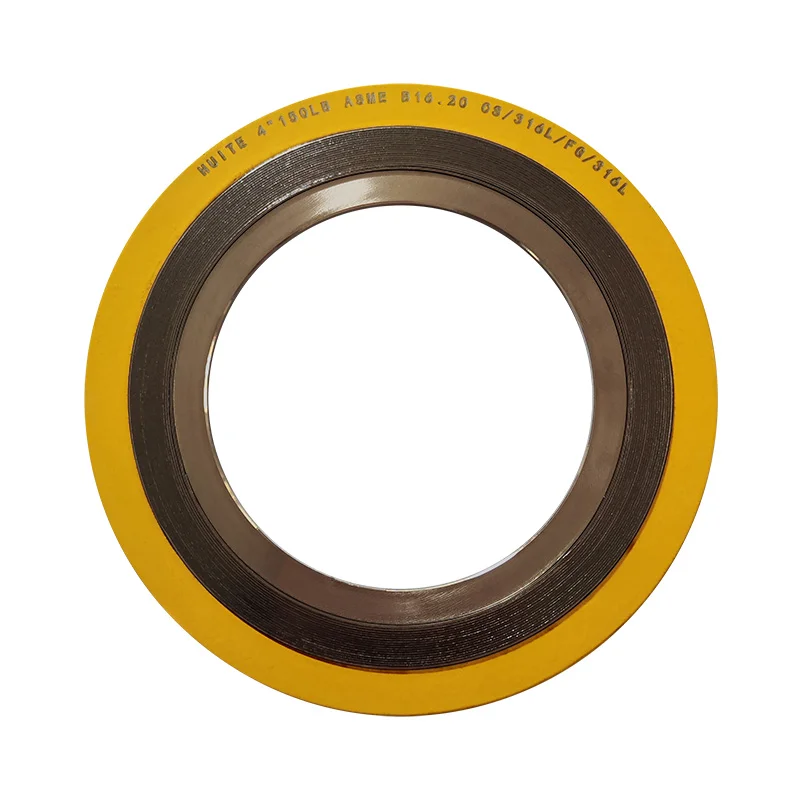
A low stress spiral wound gasket is an engineered solution designed to seat at significantly lower compressive stresses than traditional spiral wound gaskets. To understand its value, one must first look at the mechanics of a standard SWG. In a conventional design, the metal winding—usually 316L or 304 stainless steel—is wound with high tension, creating a stiff structure. According to ASME Boiler and Pressure Vessel Code (Section VIII), gaskets require a specific seating stress (represented by the $y$ factor) to deform the filler material into the flange serrations. For standard gaskets, this load can be immense.
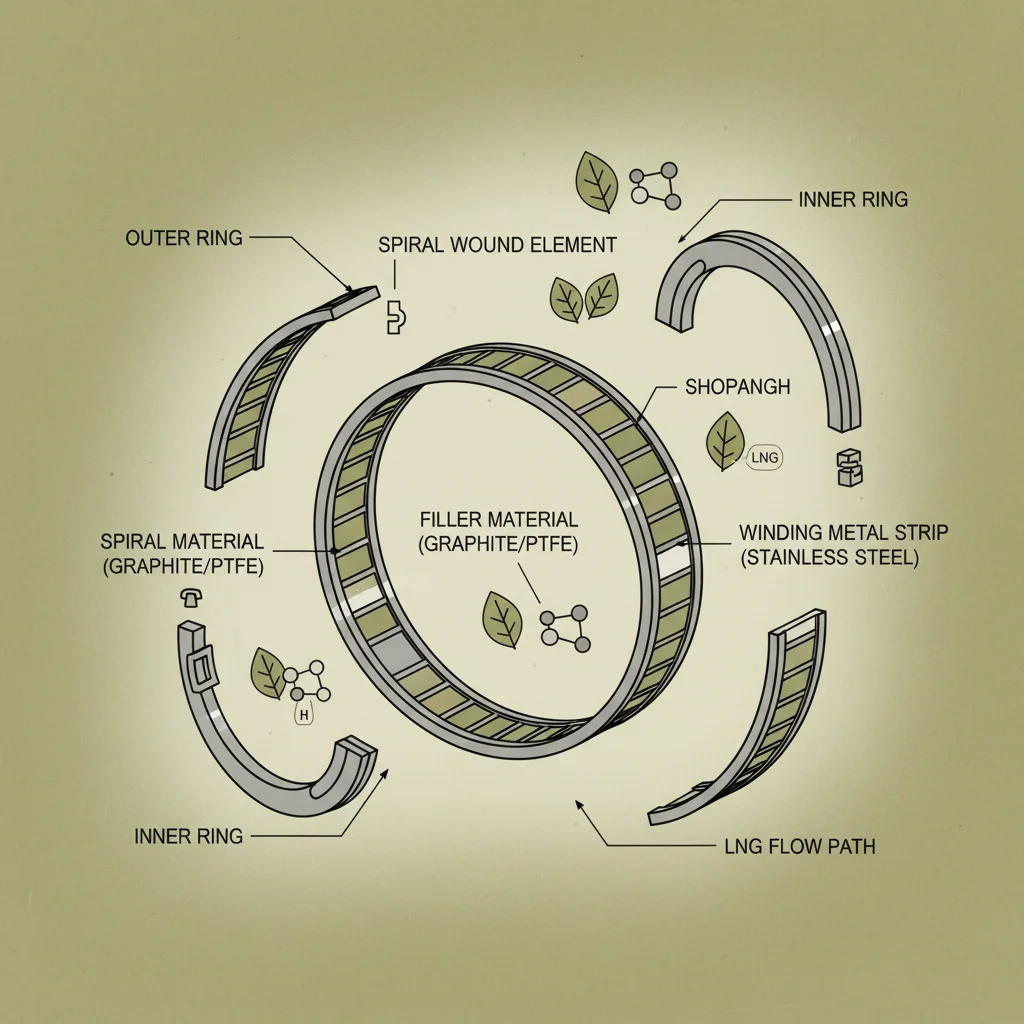
If a technician applies these high loads to a lightweight flange, the result is often "flange rotation." This is a phenomenon where the flange ring bows or warps under the force of the bolts, causing the contact pressure to drop at the inner diameter of the seal, which is precisely where the seal is most needed. The low stress spiral wound gasket addresses this by radically modifying the winding tension and the profile of the metal strip. By reducing the number of metal wraps or utilizing a more compressible "V" or "W" shape, the gasket allows the filler material—whether it be graphite or PTFE—to flow into the flange face imperfections at a fraction of the usual torque.
This design ensures that the gasket reaches its "sealing plateau" quickly. In practical terms, this means that even with limited bolt load, the gasket creates a high-integrity barrier. This technology is vital for maintaining the longevity of piping infrastructure. By preventing permanent deformation of expensive flange components, the low stress spiral wound gasket reduces the total cost of ownership and prevents the need for frequent flange resurfacing or replacement.
Thermal Resistance and the Low Stress FG Spiral Wound Gasket
In high-temperature applications, such as steam generation headers, exhaust manifolds, or heat exchangers, the choice of filler material is just as critical as the mechanical design of the gasket. The low stress FG spiral wound gasket (where FG typically denotes Fiberglass or specialized Glass-fiber composites) is designed for environments where thermal stability is paramount but the mechanical constraints of the system prohibit high loading.
Fiberglass-based fillers are prized for their ability to remain structurally sound at temperatures exceeding $300^{\circ}C$, where traditional elastomers or lower-quality synthetic fibers would carbonize, shrink, or lose their physical volume. However, fiberglass can be brittle. In a standard high-pressure gasket, the immense compressive force can pulverize the glass fibers, leading to a loss of sealing integrity over time. The low stress FG spiral wound gasket solves this by using a calibrated winding tension that protects the filler.
The integration of FG filler into a low-stress design requires precise manufacturing. The fiberglass is often treated with a high-temperature lubricant or a minimal amount of binder to ensure it remains flexible enough to conform to the flange face under light loading. This gasket type is particularly effective in large-diameter heat exchangers where thermal expansion and contraction are significant. Because the fiberglass does not shrink significantly under heat, the low stress FG spiral wound gasket maintains its "push-back" force against the flange. This effectively prevents "cool-down leaks," which are common in power plants that undergo frequent cycling between operational and standby states.
Ultimate Containment Strategies: The Weld Ring Gasket
While low-stress gaskets provide excellent service for maintainable joints, certain industrial processes involve fluids so hazardous or pressures so extreme that a mechanical, compression-based seal is deemed insufficient by risk management standards. This is where the weld ring gasket serves as the final frontier of sealing technology.
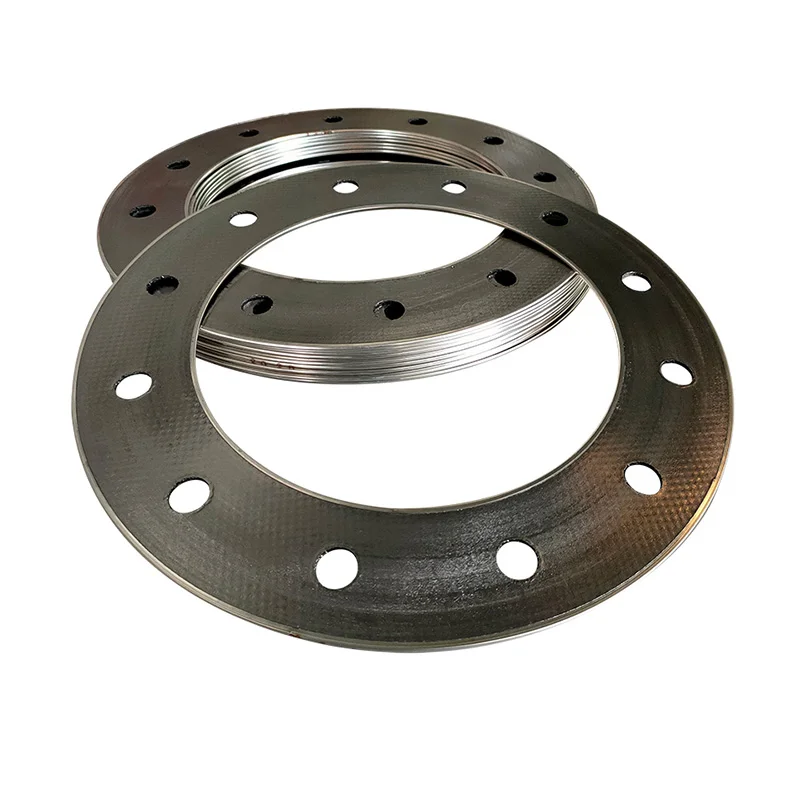
A weld ring gasket is not a compression seal in the traditional sense. It consists of two matching metal rings that are precision-machined. One ring is welded to the face of the upstream flange, and the other is welded to the downstream flange. Once the flanges are brought together and the bolts are tightened to provide structural alignment, the two rings are fusion-welded to each other at their outer periphery.
The result of a weld ring gasket installation is a hermetic, all-metal seal that is essentially a continuation of the pipe wall itself. It is the preferred choice for "lethal service" (as defined by ASME standards) where even a microscopic leak of a substance like hydrofluoric acid, lethal gas, or radioactive steam could have catastrophic consequences. Unlike a low stress spiral wound gasket, which can be easily replaced during a routine maintenance window, a weld ring gasket requires specialized welding and cutting procedures for removal.
Therefore, in modern plant design, engineers must carefully weigh the ease of maintenance provided by low-stress spiral wound technology against the absolute containment offered by the welded alternative. In many high-spec facilities, a hybrid approach is used: low stress spiral wound gaskets are used for 95% of the plant's joints to allow for inspection, while the weld ring gasket is reserved for the "permanent" critical headers where zero-leakage is a non-negotiable regulatory requirement.
Economic and Operational Impacts of Low-Stress Selection
The transition to low-stress technology is not merely a technical choice; it is an economic one. When a plant uses standard gaskets on low-class flanges, the rate of "re-work" (having to tighten a leaking joint after startup) is significantly higher. Each instance of re-work requires a maintenance crew, potential hot-work permits, and, in the worst cases, an unscheduled shutdown.
By standardizing on the low stress spiral wound gasket, facilities reduce the "human factor" error in gasket installation. Because these gaskets seal at a wider range of bolt loads, they are more "forgiving" of slight inaccuracies in torque application. This reliability translates directly into higher plant uptime. Furthermore, the use of a low stress FG spiral wound gasket in steam systems reduces the energy loss associated with minor steam leaks, which can cost a large facility tens of thousands of dollars annually in wasted fuel and treated water.
The Future of Sealing
As the industry moves toward "Industry 4.0" and digital monitoring of joint integrity, the role of the gasket is changing. We are seeing the rise of "smart" gaskets with embedded sensors, but the core requirement remains the same: a mechanical seal that can adapt to its environment. Whether it is the flexibility of a low stress spiral wound gasket, the thermal resilience of a low stress FG spiral wound gasket, or the absolute security of a weld ring gasket, selecting the right technology is about understanding the balance between stress, material, and safety.
By prioritizing low-seating stress designs, engineers are not just stopping leaks; they are protecting the mechanical integrity of the entire piping system for decades to come.