Guangzhou Huite Sealing Machinery Co., Ltd.




PTFE Filler Spiral Wound Gasket China Factory Suppliers High Pressure Corrosion Resistant Seals
Premium PTFE filler spiral wound gaskets from a leading China factory. Ideal for corrosive fluids, oxygen, LNG, and LPG applications in heat exchangers and pressure vessels. Contact our expert suppliers for high air tightness and vacuum sealing solutions.
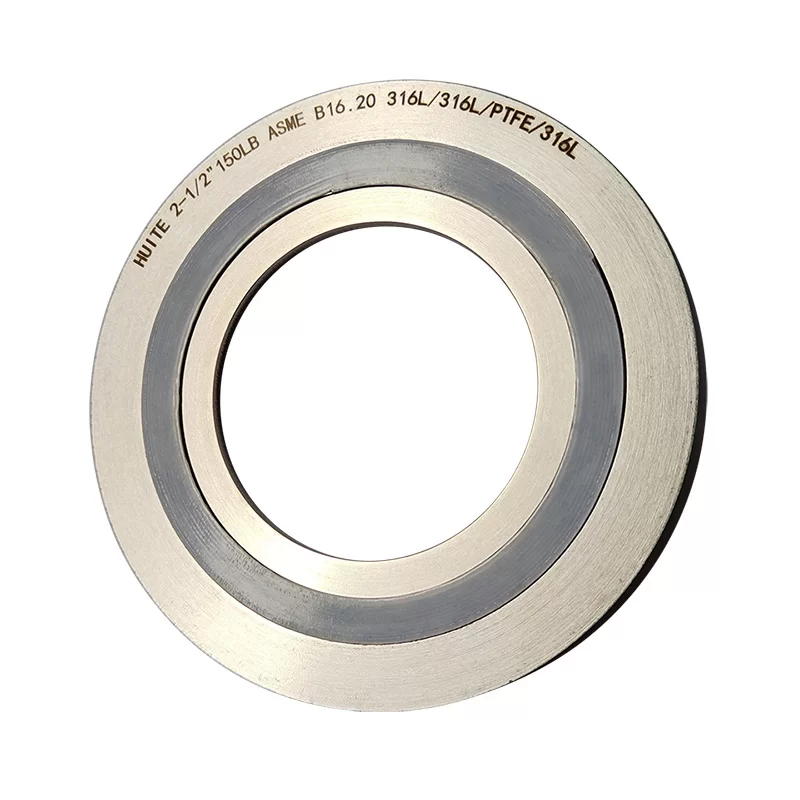
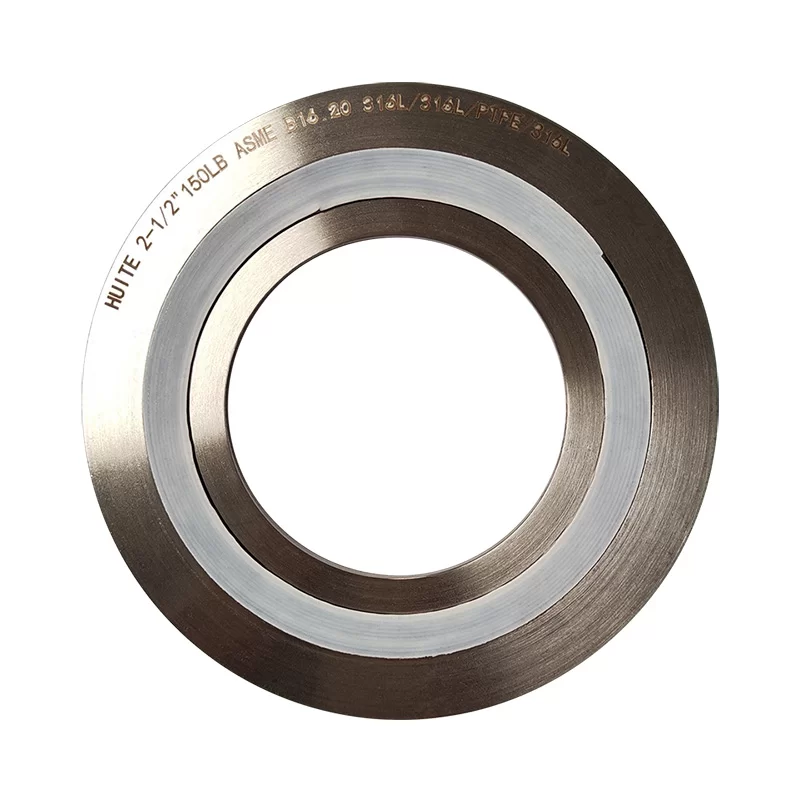
Product Overview
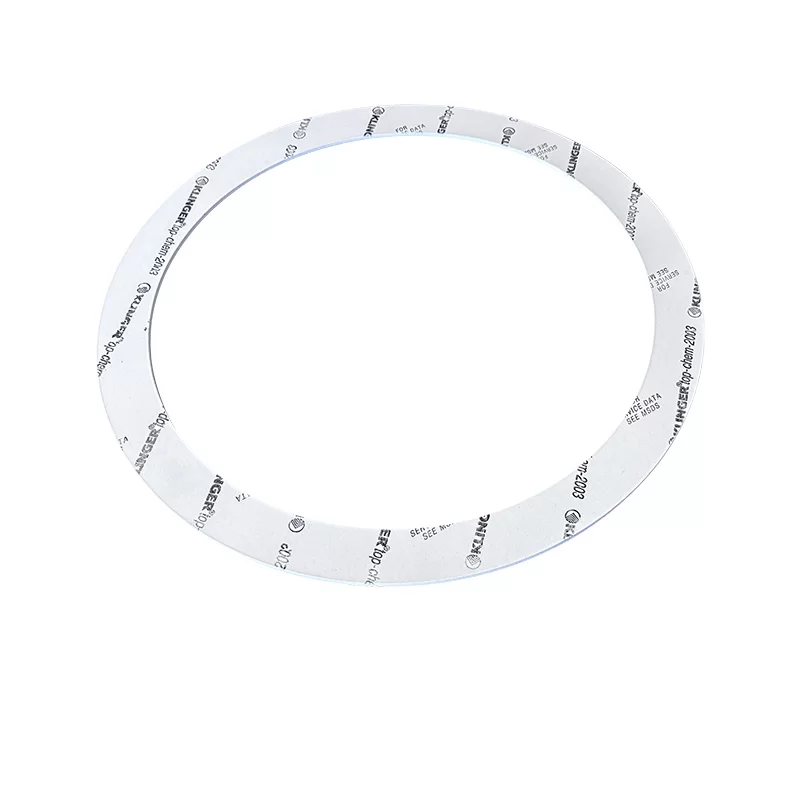
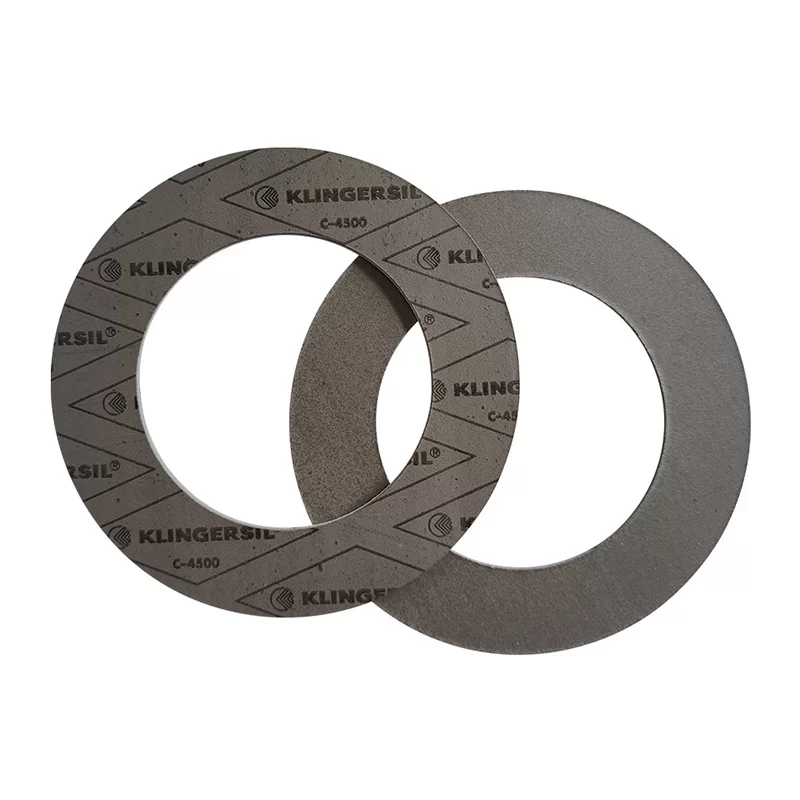
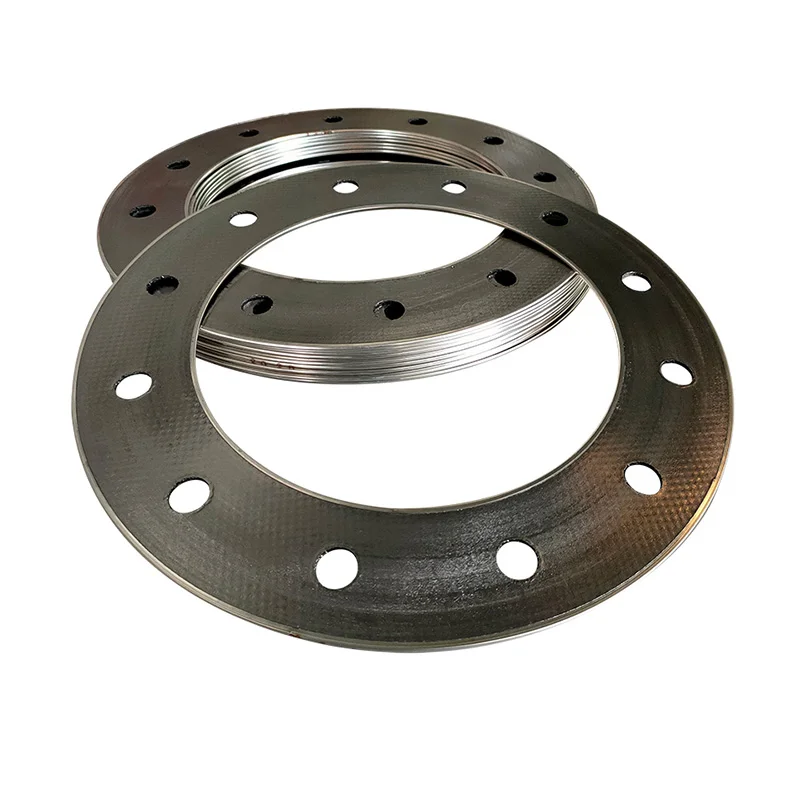
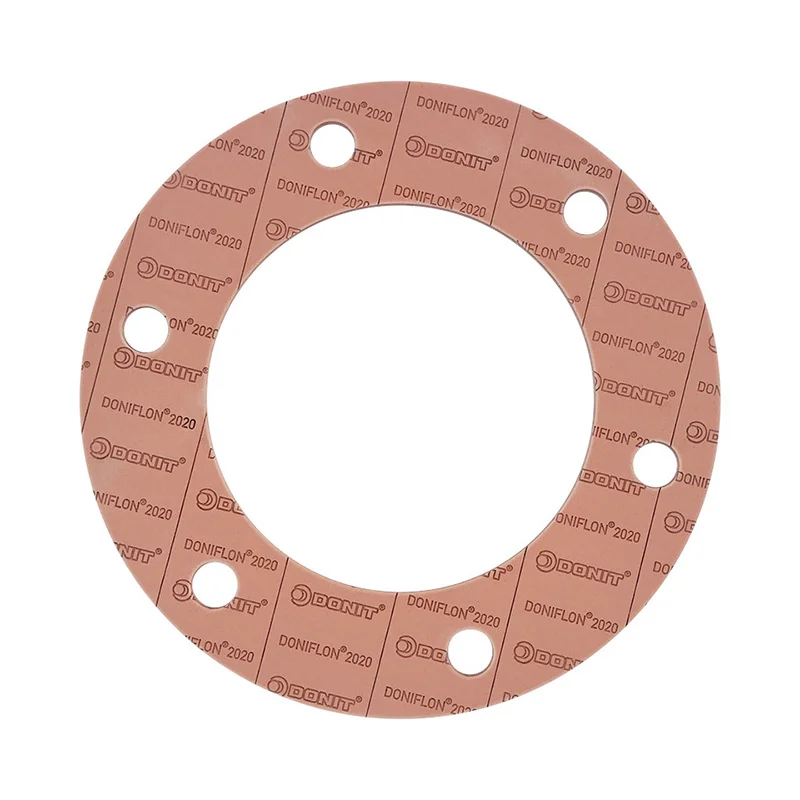
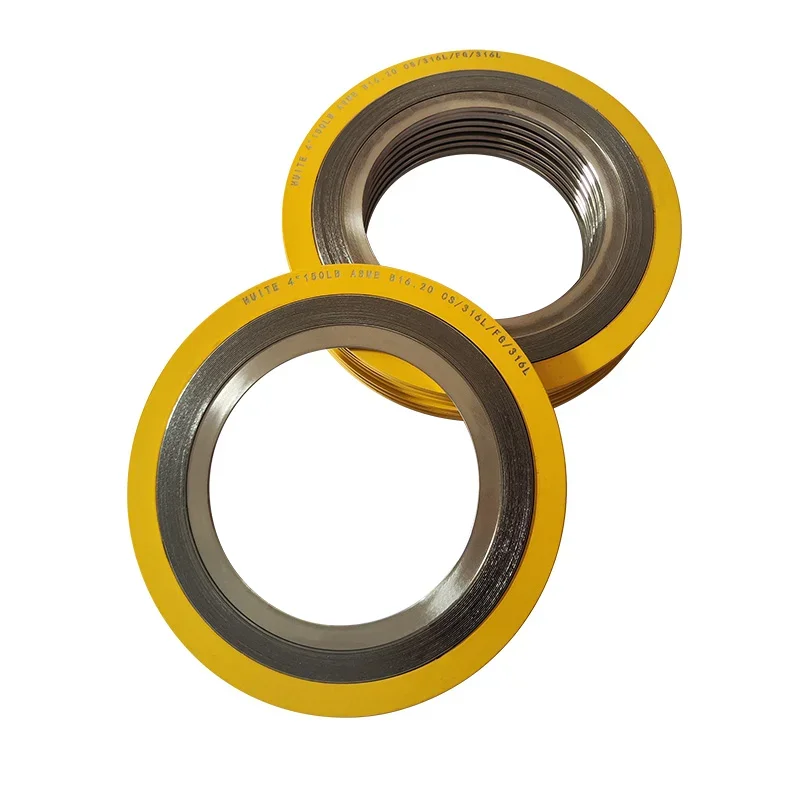
The Spiral Wound Gasket with PTFE Filler is a high-performance sealing solution engineered for the most demanding industrial environments. Combining the structural strength of a metallic winding with the exceptional chemical inertness of Polytetrafluoroethylene (PTFE), these gaskets provide a reliable, leak-proof seal for piping flanges and heat exchangers where corrosion resistance is paramount.
Designed specifically for applications involving aggressive chemicals and corrosive media, the PTFE filler ensures maximum compatibility with a wide range of acids and bases. This synergistic design allows the gasket to maintain structural integrity under significant pressure and temperature fluctuations, making it an essential component for the rubber, plastics, and petrochemical manufacturing industries.
Detailed Parameters
| Filler Material | Pure PTFE / Expanded PTFE | Winding Material | Stainless Steel 304/316L / Hastelloy / Monel |
|---|---|---|---|
| Outer Ring Material | Carbon Steel / Stainless Steel | Inner Ring Option | Available for high-pressure applications |
| Standard Sizes | ANSI, ASME, DIN, JIS, EN | Pressure Rating | Class 150, 300, 600, 900, 1500, 2500 |
| Temperature Range | -200°C to +260°C (depending on metal) | Chemical Compatibility | Excellent against most acids and alkalis |
| Sealing Style | Spiral Wound / With Outer Ring | Manufacturing Standard | ASME B16.20 |
Key Advantages
Chemical Inertness
PTFE filler provides near-universal chemical resistance, preventing degradation when exposed to harsh solvents and acids.
Extended Lifespan
The robust spiral winding prevents blowout and ensures long-term sealing stability, reducing maintenance downtime.
High Pressure Recovery
The resilient nature of the winding allows the gasket to recover from thermal cycling and mechanical vibrations.
Precision Engineering
Manufactured to strict tolerances ensuring a perfect fit and seamless integration with standard flange systems.
Leak-Free Assurance
Advanced compression technology ensures a tight seal even on slightly irregular or weathered flange faces.
Industry Compliance
Fully compliant with international sealing standards, ensuring safety and reliability in rubber and plastic plants.
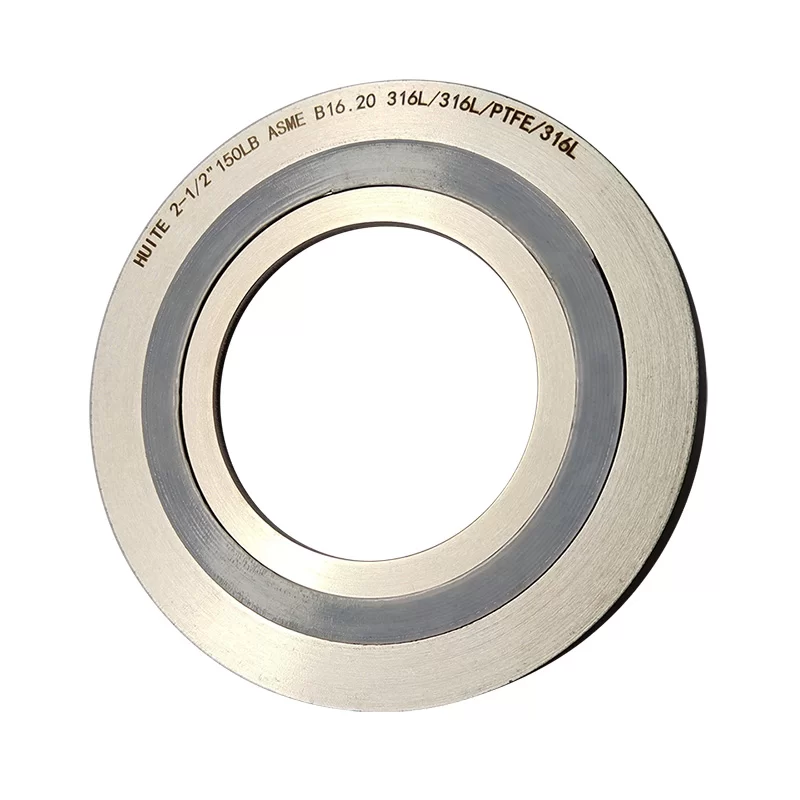
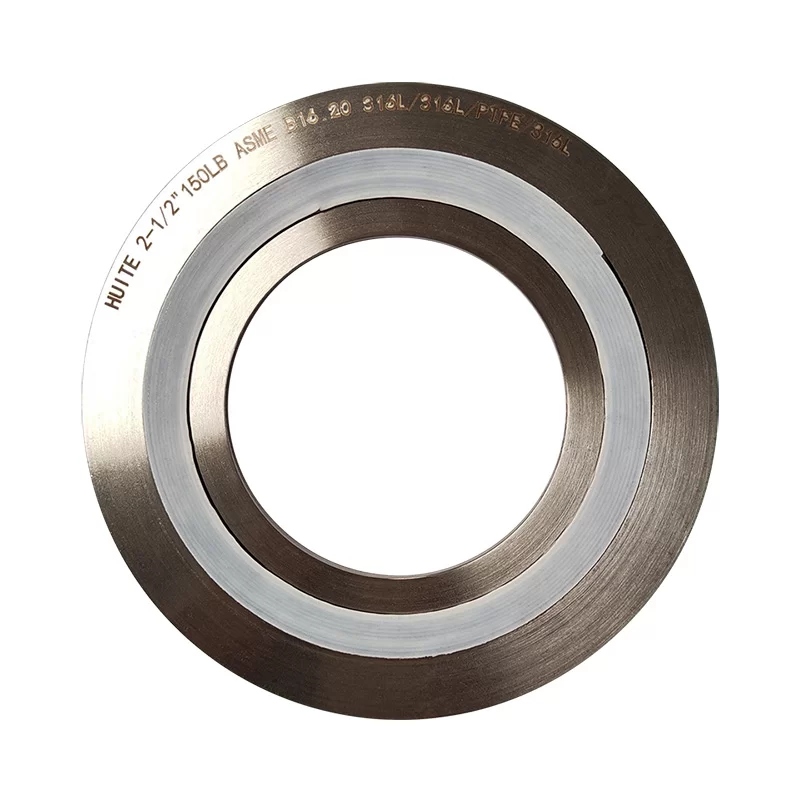
Product Gallery
Management Platforms
Inventory Tracking
Real-time monitoring of gasket stock levels to ensure zero downtime for your production lines.
Custom Specification
Digital configuration tools to select exact filler and metal combinations for your specific medium.
Quality Alerts
Automated certification tracking ensuring every batch meets ISO and ASME quality standards.
Order Lifecycle
Transparent tracking from raw material procurement to final delivery and installation.
Logistics Sync
Optimized supply chain integration for rapid delivery of critical sealing components globally.
Technical Support
Direct access to material engineers for application consultation and failure analysis.
Investment Return Comparison
| Metric | Standard Rubber Gasket | PTFE Spiral Wound Gasket |
|---|---|---|
| Service Life | Short (Frequent Replacement) | Long (High Durability) |
| Chemical Resistance | Limited to specific oils/gas | Universal / High Resistance |
| Pressure Stability | Moderate (Prone to Creep) | Excellent (Blow-out Resistant) |
| Maintenance Cost | High (Recurring labor/parts) | Low (Reduced Intervals) |
| Risk of Leakage | Higher under thermal shock | Minimal / High Reliability |
Frequently Asked Questions
Q: Why choose PTFE filler over graphite for spiral wound gaskets?
PTFE is preferred in environments where extreme chemical resistance to acids, alkalis, and solvents is required, whereas graphite is typically used for higher temperature applications.
Q: Can these gaskets be used in rubber parts manufacturing?
Yes, they are ideal for the piping systems in rubber manufacturing plants that handle corrosive monomers, catalysts, or curing agents.
Q: What is the function of the outer ring in a spiral wound gasket?
The outer ring centers the gasket during installation, prevents blowout under high pressure, and protects the sealing element from external damage.
Q: Are PTFE spiral wound gaskets compatible with high-pressure steam?
While they handle pressure well, ensure the temperature does not exceed the PTFE limit (approx 260°C). For ultra-high temperature steam, graphite fillers may be more suitable.
Q: Do you provide customized sizes for non-standard flanges?
Yes, we can manufacture gaskets based on your specific drawings or requirements, ensuring a precise fit for unique industrial setups.
Q: How do I determine the correct metallic winding material?
The choice depends on the medium: 304/316L for general corrosion, Hastelloy or Monel for extremely aggressive chemical environments.