TESNIT BA-GL Gasket: A Comprehensive Guide
In the realm of industrial sealing solutions, the TESNIT BA-GL gasket stands out as a reliable and high-performance option. Designed for critical applications, these gaskets provide exceptional sealing capabilities across a range of temperatures and pressures. This article provides an in-depth look at the features, benefits, applications, and considerations when selecting TESNIT BA-GL gaskets. Understanding these aspects is crucial for ensuring optimal performance and longevity in your industrial operations. We will explore why choosing the right gasket is vital for maintaining efficient and safe processes.
Understanding the TESNIT BA-GL Gasket Design
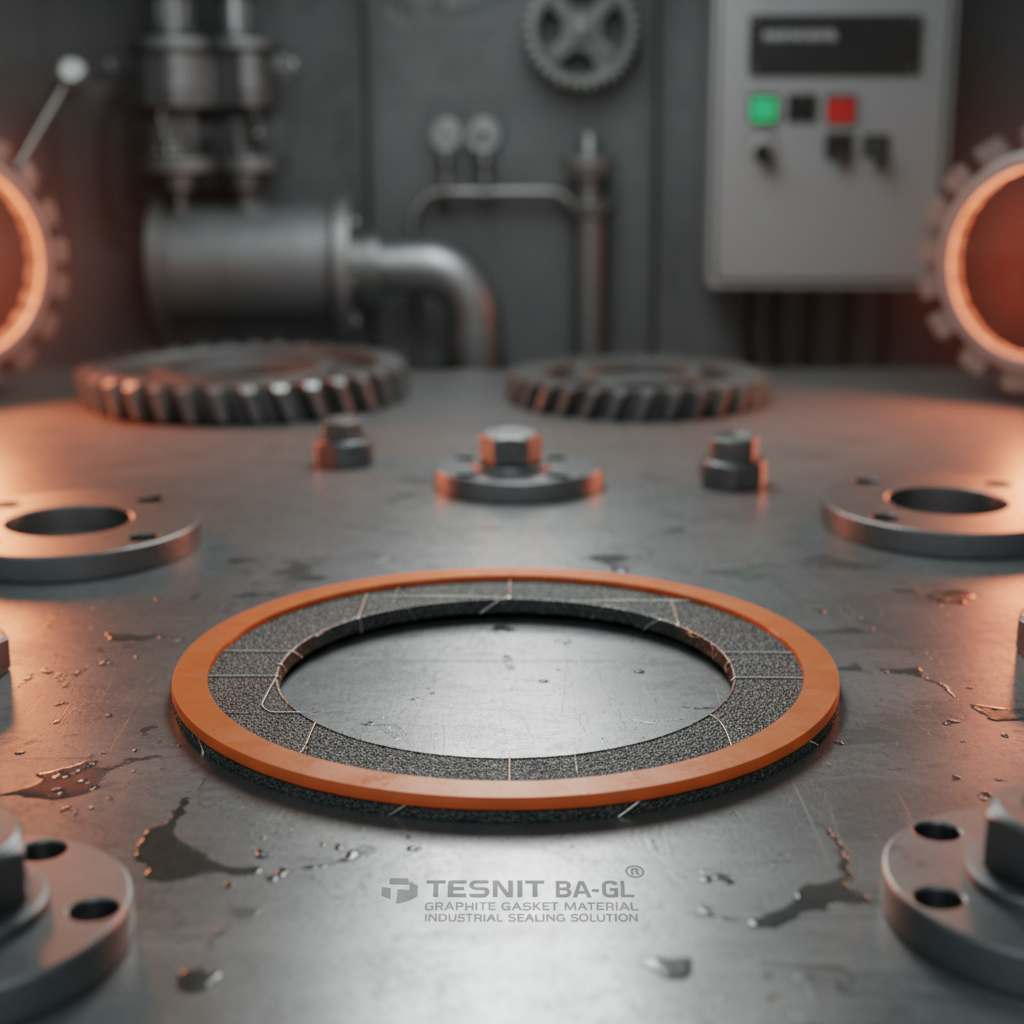
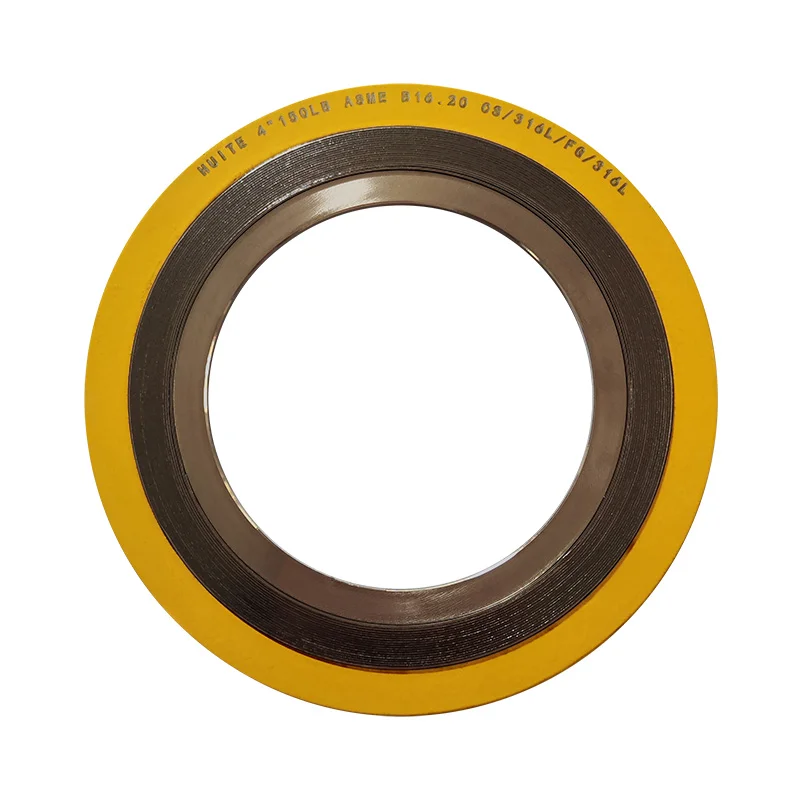
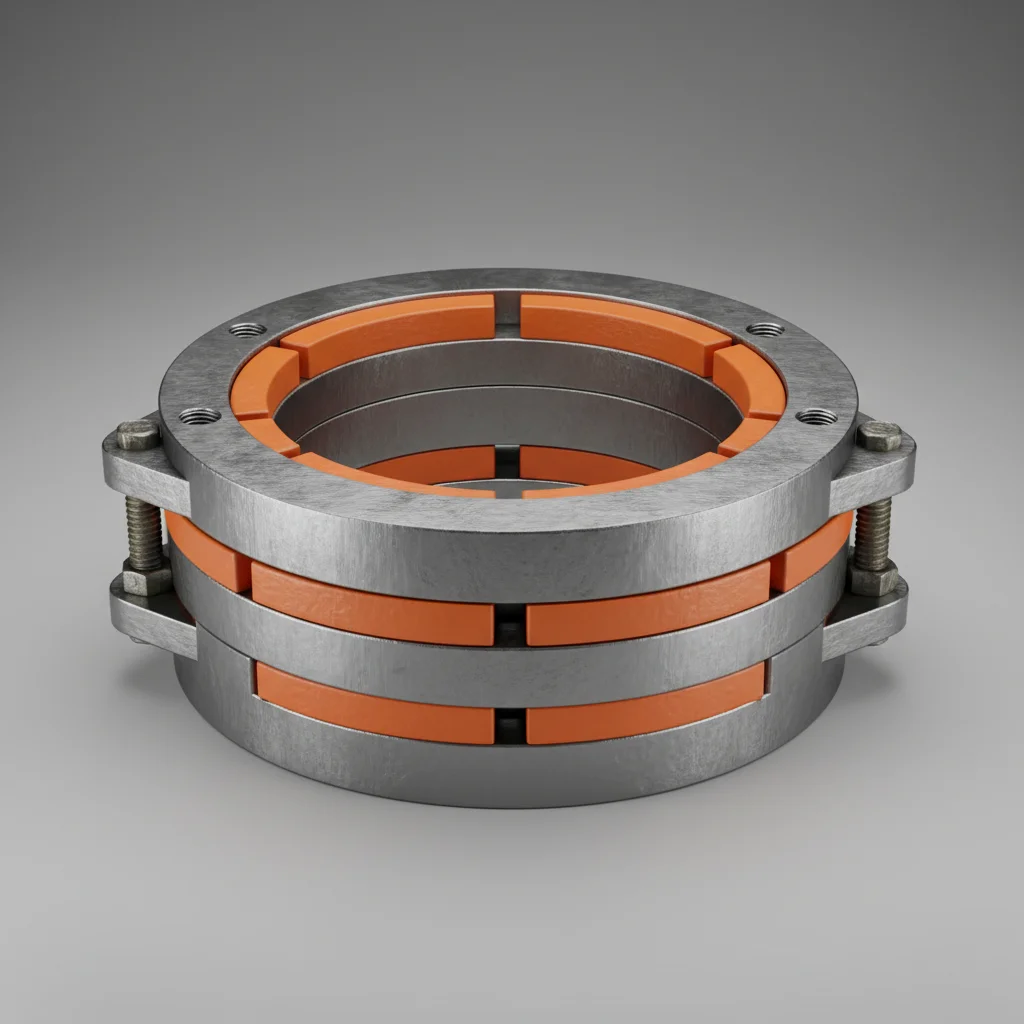
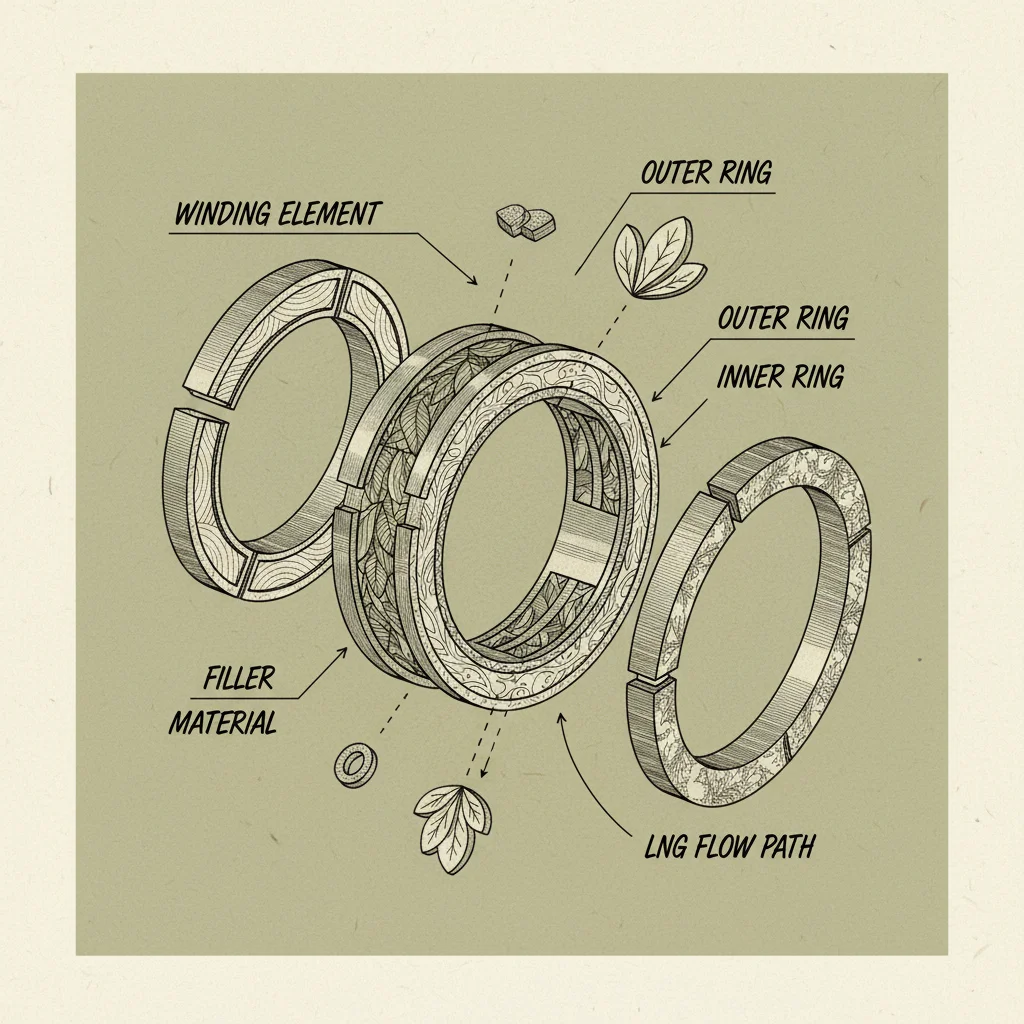
The TESNIT BA-GL gasket is a spiral wound gasket reinforced with a metal winding, typically stainless steel. This construction provides excellent resilience and recovery, allowing it to conform to flange irregularities. The "BA-GL" designation indicates specific material combinations, often a blend of graphite and PTFE fillers between the windings, offering chemical compatibility and temperature resistance. The key to its performance lies in the combination of the metal winding for strength and the filler materials for sealing. This design allows the gasket to withstand high pressures and temperatures while maintaining a leak-tight seal. TESNIT gaskets are frequently used in critical applications where reliability is paramount.
Key Highlights: Spiral wound construction with stainless steel reinforcement, graphite and PTFE fillers for chemical resistance, excellent resilience and recovery, suitable for high-pressure and temperature applications.
TESNIT BA-GL Gasket: Materials and Chemical Compatibility
The materials used in TESNIT BA-GL gaskets significantly impact their performance and longevity. The most common materials include stainless steel (304, 316, and other alloys) for the winding and graphite, PTFE, and other fillers for the sealing element. The specific combination of materials is chosen based on the application's chemical environment and temperature requirements. Graphite offers excellent temperature resistance and chemical compatibility with a wide range of fluids, while PTFE provides superior resistance to aggressive chemicals. Choosing the correct material combination is critical to preventing gasket failure and ensuring a long-lasting seal. Consulting with a gasket specialist is recommended to determine the optimal material for your specific needs.
Material Compatibility Considerations:
• Stainless Steel: Excellent corrosion resistance, suitable for general applications.
• Graphite: High temperature resistance, good chemical compatibility.
• PTFE: Superior chemical resistance, suitable for aggressive fluids.
• Filler selection: Dictates ultimate chemical compatibility.
TESNIT BA-GL Gasket vs. Other Gasket Types: A Comparison
Compared to other gasket types like flat gaskets or rubber O-rings, TESNIT BA-GL gaskets offer superior performance in high-pressure and high-temperature applications. While flat gaskets are suitable for low-pressure, low-temperature environments, they lack the resilience and recovery of spiral wound gaskets. O-rings are effective for dynamic sealing but are limited in their pressure and temperature capabilities. TESNIT BA-GL gaskets provide a robust and reliable sealing solution for demanding industrial applications, offering a broader operating range and longer lifespan.
| Gasket Type |
Pressure Rating |
Temperature Range |
Chemical Resistance |
| TESNIT BA-GL |
High (up to 250 bar) |
-200°C to +600°C |
Excellent (material dependent) |
| Flat Gasket |
Low (up to 10 bar) |
-50°C to +150°C |
Moderate (material dependent) |
| O-Ring |
Medium (up to 100 bar) |
-60°C to +200°C |
Good (material dependent) |
Applications of TESNIT BA-GL Gaskets
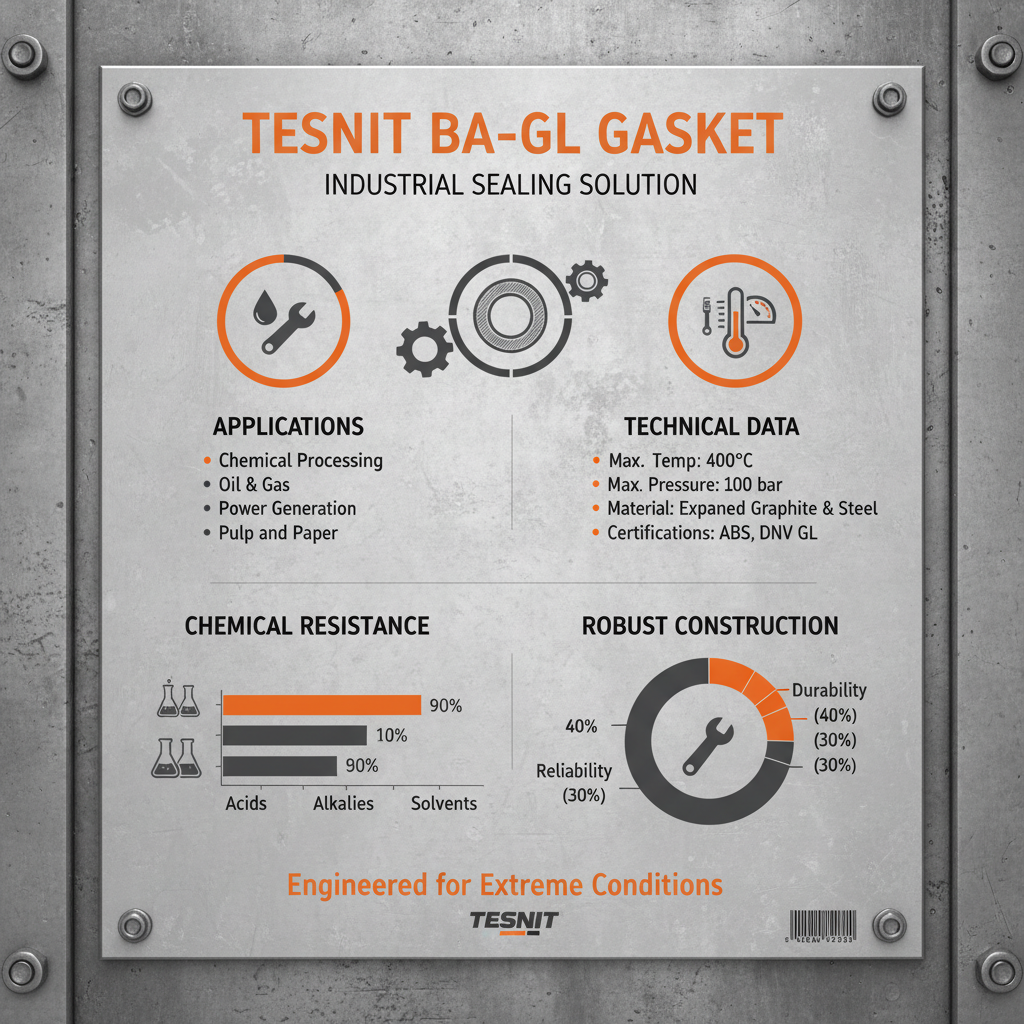
TESNIT BA-GL gaskets are widely used in a variety of industries, including petrochemicals, power generation, oil and gas, and chemical processing. Specific applications include flange connections in pipelines, heat exchangers, pumps, valves, and reactors. Their ability to withstand extreme conditions and provide a reliable seal makes them ideal for critical systems where leakage cannot be tolerated. Contacting a TESNIT distributor will provide insight into the range of applications they cover.
TESNIT BA-GL Gasket: Specification and Installation Guidelines
Proper installation is crucial for ensuring the optimal performance of TESNIT BA-GL gaskets. Before installation, inspect the flanges for damage or irregularities. Ensure the gasket is correctly centered and compressed to the specified torque. Following the manufacturer's installation guidelines is essential to avoid premature failure. The gasket's performance is dependent on precise installation. Here is a brief guide:
| Parameter |
Specification |
| Material |
Stainless Steel, Graphite, PTFE |
| Pressure Rating |
Up to 250 bar |
| Temperature Range |
-200°C to +600°C |
| Installation Torque |
Follow manufacturer guidelines |
Conclusion: Reliable Sealing with TESNIT BA-GL Gaskets
The TESNIT BA-GL gasket represents a robust and dependable sealing solution for demanding industrial applications. Its unique spiral wound construction, combined with carefully selected materials, provides exceptional performance in high-pressure and high-temperature environments. By choosing TESNIT BA-GL gaskets, you're investing in reliability, safety, and long-term operational efficiency.
Frequently Asked Questions (FAQs)
What is the typical lifespan of a TESNIT BA-GL gasket?
The lifespan of a TESNIT BA-GL gasket is heavily dependent on the application's operating conditions, including temperature, pressure, and the chemical compatibility of the gasket materials with the process fluid. Under normal conditions, a properly installed gasket can last for several years. However, regular inspections are crucial to identify any signs of wear or degradation. Factors such as thermal cycling, vibration, and exposure to corrosive chemicals can shorten the gasket's lifespan. It's recommended to establish a preventive maintenance schedule that includes periodic gasket inspections and replacements as needed. Replacing the gasket proactively can prevent costly downtime and ensure the continued integrity of the system.
What factors should be considered when selecting a TESNIT BA-GL gasket?
Several factors are critical when selecting a TESNIT BA-GL gasket. The first is the operating temperature and pressure of the system. Ensure the gasket's temperature and pressure ratings exceed the maximum expected values. Next, consider the chemical compatibility of the gasket materials with the process fluid. Choose materials that are resistant to corrosion and degradation. Flange surface finish and gasket width should also be considered to ensure a proper seal. Finally, it is advisable to consult with a gasket expert or refer to the manufacturer's specifications to ensure the correct gasket is chosen for the specific application.
Can TESNIT BA-GL gaskets be reused?
Generally, it is not recommended to reuse TESNIT BA-GL gaskets. Each time the gasket is compressed, it undergoes some degree of deformation. Reusing a gasket can compromise its sealing capability and increase the risk of leakage. While a gasket may appear undamaged, its ability to conform to the flange surface and provide a reliable seal may be reduced. For critical applications, it’s always best to use a new gasket to ensure optimal performance and prevent potential failures.