TESNIT BA-U Gasket: A Comprehensive Guide
The TESNIT BA-U gasket is a crucial component in various industrial applications, ensuring leak-proof seals and optimal performance. Designed for demanding environments, these gaskets offer exceptional resistance to chemicals, high temperatures, and pressure. This article will provide an in-depth exploration of the TESNIT BA-U gasket, covering its features, benefits, applications, and considerations for selecting the right gasket for your specific needs. Understanding the qualities of a high-performance gasket like the BA-U is paramount for maintaining operational efficiency and preventing costly downtime.
Key Features of the TESNIT BA-U Gasket
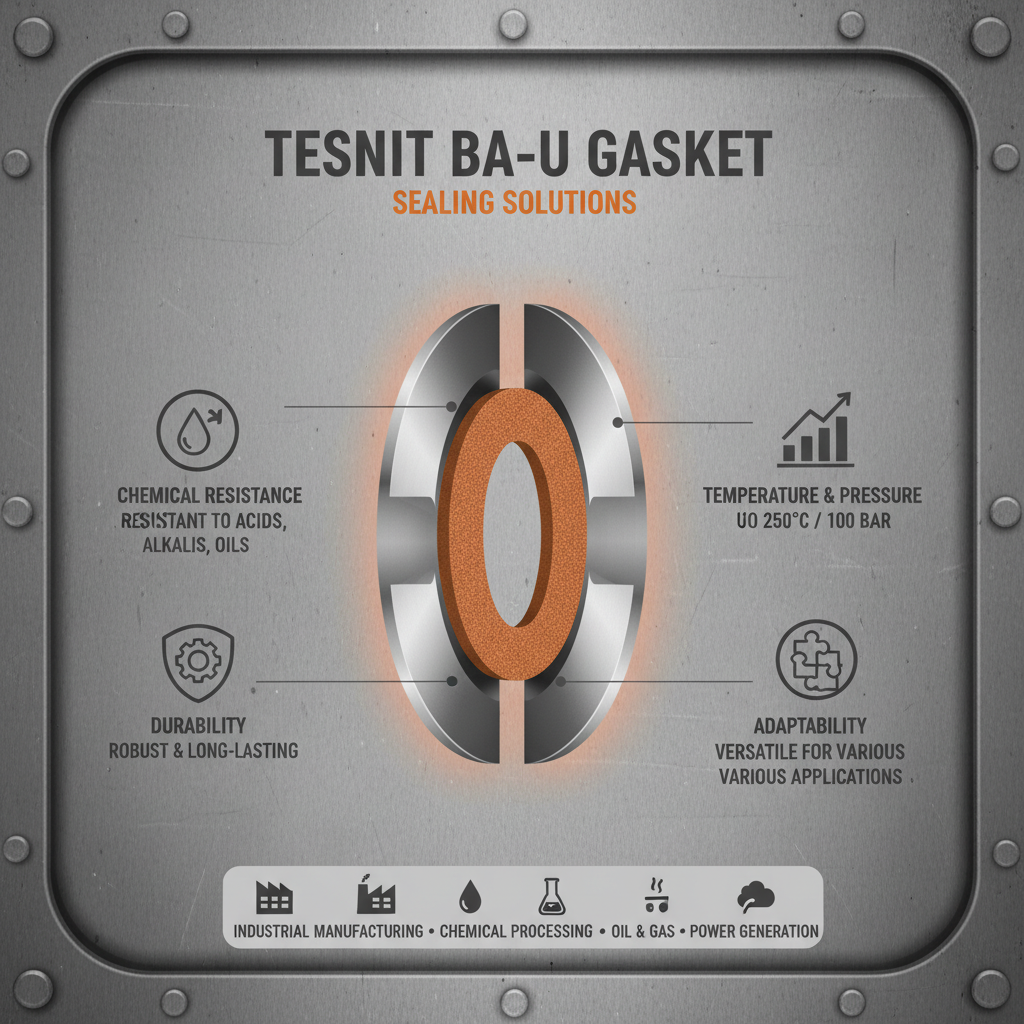
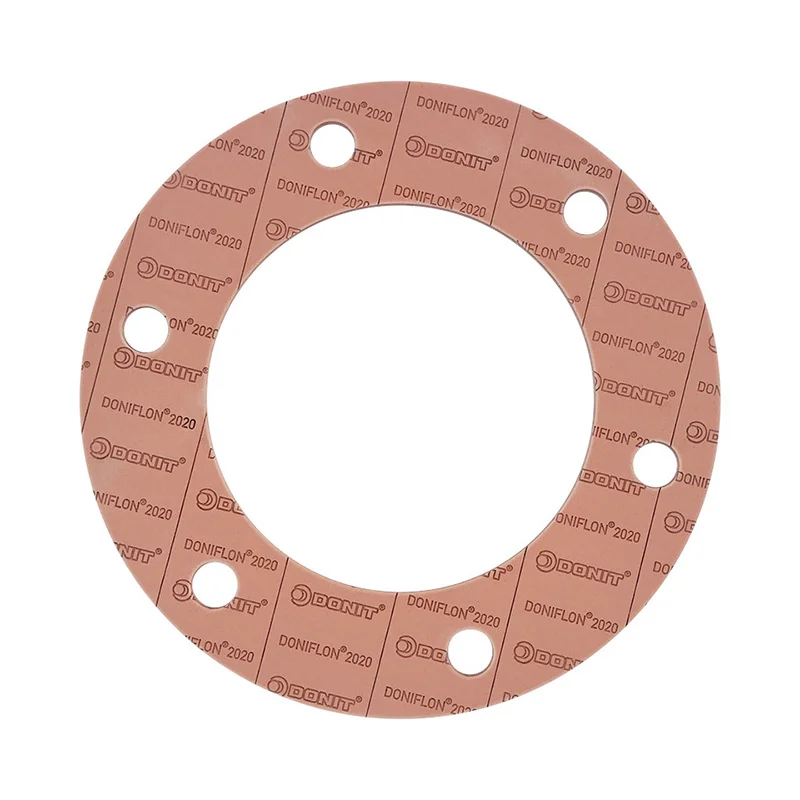
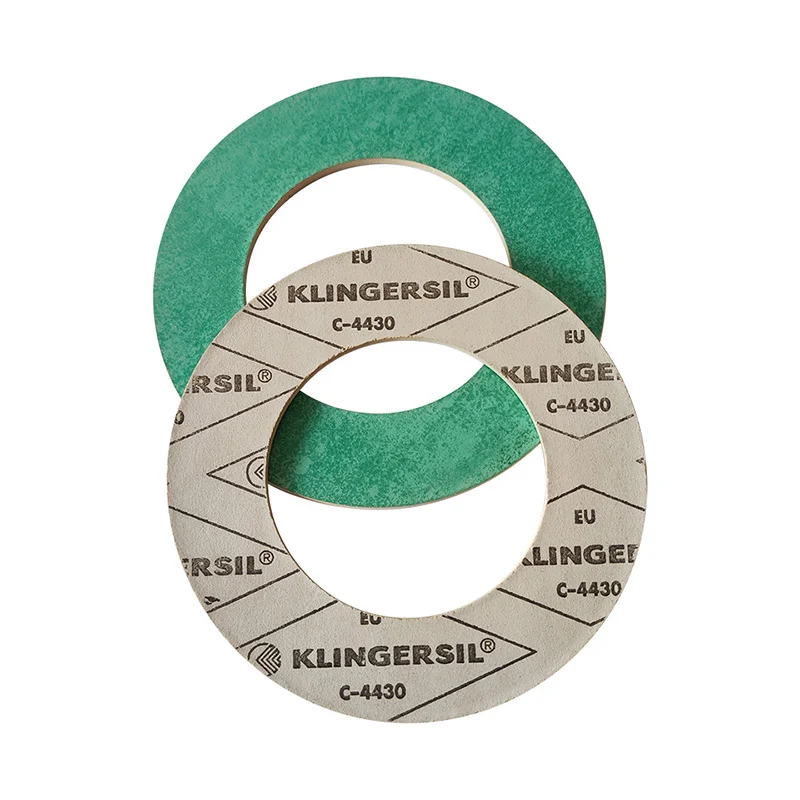
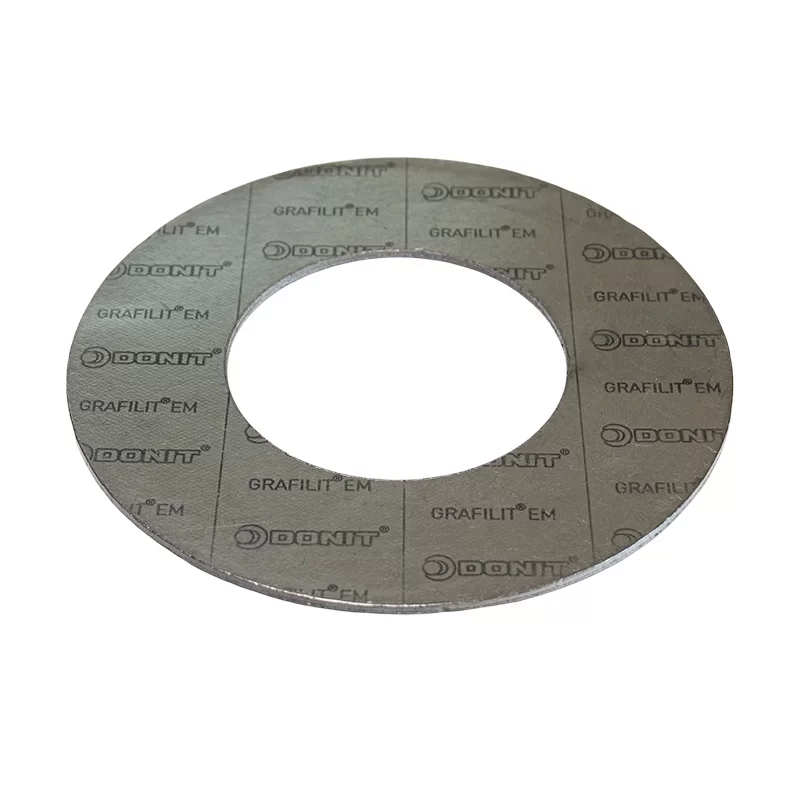
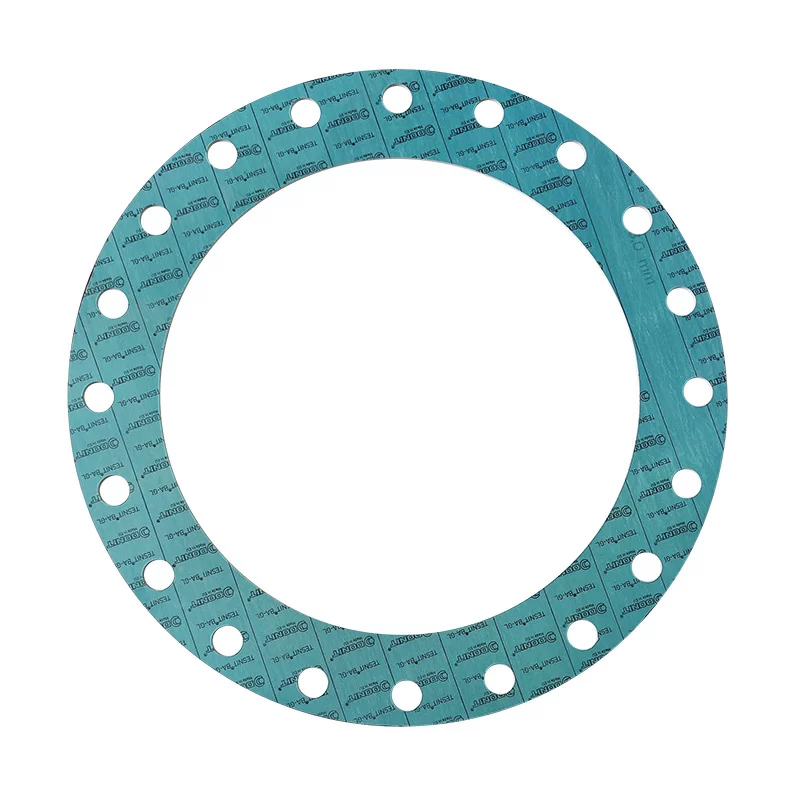
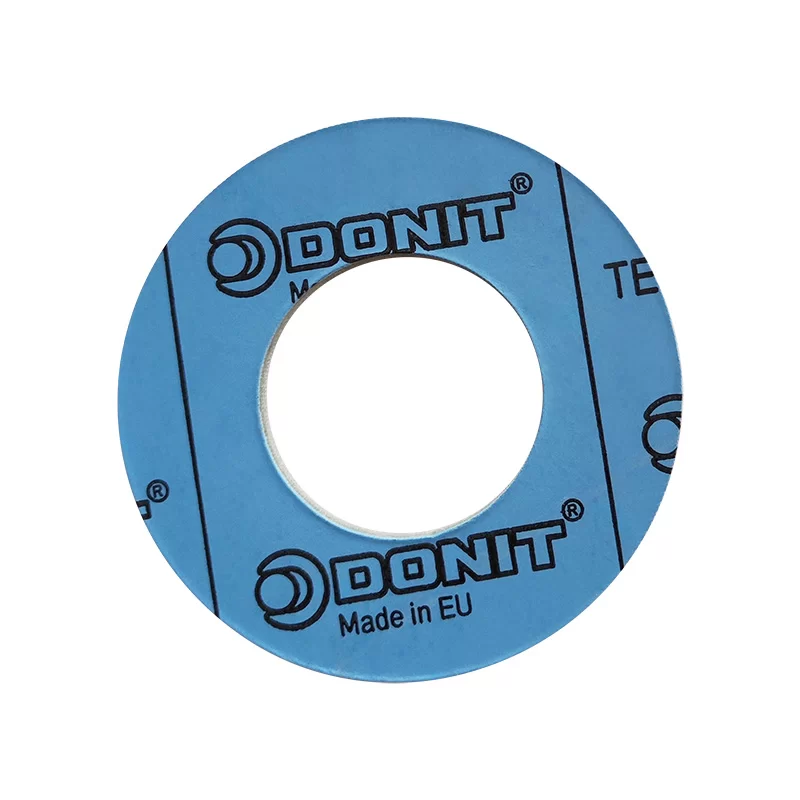
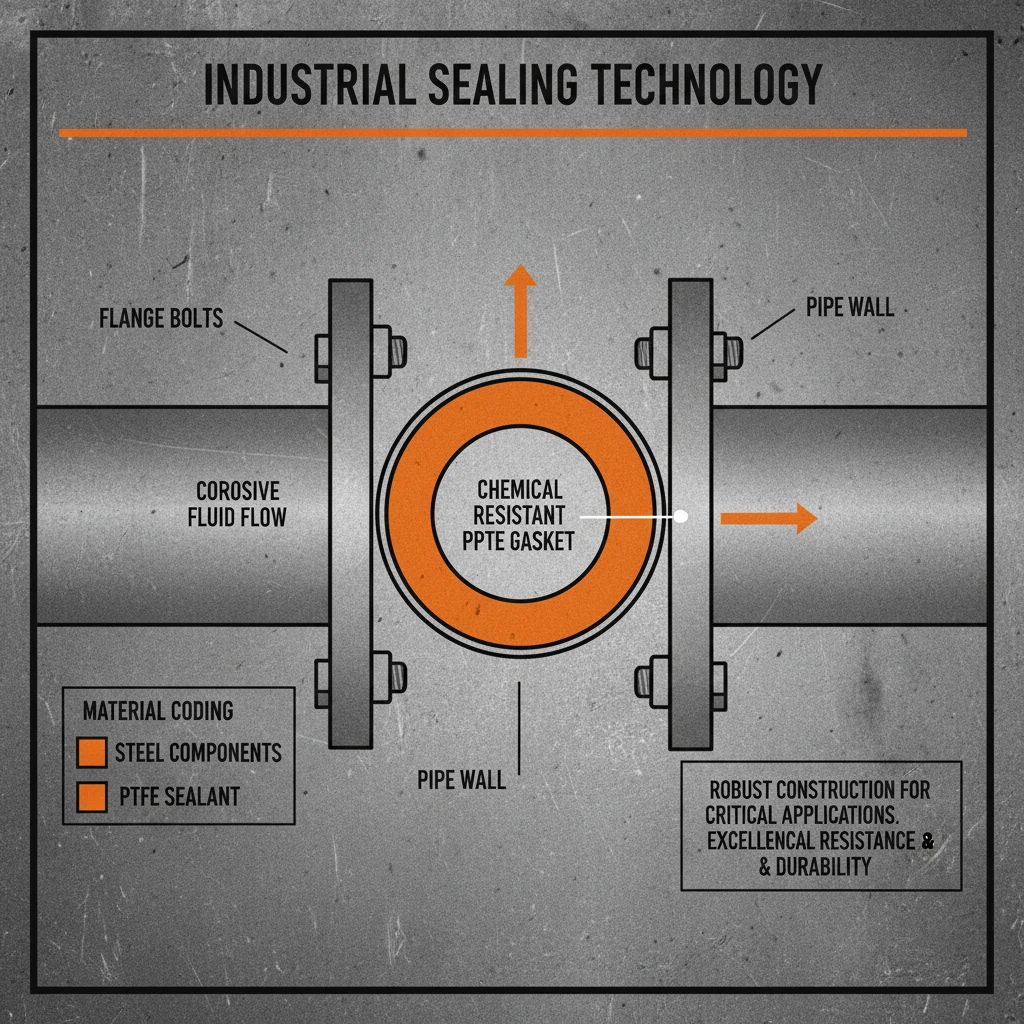
The TESNIT BA-U gasket is engineered with a unique blend of materials, primarily featuring a reinforced composite construction. This combination delivers superior sealing capabilities and durability. Specifically, the BA-U gaskets use a high-quality rubber base combined with an internal reinforcement layer – often stainless steel or another corrosion-resistant metal – to withstand extreme pressures and temperatures. They are designed to prevent leakage in various fluid and gas applications. The BA-U gasket’s design offers excellent resilience and adaptability to irregular or damaged sealing surfaces, providing a reliable long-term solution. You can explore the full range of TESNIT gaskets on our website.
Key Highlights: Superior sealing capabilities, durability, resistance to chemicals, high temperatures, and pressure, adaptability to irregular surfaces.
Understanding Material Composition and Resistance
The core of the TESNIT BA-U gasket’s performance lies in its material composition. The specific rubber compound used varies depending on the application, but common materials include EPDM, NBR, and Viton. EPDM provides excellent resistance to weathering, ozone, and water. NBR excels in oil and fuel resistance, while Viton offers exceptional chemical resistance and high-temperature performance. The reinforcement layer, typically stainless steel, adds dimensional stability and prevents the gasket from extruding under high pressure. This carefully selected combination of materials ensures the BA-U gasket can withstand harsh operating conditions and maintain a reliable seal over extended periods.
Material Resistance Benefits:
• EPDM: Weathering, ozone, water resistance
• NBR: Oil and fuel resistance
• Viton: Chemical and high-temperature resistance
• Stainless Steel: Dimensional Stability, High Pressure Resistance
TESNIT BA-U Gasket vs. Alternative Gasket Types: A Comparison
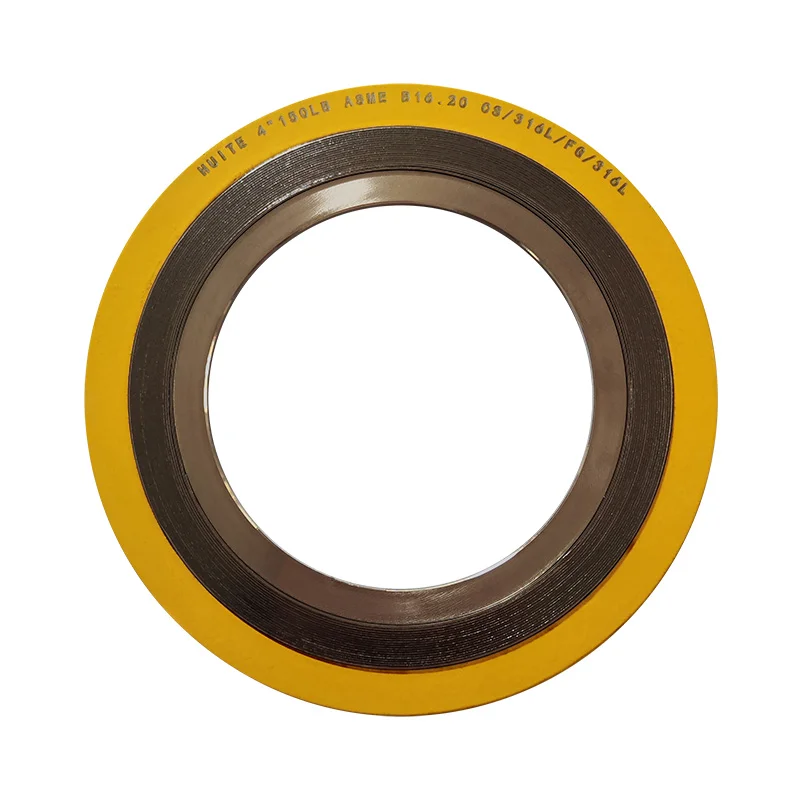
While numerous gasket types exist, the TESNIT BA-U gasket stands out due to its robust construction and superior performance in demanding applications. Compared to simple rubber gaskets, the BA-U's reinforced design prevents extrusion and enhances longevity. Against spiral wound gaskets, the BA-U offers a more cost-effective solution for lower-pressure applications. Compared to PTFE gaskets, the BA-U presents a more resilient option in dynamic sealing situations, reducing the risk of creep or cold flow. The specific choice depends on the application, but the BA-U consistently delivers a high-performance, reliable sealing solution. Contact us for assistance in selecting the best gasket for your needs.
| Gasket Type |
TESNIT BA-U |
Rubber Gasket |
Spiral Wound |
| Extrusion Resistance |
High |
Low |
Medium |
| Pressure Rating |
Medium to High |
Low to Medium |
High |
| Cost |
Moderate |
Low |
High |
| Chemical Resistance |
Excellent (depending on material) |
Variable |
Good |
Applications of TESNIT BA-U Gaskets
The TESNIT BA-U gasket finds widespread use across various industries. They are commonly employed in pipelines, pumps, valves, flanges, and heat exchangers. Specific applications include chemical processing plants, oil refineries, power generation facilities, and water treatment systems. The gasket’s ability to withstand harsh chemicals, high temperatures, and significant pressure makes it ideal for these demanding environments. It’s also utilized in automotive applications, such as engine and transmission seals.
Selecting the Right TESNIT BA-U Gasket for Your Application
Choosing the correct BA-U gasket requires careful consideration of several factors. The operating temperature, pressure, and the media being sealed are crucial parameters. The type of fluid or gas—whether it's acidic, alkaline, or a hydrocarbon—will dictate the appropriate rubber material. The flange surface finish and any potential for vibration or movement should also be considered. Utilizing the expertise of a gasket specialist, like the team at GZHTMF, can ensure optimal gasket selection and reliable performance.
Conclusion: Ensuring Reliability with TESNIT BA-U Gaskets
The TESNIT BA-U gasket delivers a robust and reliable sealing solution for demanding industrial applications. Its exceptional material composition, resistance to harsh conditions, and versatile design make it a preferred choice for engineers and maintenance professionals. Investing in quality gaskets like the BA-U ensures operational efficiency, minimizes downtime, and safeguards against costly leaks. Choose the TESNIT BA-U gasket for peace of mind and long-lasting performance.
Frequently Asked Questions (FAQs)
What is the typical temperature range for TESNIT BA-U gaskets?
The temperature range varies depending on the rubber material used in the gasket. EPDM typically handles temperatures from -50°C to +150°C, while NBR can withstand temperatures from -40°C to +120°C. Viton offers the broadest range, from -20°C to +200°C. It’s crucial to consult the specific datasheet for the gasket you are considering to ensure it aligns with your operating temperature requirements. Exceeding the recommended temperature range can compromise the gasket’s performance and lead to premature failure.
How do I determine the correct gasket size for my flange?
Determining the correct gasket size involves measuring the inner and outer diameters of your flange, as well as the flange thickness. It's crucial to ensure a proper fit to achieve a reliable seal. The gasket should be slightly smaller than the flange bore to allow for compression during tightening. Consult a gasket sizing chart or, ideally, contact our technical team at GZHTMF for assistance. Providing accurate flange dimensions will ensure we recommend the appropriate gasket size.
What is the shelf life of a TESNIT BA-U gasket?
The shelf life of a TESNIT BA-U gasket depends on storage conditions. Ideally, gaskets should be stored in a cool, dry, and dark environment, away from direct sunlight and ozone sources. Generally, gaskets can be stored for 2-3 years without significant degradation, provided they are stored correctly. However, it's advisable to inspect the gasket for any signs of cracking or deterioration before use, especially if it has been stored for an extended period.
Are TESNIT BA-U gaskets suitable for food-grade applications?
Certain TESNIT BA-U gaskets, specifically those made with FDA-approved materials like EPDM or Viton, are suitable for food-grade applications. However, it’s essential to verify that the specific gasket material and construction meet the requirements of your application and comply with relevant food safety regulations. Always request a certificate of compliance from the manufacturer, like GZHTMF, to ensure the gasket is appropriate for food contact.