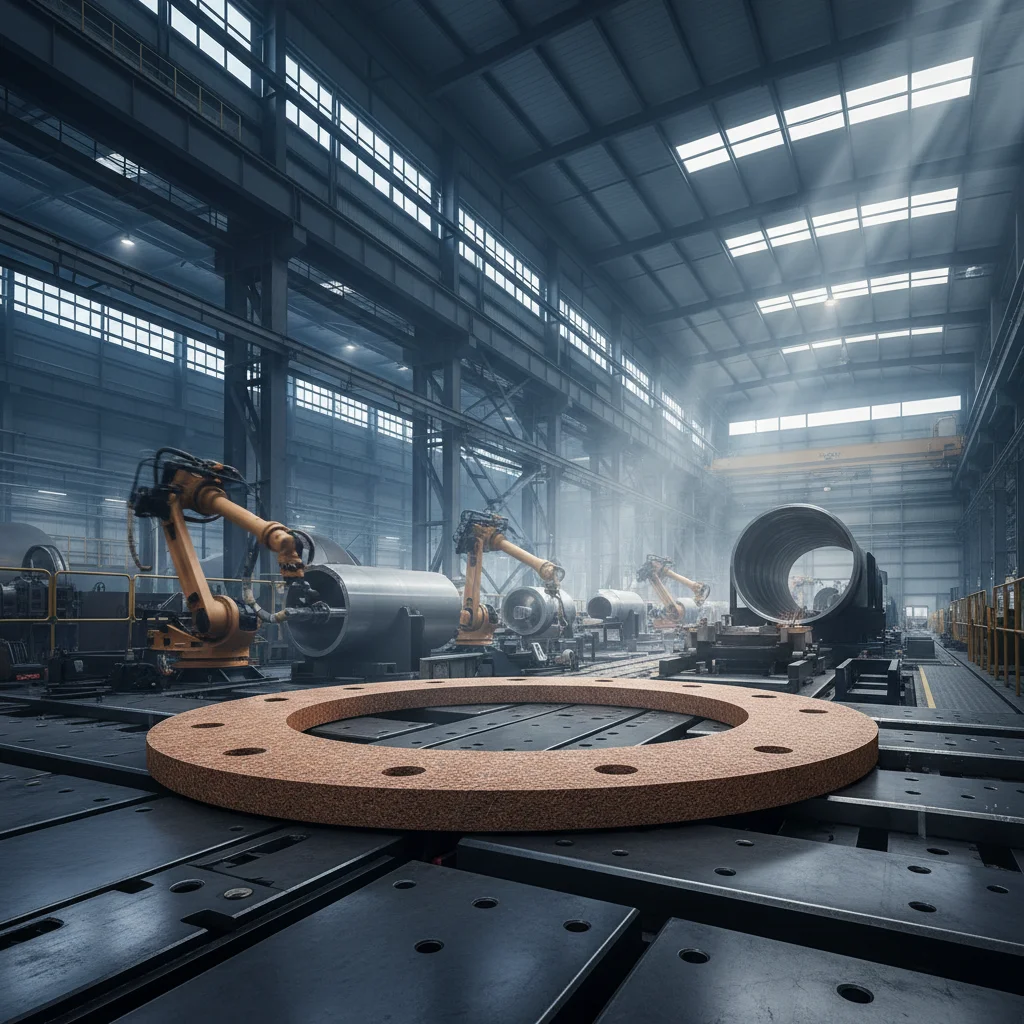
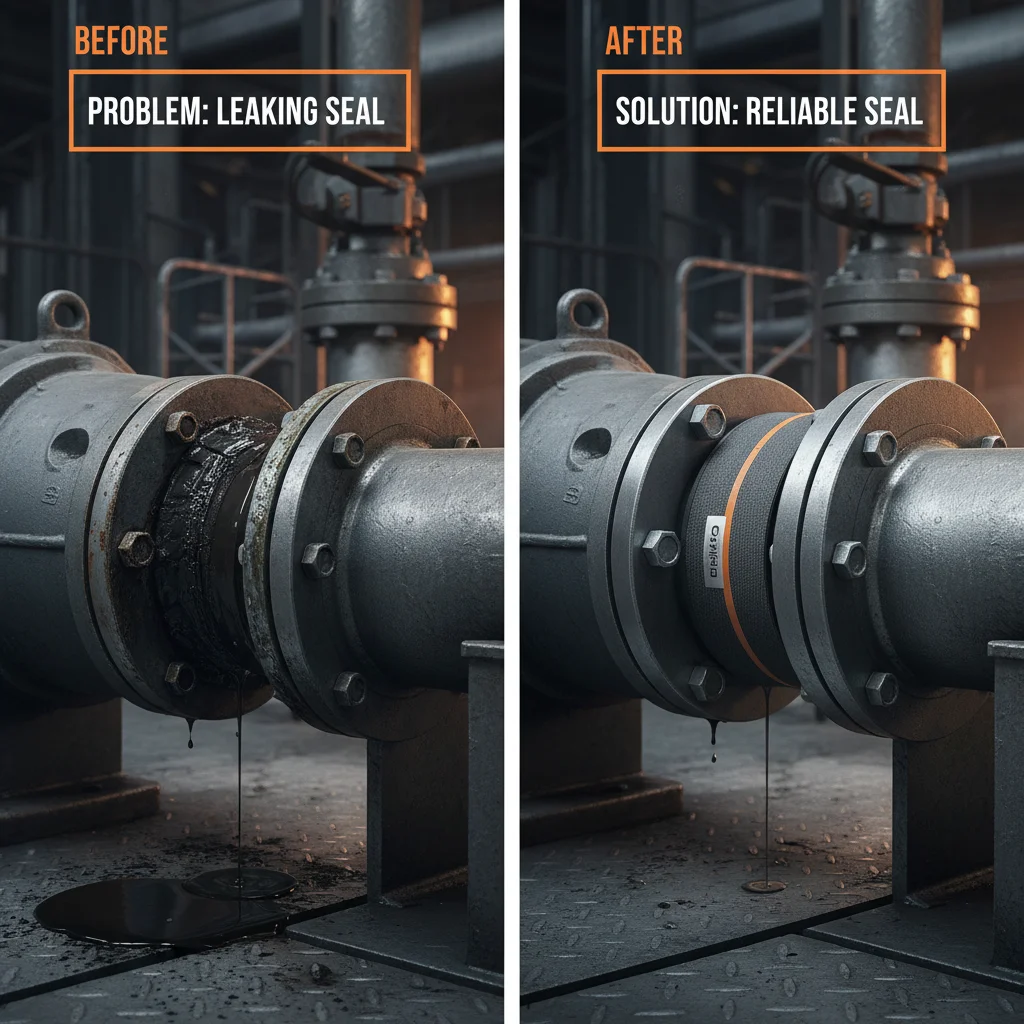
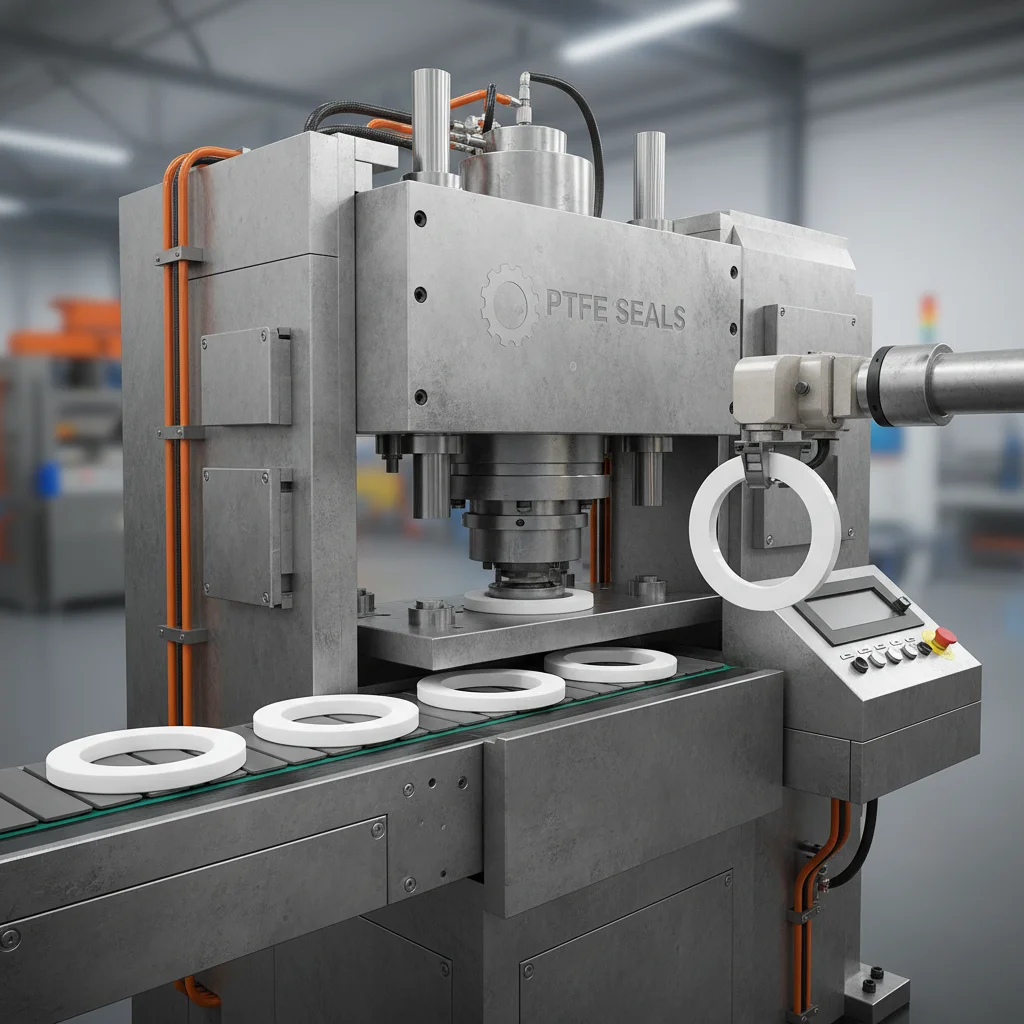
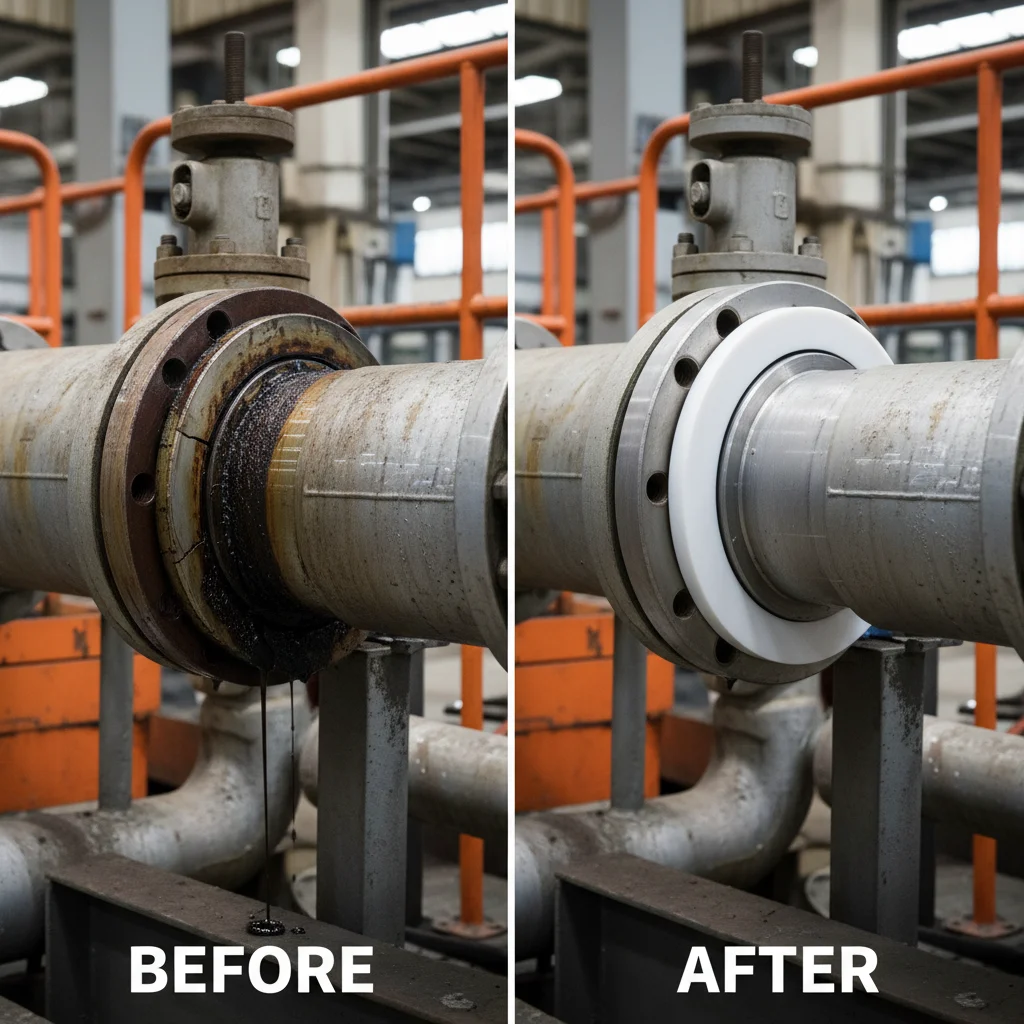
In the rigorous landscape of heavy industry—spanning from massive power generation plants to intricate chemical processing units—the primary enemy of a reliable seal is not merely pressure, but the dynamic nature of temperature. Thermal cycling, the repeated heating and cooling of industrial systems, creates a "living" environment where metal expands, contracts, and shifts.The solution to this instability lies in the sophisticated application of flexible graphite and the strategic use of permanent metal barriers.
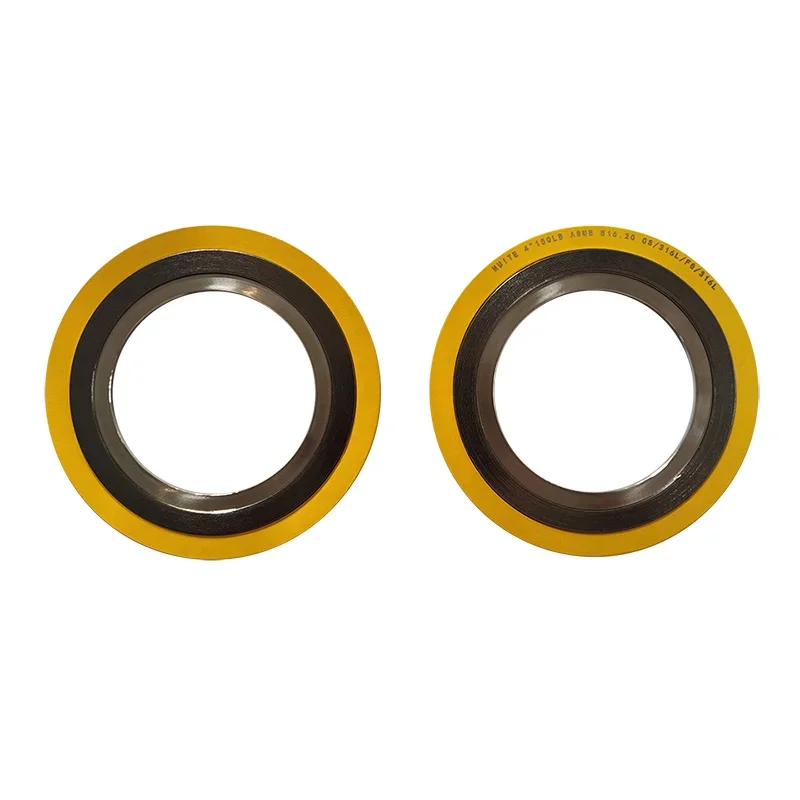
Superior Recovery with the Low Stress Flexible Graphite Spiral Wound Gasket
The introduction of flexible graphite transformed the sealing industry. Unlike standard graphite, which can be somewhat brittle, flexible graphite is produced through a process of chemical exfoliation and thermal expansion, resulting in a material that is highly compressible and, more importantly, highly resilient. When this material is integrated into a low stress flexible graphite spiral wound gasket, it acts as a high-temperature spring that is always "energized."
The "low stress" engineering of this gasket is critical for thermal cycling resilience. In a standard high-load gasket, the flexible graphite can be compressed to its maximum limit during the initial bolt-up. While this creates a tight seal initially, it leaves the material with no "reserve travel." When the system cools and the bolts slightly relax or the flanges contract, the over-compressed graphite cannot expand to fill the newly created gap.
In contrast, the low stress flexible graphite spiral wound gasket is designed to achieve its seal at a much lower percentage of its total potential compression. By utilizing a specialized "V-shape" stainless steel winding with a calibrated pitch, the gasket maintains a significant amount of elastic energy. As the joint undergoes thermal transients, the low stress flexible graphite spiral wound gasket "follows" the flange face, expanding and contracting like a bellows. This ensures that the contact pressure never drops below the threshold required to maintain a gas-tight seal, making it the premier choice for steam turbines and heat exchangers.
Operational Advantages of the Low Stress Graphite Spiral Wound Gasket
Beyond the molecular level of material science, the low stress graphite spiral wound gasket provides substantial operational benefits that impact a facility's bottom line. One of the most significant challenges in large-scale industrial maintenance is the "human factor." Standard gaskets require precise, high-torque values and often necessitate the use of hydraulic tensioning equipment to ensure uniform loading. If a technician is working in a confined space or under time pressure during a turnaround, achieving these precise loads can be difficult.
The low stress graphite spiral wound gasket offers a much wider "window" of success. Because it is engineered to seal at a lower threshold, it is far more forgiving of slight variations in bolt tension. This reliability simplifies the installation process and significantly reduces the frequency of "re-work," where a joint must be retightened after the system has been pressurized.
Furthermore, the reduced load requirement of the low stress graphite spiral wound gasket preserves the life of the flange itself. High-load gaskets often cause "flange cupping," a permanent deformation where the flange face is no longer flat. Once a flange is cupped, it must be machined back to flat—a costly and time-consuming process. By switching to low-stress technology, plant managers can extend the life of their expensive alloy piping indefinitely, shifting from a reactive maintenance model to a proactive, integrity-focused strategy.
Critical Fail-Safe Measures: Weld Ring Gasket Integration
In the hierarchy of sealing solutions, there are certain applications where even the most advanced low stress flexible graphite spiral wound gasket is considered a secondary option. For "lethal service" media—such as high-concentration hydrofluoric acid, radioactive waste, or ultra-high-pressure hydrogen—the industry often mandates a zero-leakage guarantee that only a permanent metal fusion can provide. This is the domain of the weld ring gasket.
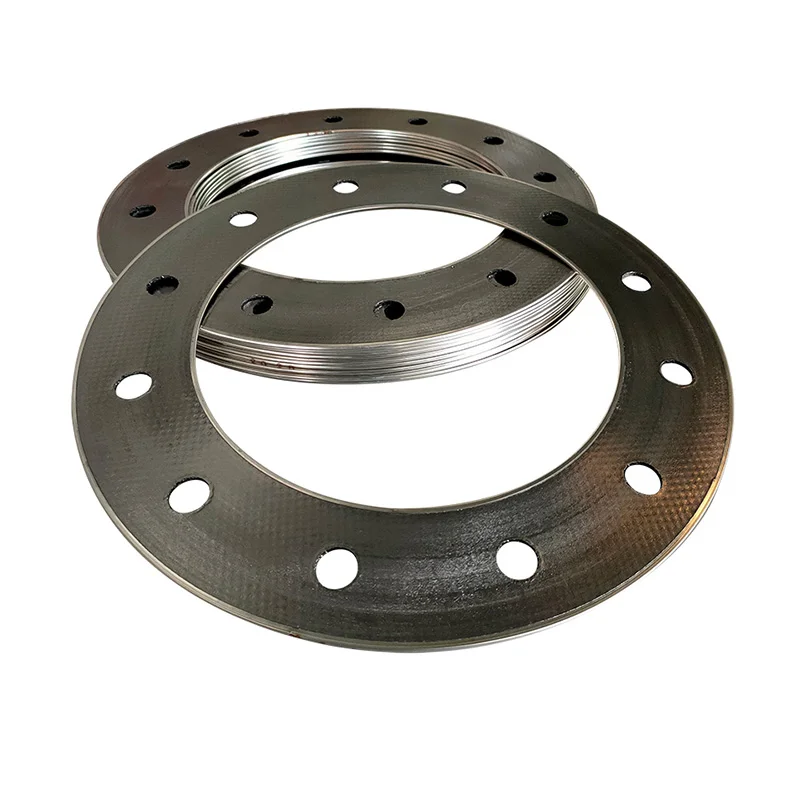
A weld ring gasket is a unique mechanical-welded hybrid. It consists of two matching metal rings, typically made of the same material as the piping system (e.g., 316L Stainless Steel or Inconel). Each ring is seal-welded to its respective flange face. When the flanges are bolted together, the two rings meet, and their outer edges are سپس welded together to form a hermetic chamber.
While the low stress flexible graphite spiral wound gasket is designed for joints that require periodic opening for inspection, the weld ring gasket is a "fit and forget" solution. It eliminates the interface between the gasket and the flange face entirely, turning the joint into a continuous piece of the pressure vessel. In modern "Lethal Service" designs, engineers often employ a "belt and braces" approach: using a low stress graphite spiral wound gasket as an internal primary seal to prevent turbulence and debris buildup, while the weld ring gasket acts as the external, permanent secondary containment.
Spiral Wound Gasket: Strategic Selection for Long-Term Asset Integrity
The choice between these technologies—the low stress graphite spiral wound gasket, the low stress flexible graphite spiral wound gasket, and the weld ring gasket—is ultimately a balance of risk, cost, and maintenance frequency.
For standard steam and hydrocarbon services, the low stress graphite spiral wound gasket is the workhorse that ensures environmental compliance and ease of installation. In systems characterized by extreme temperature fluctuations, the low stress flexible graphite spiral wound gasket is the superior choice for its unmatched recovery properties. Finally, for the most critical and dangerous nodes of a plant's infrastructure, the weld ring gasket provides the ultimate peace of mind.
By integrating these three distinct technologies into a comprehensive sealing strategy, industrial facilities can achieve a higher level of safety and reliability. We are moving away from a world where "one size fits all" in sealing, and moving toward an era of precision engineering where the gasket is as carefully designed as the pump or the reactor it serves.
Spiral Wound Gasket: The Path to Zero Leaks
The advancement of low-stress technology marks a significant milestone in industrial safety. By understanding the mechanical relationship between bolt load, flange geometry, and filler elasticity, manufacturers have created products that make plants safer and more efficient. Whether it is through the incredible resilience of a low stress flexible graphite spiral wound gasket or the absolute containment of a weld ring gasket, the goal remains the same: ensuring that the contents of the pipe stay exactly where they belong. As we look toward the future, the continued refinement of these materials will be the key to supporting the next generation of high-pressure, high-temperature industrial processes.