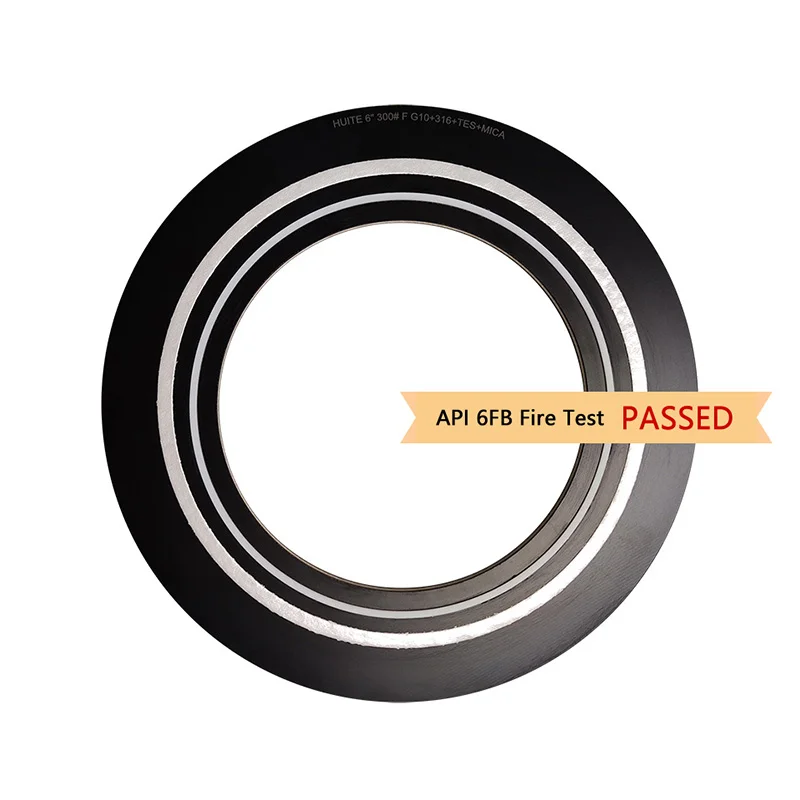
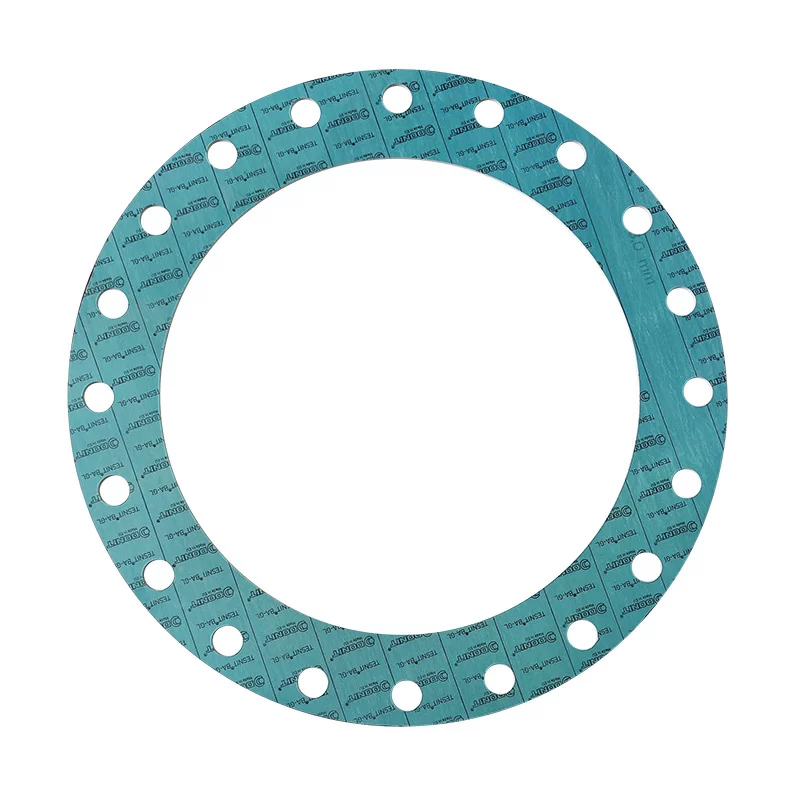
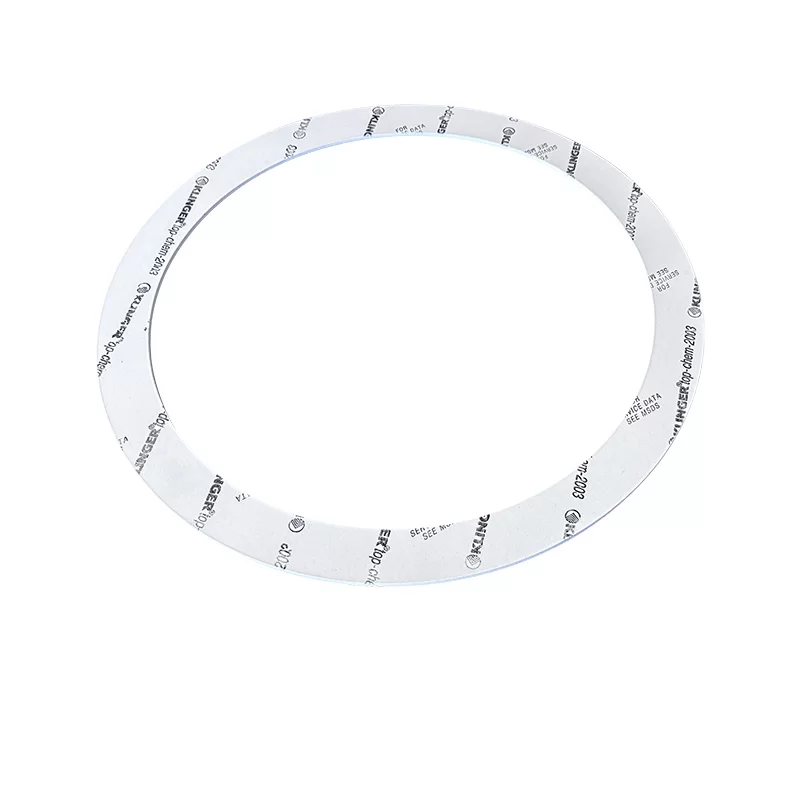
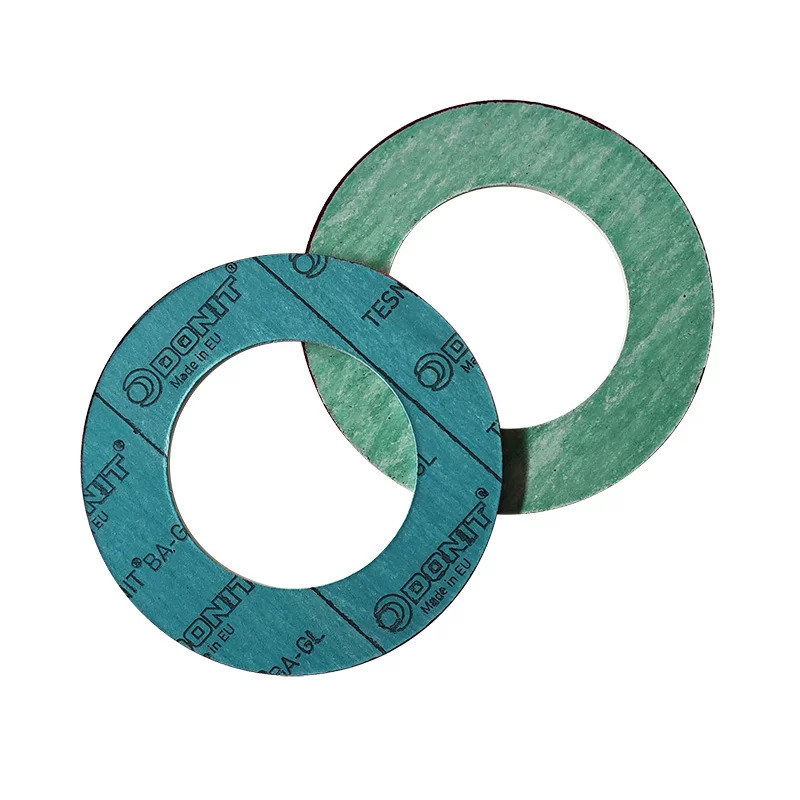
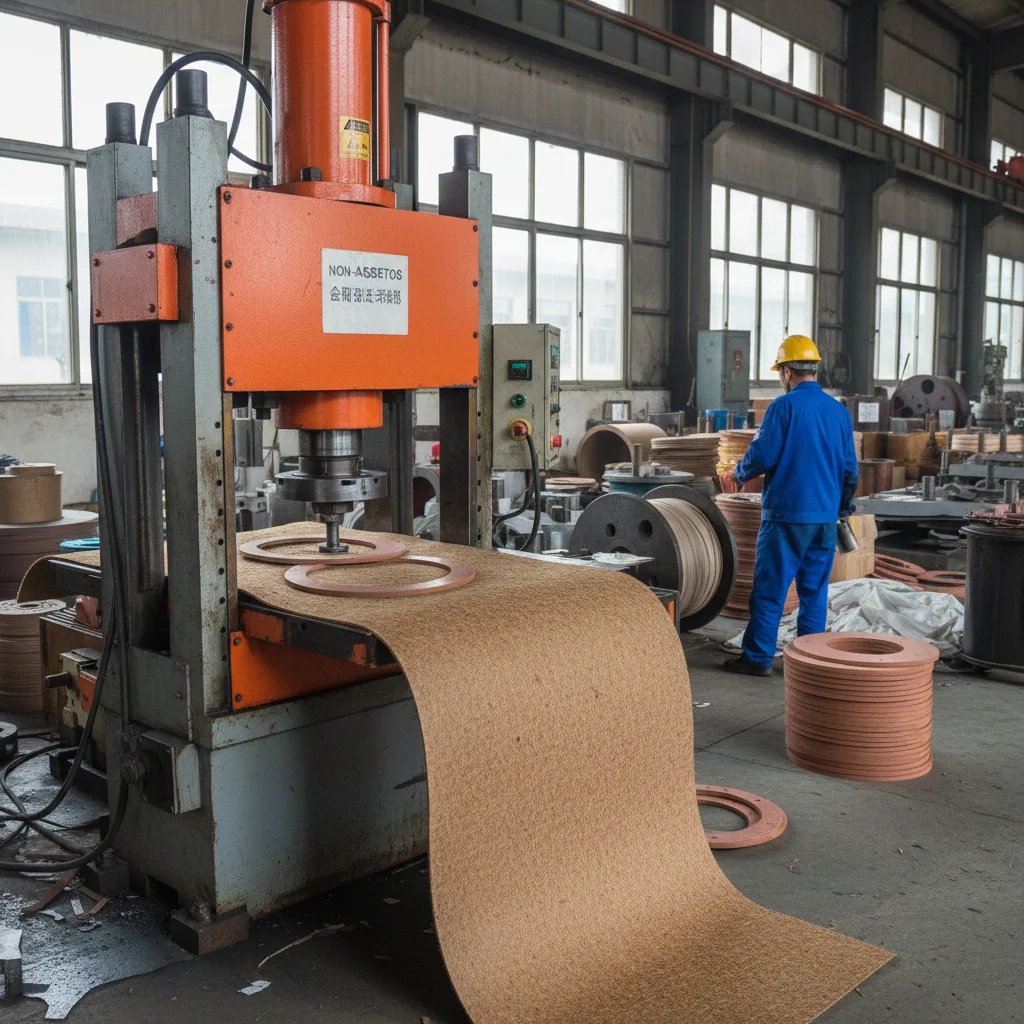
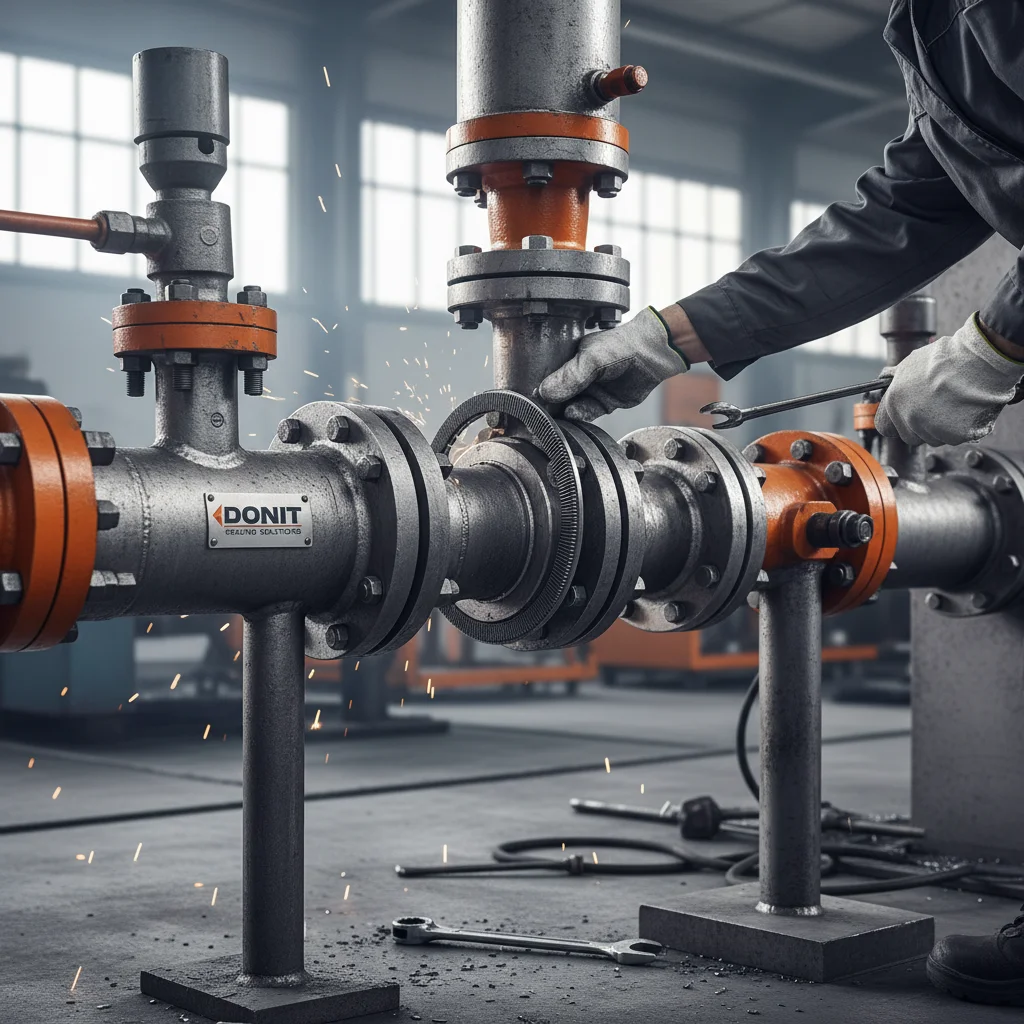
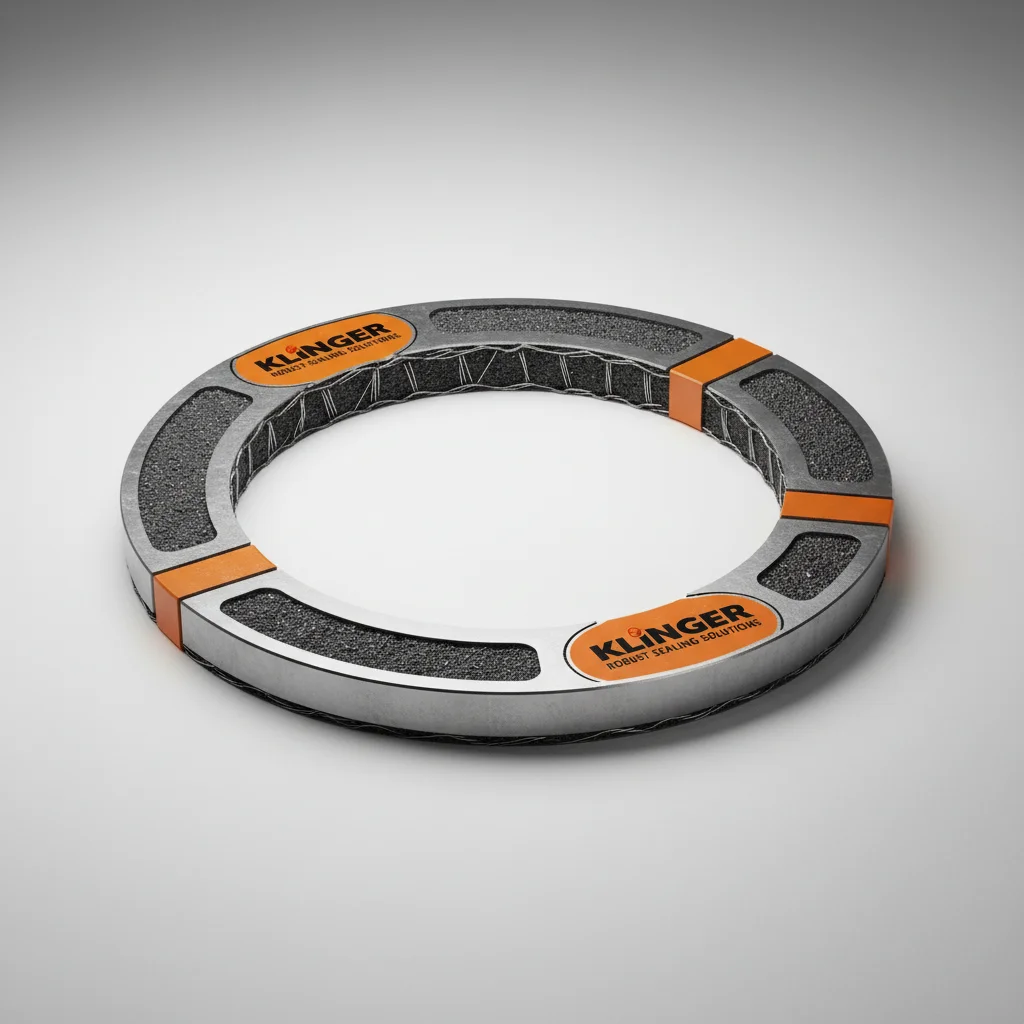
Cryogenic pipelines, such as those used for LNG (Liquefied Natural Gas) and LPG (Liquefied Petroleum Gas), require sealing solutions that can withstand extreme conditions, including ultra-low temperatures, high pressures, and highly corrosive environments. Among various sealing technologies, the spiral wound gasket has proven to be one of the most reliable and versatile solutions for cryogenic applications. Its unique structure, combined with advanced materials like PTFE, ensures high performance in demanding industrial environments.
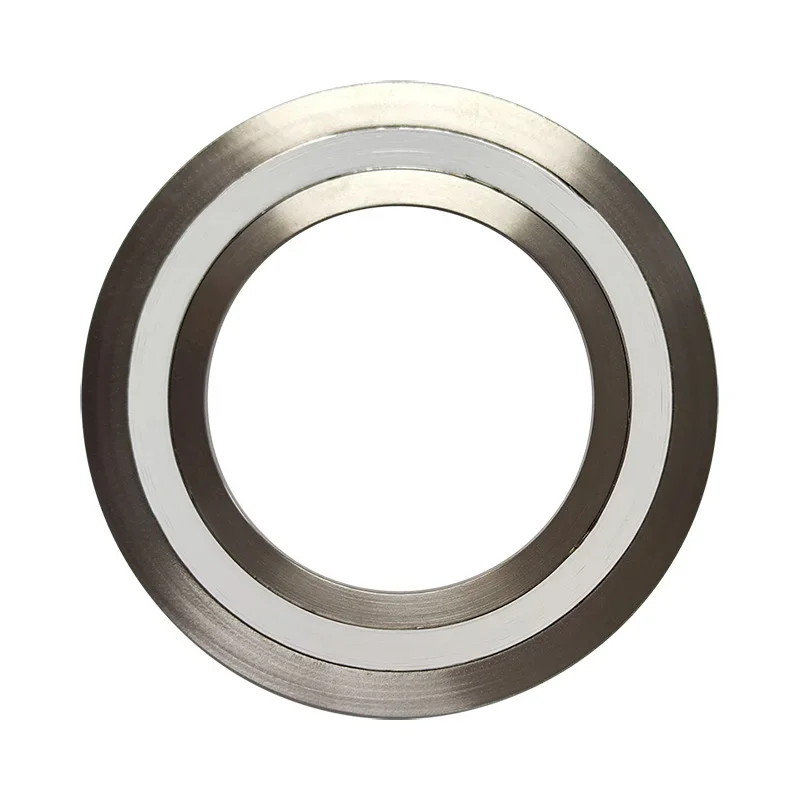
Why Choose a Spiral Wound Gasket for LNG and LPG
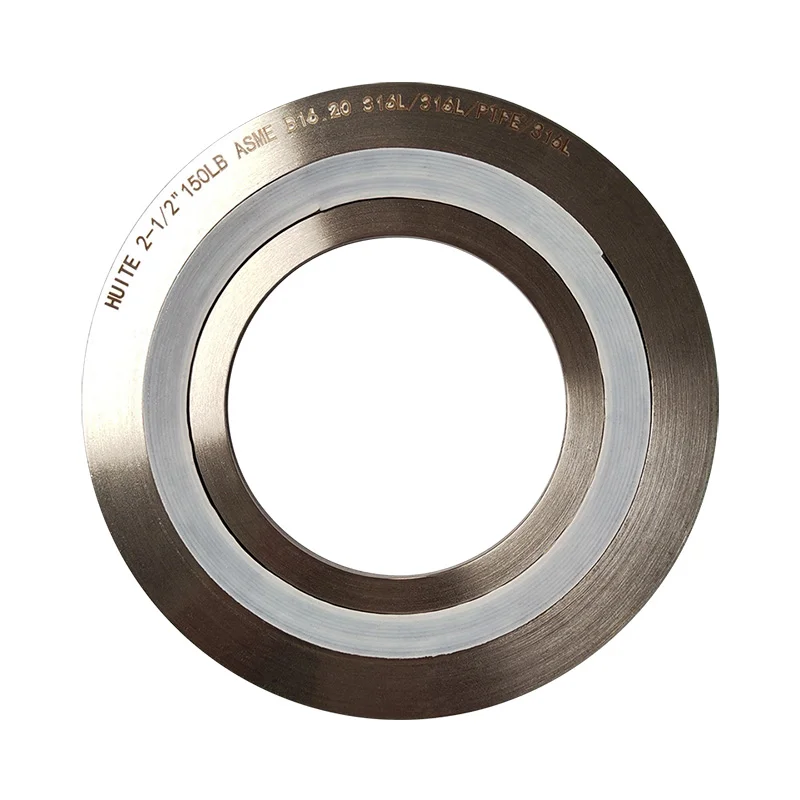
A spiral wound gasket for LNG is specifically designed to handle the challenges posed by cryogenic fluids. Unlike conventional gaskets, spiral wound gaskets consist of a metal winding and a soft filler material, often PTFE, which provide both mechanical strength and chemical resistance. The key benefits of using a spiral wound gasket in LNG and LPG pipelines include:
Superior Sealing Performance – The combination of metal and filler material creates a highly compressible and resilient seal that adapts to flange irregularities and thermal expansion.
Resistance to Cryogenic Temperatures – PTFE filler strips maintain flexibility even at extremely low temperatures, ensuring tight sealing without cracking or brittleness.
Chemical Compatibility – PTFE is highly resistant to corrosive fluids, making these gaskets suitable for pipelines carrying chemicals or high-purity LNG.
Vacuum and Pressure Applications – Spiral wound gaskets are ideal for both vacuum and pressurized systems, offering a reliable solution for a wide range of industrial pipelines.
Due to these advantages, spiral wound gaskets are the preferred choice for pipelines where safety, reliability, and durability are critical.
Applications of Spiral Wound Gaskets in Cryogenic Systems
The application of spiral wound gaskets for LNG and LPG extends across multiple industrial sectors. These gaskets are commonly used in:
Cryogenic pipelines – Ensuring leak-proof sealing in ultra-low temperature gas transport lines.
Pressure vessels – Maintaining integrity under high-pressure conditions in storage tanks.
Heat exchangers – Withstanding thermal cycles while maintaining airtightness.
Valve covers and flanges – Protecting against leaks in critical control points of the pipeline.
By using the appropriate metal strip material, such as stainless steel or Inconel, in combination with PTFE filler, these gaskets can handle almost all types of fluids, including corrosive chemicals, pure oxygen, and cryogenic liquids.
Selecting the Right Spiral Wound Gasket Supplier
Choosing a reliable spiral wound gasket supplier is crucial to ensure high performance and safety in LNG and LPG systems. A qualified supplier can provide:
Customized Solutions – Tailored gaskets based on pipeline size, pressure rating, and operating temperature.
High-Quality Materials – Ensuring PTFE and metal components meet international standards for cryogenic applications.
Technical Support – Guidance on installation, maintenance, and material selection to maximize gasket lifespan.
Compliance with Industry Standards – Certification for cryogenic service, oxygen service, and chemical compatibility.
Partnering with an experienced spiral wound gasket supplier reduces the risk of leaks, operational downtime, and safety hazards, making it a strategic decision for pipeline operators.
Structure and Material Advantages of Spiral Wound Gaskets
The unique structure of a spiral wound gasket consists of alternating layers of a metallic strip and a soft filler strip. The metallic strip provides mechanical strength and resilience, while the filler strip ensures chemical resistance and tight sealing.
PTFE filler strips are particularly advantageous for LNG and LPG pipelines due to their:
Chemical Resistance – Resistant to acids, alkalis, and other corrosive fluids.
Low-Temperature Performance – Remains flexible and resilient even at cryogenic temperatures.
Purity Compatibility – Suitable for ultra-pure LNG and oxygen pipelines without contamination.
Selecting the correct combination of metal and filler materials is critical. For example, stainless steel or Inconel metal strips provide excellent corrosion resistance, while PTFE filler ensures tight sealing and chemical compatibility. This combination allows spiral wound gaskets to perform in conditions where other gaskets may fail.
Installation Tips for Spiral Wound Gaskets for LNG
Proper installation is essential to achieve the full benefits of a spiral wound gasket for LNG. Some key considerations include:
Flange Preparation – Ensure that flange faces are clean, smooth, and free of damage.
Gasket Centering – Correct positioning is critical to prevent leaks and uneven compression.
Bolt Torqueing – Follow manufacturer-recommended torque sequences to achieve uniform gasket compression.
Inspection and Maintenance – Regular inspection ensures long-term reliability, especially in cryogenic conditions.
Adhering to these installation guidelines helps maintain the gasket's integrity and ensures safe operation in high-risk cryogenic pipelines.
Advantages Over Other Gasket Types
Compared to flat gaskets, rubber gaskets, or graphite gaskets, the spiral wound gasket offers unique advantages for LNG and LPG pipelines:
Adaptability to Flange Irregularities – The spiral structure compensates for surface imperfections.
Resilience Under Thermal Cycling – Maintains sealing performance during expansion and contraction.
Compatibility with High-Purity Fluids – PTFE filler prevents contamination, unlike graphite gaskets.
Long Service Life – Resistant to corrosion, low temperatures, and mechanical stress.
These factors make spiral wound gaskets a preferred solution for industrial pipelines requiring high reliability and airtightness.
Why Spiral Wound Gaskets Are Essential for LNG and LPG Safety
The safe transport of cryogenic liquids demands gaskets that can withstand mechanical, chemical, and thermal challenges. A spiral wound gasket for LNG ensures:
Leak Prevention – Minimizes the risk of hazardous gas leaks in cryogenic pipelines.
Operational Safety – Reduces downtime and potential accidents associated with seal failures.
Cost-Effectiveness – Long service life reduces the need for frequent replacements and maintenance.
By selecting high-quality materials and working with a reputable spiral wound gasket supplier, pipeline operators can ensure safe and efficient operation of LNG and LPG systems.
In conclusion, spiral wound gaskets are the ideal solution for LNG and LPG cryogenic pipelines, offering unmatched sealing performance, chemical resistance, and durability under extreme conditions. Selecting the right spiral wound gasket supplier and following proper installation practices are critical to maximizing safety, reliability, and operational efficiency. With PTFE filler and high-quality metal strips, spiral wound gaskets provide long-term performance even in the most demanding industrial applications, including vacuum systems, ultra-low temperature pipelines, and high-pressure vessels.
For industrial operators handling cryogenic fluids, investing in high-quality spiral wound gaskets for LNG is not just a technical requirement—it is a safety-critical