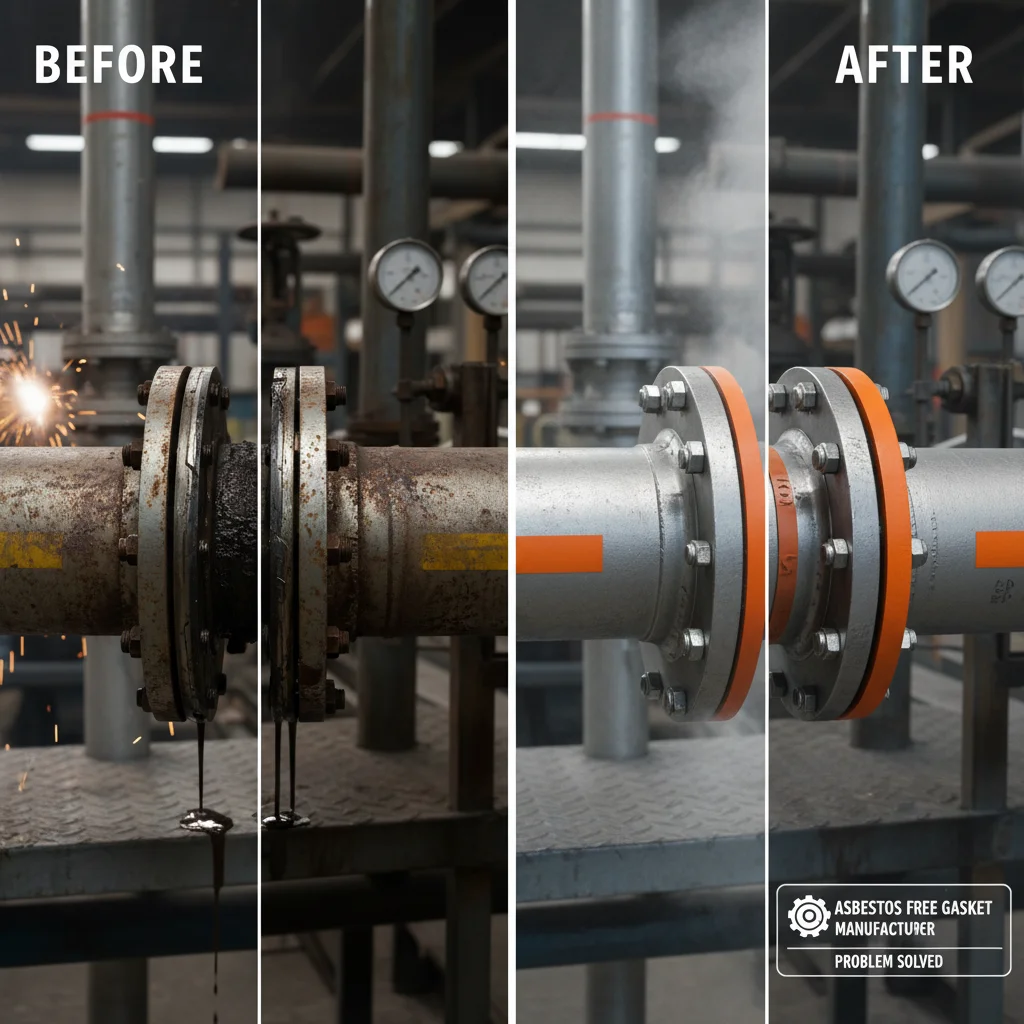
Understanding Flange Insulation Gasket Kits for Optimal Performance
In the realm of industrial piping systems, maintaining integrity and preventing leaks are paramount. Flange insulation gasket kits play a crucial role in achieving these objectives, particularly when dealing with corrosive environments or extreme temperatures. These kits are engineered to provide both mechanical sealing and electrical insulation, safeguarding your pipelines and equipment. This article dives deep into the components, applications, benefits, and selection criteria for flange insulation gasket kits, offering comprehensive guidance for engineers, procurement professionals, and maintenance teams. Ensuring the proper selection and installation of these kits is essential for operational efficiency and long-term reliability.
What are Flange Insulation Gasket Kits?
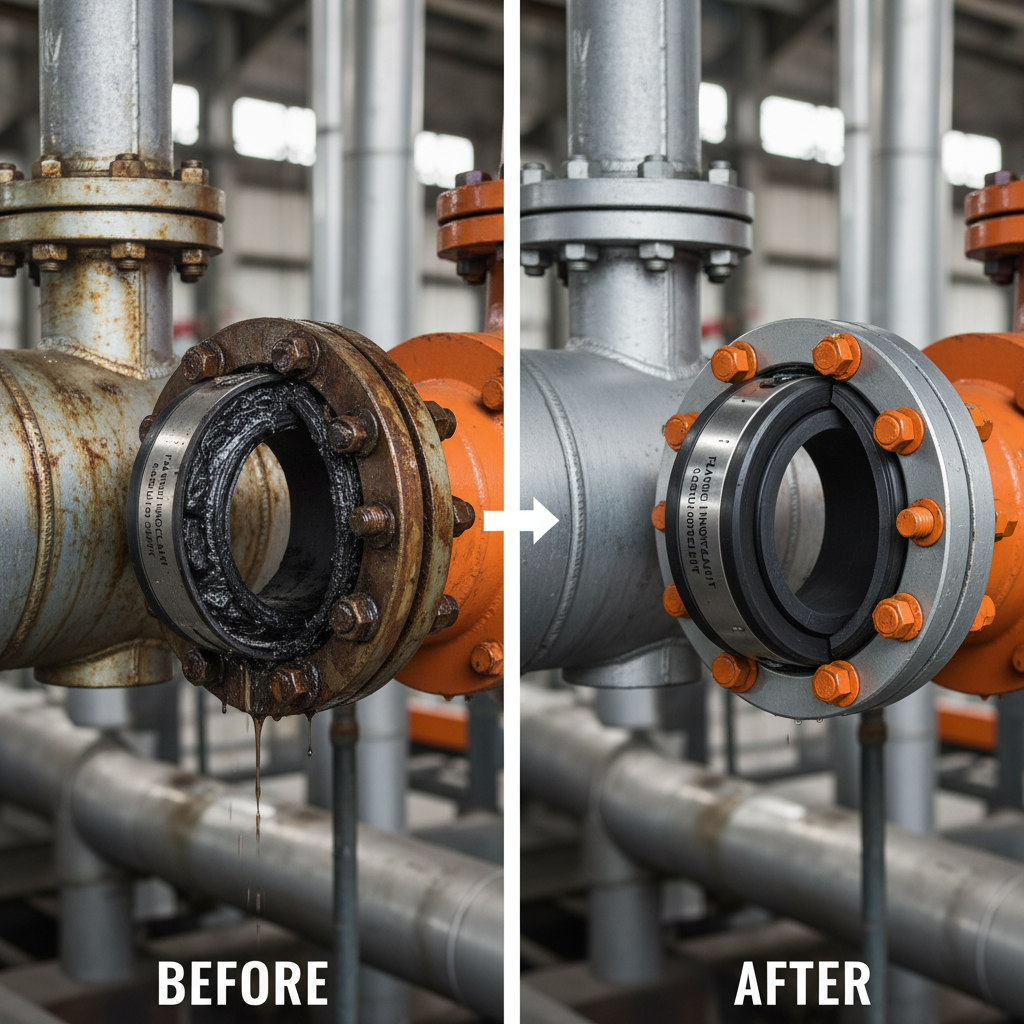
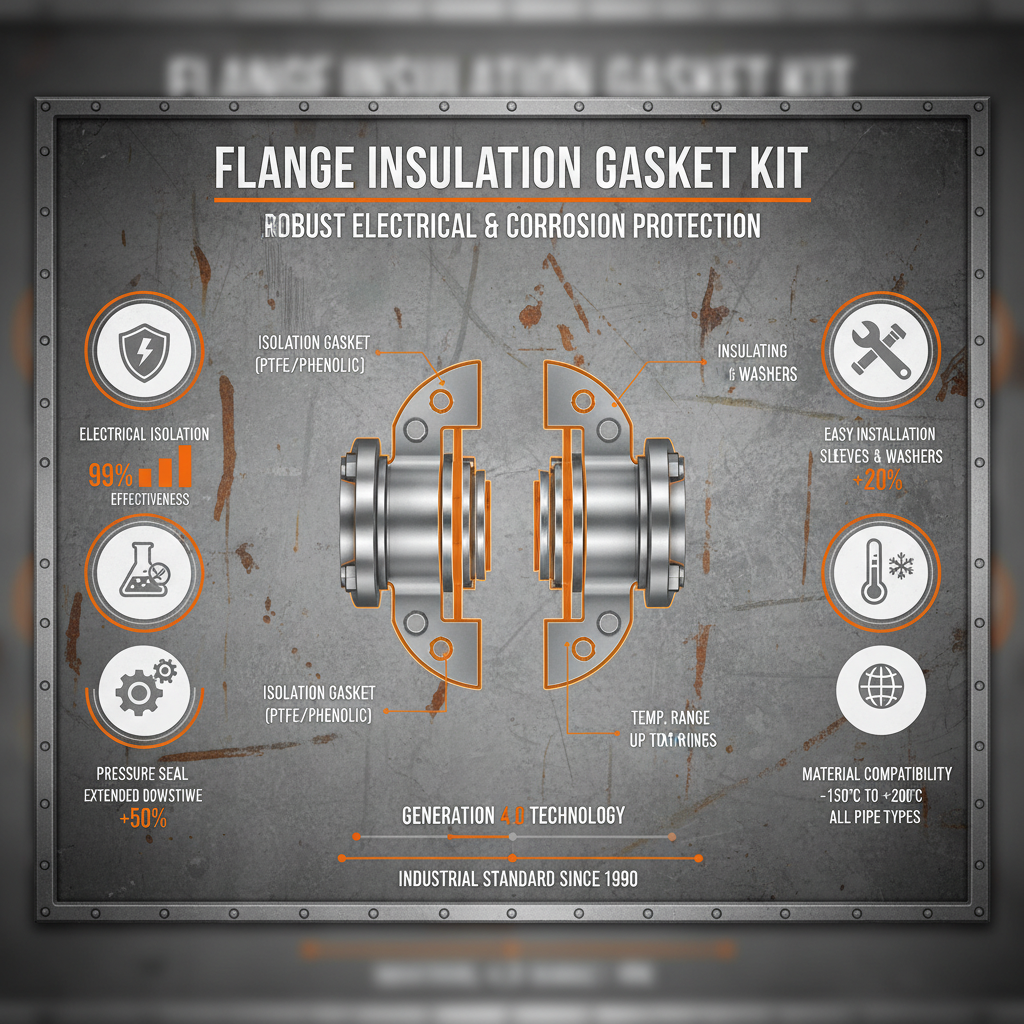
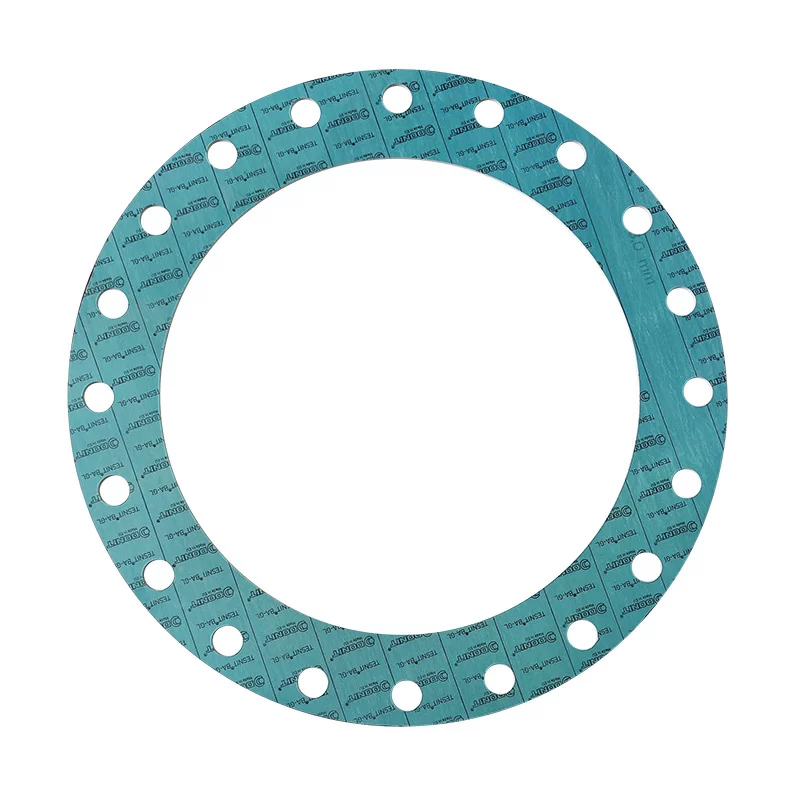
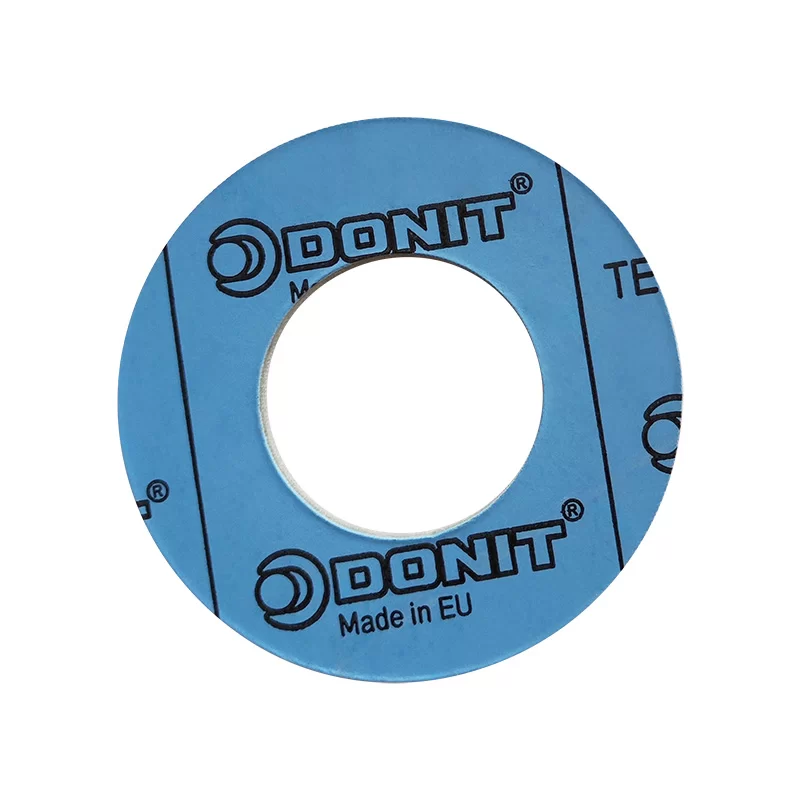
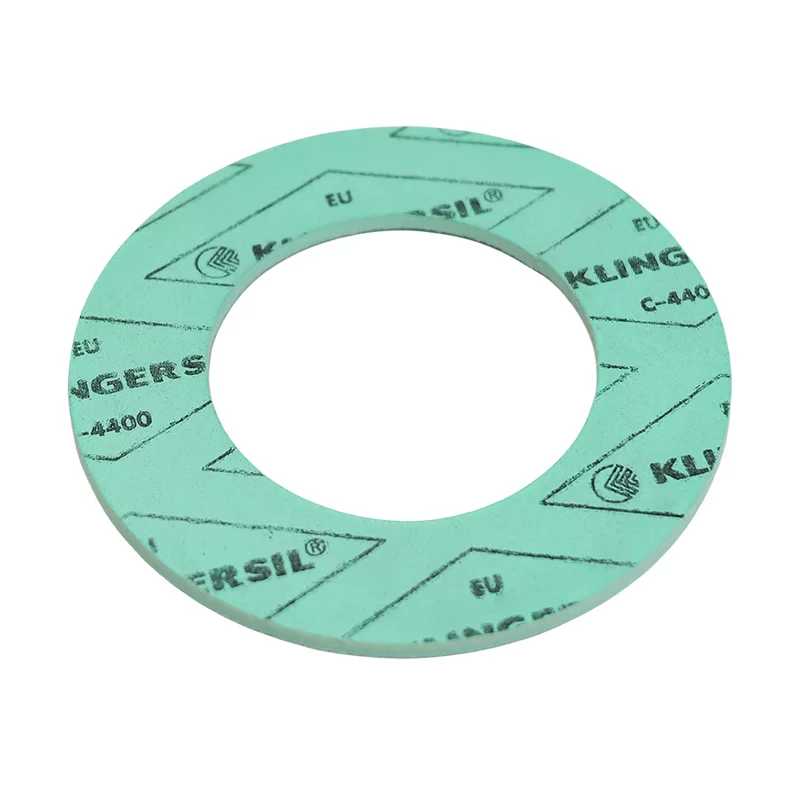
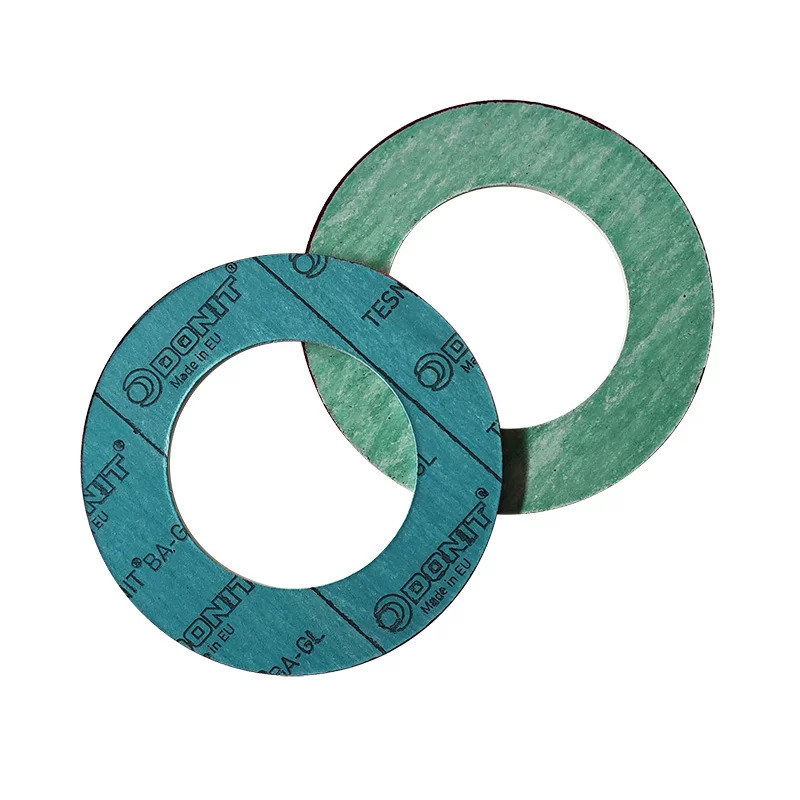
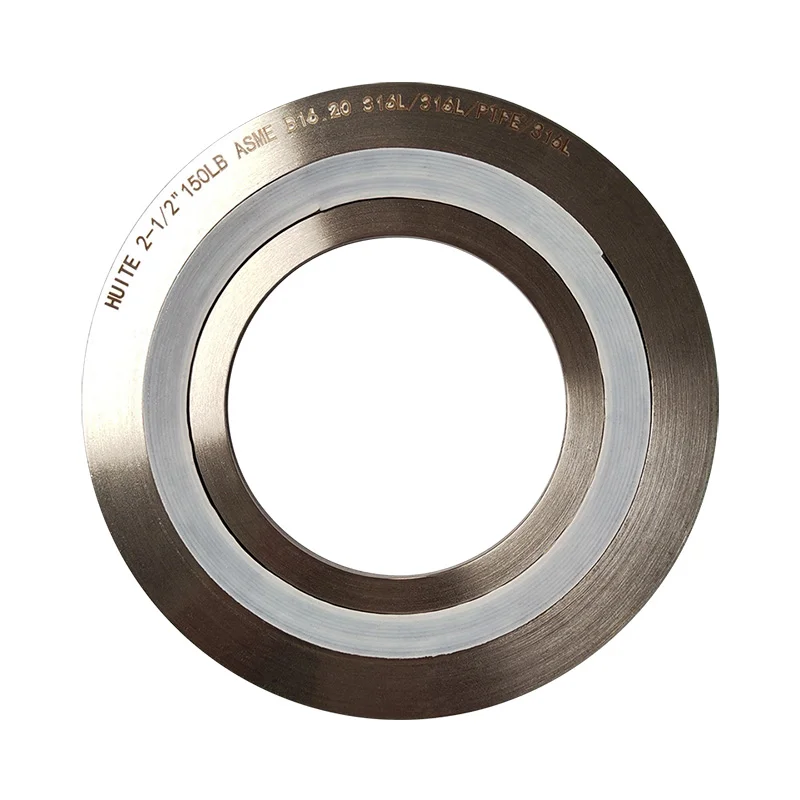
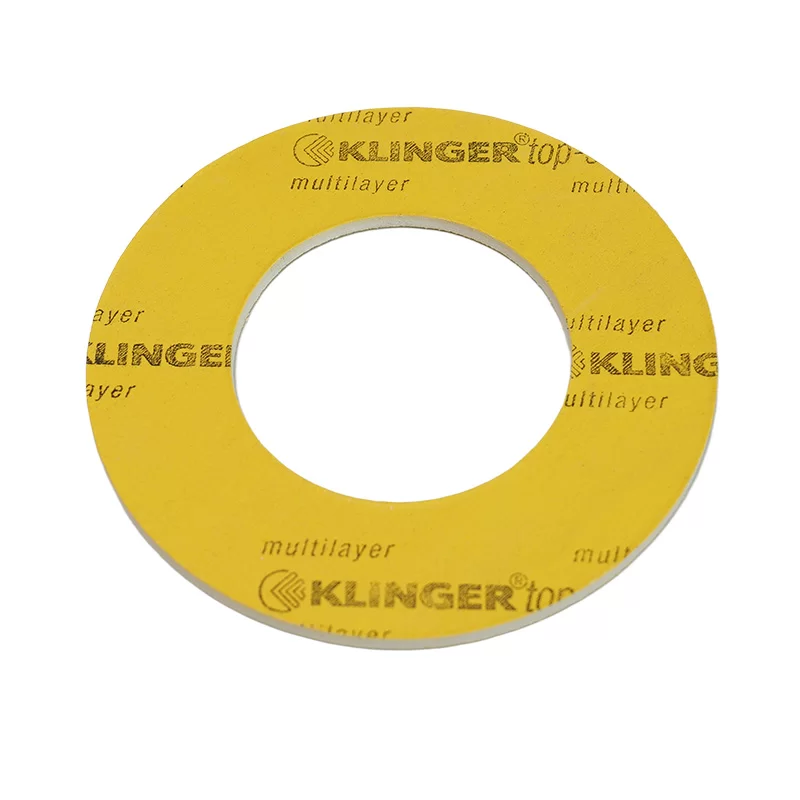
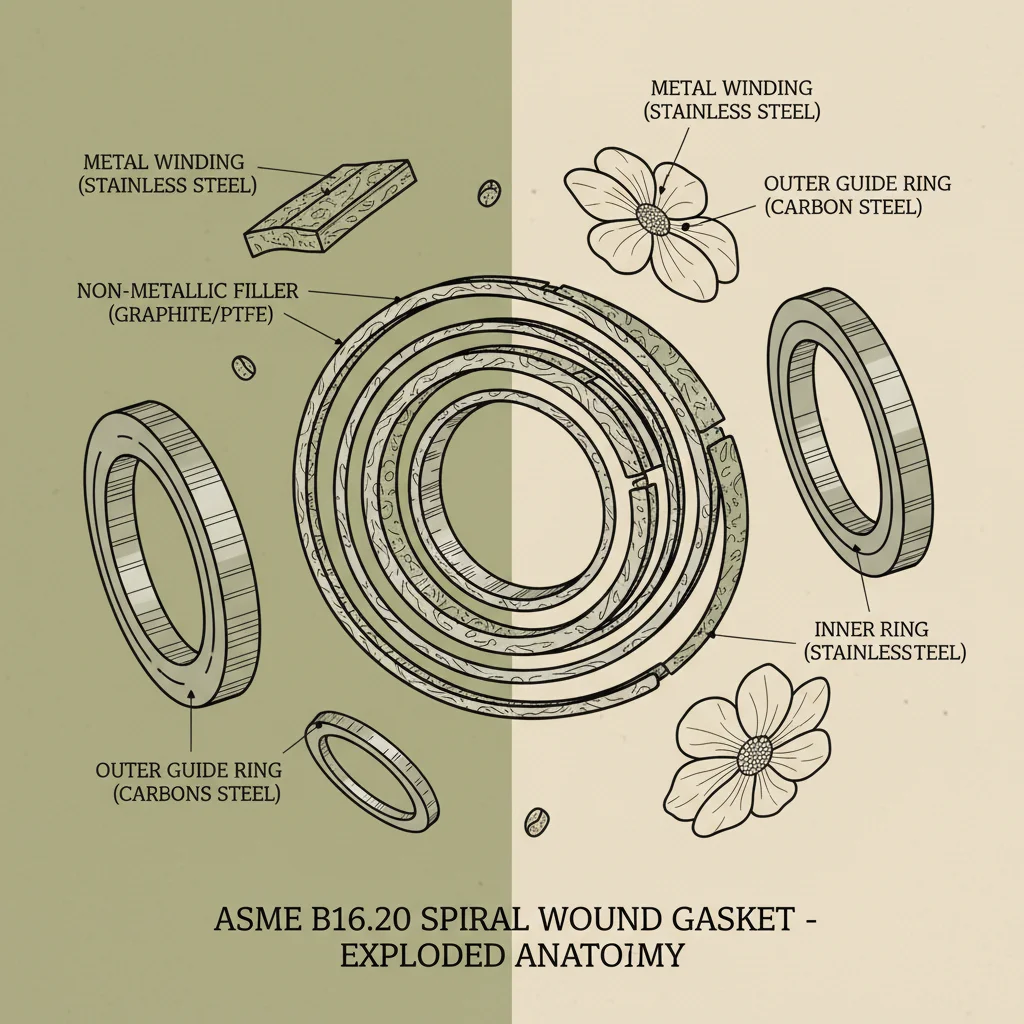
A flange insulation gasket kit is a pre-assembled set of components designed to create a leak-proof and electrically isolated connection between two flanged pipe sections. Typically, a kit includes an inner gasket, an outer gasket, insulating sleeves, and often, a set of bolts and nuts with insulating washers. The inner gasket provides the primary sealing function, while the outer gasket and sleeves deliver the necessary electrical insulation to prevent galvanic corrosion. These kits are often used in pipelines transporting sensitive fluids, or in systems where dissimilar metals are joined. Proper selection is dependent on the pipeline’s operating pressure, temperature, and the type of fluid being transported.
Key Components: An inner gasket for primary sealing, an outer gasket and insulating sleeves for electrical isolation, and often, insulated bolts and nuts.
Key Benefits of Using Flange Insulation Gasket Kits
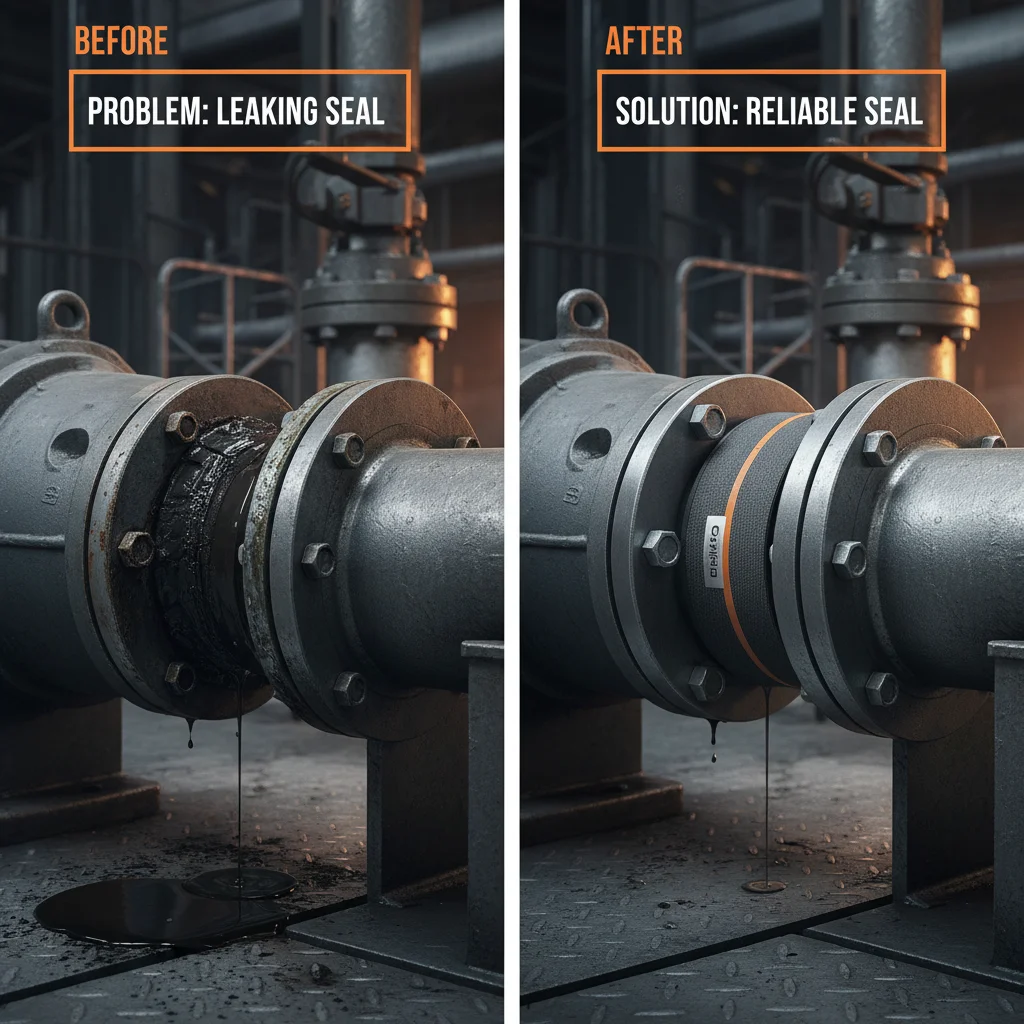
Employing flange insulation gasket kits offers a multitude of advantages. Firstly, they effectively prevent galvanic corrosion, a significant concern when joining dissimilar metals in a conductive environment. Secondly, these kits reduce the risk of leaks, enhancing safety and minimizing product loss. Thirdly, the insulation properties contribute to energy efficiency by reducing heat transfer. Finally, pre-assembled kits save time and labor during installation, streamlining maintenance operations. The use of these kits significantly extends the lifespan of piping systems and reduces overall maintenance costs. Investing in quality flange insulation gasket kits is a proactive approach to ensuring long-term operational reliability.
Core Advantages:
• Prevents Galvanic Corrosion
• Reduces Leakage Risks
• Improves Energy Efficiency
• Simplifies Installation & Maintenance
Choosing the Right Flange Insulation Gasket Kit
Selecting the appropriate flange insulation gasket kit demands careful consideration of several factors. The pipe material, fluid type, operating temperature, and pressure all influence the material selection for the gaskets and sleeves. Common gasket materials include EPDM, PTFE, and fiber-reinforced materials. Electrical insulation requirements dictate the type of insulating sleeve – options include phenolic, fiberglass, and epoxy-glass laminates. Ensuring compatibility with the flange dimensions and bolt circle is critical for a proper seal. It's crucial to review the manufacturer's specifications and consult with engineering experts to guarantee optimal performance and prevent costly failures.
| Parameter |
Consideration |
| Pipe Material |
Carbon Steel, Stainless Steel, Alloy Steel |
| Fluid Type |
Chemicals, Water, Oil, Gas |
| Temperature Range |
-20°C to +200°C (dependent on material) |
| Pressure Rating |
Match kit rating to system pressure |
Applications of Flange Insulation Gasket Kits
Flange insulation gasket kits find widespread use across numerous industries. They are essential in petrochemical plants to prevent corrosion in pipelines carrying corrosive chemicals. In power generation facilities, they isolate steam lines to minimize heat loss and ensure efficient operation. Water treatment plants utilize these kits to protect pipelines from corrosion caused by treated water. Furthermore, they are critical in the oil and gas industry, where pipelines operate under harsh conditions. These kits are also prevalent in the pharmaceutical industry, ensuring the purity of process fluids by preventing contamination. GZHTMF provides specialized kits for a wide range of applications.
Flange Insulation Gasket Kit Specifications and Standards
GZHTMF’s flange insulation gasket kits are manufactured to meet stringent international standards, including ASTM, ASME, and API. We offer a comprehensive range of kits designed to accommodate various flange sizes, pressure classes, and temperature requirements. Our materials are carefully selected for their chemical resistance, thermal stability, and electrical insulating properties. We provide detailed product specifications and material certifications to ensure full traceability and compliance.
| Specification |
Detail |
| Standards Compliance |
ASTM, ASME, API |
| Gasket Material |
EPDM, PTFE, Fiber Reinforced |
| Insulation Sleeve Material |
Phenolic, Fiberglass, Epoxy-Glass Laminate |
| Temperature Range |
-50°C to +300°C (Material Dependent) |
Conclusion: Protecting Your Pipelines with GZHTMF
Investing in high-quality flange insulation gasket kits from GZHTMF is a strategic decision that safeguards your piping systems, minimizes downtime, and ensures long-term operational efficiency. Our commitment to quality, reliability, and customer satisfaction makes us a trusted partner for industries worldwide. Don't compromise on the integrity of your pipelines – choose GZHTMF for superior protection.
Frequently Asked Questions (FAQs)
What is the difference between an inner and outer flange gasket?
The inner gasket provides the primary fluid seal between the flange faces, preventing leakage. It’s typically made of materials like EPDM or PTFE, chosen for their chemical resistance and sealing properties. The outer gasket, on the other hand, is designed for electrical insulation. It surrounds the flange joint to prevent galvanic corrosion caused by dissimilar metals. It’s typically made from insulating materials like phenolic or fiberglass. Both are critical components, but serve distinctly different purposes within the flange joint.
How do I determine the correct size flange insulation gasket kit?
Accurately determining the correct size is crucial. Begin by verifying the flange diameter and bolt circle diameter. Consult the flange’s specification sheet or perform a physical measurement. Ensure the gasket kit's dimensions match these measurements precisely. It's also important to consider the flange pressure rating and operating temperature to select appropriate materials. If you're unsure, contacting a flange insulation gasket specialist or providing the flange specifications to GZHTMF’s technical support team is highly recommended.
What is galvanic corrosion and how do these kits prevent it?
Galvanic corrosion occurs when two dissimilar metals are in electrical contact in the presence of an electrolyte (like water or moisture). This creates an electrochemical reaction that causes one metal to corrode. Flange insulation gasket kits prevent this by providing an electrically insulating barrier between the flanges. The insulating sleeves and washers break the electrical path, preventing the flow of electrons and stopping the corrosion process. This protection is especially important in environments where exposure to moisture or corrosive fluids is prevalent.
Are these kits suitable for high-pressure applications?
Yes, GZHTMF offers flange insulation gasket kits designed for a wide range of pressure applications. However, it’s crucial to select a kit with a pressure rating that meets or exceeds the system’s operating pressure. The gasket material, sleeve construction, and bolt loading are all critical factors in ensuring a reliable seal at high pressures. Always consult the product specifications and ensure compatibility with your specific application. Our team can assist in selecting the appropriate kit for your requirements.